
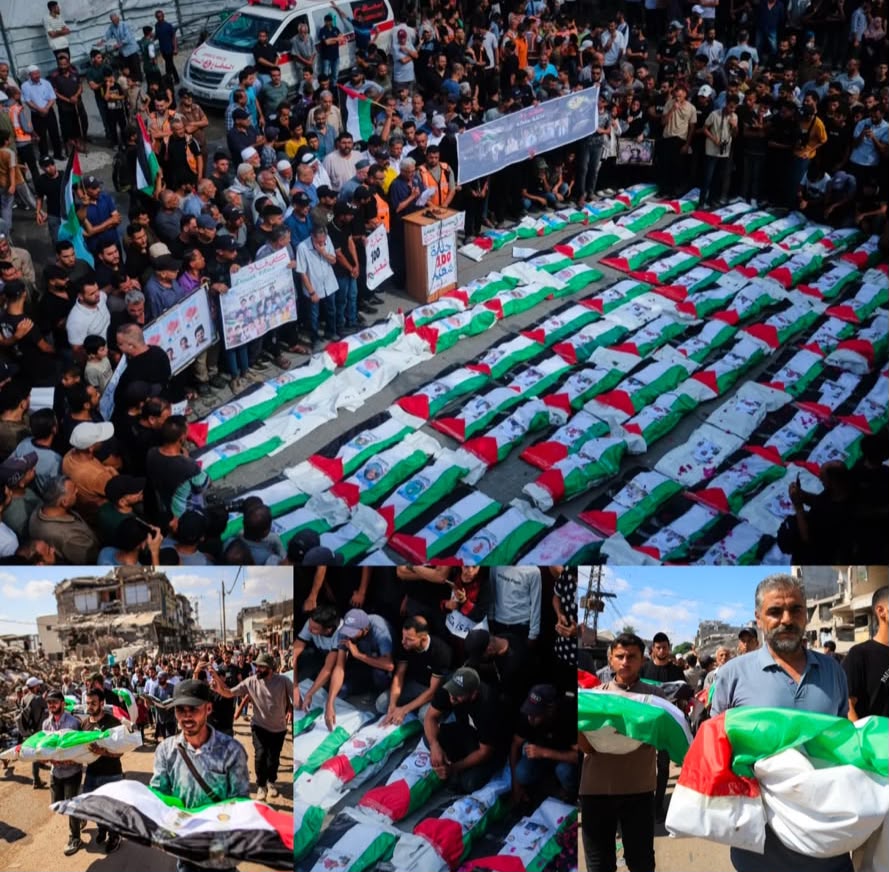
Gaza Buries 100 After Their Remains Are Recovered From the Rubble
The remains, including those of about 60 children, were recovered from destroyed buildings in Gaza City’s Zeitoun neighbourhood after spending years beneath the rubble.
By Abdullahi Yusuf
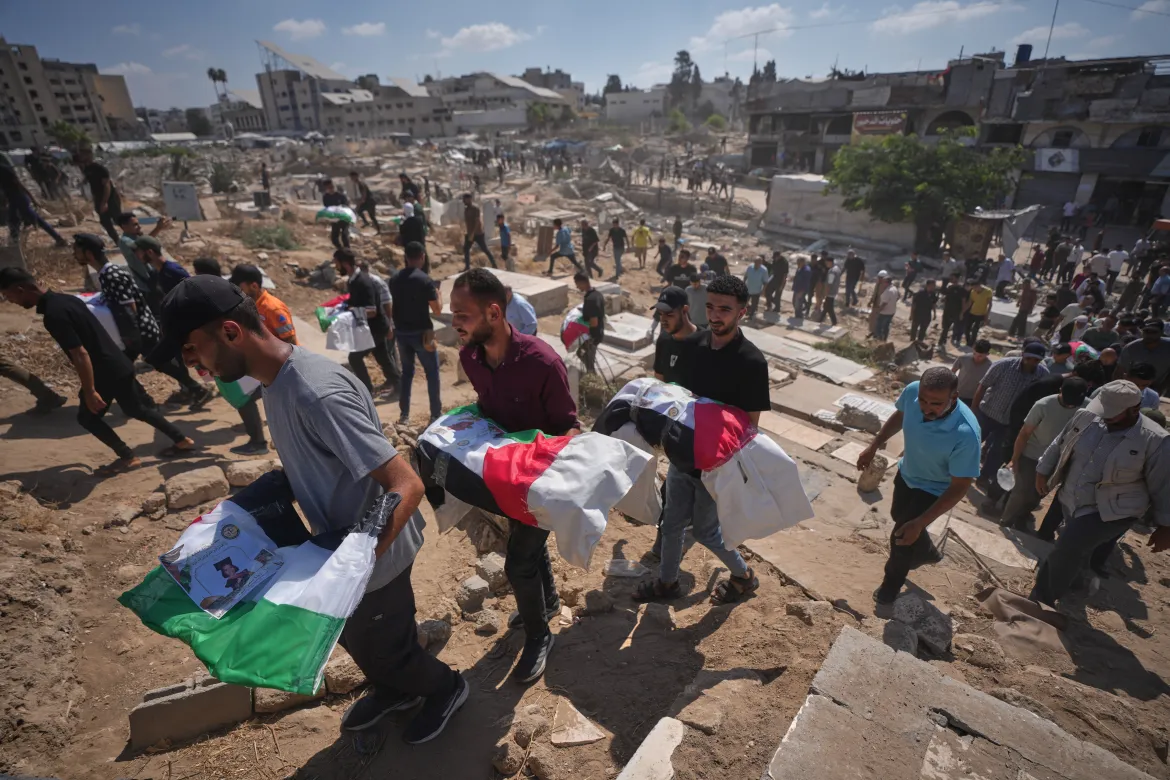
Palestinians in Gaza City have begun burying the remains of about 100 people, including about 60 children, recovered from the rubble of buildings destroyed during Israel’s war on Gaza.
The remains were recovered from the Zeitoun neighbourhood after civil defence crews and relatives spent weeks searching through the ruins of homes destroyed during the conflict.
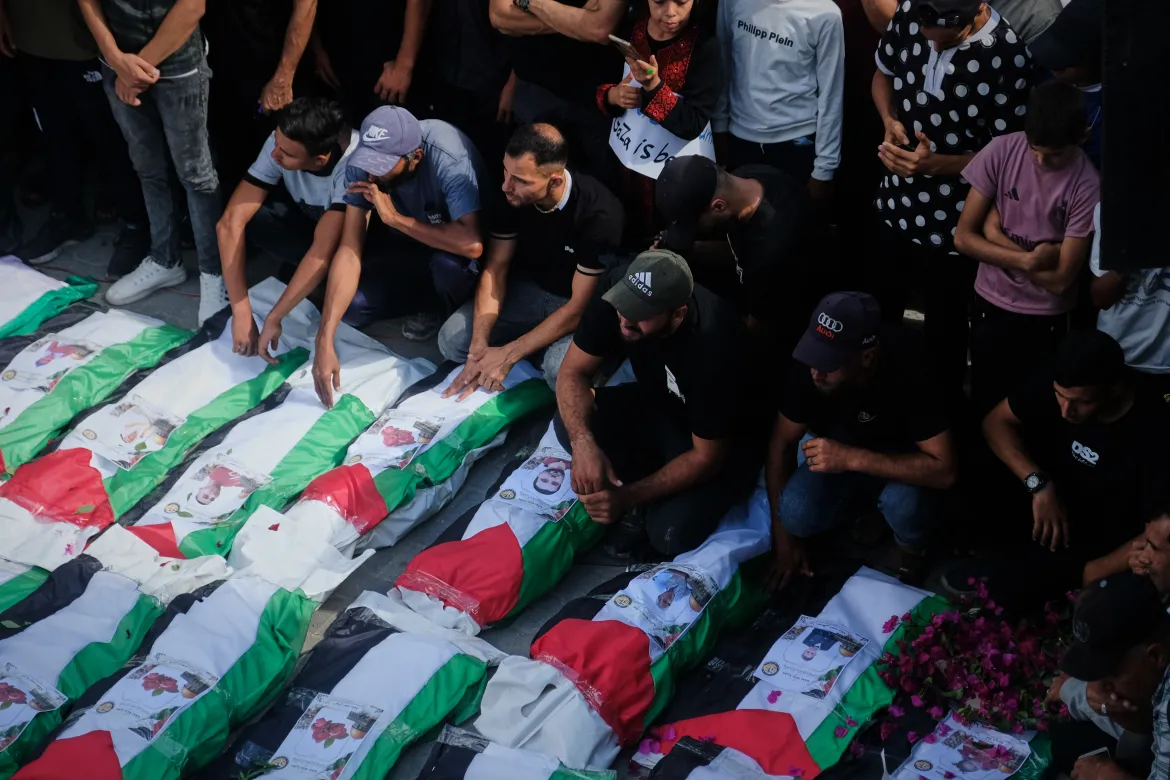
On Sunday, relatives carried the remains from Zeitoun to the al-Ma’madani cemetery in central Gaza City, where funeral ceremonies were held, according to Al Jazeera correspondent Ghazi al-Aloul, who was reporting from the scene.
Many of those recovered belonged to the extended Malaka family, which lost 55 members.
The recovery has allowed families to bury relatives whose remains had remained beneath the ruins since the early months of the war. Al-Aloul said families had waited for the opportunity to place their loved ones in “known, proper cemeteries”, adding that such a chance had not been available to everyone because cemeteries across Gaza had also been damaged or destroyed during the fighting.
But the recovery did not necessarily mean that complete bodies were found.
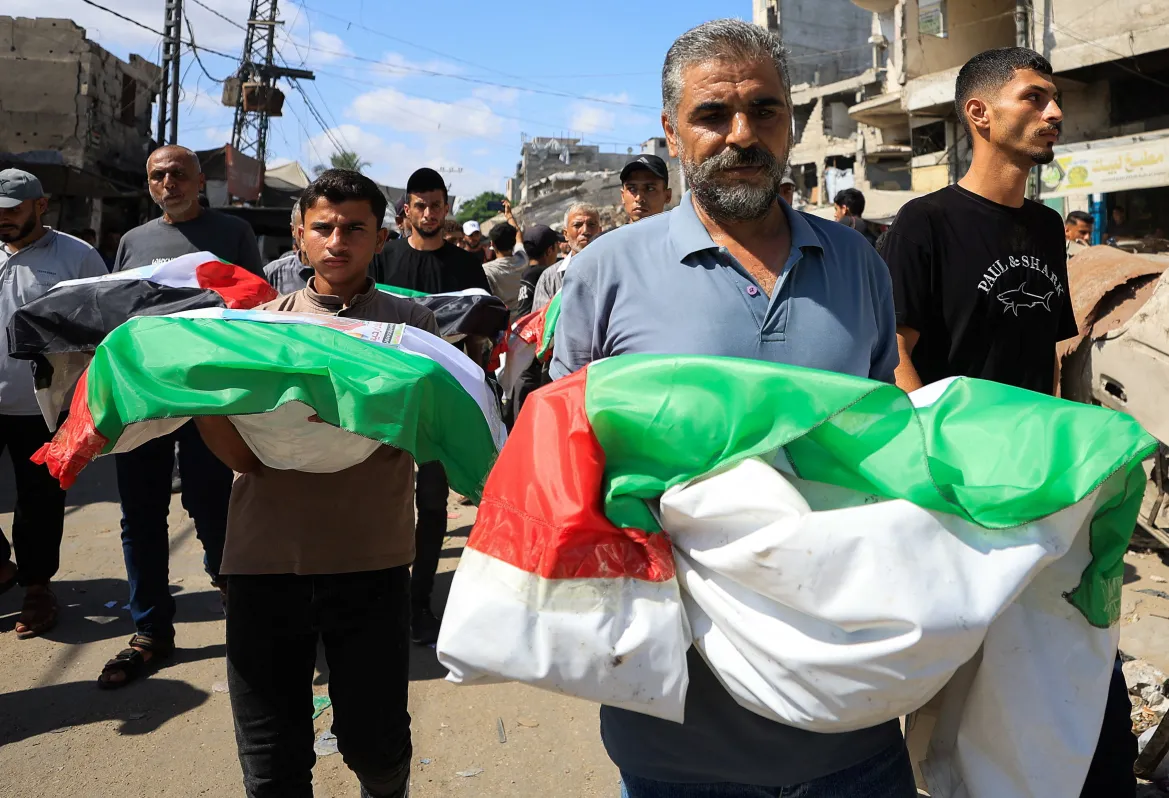
According to Al-Aloul, many of the remains were fragments of bones accompanied by personal belongings that could help families identify the victims, particularly children.
“These are bone remains and remnants of belongings that may have been found on the bodies, especially the children’s,” he said.
The operation has exposed the scale of the challenge facing Gaza’s civil defence teams, who say thousands more people are believed to remain beneath collapsed buildings across the territory.
Raed al-Dahshan, head of Gaza’s civil defence service, said his teams had prepared plans to recover thousands of missing bodies but lacked the heavy machinery and protective equipment required to carry out the work safely.
“We don’t have equipment, we don’t have protective equipment,” he told Al Jazeera.
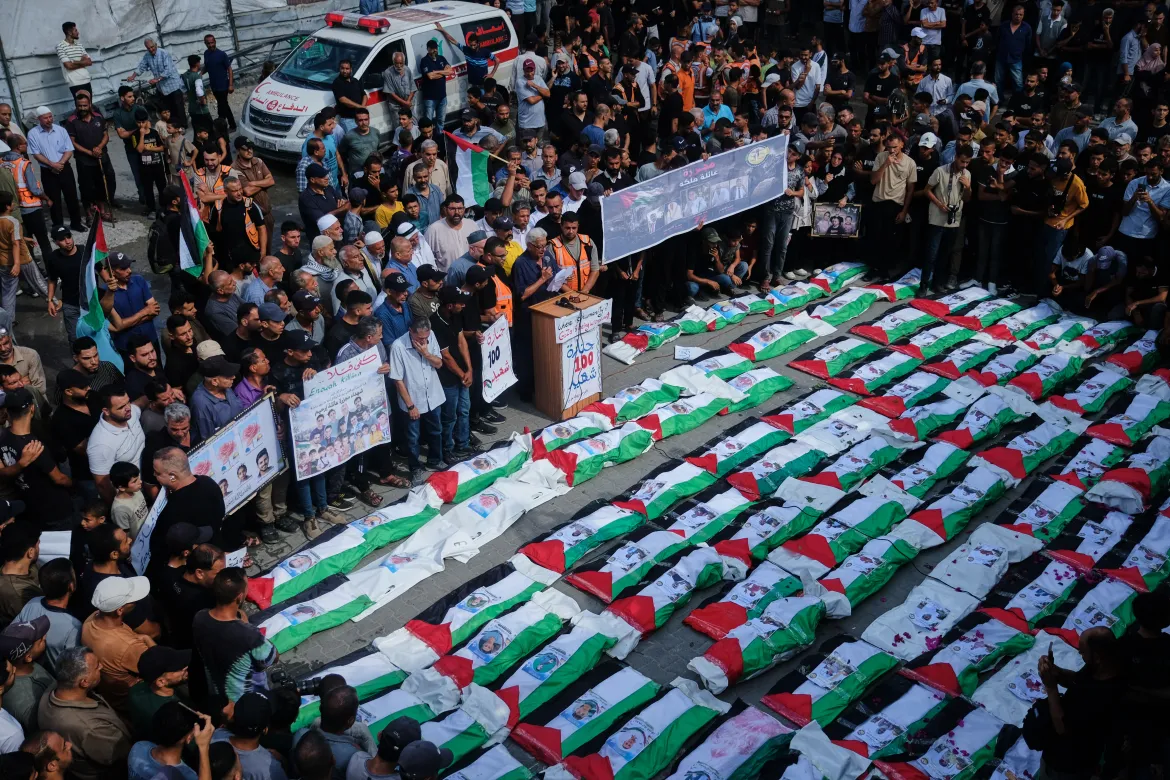
Dahshan estimated that about 8,000 bodies could still be trapped beneath the rubble. With adequate equipment, he said, recovery operations could be completed in roughly 90 days, but warned that without access to the machinery, the process could continue for years.
He said the civil defence service had submitted a detailed list of equipment required to international organisations and was prepared to have the machinery placed under international supervision rather than retain direct control of it.
The equipment requested includes large excavators, protective gear for rescue workers and specialised search equipment.
Identifying the dead presents another challenge.
Dahshan said civil defence workers depend on surviving relatives and neighbours to determine who lived in a destroyed building and where they were when it was struck. Engineers then help sort, document and record the remains recovered from the rubble.
He said numerous destroyed homes still required excavation.
Ajith Sunghay, head of the United Nations human rights office in the occupied Palestinian territories, said the recovery operations were a reminder of the scale of destruction caused by the conflict.
He said some of the remains recovered dated back to November 2023 and warned that thousands of people were still believed to be beneath the rubble.
“Thousands of people are still languishing under this rubble,” Sunghay told Al Jazeera.
He also pointed to the difficulty of reaching areas where access remains restricted, saying that large parts of Gaza were under Israeli military control.
Sunghay said preserving evidence recovered from the sites was essential and that accountability would ultimately be necessary.
Gaza’s Health Ministry says at least 73,651 Palestinians have been killed and 174,592 wounded since the war began in October 2023. The figures, issued by the ministry in Gaza, are not independently verifiable.
The recovery in Zeitoun is part of a wider effort to locate and identify people who remain buried beneath Gaza’s destroyed buildings.
In recent weeks, officials and activists have also reported the recovery of more than 100 bodies belonging to members of the Abu Shariah and Hassaniya families, who were killed in a single strike, while more than 500 bodies were reportedly recovered from the site of the Al-Taj tower.
But for Gaza’s civil defence teams, the burial in Zeitoun is only one part of a far larger task: thousands more people are still believed to be beneath the rubble.
SPONSORED

SPONSORED

SONSORED
