
Iran’s New Hormuz Doctrine Changes the Rules of the Game
Iran says any future attack on its territory could trigger closure of the world’s most important oil shipping route, escalating fears of a wider regional crisis
By Abdullahi Yusuf
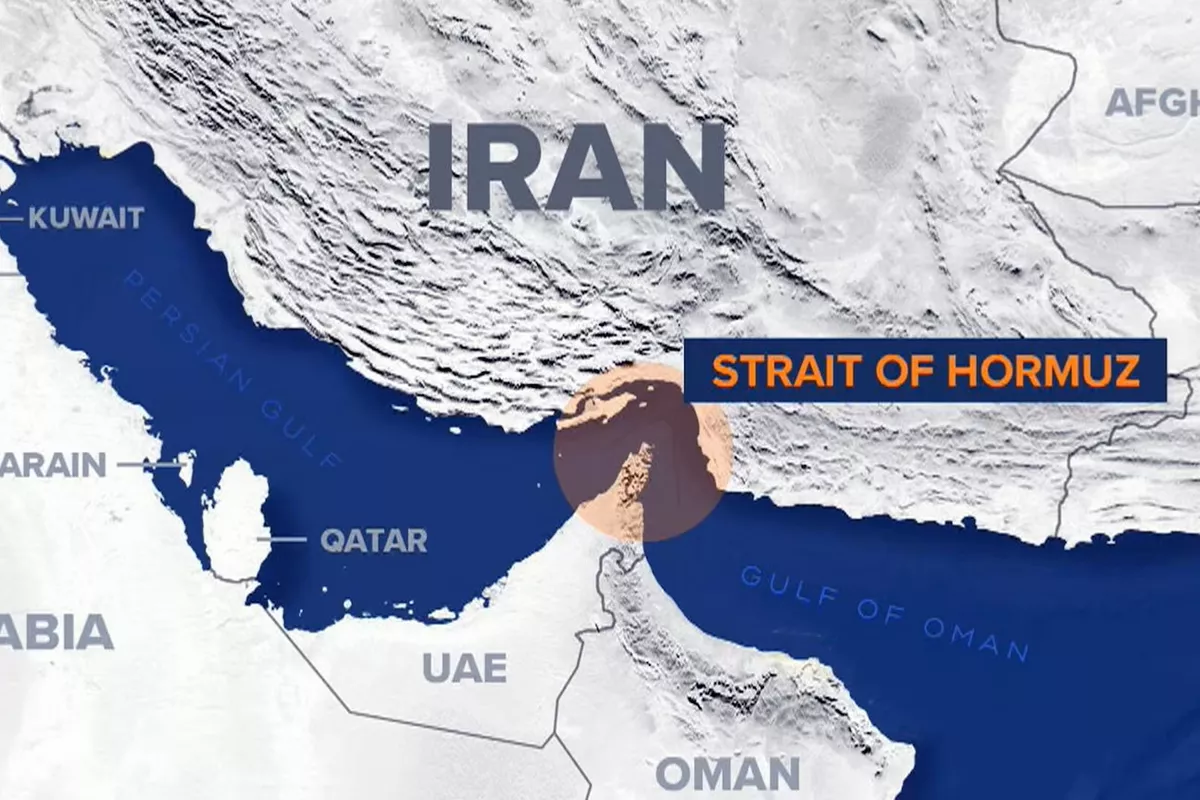
The narrow stretch of water separating Iran from the Arabian Peninsula has once again become the centre of a dangerous confrontation between Tehran and Washington.
For decades, the Strait of Hormuz has been one of Iran’s most powerful strategic tools, a maritime chokepoint through which about one-fifth of the world’s traded oil passes every day.
But after a fresh escalation between Iran and the United States, Tehran says the role of the strait has changed.
Iranian officials and security sources say the waterway should no longer be viewed simply as a threat held in reserve, but as part of a broader retaliation strategy that could be activated if Iranian territory or interests are attacked.
The warning has intensified concerns over global energy supplies and raised the possibility that any future military confrontation could quickly move beyond Iran’s borders.
The latest crisis follows the collapse of a fragile ceasefire arrangement between Iran and the United States.
Iran says American strikes on its southern regions violated the terms of an understanding reached between the two sides, while Washington has defended its military action as necessary to protect its interests and deter further attacks.
The US Central Command confirmed it had carried out strikes against Iranian targets, saying the operations were aimed at reducing Tehran’s military capabilities.
Iran responded by announcing missile and drone strikes against US military facilities in Bahrain and Kuwait.
The Islamic Revolutionary Guard Corps (IRGC) said it had targeted dozens of American positions, including facilities linked to the US Fifth Fleet.
Iranian officials described the response as a warning that future attacks would bring a much larger reaction.
According to a security source cited by Press TV, Tehran has now adopted what it describes as a new military doctrine: any future attack on Iran would trigger two immediate responses — the closure of the Strait of Hormuz and retaliation against enemy targets at a ratio of two for every Iranian target hit.
The claim has not been independently verified.
But the message from Tehran is clear: Iranian leaders want to remove what they see as the previous pattern of limited strikes followed by limited retaliation.
Why the Strait matters
The Strait of Hormuz is one of the most strategically important waterways in the world.
At its narrowest point, the channel is only about 40 kilometres wide, yet it carries vast quantities of crude oil and liquefied natural gas from major producers in the Gulf.
Any prolonged disruption would have immediate consequences for global energy markets, affecting fuel prices and economies far beyond the Middle East.
That is precisely why the possibility of Iran restricting access to the waterway has always been treated with international concern.
For years, Tehran has repeatedly suggested it could close the strait in response to military pressure, but such warnings were often viewed by analysts as a form of deterrence rather than a policy Iran intended to carry out.
The latest statements suggest a more aggressive interpretation of that threat.
Iran’s military strategy has long relied on asymmetric capabilities rather than attempting to match the United States ship-for-ship or aircraft-for-aircraft.
The geography of the Gulf gives Tehran potential advantages.
The confined waters of the Strait of Hormuz limit the freedom of movement of large naval vessels and create conditions where smaller, faster vessels, coastal missiles and other systems can play a significant role.
Iran has invested heavily in these capabilities, particularly through the IRGC Navy.
Military analysts have long noted that while the US possesses overwhelming technological superiority, operating in the narrow waters of the Gulf presents different challenges from open-ocean warfare.
A confrontation in the strait would therefore create risks not only for Iran and the United States, but for every country dependent on energy exports passing through the waterway.
US President Donald Trump has responded to Tehran’s warnings with a series of threats, saying Washington could take further military action if Iran continues what he described as hostile behaviour.
Speaking during a visit to Turkey, Mr Trump warned that the United States could strike Iran again and raised the possibility of renewed pressure on Iranian economic and military assets.
Iran has dismissed those threats, saying Washington would face serious consequences if it attempted further attacks.
Iranian officials argue that the United States must now recognise what they describe as a new reality: military action against Iran could carry consequences far beyond the battlefield.
The end of limited retaliation?
The central question now facing Washington and its allies is whether Iran’s latest warnings represent a genuine shift in military doctrine or another attempt at strategic deterrence.
For much of the past two decades, US-Iran tensions have followed a familiar pattern: limited strikes, carefully measured responses and efforts to prevent escalation into a wider war.
Iran’s latest position challenges that model.
By linking attacks on its territory directly to the possible closure of the Strait of Hormuz, Tehran is attempting to raise the cost of any future military action.
The risk for the United States is that a confrontation designed to weaken Iran could instead trigger a crisis affecting global energy supplies and international markets.
The challenge for Iran is equally significant. Closing the strait would also carry economic consequences for Tehran and could provoke a wider international response.
For now, the Strait of Hormuz remains open, and commercial shipping continues.
But the latest exchange has reinforced a long-standing reality: instability in the Gulf rarely remains confined to the region.
The waterway is not just a passage for ships. It is a pressure point where military power, energy security and global politics meet.
Whether Iran’s latest warning becomes a lasting change in strategy or a temporary escalation will depend on what happens next, and whether U.S and Iran choose confrontation or a return to diplomacy.
With additional information from Press TV
SPONSORED
SPONSORED

SPONSORED

SPONSORED

This highlights how quickly regional tensions can affect the entire world. In times of uncertainty and conflict, it’s important to pray for peace, wisdom, and the protection of innocent people. Many Muslims also find comfort in reflecting on the Quran, and Surah Yaseen remains a source of hope, patience, and trust in Allah during difficult times.