

Shekarau: Halal Art Exhibition a Contribution to Inspiring Muslim Community
The three-day exhibition brought together 11 artists from Kano, Lagos and Abuja to explore gratitude, Islamic values and cultural heritage through diverse artistic expressions.
By Abdullahi Yusuf
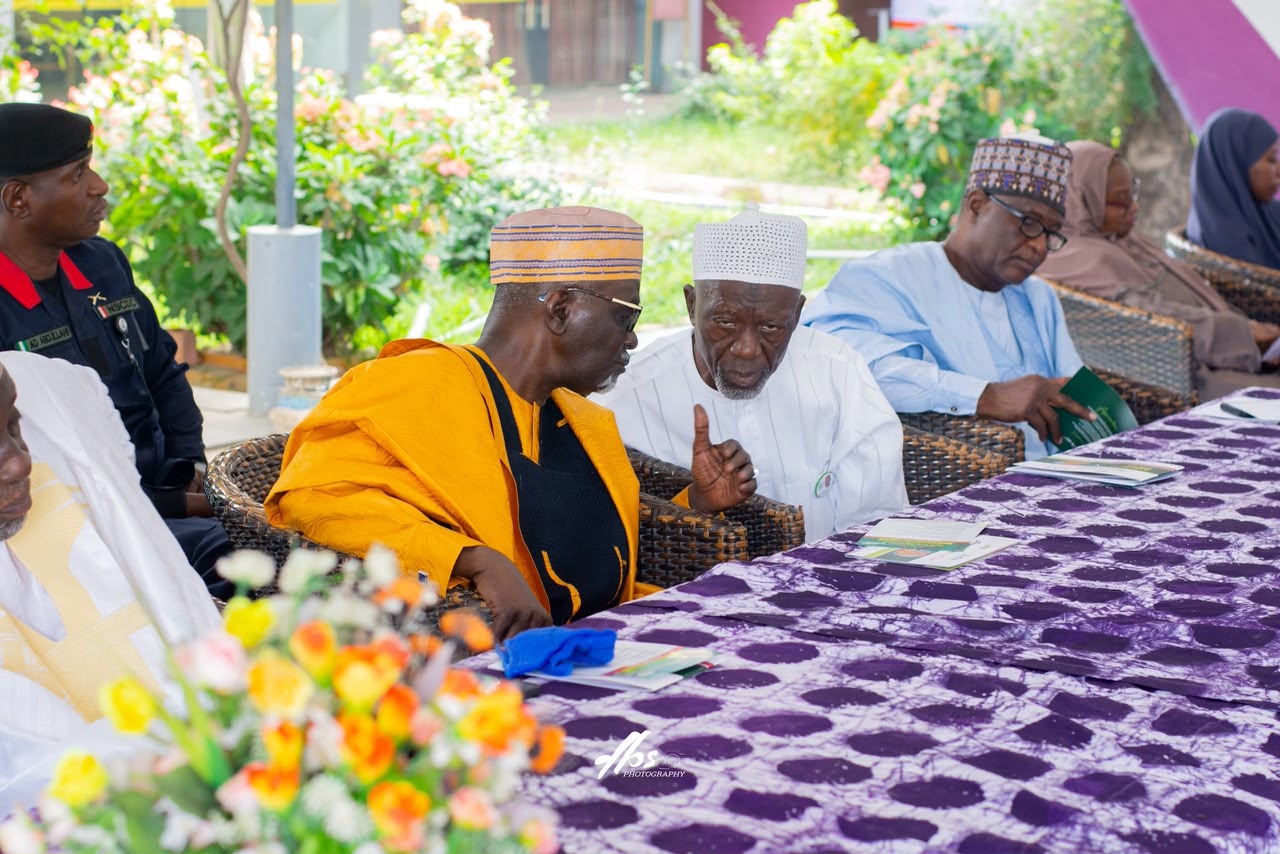
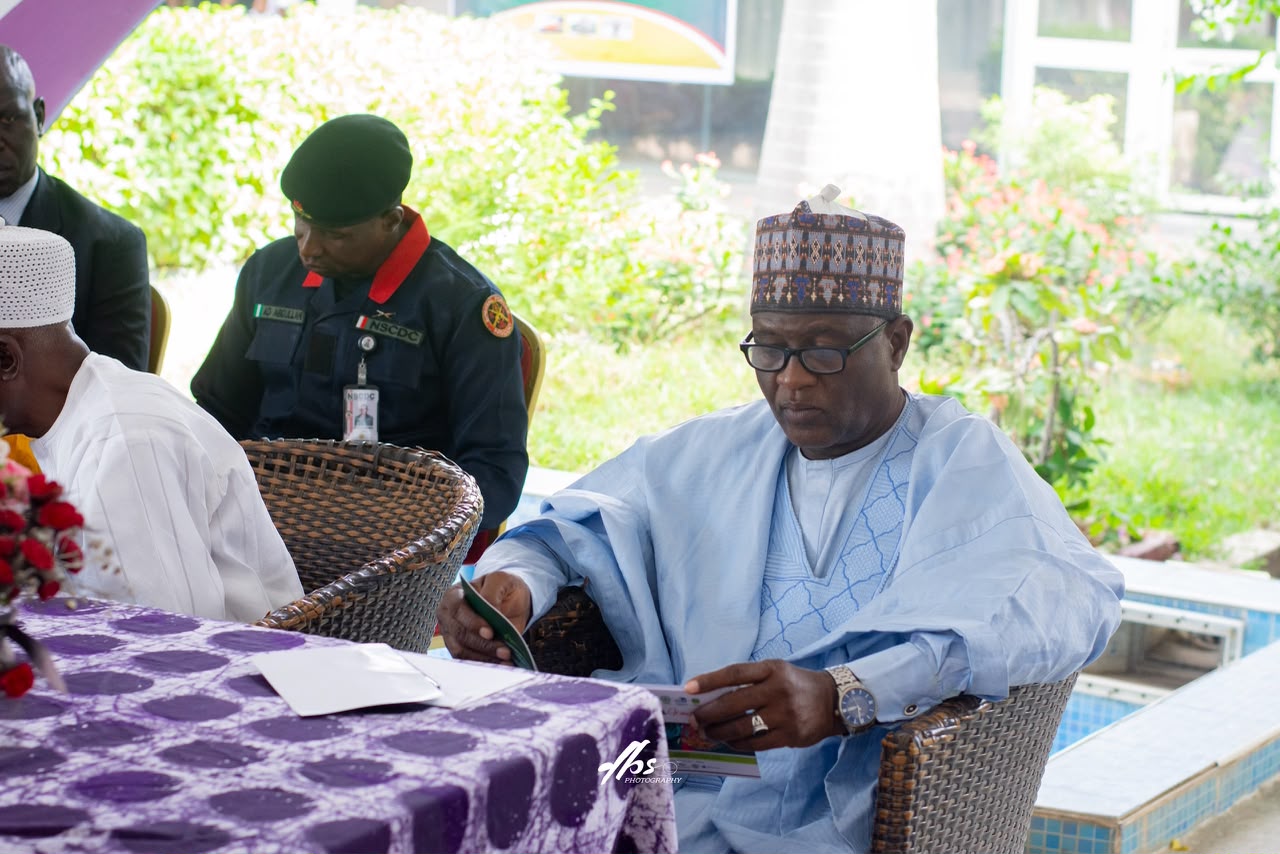
Former Kano State Governor Senator Ibrahim Shekarau has praised Halal Art Gallery’s debut exhibition in Kano, describing it as a “wonderful foresight” and a contribution to inspiring young people through artistic expression informed by Islamic values.
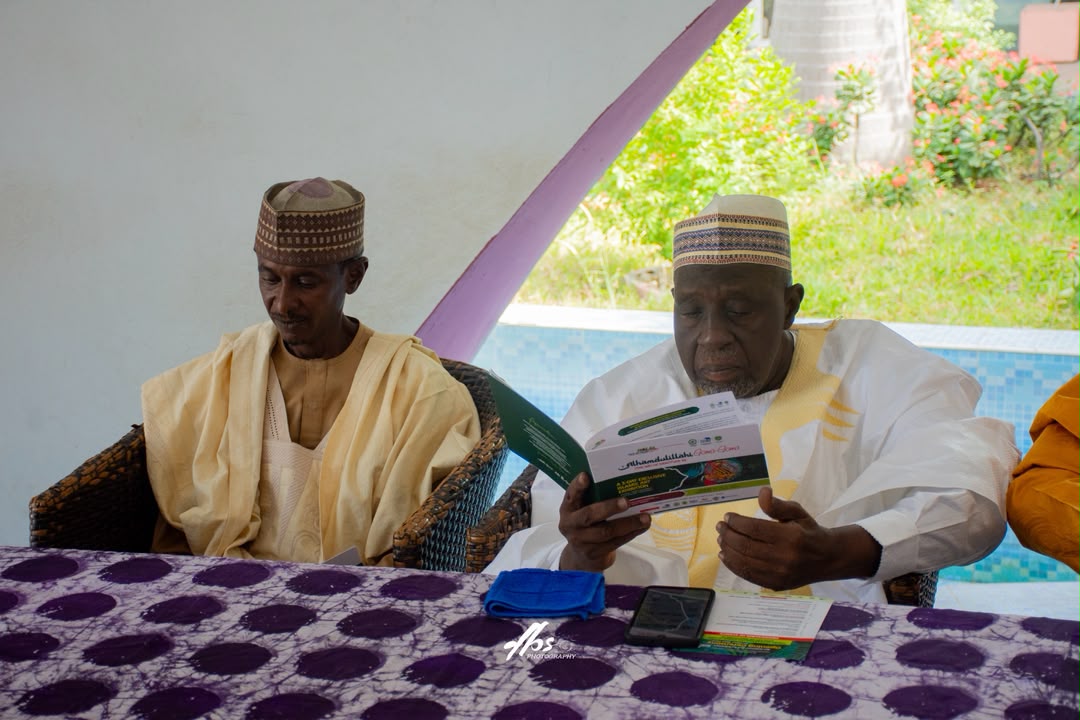
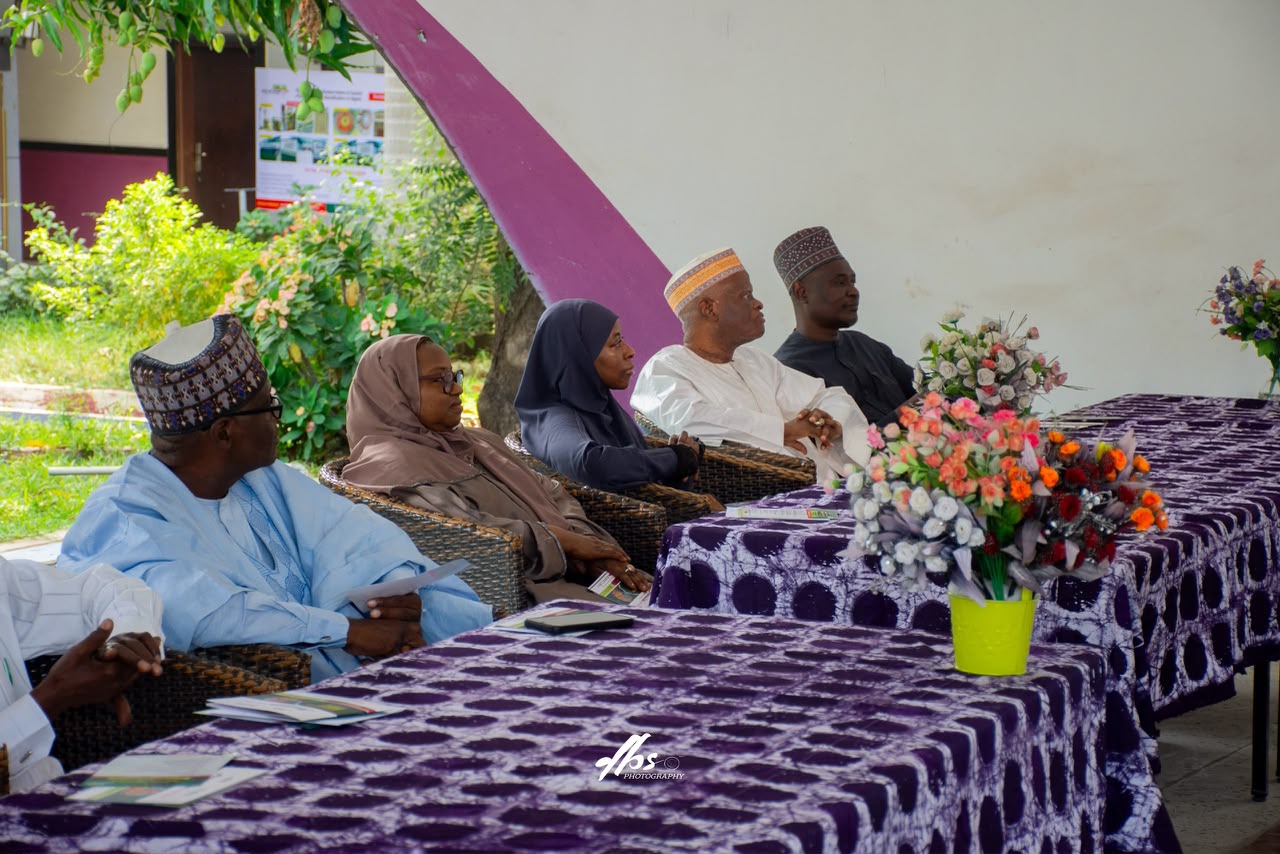
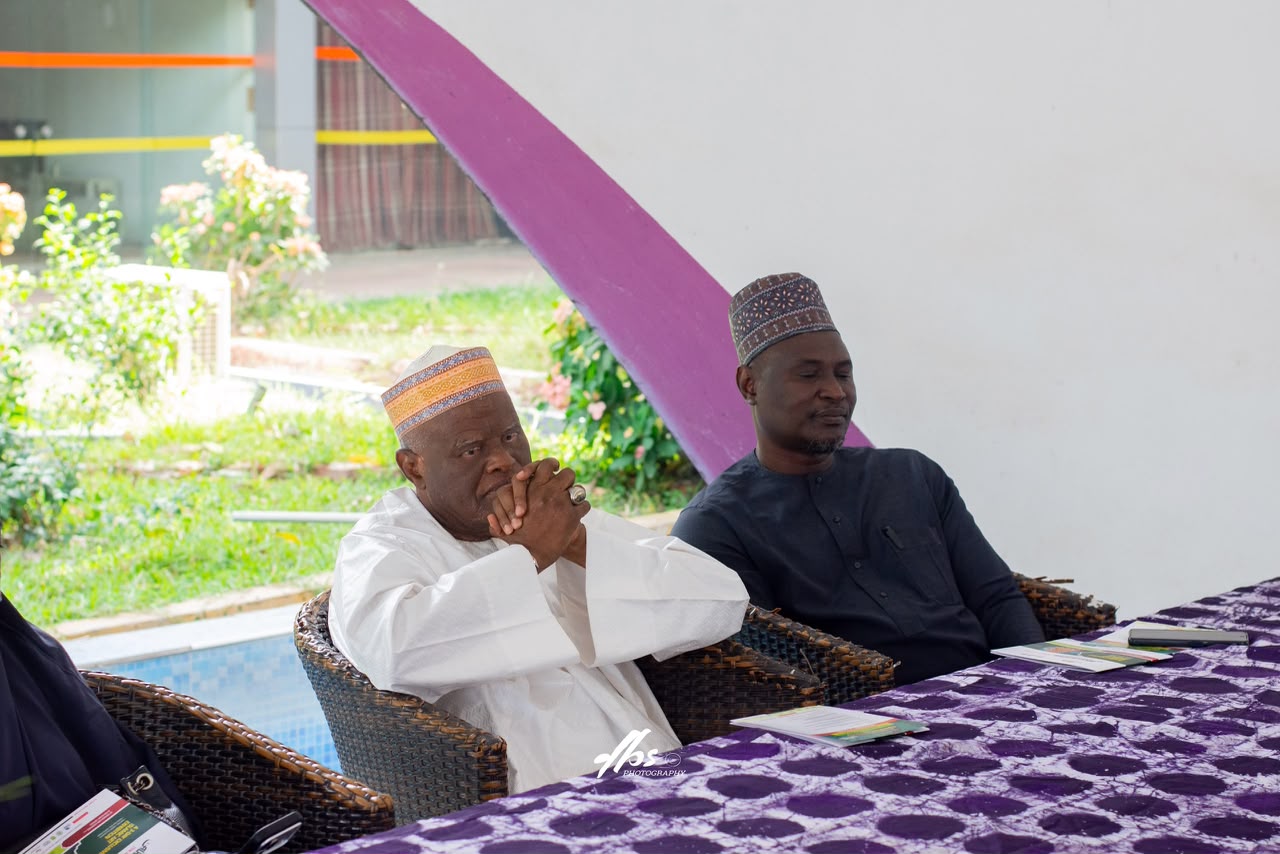
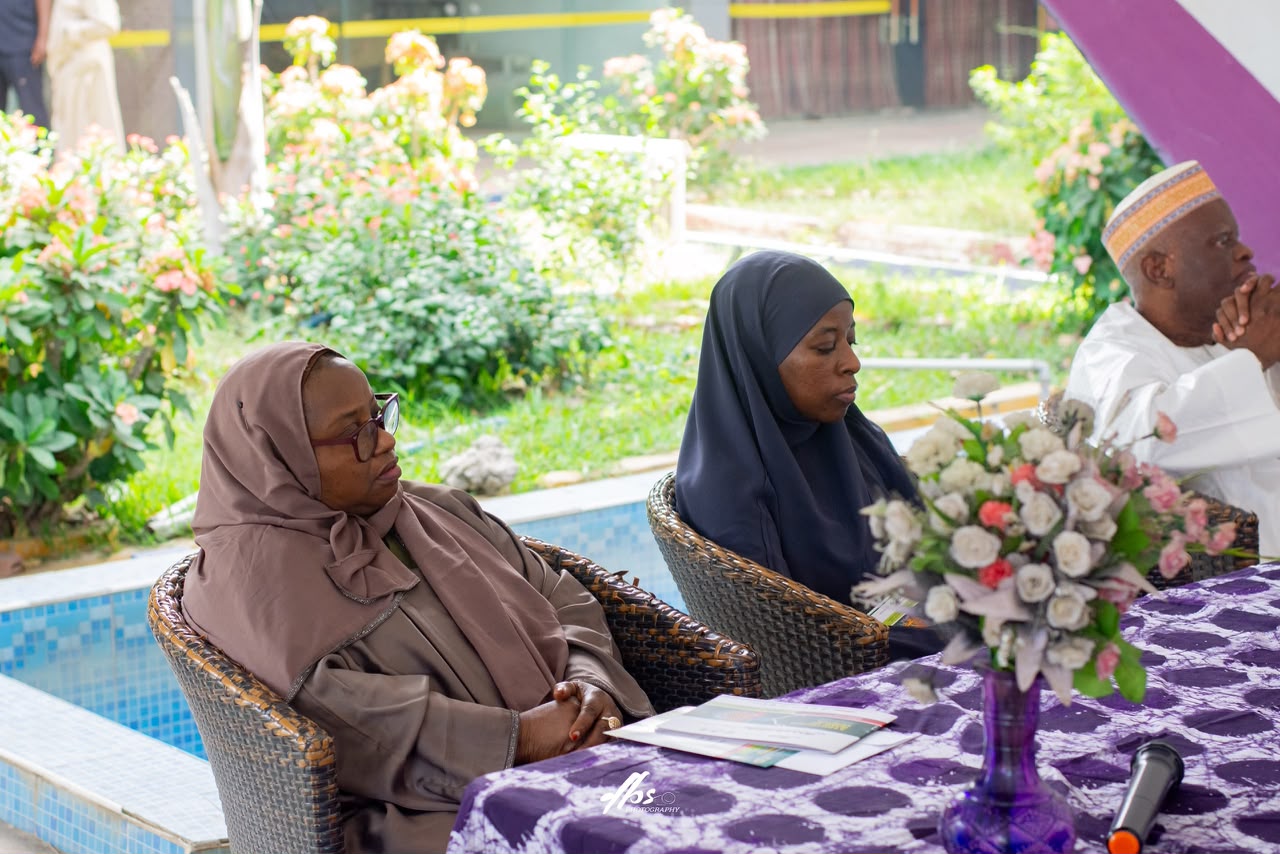
Shekarau made the remarks at the opening of Alhamdulillah Goma-Goma: The Art of Gratitude III, organised by Halal Art Gallery in collaboration with the Kano State Ministry of Culture and Tourism, the International Institute of Islamic Banking and Finance (IIIBF), Bayero University Kano, and the National Gallery of Art.
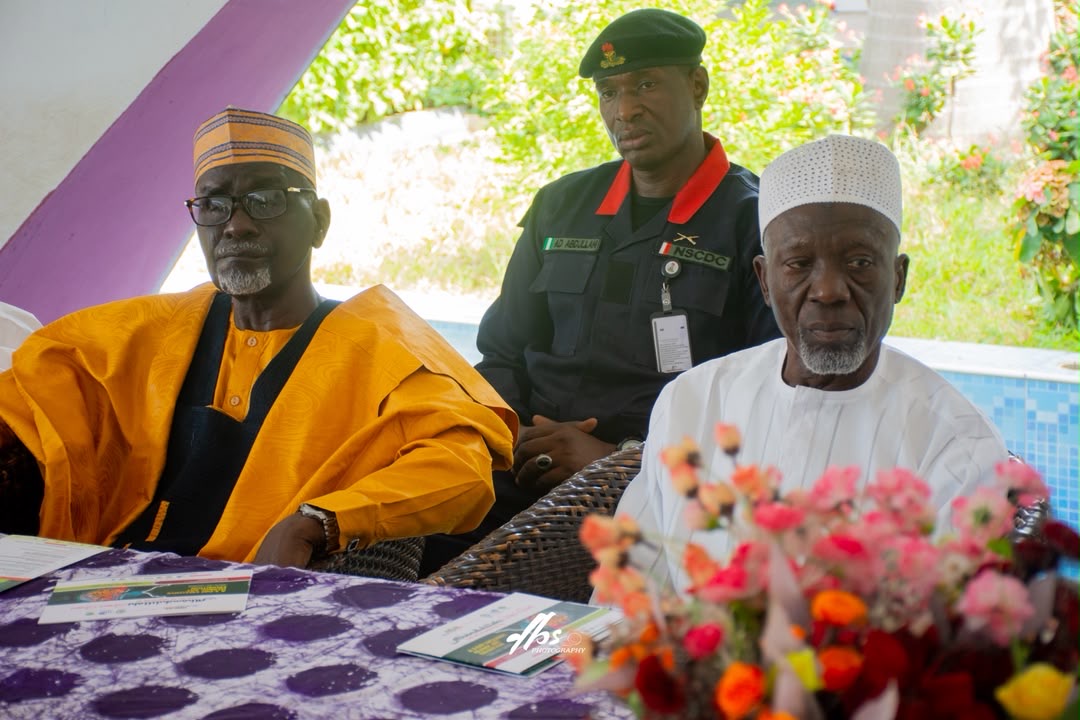
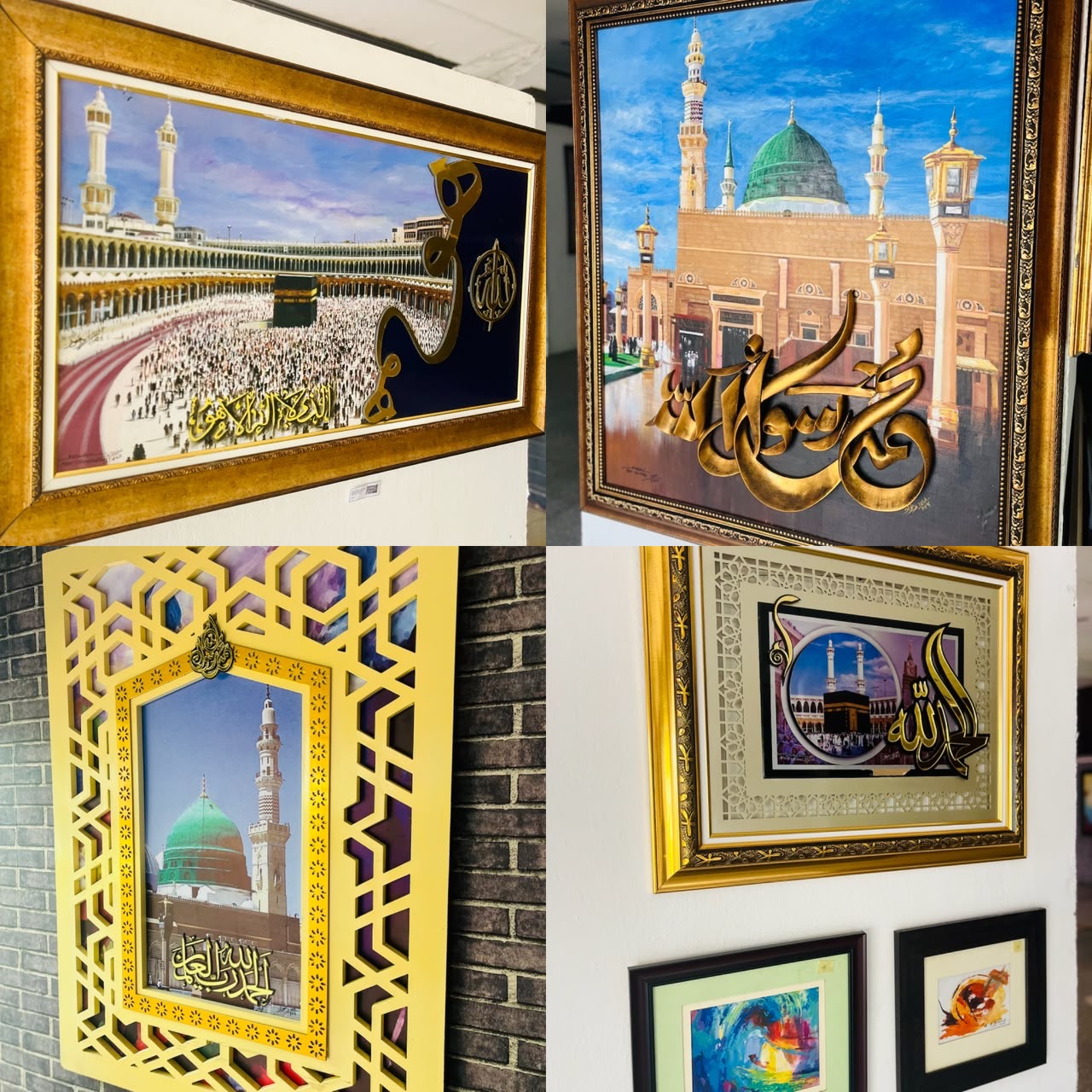
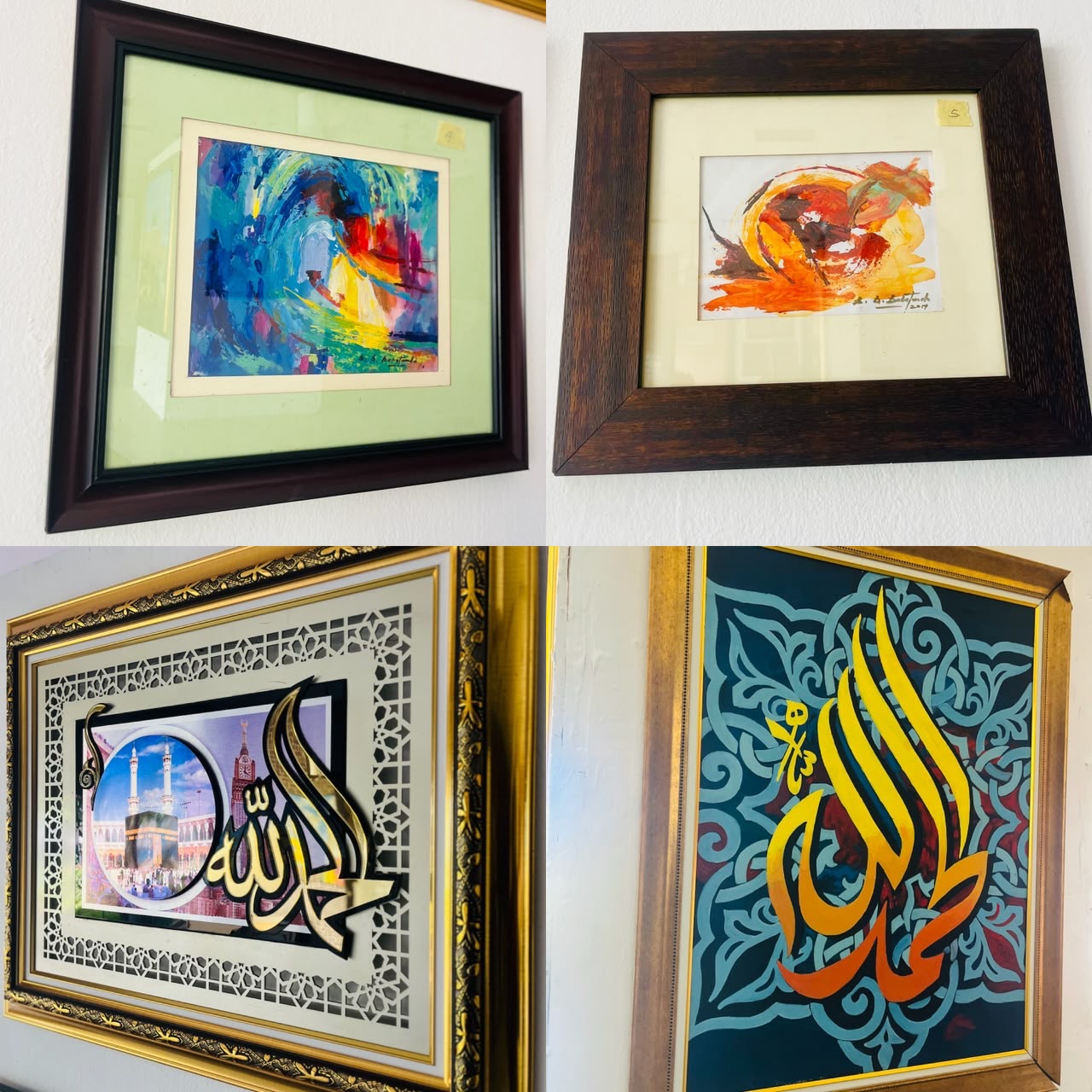
The three-day exhibition opened on Sunday, October 18, at Fatima Hall, Grand Central Hotel, Bompai Road, Kano, bringing together 11 artists from Kano, Lagos and Abuja. Their works explored faith, gratitude and cultural identity through Arabic calligraphy, painting, woodwork, leather art and mixed-media compositions.
Shekarau, who chaired the occasion, said the exhibition offered an opportunity to encourage young people, particularly Muslims, to appreciate artistic expression within an Islamic framework.
“It is indeed a very wonderful foresight and it is a contribution towards inspiring our young ones and, in particular, the Muslim community, as to what good works stands for, and in particular, some Halal displays,” he said.
The former governor also pointed to the use of the word Halal in the gallery’s name as an indication of its Islamic orientation.
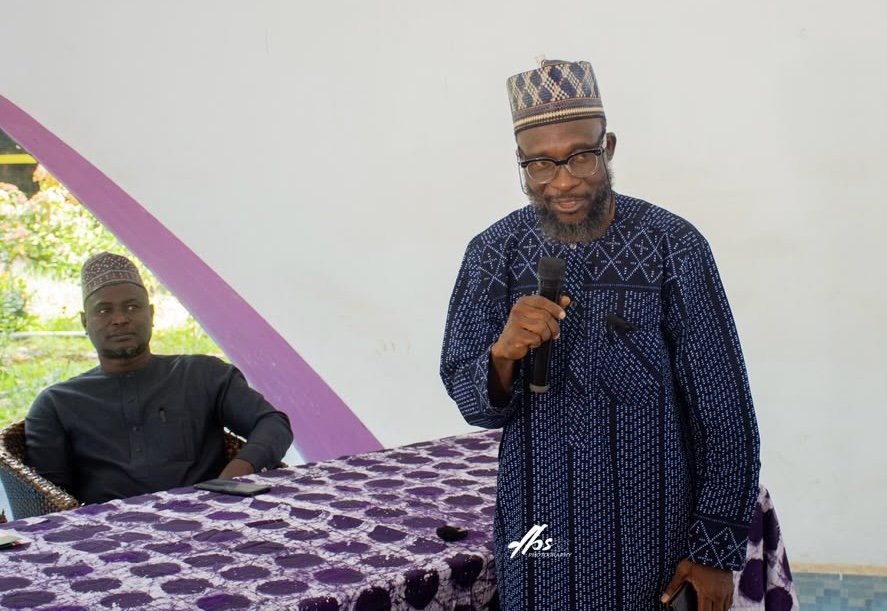
Mallam Ridwan ADK-Osinowo, founder of Halal Art Gallery, says the Kano exhibition marked the gallery’s first outing in the city following previous events in Lagos and Abuja. Speaking to AS-SALAAM (THE PEACE) Magazine, Osinowo said Kano’s large Muslim population and the Islamic focus of his work influenced his decision to bring the exhibition to the city.
He said the exhibition sought to communicate the beauty of Islam through art, with gratitude to Allah at the centre of this year’s theme. Explaining the theme, Osinowo said the exhibition was intended to encourage people to reflect on the meaning of Alhamdulillah rather than treat it merely as an expression repeated without deeper appreciation.
He also described gratitude as a shared expression across religious and cultural boundaries. The artist works with wood, oil on canvas, acrylic, glass and Perspex, alongside Arabic calligraphy. The gallery’s displays also include landscapes, seascapes, forests, geometric patterns and other non-figurative compositions. Osinowo said artworks displayed in homes could serve as visual reminders of faith and encourage reflection amid the distractions of daily life.
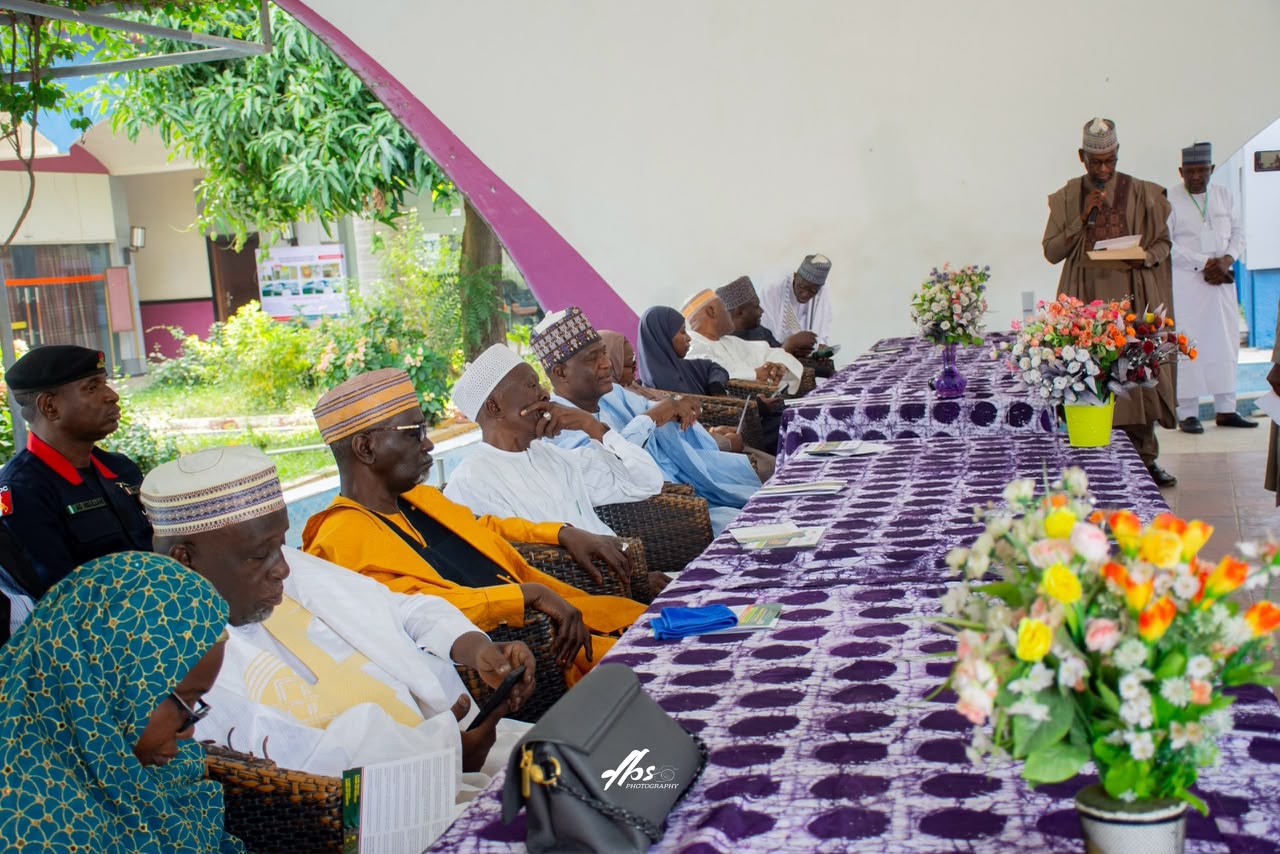
Representing the Kano State Commissioner for Culture and Tourism, Hajiya Aisha Lawan Saji, the ministry’s Director of Administration and General Services, Mallam Auwal Abubakar, said the exhibition demonstrated the potential of art and cultural heritage to promote social harmony, creativity and economic development.
Abubakar said Kano’s history of Islamic scholarship, traditional craftsmanship and cultural exchange made it a fitting location for the exhibition. He called on investors, collectors and private-sector stakeholders to explore opportunities in Islamic art, including art production, exhibitions, galleries and cultural tourism.
Speaking in an interview, he said Islamic art had the potential to reach audiences across national and cultural boundaries. Abubakar added that the participation of artists from different parts of Nigeria demonstrated the depth of creative talent available for collaboration and wider public engagement.
The International Institute of Islamic Banking and Finance at Bayero University Kano also highlighted the relationship between gratitude, artistic expression and Islamic economic principles.
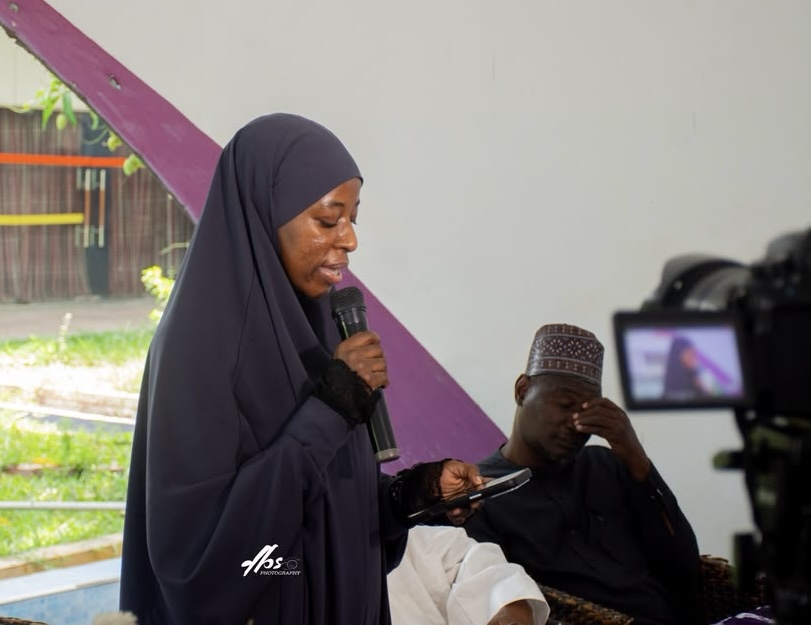
Representing the institute’s director, Professor Muhammad Usman Shu’aib, Dr Farida Mohammed Shehu delivered a message connecting the exhibition’s theme to the ethical foundations of Islamic economics.
In the message, Shu’aib identified trust, justice, balance and gratitude as important principles of Islamic economic thought, noting that artistic creativity could provide another means of expressing thankfulness to Allah.
He cited Qur’an 14:7, which states that Allah promises to increase His favours to those who are grateful, and highlighted the exhibition’s combination of Islamic devotion and Hausa cultural heritage. The message also acknowledged Kano’s traditions of scholarship, craftsmanship, commerce and artistic expression.
Among the participating artists, Dr Umah Umar Muhammad, an artist from Nasarawa Local Government Area of Kano State, called for a broader understanding of artistic expression in Northern Nigeria and greater support for creative talent.
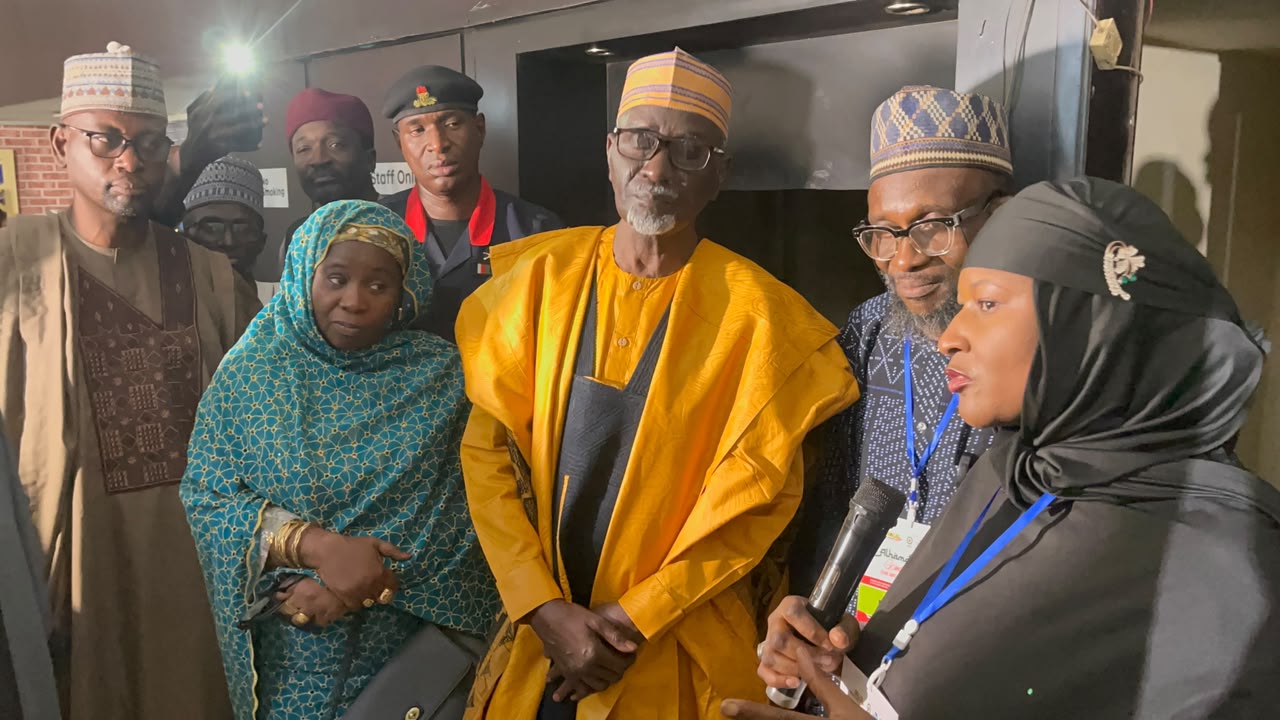
Muhammad, who said she holds a master’s degree and a PhD in painting after further studies in Norway, focuses on Northern Nigerian architecture and the documentation of cultural heritage. She said misconceptions about the permissibility of art in Islam had contributed to negative perceptions of artistic practice in parts of the region.
She also argued the perception that Islamic art should be limited to inscriptions of sacred texts, urging that artistic expression could take different forms while remaining attentive to Islamic principles. Muhammad said her interest in Northern architecture was driven by a desire to document the region’s heritage and bring its cultural richness to wider audiences.
Kano-based artist Mallam Bashir Faruk presented an approach to leatherwork that combines a traditional craft inherited through his family with Arabic calligraphy.

Faruk said he had sought to develop the family craft by incorporating calligraphic designs into leather and producing handmade leather frames. He called for continued support for exhibitions and other platforms that connect artists with audiences and create opportunities for their work to gain wider recognition.
Alongside ADK-Osinowo, the participating artists were Mallam Abdulfatah Adeyemi, Mallam Abdulhakeem Muritador, Mallam Babatunde Bashir, known as BB, Mallam Yakub Luqman, Mallam Zakiyya Adam, Mallam Bashir Faruk, Hajiya Umma Umar Muhammed, Hajiya Hadiza Babayo, Hajiya Halima Abubakar and Mallam Ahmad Adnan.
The exhibition ran from October 18 to 20, providing a platform for artists from different backgrounds to present their work and engage audiences on gratitude, Islamic artistic expression and cultural heritage.
More photos:



PEACE Magazine in Kano
SPONSORED

SPONSORED

SONSORED
