
Hajj 2027: Saudi Makes Medical Clearance a Condition for Pilgrims’ Visas
Prospective pilgrims must demonstrate that they are medically fit to perform the physically demanding pilgrimage before they can obtain a Hajj visa, under new requirements being implemented for the 1448H season.
By Abdullahi Yusuf
For millions of Muslims preparing for Hajj 2027, the journey to Makkah will begin with a medical assessment at home.
Saudi Arabia has made medical fitness a mandatory requirement for prospective pilgrims seeking to perform Hajj in 1448H, with health clearance becoming a prerequisite for the issuance of Hajj visas.
The Ministry of Hajj and Umrah has directed Hajj affairs offices to ensure compliance with the new health requirements, which are intended to establish that pilgrims are medically fit, free from disqualifying health conditions and physically capable of performing the rituals independently.
The requirement adds a new layer to the preparations pilgrims must complete before travelling to Saudi Arabia. Rather than health screening being treated solely as a precaution after arrival, medical fitness is now tied directly to the visa process.
For pilgrims outside Saudi Arabia, the assessment is to be carried out through the procedures established by their respective Hajj authorities and medical providers. The resulting health-clearance information is integrated into the Saudi Hajj administration system, with Nusuk Masar serving as the digital platform through which Hajj-related procedures are processed. Saudi Arabia has been expanding the platform as the central digital infrastructure for pre-arrival Hajj arrangements, including pilgrim data and visa processing.
The policy reflects the physical demands of the pilgrimage.
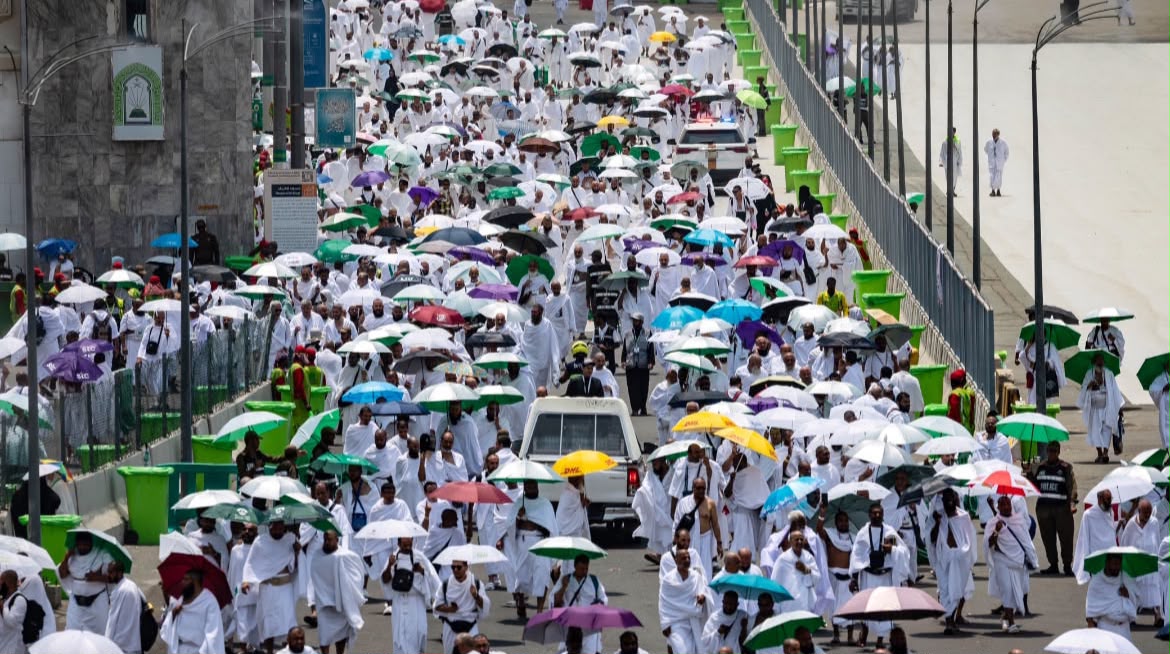
Hajj involves prolonged walking, exposure to heat and large crowds, while pilgrims may also have to cope with the strain of travel, changes in routine and demanding rites carried out over several days. Saudi health guidance has repeatedly stressed the importance of physical preparation and medical assessment, particularly for elderly pilgrims and people living with chronic illnesses.
The requirements are separate from vaccination rules.
Pilgrims must continue to comply with the vaccinations required by Saudi health authorities. Among the established requirements is vaccination against meningococcal disease, with Saudi health guidance also setting additional vaccination requirements or recommendations depending on a pilgrim’s country of origin and health circumstances.
Saudi health requirements have previously identified serious conditions that can prevent a person from safely undertaking Hajj. These have included advanced organ failure, serious heart or lung disease requiring significant medical support, severe neurological or psychiatric conditions affecting cognition or mobility, dementia associated with advanced age, high-risk pregnancy, active cancer treatment involving intensive immunosuppression and infectious diseases that pose a public-health risk.
The underlying principle is that pilgrims must be capable of performing the rites safely, while avoiding situations in which severe illness could endanger the individual or create additional risks in densely populated pilgrimage sites.
That requirement also places particular emphasis on physical independence.
Saudi health guidance advises elderly pilgrims and those with chronic conditions to consult their doctors before Hajj and obtain appropriate medical documentation. It also stresses preparation for the physical strain associated with walking, heat, dehydration and crowded conditions.
For national Hajj authorities, the change means medical screening will have to be incorporated into preparations well before pilgrims reach Saudi Arabia.
Singapore’s Islamic Religious Council, for example, has already informed prospective 2027 pilgrims that applicants wishing to proceed with Hajj must undergo a medical assessment to determine whether they are fit to perform the pilgrimage safely. It says applicants must meet the medical requirements before a Hajj visa can be issued.
The timing of assessments and the administrative procedures may differ between countries, meaning prospective pilgrims will need to follow instructions issued by their own Hajj authorities rather than assume that the process will be identical everywhere.
For countries sending large numbers of pilgrims, the requirement is likely to make early medical screening an increasingly important part of Hajj planning.
Saudi Arabia’s digitalisation of the Hajj process is also becoming more pronounced. The Ministry of Hajj and Umrah said in May that its integrated Nusuk Masar system connects contracting, operational procedures, pilgrim data and visa processing within a unified digital infrastructure before pilgrims arrive in the Kingdom.
For intending pilgrims, the practical message is straightforward: securing a place for Hajj 2027 will not be solely an administrative exercise. Medical fitness will form part of the conditions that must be satisfied before the journey can proceed.
And as Saudi Arabia moves to link health clearance more closely with visa issuance, the medical examination is becoming not simply preparation for Hajj, but part of the gateway to it.
SPONSORED

SPONSORED

SONSORED
