
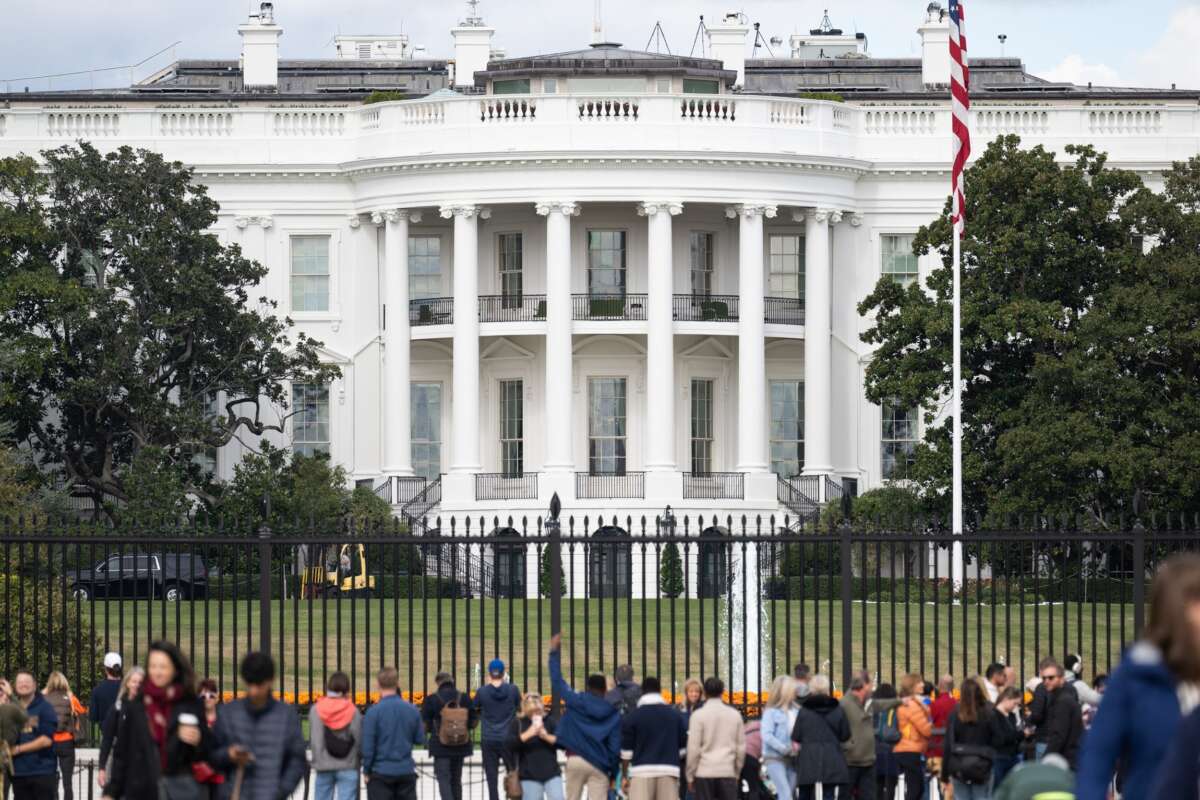
White House: US-Iran Talks Freeze as Trump Escalates ‘Economic Outcast’ Campaign
White House says no negotiations are under way as Washington tightens pressure on Tehran and keeps military options open
By Abdullahi Yusuf
The United States says it is not currently engaged in negotiations with Iran as President Donald Trump’s administration intensifies economic pressure on Tehran while keeping the possibility of further military action open.
White House Press Secretary Karoline Leavitt said on Thursday that Washington would maintain its position until Iranian officials were prepared to return to negotiations in what the administration considers a meaningful way.
“No negotiations are happening right now,” Leavitt told Fox News, adding that the situation would remain unchanged until Trump determines that Iran is ready to “come to the table in a meaningful way.”
The White House is instead pushing ahead with what it calls “Operation Economic Outcast”, a campaign launched earlier this week by the US Treasury Department to tighten sanctions and further restrict Iran’s access to international revenue.
Leavitt described the move as the next phase of Washington’s campaign against Tehran, saying the administration had previously targeted Iran’s military and was now turning greater attention to its economy.
Trump, she said, continues to keep “all options on the table”.
The escalation comes as diplomatic efforts to revive a memorandum of understanding reached between Washington and Tehran in June have stalled.
The agreement followed mediation involving regional partners, including Qatar and Pakistan, but disagreements over the Strait of Hormuz have complicated efforts to move it forward. Qatar’s Prime Minister, Sheikh Mohammed bin Abdulrahman Al Thani, travelled to Tehran this week in a renewed attempt to mediate between the two sides.
The Strait of Hormuz has emerged as one of the central points of the confrontation. The waterway is a critical route for global energy supplies, and disruption around it has contributed to wider economic concerns.
Leavitt said the United States was effectively controlling the strait and that it remained open because of the presence of US forces.
Iran, however, has disputed Washington’s characterisation of the waterway’s status, with Tehran maintaining that the strait remains closed amid the wider conflict.
The latest US pressure campaign follows a new wave of sanctions announced by Treasury Secretary Scott Bessent on Monday. Washington said the measures were designed to sever Iran’s remaining economic links and target networks involved in generating revenue for Tehran.
The administration has also warned countries and companies maintaining economic ties with Iran that they could face consequences under the expanded sanctions campaign.
The diplomatic freeze comes after months of conflict that have transformed the US-Iran confrontation from a primarily military campaign into a wider struggle involving sanctions, trade, energy supplies and control of strategic waterways.
Washington says its military campaign has significantly degraded Iran’s capabilities, while Tehran has continued to resist US demands and retain the ability to threaten regional stability.
The immediate question is whether the new economic pressure will bring Iran back to the negotiating table or deepen an already prolonged confrontation.
For now, Washington says the next move lies with Tehran, as the United States tightens the economic squeeze while keeping its broader options open.
SPONSORED

SPONSORED

SONSORED
