
US blockades Iran as Trump threatens to ‘eliminate’ vessels
Naval restrictions targeting Iranian ports mark a sharp escalation, with Tehran condemning the move as illegal and warning of global economic fallout
By Abdullahi Yusuf
US President Donald Trump has ordered a sweeping naval blockade targeting Iranian ports, warning that Iranian vessels approaching the restricted zone will be “eliminated,” in a move that has sharply intensified tensions with Tehran and drawn accusations of economic coercion and maritime aggression.
The blockade, which came into force after a breakdown in negotiations involving US and Iranian officials in Pakistan-mediated talks, covers Iran’s entire coastline, including key ports and energy infrastructure. The US Navy has positioned assets to enforce restrictions on maritime traffic linked to Iranian trade and oil exports.
Iran strongly condemned the move, describing it as an act of “maritime siege” and accusing Washington of escalating an already volatile regional conflict. Iranian officials said the blockade represents a deliberate attempt to weaponize global trade routes and destabilize energy markets under the guise of security operations.
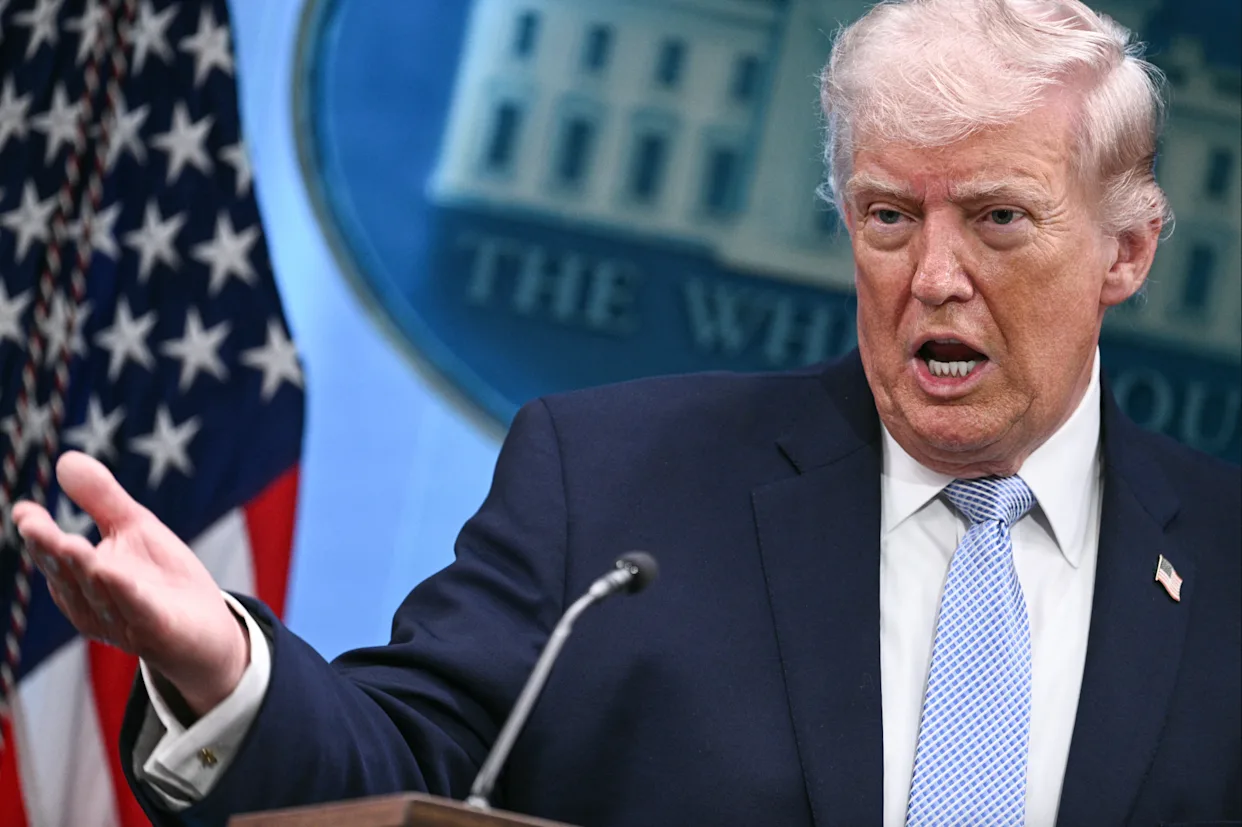
Trump escalated rhetoric further on social media, claiming Iranian naval forces had been “completely obliterated” and warning that any fast-attack vessels approaching US-enforced zones would be immediately neutralized. His remarks have been widely criticized as inflammatory and likely to deepen regional instability.
Tehran responded by rejecting the legitimacy of the blockade, calling it “illegal” and tantamount to piracy. Iranian military officials also warned that the country would defend its territorial waters and could introduce new military capabilities if hostilities expand further.
The United Kingdom Maritime Trade Operations issued guidance confirming that the US restrictions apply broadly to all vessels interacting with Iranian ports, raising concerns over potential disruption to global shipping routes and oil flows through the Strait of Hormuz.
Iranian lawmakers and officials argued that the blockade will ultimately backfire economically, warning of rising global fuel prices and supply chain shocks. Iranian parliamentary speaker Mohammad Bagher Ghalibaf said the policy would primarily harm ordinary consumers worldwide, including in the United States.
The escalation comes amid fragile ceasefire arrangements brokered in recent weeks, already under strain due to continued regional clashes involving Iran, Israel, and US-aligned forces. Analysts warn that the blockade risks unraveling diplomatic efforts and pushing the region closer to broader conflict.
Despite the hardline posture, Trump later suggested that diplomatic channels remain open, stating that intermediaries had approached Washington to resume discussions on a potential agreement. However, no concrete framework for renewed negotiations has been confirmed.
Iran, meanwhile, insists that the US and Israel’s broader regional military posture is driving instability rather than resolving it, and has vowed to continue resisting what it describes as coercive pressure on its sovereignty and economy.
SPONSORED

SPONSORED

SONSORED
