

Truth Is Bitter Series (Ep 10)
Short satirical reflections on faith, society and the uncomfortable truths we avoid. First published in the Rajab/Sha’ban 1446 AH (2025) print edition of The PEACE Magazine.
By Abdulfattah Abdussalam

The Cebex Labyrinth: A Recurring Nightmare
The recent collapse of CEBEX, yet another Ponzi trading platform in Nigeria, might have elicited pity for the victims, but truth be told, it served them right. Some Nigerians are fickle-minded and have greedy mindsets. Since the late 1980s, countless Ponzi companies have defrauded numerous Nigerians, leading to devastating financial losses, ruined livelihoods, broken homes and even untimely deaths. These fraudulent entities have fleeced billions in both local and foreign currencies from their victims before their inevitable collapse. A particularly disheartening aspect of this trend is the involvement of individuals, including Muslims, who, by their faith, are cautioned against schemes based on falsehoods and usury. These platforms are inherently fraudulent, promising bogus returns on investment that defy economic logic and the realities of legitimate business transactions. It does not take exceptional wisdom to recognise that a 50% return within a month in today’s economy is an impossible feat. Such offers are a labyrinth designed to trap unsuspecting individuals. Ponzi schemes like CEBEX will continue to exploit and mock those who fall prey to their allure. Surah al-Maidah: (5: 90).

A Wake-up call for Nigerian Education
The Joint Admissions and Matriculation Board (JAMB) recently revealed a disturbing discovery: 17,417 fraudulent admissions into some Nigerian universities. This revelation came after confessions from a syndicate involved in exploiting vulnerable Nigerians desperate to gain university admission. This exposé serves as a crucial wake-up call for both parents and the Nigerian government to address the significant challenges millions of Nigerian youth face in securing admission to universities, polytechnics, and colleges of education. A primary factor fueling this desperation is the acute shortage of admission spaces in Nigeria’s tertiary institutions. Annually, nearly one million young Nigerians seeking admission are unable to secure a spot due to limited capacity. The prevailing mindset among parents and candidates must be reoriented to reflect the realities of Nigeria’s admission landscape. Instead of resorting to desperation and illicit “under-the-counter” deals, candidates can explore other viable opportunities. Options like attending Colleges of Education or vocational training colleges before pursuing a university degree are often overlooked. Regrettably, ingrained mindsets lead many candidates and their parents to view these institutions as less prestigious or “demeaning.”
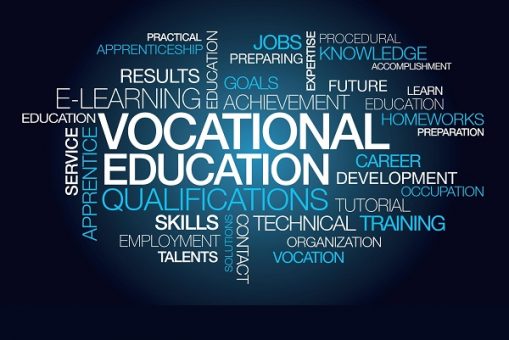
The Future: A blend of Vacational and Conventional Education in Nigeria
The economic growth of Nigeria and the well-being of its citizens are conventional education. The current reality is that millions of Nigerian graduates are unemployed, with only a fortunate few finding work after many years used seeking admission potentially wasting valuable time. The obvious solution is for parents to encourage their children to pursue vocational training while awaiting admission to higher institutions. Around us, competent artisans are becoming increasingly scarce, which points to endless future opportunities for those who combine vocational skills with conventional education. Skilled professionals like plumbers, tilers, radio and motor mechanics, and bricklayers/masons are in high demand because their numbers are dwindling. Nigerian Muslim organisations, therefore, should urgently consider integrating vocational training into their Dawah efforts. This approach can empower young people with practical skills and offer a viable path to employment, and contribute significantly to national development.
Editor’s Note: Truth Is Bitter is a weekly reflective and satirical column drawn from the “Front of the Book” pages of PEACE Magazine. It seeks to provoke introspection, not hostility; reform, not ridicule.
SPONSORED
SPONSORED

SPONSORED

SPONSORED
