
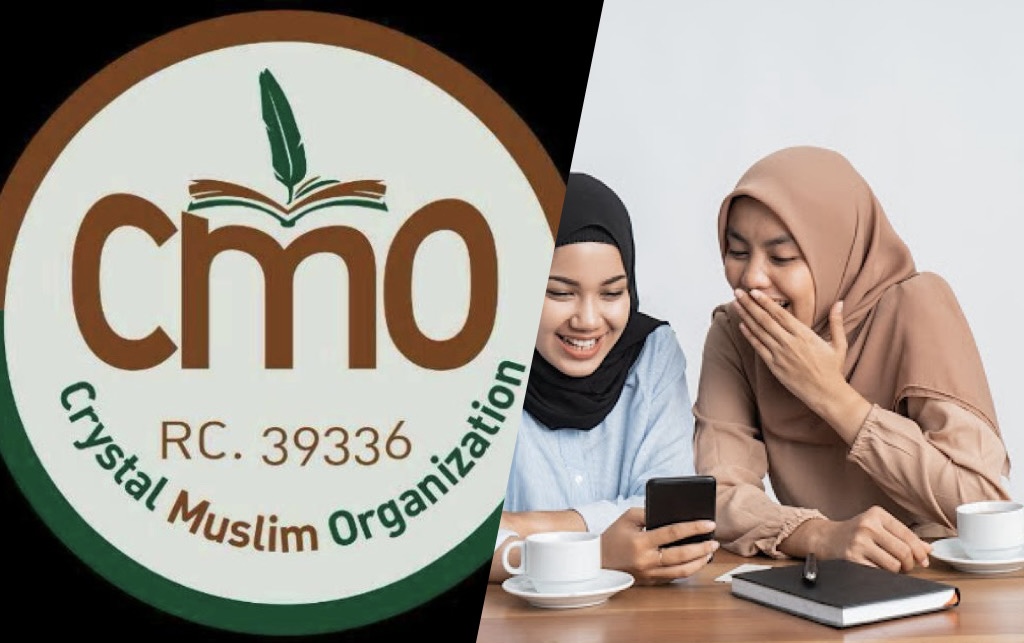
The Impact Social Media Has on Muslim Youth (Positive) – Winning Essay from the 18th (2024) CMO International Youth Essay Competition
This insightful essay, The Impact Social Media Has on Muslim Youth (Positive), by Raidah Bello, earned third place in Category B of the 18th (2024) CMO International Youth Essay Competition. Bello’s essay highlights the positive influence social media can have on Muslim youth, emphasizing its potential for building community, promoting education, forming identity, fostering activism, and exposing diverse perspectives, all while staying true to Islamic principles and values.
Introduction:
Social media has been tagged by many people as a platform that has the potential to dismantle a child’s moral uprightness, destroy his or her Islamic upbringing, and, if not carefully monitored, affect his or her future. However, others recognize social media as a platform that can positively impact a Muslim’s life both socially and morally.
Few people notice that social media is a platform open to everyone, where the content accessed depends on an individual’s choices. Therefore, the effects of social media vary depending on how it is used, influencing both Muslim and non-Muslim children alike. The impact of social media on Muslim youth ranges from positive to negative.
Social media has a significant impact on Muslim youth, just as it does on people from all walks of life. Here are some ways in which social media positively impacts Muslim youth when properly utilized:
1. Connection and Community
Social media platforms provide an avenue for Muslim youth to connect with like-minded individuals, build communities, and find support in their faith journey. Allah (SWT) said, “The believing Muslim should enjoin what is good and forbid what is bad” (Q9:71). Islam does not prevent Muslims from using social media; instead, it advises that the content should be carefully sifted to discern what is beneficial and what is not.
2. Education and Awareness
Social media allows Muslims access to valuable resources, including content from Islamic scholars like Dr. Zakir Naik, Mufti Ismail Menk, Nouman Ali Khan, and Bilal Phillips, among others, who use social media as a means of promoting Da’awah (Islamic outreach). Through these platforms, Muslims can learn more about their religion and deepen their faith. The Prophet Muhammad (SAW) said: “Whoever takes a path to gain knowledge, Allah will make easy for him the path to paradise.”
3. Identity Formation
Through social media, Muslims can explore different aspects of their identity as Muslims and engage in discussions about what it means to practice Islam in today’s world, as well as how Islam was practiced in the past.
4. Activism and Advocacy
Social media has given Muslim youth a platform to raise awareness about important issues affecting the Muslim community, stand up against injustice, and advocate for positive change, such as supporting Palestine or protesting against the oppression of Muslims. The Prophet (SAW) said: “Convey (my teachings) to the people even if it were a single sentence” (Sahih Bukhari, 3461). He (SAW) also said: “Invite all to the way of your Lord with wisdom and beautiful preaching; and engage with them in ways that are best and most gracious” (Q16:125).
5. Exposure to Diverse Perspectives
Social media exposes Muslim youth to diverse viewpoints within the global Muslim community and beyond, broadening their understanding of different beliefs and cultural practices within Islam.
In conclusion, social media is a powerful tool that can have both positive and negative impacts on the lives of Muslim youth. It is essential for us to use it wisely, be mindful of the content we consume, and maintain a balance between our online activities and real-life responsibilities as Muslims practicing Islam.
Connect with us online:
Facebook: Crystal Muslim Org – facebook.com/crystalmuslimorg,
Instagram: @crystalmuslimorg – instagram.com/crystalmuslimorg
SPONSORED

SPONSORED

SONSORED
