
The Bone Eater (Golden Words of Allah Ep105)
“And there is no creature on earth nor a bird that flies with its wings except that they are communities like you.” (Surah Al-An’am, 6:38)
By Abdullahi Yusuf
In the name of Allah, the Beneficent, the Merciful. All perfect praise is due to Allah, may He be glorified and exalted, the Lord of the Worlds. We bear witness that there is none worthy of worship but Allah, and Muhammad (pbuh) is His slave and final Messenger.
What kind of creature can feed on what death leaves behind and possess a digestive system capable of processing some of the hardest animal remains?
The vulture.
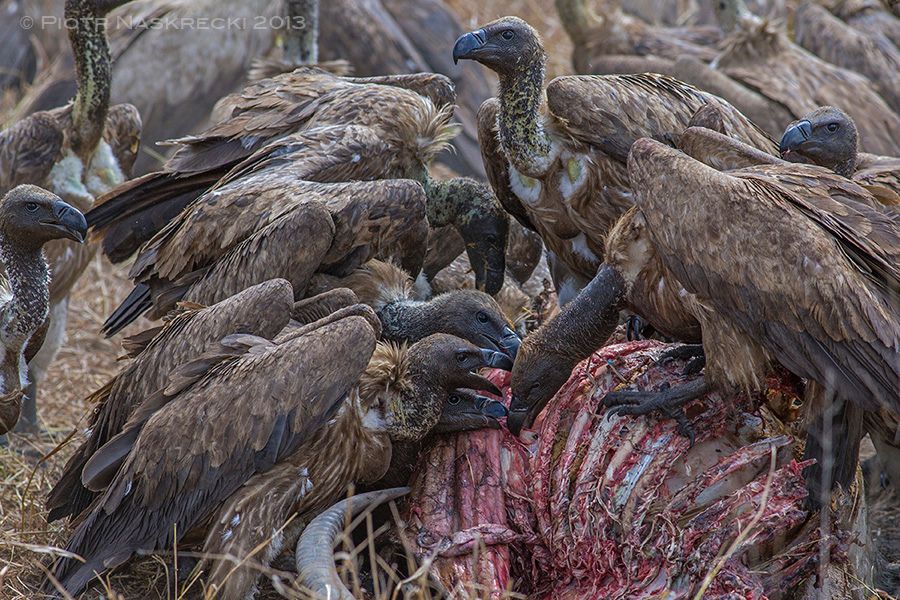
Often associated with death and decay, the vulture performs a role in nature that few creatures could endure. It is built to consume what other animals avoid, and many features of its body are adapted to that purpose.
Its hooked beak can tear through flesh. Its powerful stomach produces extremely acidic digestive juices, helping it break down carrion and destroy many of the harmful organisms found in decaying meat. Some species have diets that include remarkable quantities of bone.
The bearded vulture, for instance, is so specialised for consuming bones that they can make up the overwhelming majority of its diet. It carries large bones high into the air and drops them onto rocks, breaking them into pieces small enough to swallow.
Once inside, its highly acidic digestive system helps process this unusual food. What appears frightening is, in another sense, an extraordinary example of biological design.
Allah says: “And in your creation and whatever creatures He has dispersed are signs for people who are certain.” (Surah Al-Jathiyah, 45:4)
The vulture does not choose its strange diet. It does not design its beak, strengthen its stomach or develop its remarkable ability to survive on carrion. These characteristics are part of the way Allah created it.
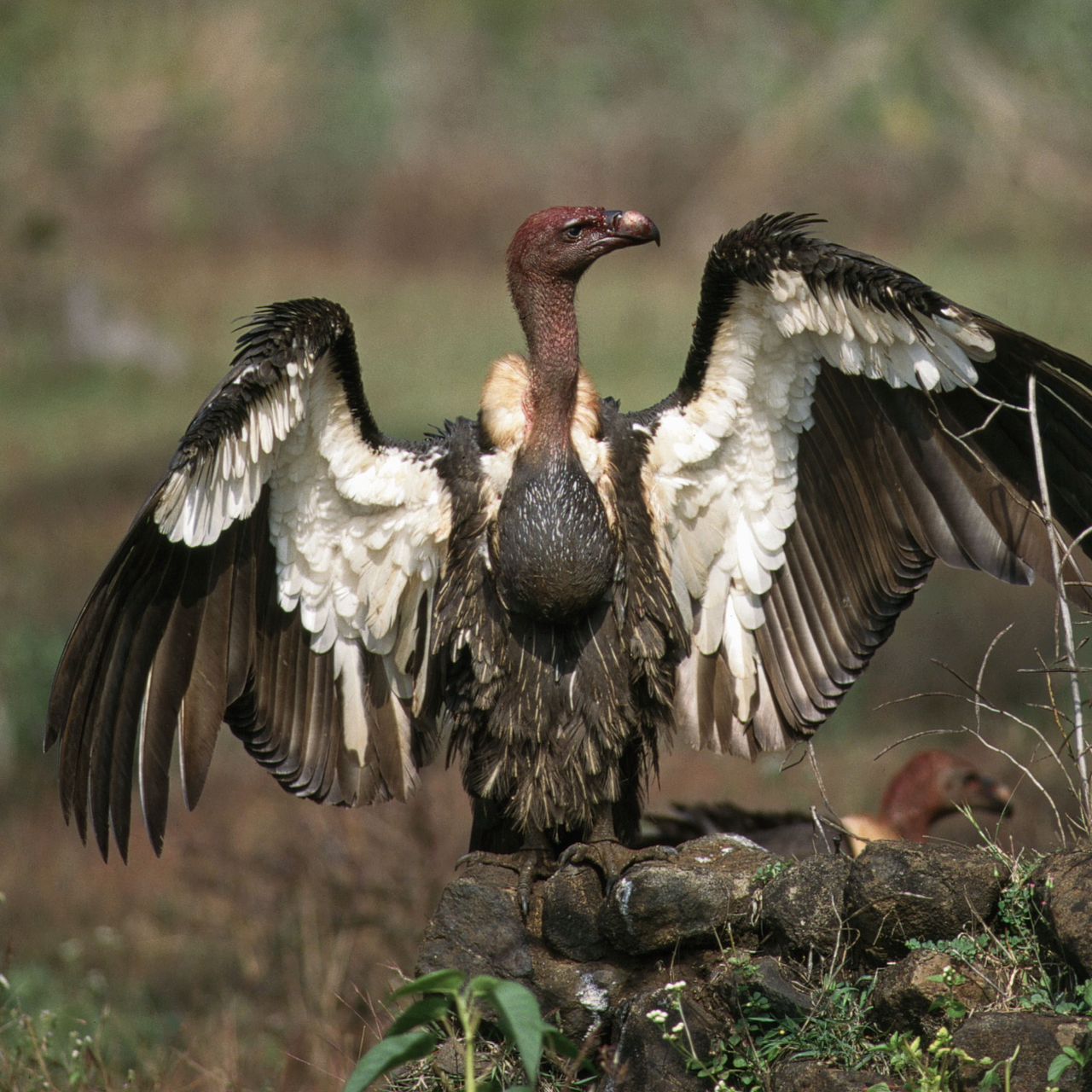
Even its apparently unsettling features serve a purpose. The bare skin around the head and neck of many vultures can reduce the accumulation of feathers contaminated by the remains they feed upon. Their bodies are adapted not for beauty as human beings ordinarily define it, but for survival and function.
And there is another remarkable part of the story.
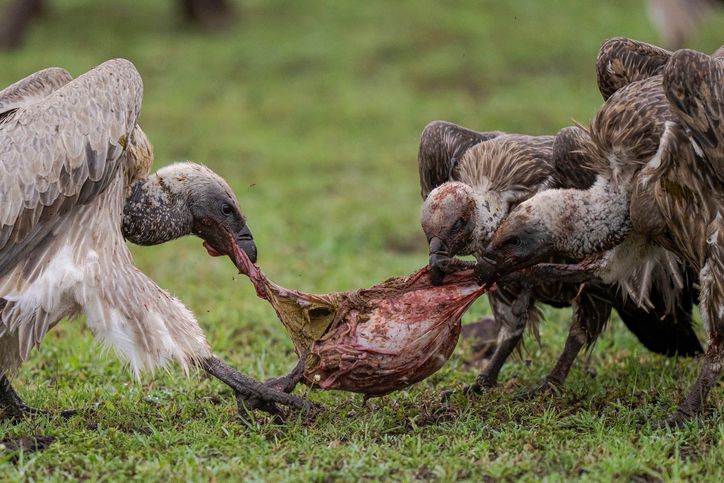
By consuming carcasses that would otherwise remain exposed, vultures help remove dead animals from the environment. Their feeding habits can limit the spread of disease and return nutrients to the natural cycle.
Allah says: “He is the One who created for you all that is on the earth.” (Surah Al-Baqarah, 2:29)
Creation does not always conform to our idea of beauty. Some creatures are colourful and delicate; others are powerful, strange or unsettling. Yet beauty is not the only measure of design.
The vulture’s extraordinary stomach, its specialised beak, its ability to consume carrion and, in some species, even its dependence on bones, all point to a creature precisely suited to its place in the natural world.
Allah says: “Our Lord is He who gave each thing its form and then guided it.” (Surah Ta-Ha, 20:50)
A bird that feeds on death, yet whose own existence serves life. Perhaps that is the part worth looking at twice.
And Allah knows best.
SPONSORED

SPONSORED

SONSORED
