
Sultan at 70: Tinubu, Atiku, Muslim, Christian Leaders Salute Sa’ad Abubakar
MUSWEN, NOCRELA, traditional rulers and Matawalle hail Sultan’s peacebuilding, interfaith dialogue and national unity efforts
By Abdullahi Yusuf
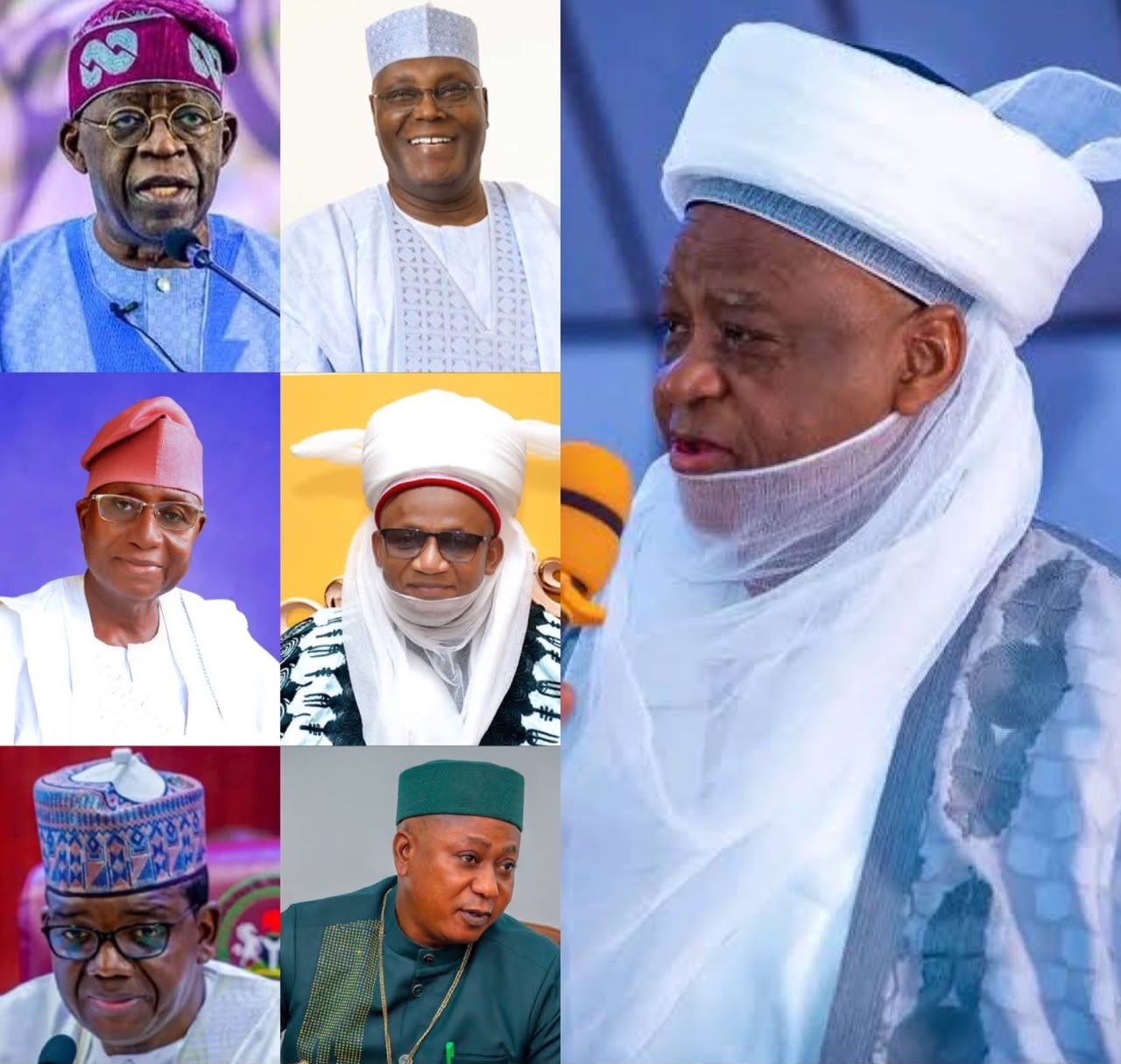
President Bola Ahmed Tinubu, Muslim and Christian organisations, political leaders, traditional rulers and senior government officials have marked the 70th birthday of the Sultan of Sokoto, His Eminence Alhaji Muhammad Sa’ad Abubakar III, with tributes highlighting his role in promoting religious harmony, national unity and peaceful coexistence.
The Sultan turned 70 on Monday, August 24, nearly two decades after ascending the throne of the Sokoto Caliphate and assuming the leadership of Nigeria’s Muslim community as President General of the Nigeria Supreme Council for Islamic Affairs (NSCIA).
The tributes, which came from across religious, political and traditional circles, reflected the breadth of the Sultan’s influence beyond the Muslim community, particularly his interventions on interfaith relations, national security, humanitarian affairs and peaceful coexistence.
Among those who felicitated him were President Tinubu, the Muslim Ummah of South-West Nigeria (MUSWEN), former Vice President Atiku Abubakar, the Northern Christian Religious Leaders Assembly (NOCRELA), Etsu Nupe Alhaji Yahaya Abubakar and Minister of State for Defence Mohammed Matawalle.
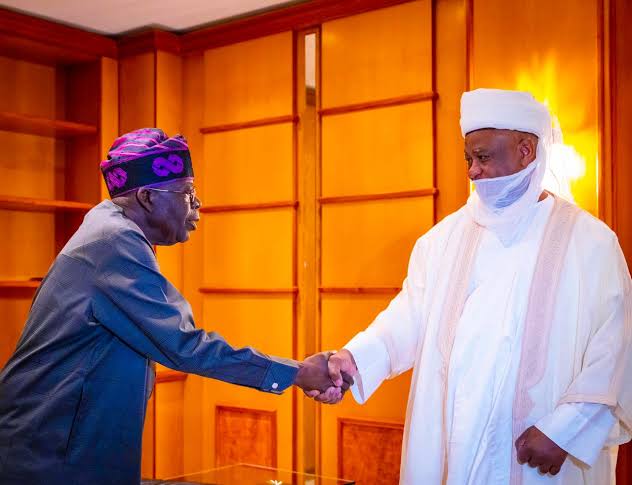
In a birthday message personally signed by him, President Tinubu described the Sultan as a “stabilising voice” during periods of national turbulence and a bridge-builder across religious and community lines.
Tinubu said the Sultan’s seven decades represented “a life lived in service, wisdom, and grace”, adding that his nearly two decades on the throne had reflected the traditions of the Sokoto Caliphate through scholarship, humility and a commitment to peace.
The President commended his advocacy for education, interfaith dialogue and humanitarian service, as well as his support for peaceful coexistence, the girl child and the dignity of Nigerians.
“Your palace in Sokoto has become a sanctuary for dialogue, and your words carry weight in every corner of this country,” Tinubu said.
He described the Sultan as a leader who speaks truth with compassion, counsels patience without weakness and promotes unity without compromising conviction.
Tinubu also acknowledged his partnership with the Sultan on nation-building, particularly in areas involving security, community development and the spiritual wellbeing of Nigerians.
The Muslim Ummah of South-West Nigeria congratulated the Sultan, describing him as a respected traditional and religious leader whose wisdom and statesmanship had contributed to the unity of Muslims and the stability of Nigeria.
In a statement signed by its President, Alhaji Rasaki Oladejo, and Executive Secretary, Professor Wole Abbas, MUSWEN said the Sultan had consistently promoted religious harmony, interfaith understanding and national unity.
The organisation particularly highlighted his efforts to strengthen cooperation among Islamic organisations and leaders and his interventions on issues of national importance.
It said those interventions had demonstrated courage, maturity and commitment to the peace and progress of Nigeria.
The Northern Christian Religious Leaders Assembly described the Sultan as an “indispensable bridge-builder” whose leadership had helped bring together Nigeria’s diverse religious, ethnic and cultural communities.
In a congratulatory statement, NOCRELA Secretary General, Simon Dolly-KIF, described the Sultan’s seven decades as a milestone marked by wisdom, service and commitment to national stability.
The Christian leaders portrayed him as a unifying father figure and custodian of values capable of bringing Nigerians together across religious and cultural divides.
They also commended his advocacy for dialogue, tolerance and peaceful coexistence.
Former Vice President Atiku Abubakar also joined the birthday tributes, praying for continued good health, strength and wisdom for the Sultan.
In a message shared on his X handle on behalf of his family, Atiku prayed that Allah would bless the monarch with “robust health, enduring strength and greater wisdom” in his service to the Muslim faithful and the nation.
The Etsu Nupe and Chairman of the Niger State Council of Traditional Rulers, Alhaji Yahaya Abubakar, described the milestone as an opportunity to thank Allah for the Sultan’s life and years of service.
The retired Army General commended his leadership, wisdom, humility and commitment to Nigeria’s development, describing his contribution to national unity and peaceful coexistence as invaluable.
He said the Sultan’s counsel, statesmanship and interventions had promoted religious tolerance and mutual understanding among Nigerians regardless of their religious, ethnic or cultural backgrounds.
Abubakar also commended his leadership of the NSCIA, saying it had strengthened the role of religious and traditional leaders in responding to national challenges.
He said the Sultan’s advocacy for dialogue, justice and peaceful conflict resolution had made his voice one that commands respect across religious and cultural divides.
Minister of State for Defence Mohammed Matawalle said the Sultan’s peacebuilding efforts and counsel had supported broader efforts to address insecurity in Nigeria.
In a tribute issued in Sokoto, Matawalle described the Sultan’s 70 years as “seven decades of wisdom, humility, and service to humanity”.
He described him as a father to all and a custodian of Nigeria’s moral and spiritual values.
The minister cited the Sultan’s interventions on national security, education and humanitarian affairs, as well as his efforts to strengthen interfaith relations and give voice to vulnerable members of society.
He said the Sultan’s commitment to justice and peaceful coexistence had influenced leaders and communities beyond Nigeria.
Matawalle urged Nigerians to emulate the monarch’s tolerance, humility and commitment to service.
The Sultan’s influence extends across Nigeria’s religious and traditional institutions.
As President General of the NSCIA, he occupies a central position in the leadership of the country’s Muslim community. He is also President General of Jama’atu Nasril Islam (JNI), Co-Chairman of the Nigeria Inter-Religious Council (NIREC).
These responsibilities place him at the intersection of religious leadership, traditional authority and national dialogue, giving him a prominent role in engagements involving Muslims, Christians, traditional rulers and government.
His responsibilities as NSCIA President General also include coordination of key aspects of Islamic religious affairs, including the moon-sighting process used in determining the beginning and end of Ramadan and the dates of Eid celebrations.
Brief background
Born on August 24, 1956, Muhammad Sa’ad Abubakar III comes from the lineage of the Sokoto Caliphate and is a descendant of Sheikh Usman dan Fodio, the Islamic scholar and reformer whose movement established the caliphate.
His father, Sir Siddiq Abubakar III, was the 17th Sultan of Sokoto and occupied the throne from 1938 until his death in 1988.
Sa’ad Abubakar received both Islamic and Western education, attending Barewa College, Zaria, before proceeding to the Nigerian Defence Academy in Kaduna.
He subsequently joined the Nigerian Army and rose to the rank of Brigadier General, serving in a military career that took him through national and international assignments before his emergence as Sultan.
Following the death of his elder brother, Sultan Muhammadu Maccido, he succeeded him and was crowned the 20th Sultan of Sokoto on November 2, 2006.
Since his accession, Sultan Sa’ad Abubakar has led the Sokoto Caliphate through years of political, security and social challenges, frequently using his traditional and religious authority to advocate dialogue, peaceful coexistence, unity and understanding.
His leadership of the NSCIA has similarly placed him at the centre of efforts to strengthen Muslim unity and coordinate responses to issues affecting the wider Muslim community.
At 70, the Sultan’s public role therefore extends well beyond the walls of the Sokoto palace. The tributes from Muslim and Christian leaders, political figures, traditional rulers and government officials reflect a leader whose influence has increasingly been measured not only by his position within the Muslim community, but also by his interventions across Nigeria’s wider national conversation.
Across the tributes was a common prayer: for continued health, wisdom, strength and long life for the Sultan, and for Allah to sustain his service to Islam, humanity, the traditional institution and Nigeria.
SPONSORED

SPONSORED

SONSORED
