
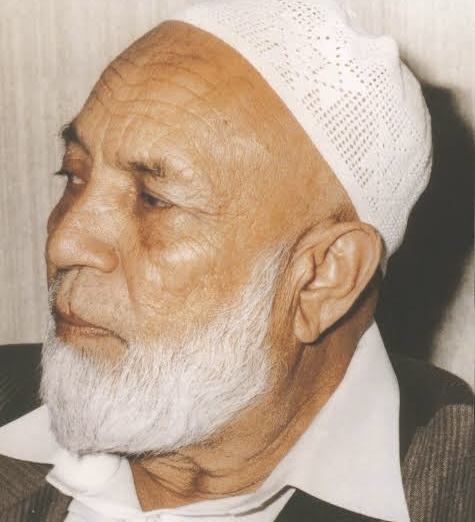
Sheikh Ahmed Deedat: The Self-Taught Preacher Who Took Da’wah to the World
Tribute to the renowned Islamic preacher and comparative religion debater who dedicated his life to defending and propagating Islam
By Ustaz Misbaudeen Daud Olowe
INNA LILLAHI WA INNA ILAYHI RAJI’UN
Sheikh Ahmed Hoosen Deedat (1918–2005) occupies a distinctive place in the history of modern Islamic da’wah. Through his lectures, books and public debates, he brought discussions about Islam and Christianity to audiences across the world, inspiring generations of Muslims to study their faith and engage with people of other religious traditions.
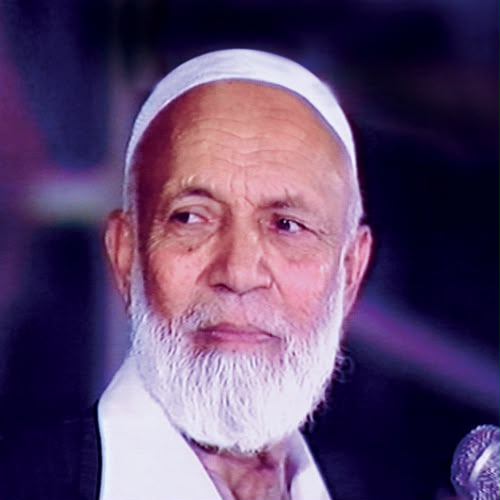
He did not receive his training through the major Islamic universities. Instead, he became internationally recognised through years of independent study, public engagement and an unwavering commitment to Islamic propagation.
His life demonstrated how determination, intellectual curiosity and a clear sense of purpose can shape a lasting religious legacy.
The Making of a Da’wah Pioneer
Born on July 1, 1918, in Tadkeshwar, Gujarat, India, Deedat moved to South Africa in 1927 to join his father in Durban. Financial difficulties forced him to leave formal schooling as a teenager and enter the world of work.
His encounter with Christian missionary arguments about Islam became a turning point in his life. While working in retail, he encountered claims about Prophet Muhammad (peace be upon him) and the spread of Islam that he felt unable to answer adequately at the time. Rather than allow that experience to discourage him, he pursued further knowledge.
Among the works that profoundly influenced him was Izhar-ul-Haq (The Truth Revealed), by the nineteenth-century Muslim scholar Rahmatullah Kairanawi. The book examined Christian missionary arguments and helped stimulate Deedat’s sustained study of the Bible, Islamic teachings and comparative religion.
That encounter helped set him on the path that would define the rest of his public life.
Building an International Da’wah Mission
In 1957, Deedat established the Islamic Propagation Centre International (IPCI) in Durban, South Africa. The centre became an important platform for Islamic outreach, producing and distributing literature and making Islamic teachings accessible to audiences beyond the Muslim community.
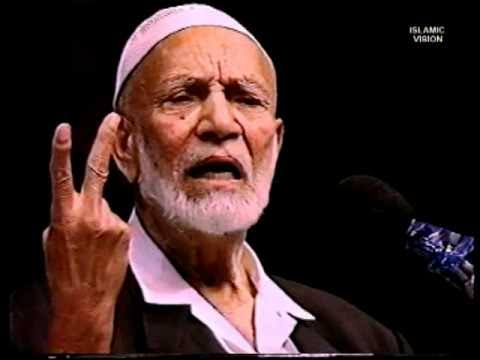
Deedat became widely known for his public debates with Christian evangelists, including American televangelist Jimmy Swaggart in 1986. He also engaged figures such as Anis Shorrosh and Josh McDowell in discussions about the Bible, the prophethood of Muhammad (peace be upon him) and the status of Jesus (peace be upon him) in Islam and Christianity.
His appearances attracted international attention, while recordings of his debates and lectures circulated widely among Muslims and non-Muslims.
In recognition of his contribution to Islamic propagation, he received the King Faisal International Prize for Service to Islam in 1986.
For his admirers, Deedat represented a determined Muslim voice in public religious discussions at a time when many felt inadequately equipped to respond to challenges against their faith.
A Legacy Written in Books
Deedat understood the importance of making religious arguments accessible to ordinary people. His publications addressed questions about the Bible, the life and status of Jesus, the prophethood of Muhammad and the relationship between Islam and Christianity.
Among his best-known works are The Choice: Islam and Christianity, Is the Bible God’s Word?, Crucifixion or Cruci-Fiction?, What the Bible Says About Muhammad, Christ in Islam and Combat Kit.
His booklets were distributed widely, often free of charge, and helped introduce readers across different countries to his approach to comparative religion.
His influence extended beyond the printed page. Through recorded lectures, public debates and educational activities, he helped make comparative religion a prominent feature of contemporary Muslim da’wah.
Da’wah Through Knowledge and Engagement
Deedat’s work placed considerable emphasis on studying the religious texts and beliefs of the people with whom Muslims engage in dialogue. His approach was assertive and often controversial, but his supporters regarded his command of religious texts and willingness to defend Islamic positions in public as central to his legacy.
The Qur’an provides a guiding principle for religious engagement: “Invite to the way of your Lord with wisdom and good instruction, and argue with them in a way that is best.” (Qur’an 16:125)
For those inspired by Deedat, the lesson extends beyond the ability to debate. Da’wah requires preparation, knowledge, confidence and a serious understanding of the questions people ask about religion.
His example also demonstrates the importance of making knowledge accessible, so that people can engage with religious questions thoughtfully rather than relying solely on inherited assumptions.
An Influence That Reached New Generations
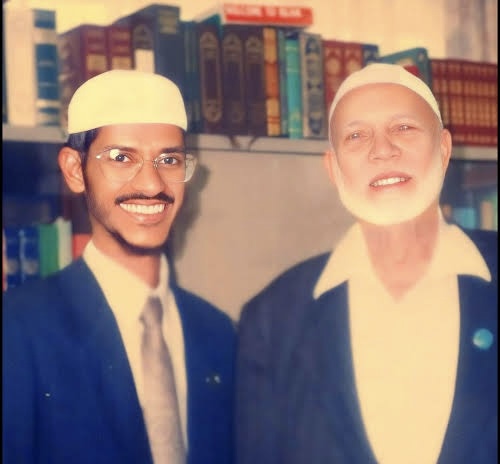
Among the prominent figures who have acknowledged Deedat’s influence is Dr Zakir Naik, the Indian Islamic preacher known for his lectures and comparative religion presentations.
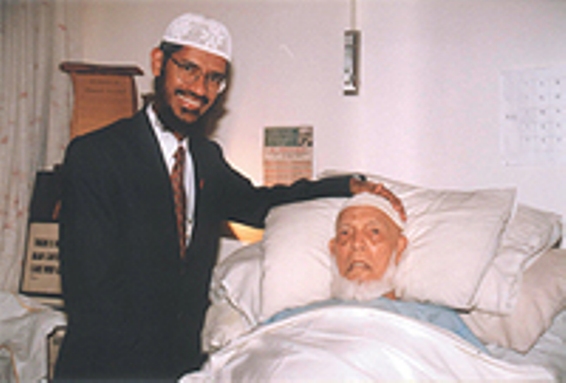
Naik has publicly described Deedat as an important influence on his own da’wah work. Their connection illustrates how Deedat’s methods and public engagements helped shape subsequent generations of Islamic speakers.
For many members of the da’wah community, including those associated with Al-Hidayah Da’wah International, Deedat remains a source of inspiration. His books, recorded debates and lectures continue to provide material for those interested in comparative religion and Islamic outreach.
His influence, however, should also encourage contemporary preachers to pursue deeper learning, verify their arguments and approach religious discussions with the seriousness they deserve.
Patience Through Adversity
On May 3, 1996, Deedat suffered a severe stroke that left him paralysed and unable to speak. He spent the remaining years of his life in that condition, communicating through eye movements.
The illness brought his public speaking career to an end, but it did not erase the body of work he had produced over several decades. He died on August 8, 2005, at the age of 87.
His final years remain an important part of his story: a reminder of human vulnerability and the limits of physical strength, even for someone whose voice had reached audiences around the world.
Why We Remember Sheikh Ahmed Deedat
We remember him for his commitment to Islamic propagation, his extensive writings, his public engagement with Christian evangelists and the influence he exerted on generations of Muslims.
We remember a man whose formal education was limited but whose determination to acquire knowledge took him onto international platforms.
We remember his contribution to making comparative religion a subject of public discussion among Muslims and encouraging others to study, question and articulate their beliefs.
Above all, his legacy calls for more than admiration. It calls for serious study, intellectual discipline and a commitment to presenting Islam with knowledge and responsibility.
Our Prayer
Ya Allah, forgive Sheikh Ahmed Deedat, have mercy upon him and grant him Your forgiveness.
Ya Allah, reward him for the good he contributed to Islamic propagation, and accept whatever sincere efforts he made in Your cause.
Ya Allah, guide those who continue to study and teach the religion, grant them beneficial knowledge and wisdom, and help them communicate the truth with sincerity and good conduct.
Ya Allah, enable us to serve Islam with dedication, patience and understanding, and make our efforts beneficial to humanity.
Sheikh Ahmed Deedat has passed away, but his books, lectures and recorded debates continue to reach audiences across the world. His legacy remains part of the continuing history of Islamic da’wah.
Farewell to a pioneer of da’wah. May Allah have mercy upon him.
Edited by Abdullahi Yusuf
SPONSORED

SPONSORED

SONSORED
