
Ogun Muslim Groups Urged to Turn Dawah Into Measurable Community Impact
Capacity-building programme urges organisations to narrow priorities, strengthen social services and demonstrate impact before seeking funding
By Abdullahi Yusuf
Islamic organisations in Ogun State have been challenged to move beyond conventional religious programmes and develop focused, measurable interventions that directly respond to the social and humanitarian needs of their communities.
The call was made by Dr Tokunbo Salam, a human resources expert with the Islamic Education Trust and Dawah Institute of Nigeria, Minna, during a capacity-building programme organised by the Ogun State Muslim Council in Abeokuta.
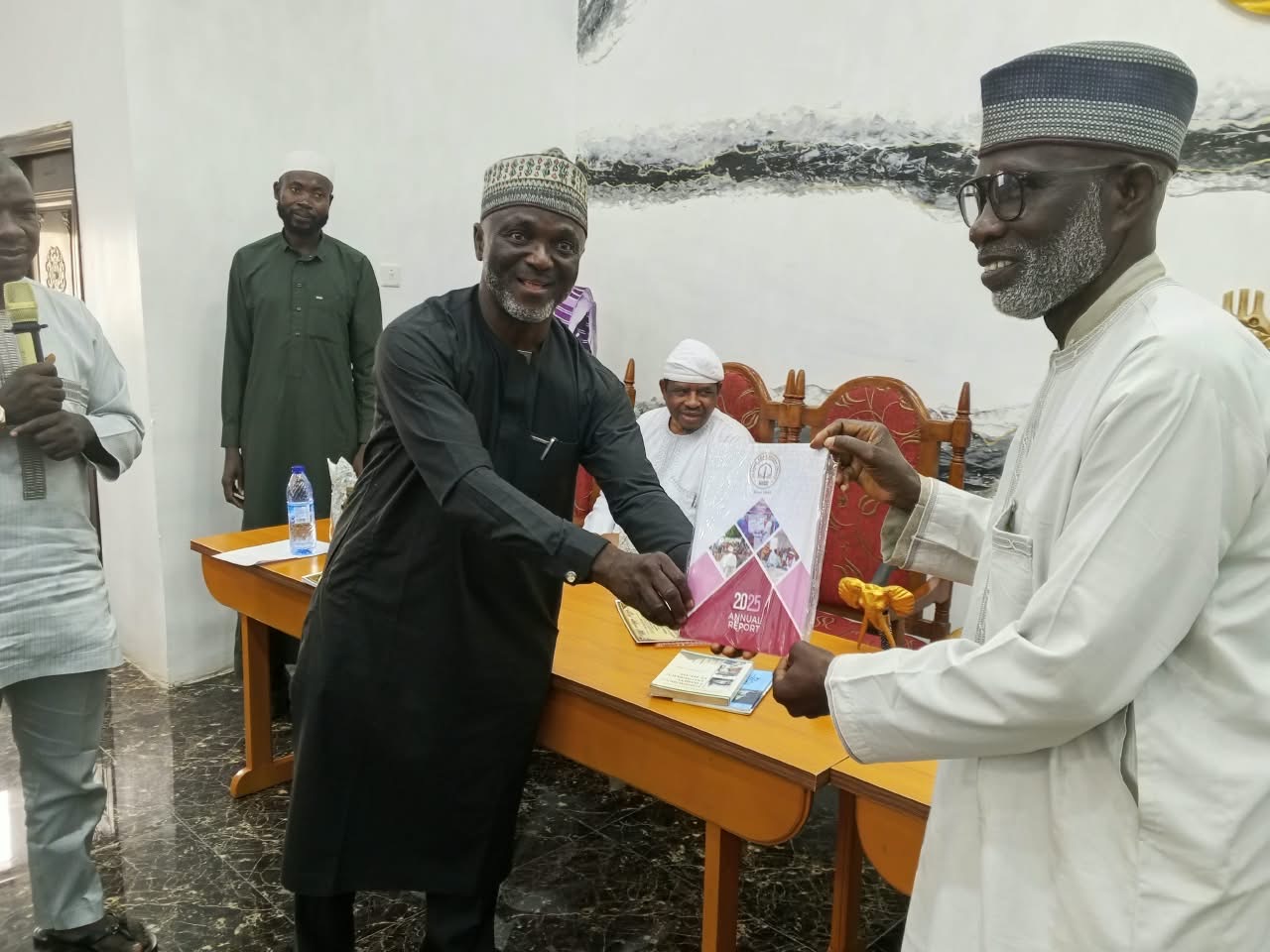
The programme brought together representatives of selected Muslim organisations for training on strategic programming, organisational development and community-based interventions, with participants expected to review their existing activities and begin implementing changes over the following three months.
Dr Salam said Islamic organisations had a responsibility that extended beyond mosque management, religious lectures and other spiritual activities, urging them to become more actively involved in addressing the social challenges facing individuals and communities.
“The essence is to see that Islamic organisations are deeply involved in community conversation and social services,” he said. “Not only the spiritual aspect, they need to be directly involved in dealing with people’s social support problems.”
He said the training was designed as a capacity-transfer programme to help organisations rethink how they identify community needs, design programmes and measure the results of their interventions.
Find one thing and do it well
A central message of the training was the need for organisations to move from having numerous activities to developing a clear area of strength.
Salam said some organisations were implementing as many as 10 or 20 programmes a year without establishing a clear priority around which they could build expertise and demonstrate results.
He encouraged each organisation to identify at least one distinctive intervention for which it could become known, describing the approach as a “Tower of Priority.”
The concept, he explained, would allow organisations to concentrate limited resources, develop expertise, attract appropriate support and demonstrate tangible outcomes rather than spreading themselves across numerous activities with limited measurable impact.
He said the objective was not to diminish existing programmes, but to help organisations identify where they could make their strongest contribution.
The facilitator also stressed that new thinking would only matter if it produced new action, urging participants to translate lessons from the training into practical changes within their organisations.
Three-month target for change
Salam said the organisers expected participating organisations to demonstrate noticeable changes within three months.
Follow-up engagements would be conducted online to assess progress, review programme plans and challenge participants to strengthen their interventions.
He said the follow-up was intended to ensure that the training did not end with certificates but translated into changes in the way organisations plan and execute their activities.
The programme is also expected to be followed by a strategic fundraising session, tentatively scheduled for December or January, depending on the timing of Ramadan.
Salam said the fundraising component would focus on helping organisations secure support for projects that were properly designed and capable of delivering tangible benefits.
He stressed that competence, accountability and effective programme management would be critical to attracting donors.
“Nobody wants to waste money on non-activities,” he said, underscoring the need for organisations seeking financial support to demonstrate credible programmes and the capacity to manage resources effectively.
Participants urged to rethink their approach
Salam said the level of participation during the training was encouraging, noting that some attendees initially believed the programme might offer little beyond what they already knew.
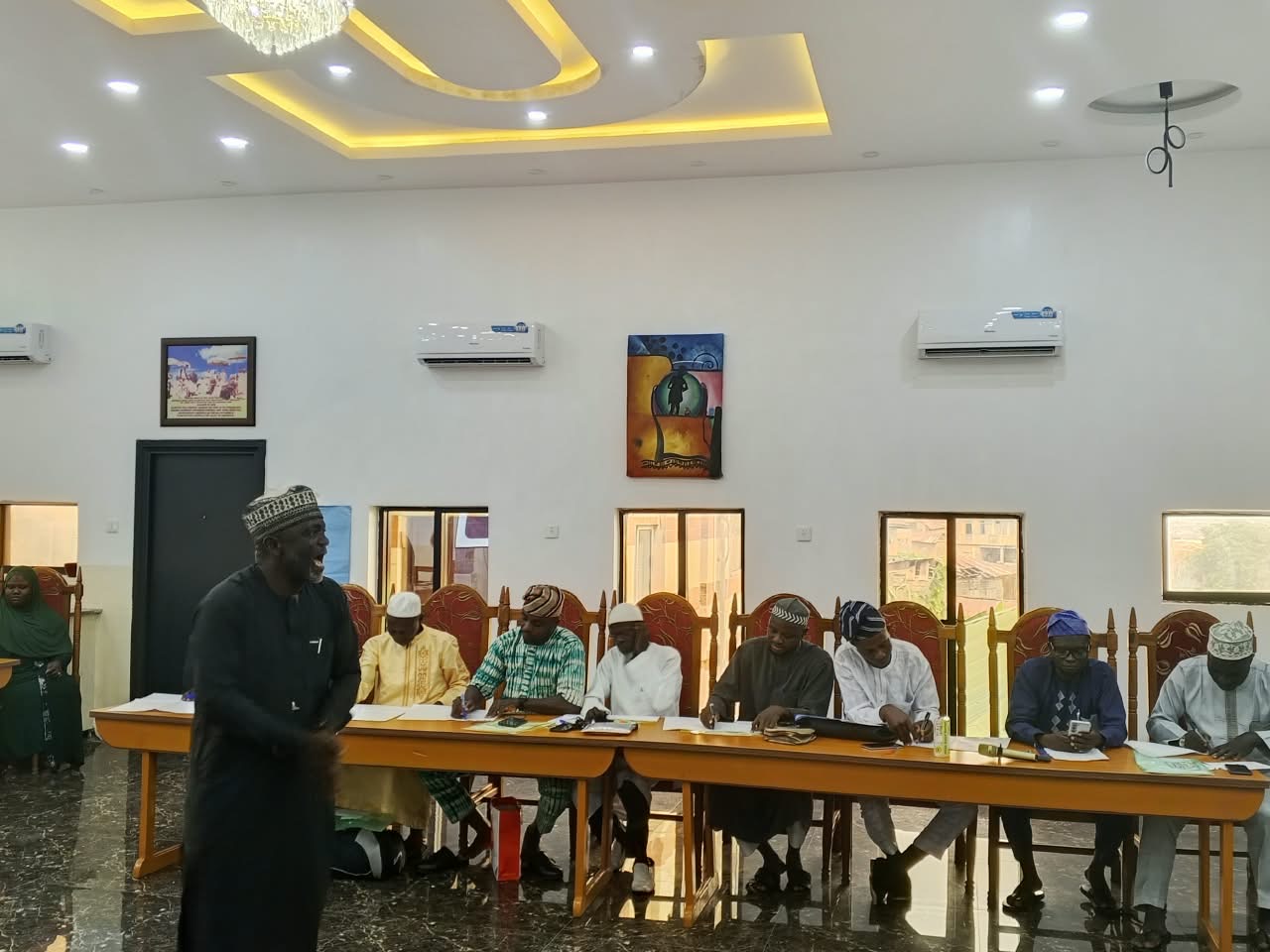
The interactions, however, exposed participants to different perspectives on organisational development, programme planning and community impact, he said.
He expressed hope that the organisations would apply the lessons to strengthen their programmes and become more responsive to the needs of the communities they serve.
President-General of the Ogun State Muslim Council and Olowu of Owu Kingdom, Oba (Prof.) Saka Adelola Matemilola, also urged participants to embrace “new thinking and new action” in carrying out their Dawah activities.
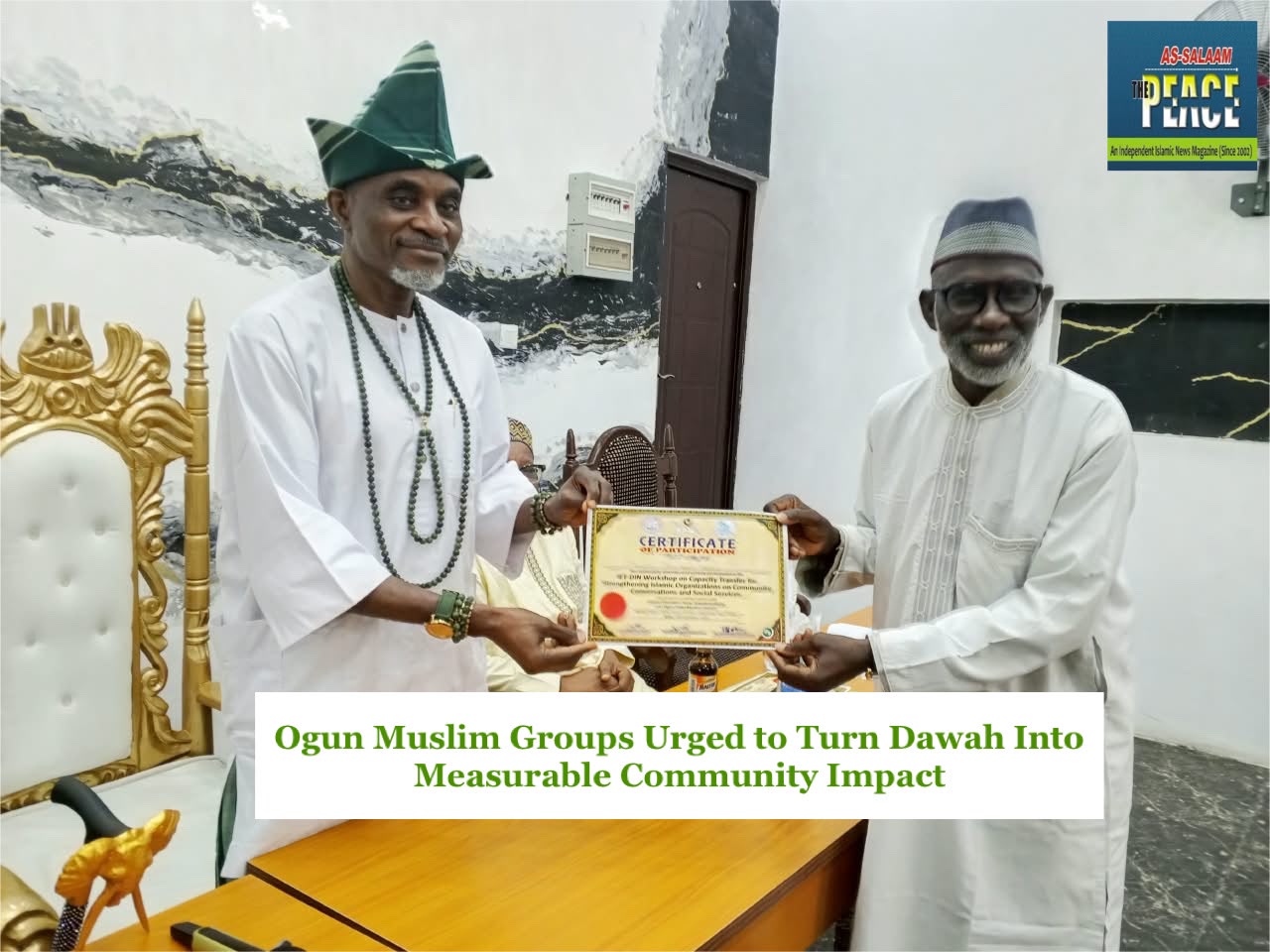
Matemilola presented certificates of participation to representatives of the participating organisations at the conclusion of the training.
The Secretary-General of the Ogun State Muslim Council, Asiwaju Kamaldeen Akintunde, commended the Islamic Education Trust and Dawah Institute of Nigeria for partnering with the council on the programme.
Akintunde described the training as a unity-driven initiative that equipped participants with skills to identify their organisations’ areas of strength and develop programmes capable of attracting financial support.
The Islamic Education Trust and Dawah Institute of Nigeria also appreciated Matemilola and Akintunde for their contributions to the growth of Islam and society.
Among the organisations represented at the training were the State Raabitah, Ipara-Remo Muslim Youth Association, Sagamu Muslim Youth Organization, Islamic Human Rights International, Dawatu Nurul Islamic Society, Muslim Students Society of Nigeria (MSSN), Federation of Muslim Women Associations of Nigeria (FOMWAN), Islamic Mission for Africa (IMA), The Muslim Congress (TMC), Muslim Corpers Association of Nigeria (MCAN), Najah Joint Muslim Organization (NAJOMO) and Ogun State Council of Islamic Affairs (OGCIA).
Others included Pure Hearts Islamic Foundation, Young Muslim Brothers and Sisters (YOUMBAS), Ogun State Commission on Musabaqah (OSCOM), Islamic Echo Association of Nigeria, Dawah Front of Nigeria (DFN), Islamic Medical Association of Nigeria (IMAN), as well as the OMC General Purpose Committee and OMC Islam Committee.
SPONSORED

SPONSORED

SONSORED
