
Scientists Reveal Giant Atlantic Ocean Formation
Researchers say the newly mapped formation extends nearly 5,000 miles, as the Qur’an reminds mankind: “We built the universe with might, and indeed We are expanding it.” (Qur’an 51:47).
By Abdullahi Yusuf
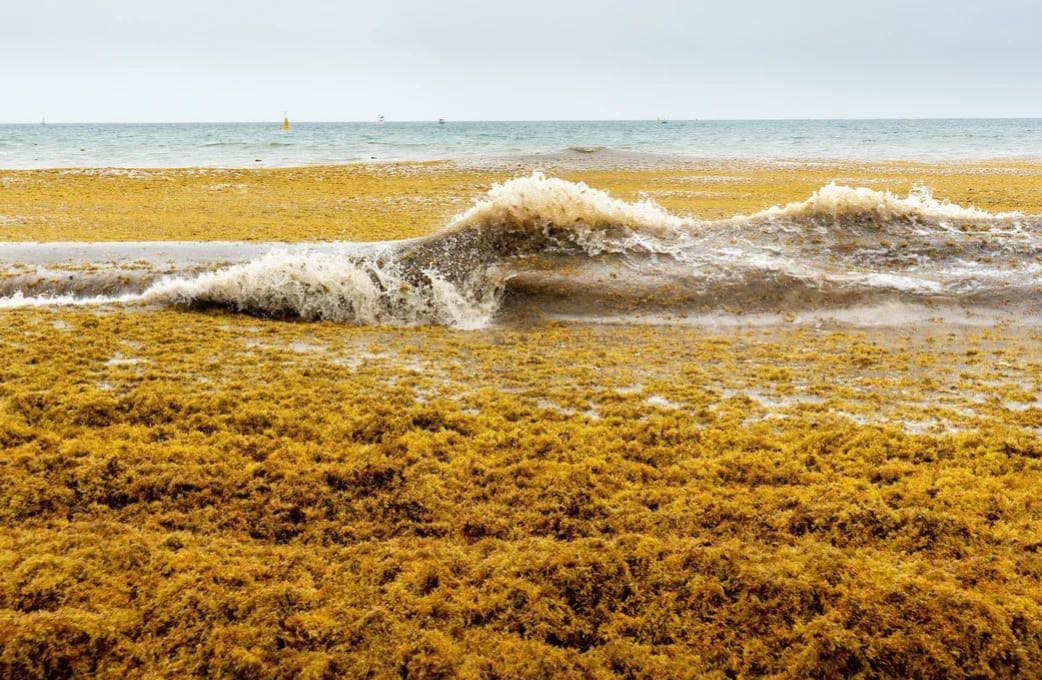
Scientists have identified an enormous belt of floating seaweed stretching nearly 5,000 miles across the Atlantic Ocean, describing it as one of the largest marine phenomena ever observed and another reminder of how much of Allah’s creation remains beyond human understanding.
The vast formation, known as the Great Atlantic Sargassum Belt, now extends from the western coast of Africa across the Atlantic to the Gulf of Mexico, with researchers estimating that it contained about 37.5 million tonnes of brown sargassum seaweed during the month of May alone.
The latest findings, published in the scientific journal Science under the review Harmful Algae, show that what was once largely confined to the Sargasso Sea has, over the past four decades, evolved into an almost annual trans-Atlantic phenomenon driven by changing ocean conditions and increasing nutrient pollution.
While the discovery concerns Earth’s oceans rather than outer space, it nevertheless serves as another reminder that mankind continues to discover only a fraction of the vast creation of Allah.
Allah says: “And the heaven We built with strength, and indeed, We are surely expanding it.”(Qur’an 51:47)
Researchers at the Harbor Branch Oceanographic Institute of Florida Atlantic University said they have spent four decades analysing satellite imagery, field observations and chemical studies to understand how the massive bloom first documented in 2011 has continued to grow into a recurring environmental event.
Their research suggests that many of the nutrients responsible for fuelling the seaweed’s extraordinary growth originate from the Amazon River before being carried across the Atlantic by powerful ocean currents.
Scientists also believe Portuguese explorers sailing to the Americas during the fifteenth century may have unknowingly encountered the floating seaweed centuries before modern satellites confirmed its full scale.
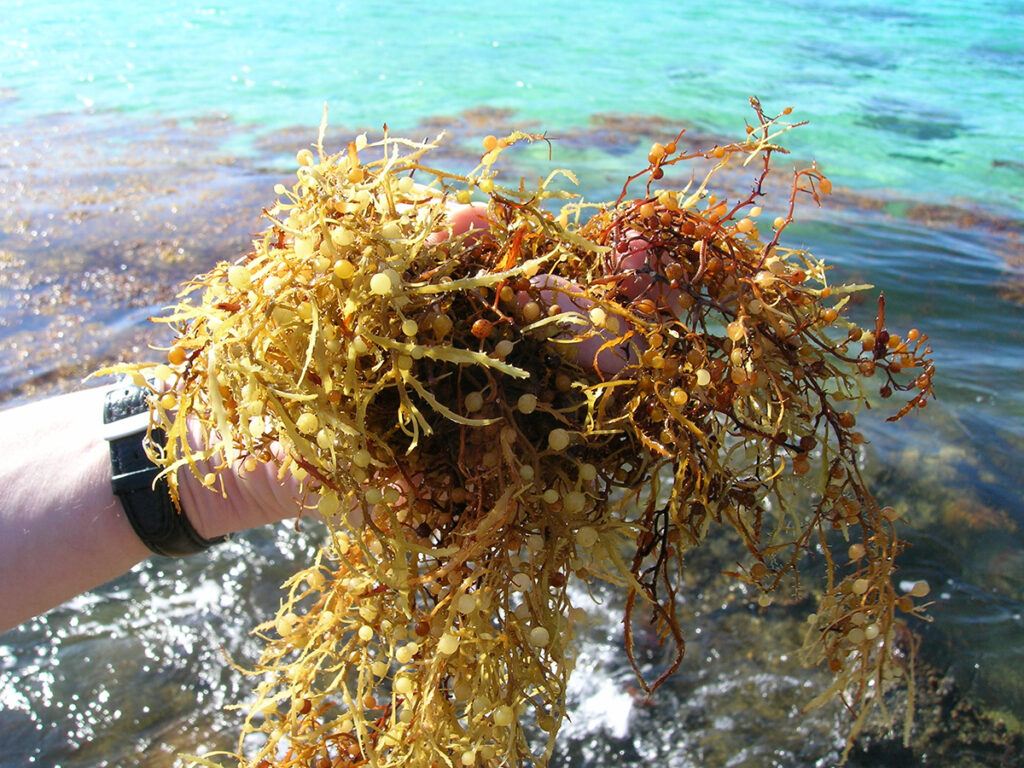
Unlike seaweed attached to rocks along coastlines, sargassum drifts freely across the open ocean, forming floating ecosystems that provide shelter and breeding grounds for numerous fish, turtles, crabs and other marine species.
Away from shore, scientists regard it as an important part of the Atlantic marine ecosystem. Its arrival on beaches, however, presents a very different picture.
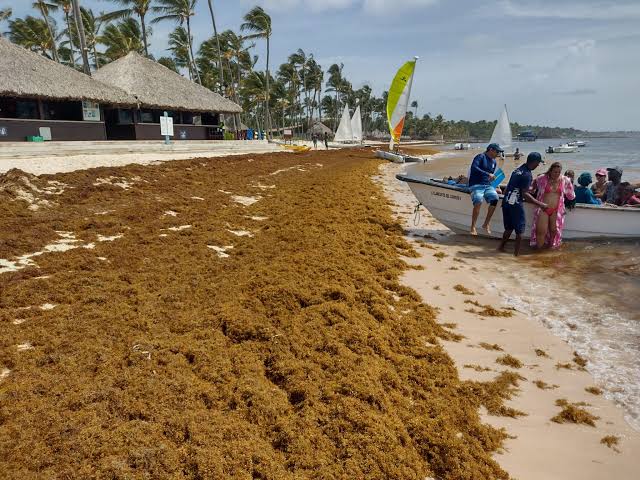
Large quantities washing ashore can blanket coastlines, emit foul-smelling gases as they decompose, disrupt tourism, damage coral reefs, reduce oxygen levels in coastal waters and create expensive environmental challenges for governments.
Researchers say communities across the Caribbean, the Gulf of Mexico and parts of West Africa have increasingly struggled to manage the growing volume of seaweed reaching their shores each year.
Lead researcher Professor Brian Lapointe explained that scientists are beginning to understand the environmental forces responsible for the unprecedented expansion after studying changes in the seaweed’s chemical composition over many years.
According to the researchers, modern satellite observations combined with ocean circulation models have helped trace the seasonal movement of sargassum from nutrient-rich coastal waters into the wider Atlantic through major currents including the Loop Current and the Gulf Stream.
The study also identified a significant shift away from naturally occurring ocean nutrients towards increasing inputs from human activity, including agricultural fertilisers, wastewater discharge and atmospheric pollution.
Researchers believe these land-based sources have substantially increased the nitrogen and phosphorus available to marine plants, encouraging unusually large blooms across the Atlantic basin.
Professor Lapointe said the expansion of sargassum was no longer simply an ecological curiosity but an issue carrying serious consequences for coastal communities, fisheries, tourism and public health.
The latest findings add to a growing body of scientific research revealing the changing dynamics of Earth’s oceans, while offering fresh context for one of the Qur’an’s enduring invitations: to observe the signs of Allah in creation through knowledge, reflection and discovery.
SPONSORED

SPONSORED

SONSORED
