
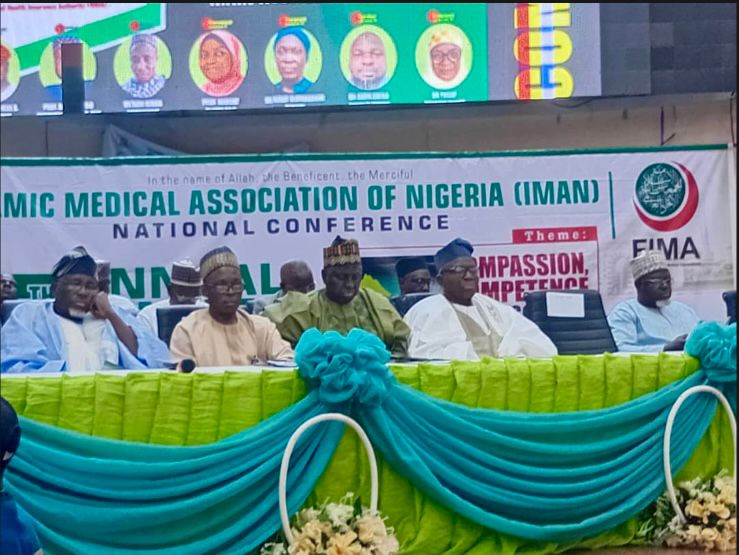
Oloriegbe, Oloyede Challenge Muslim Doctors to Put Conscience Back in Healthcare
At IMAN’s 27th conference in Ilorin, medical leaders warn that technology, money and professional competence cannot replace compassion and ethical responsibility
By Abdullahi Yusuf
Muslim medical professionals have been challenged to confront the growing commercialisation of healthcare and ensure that advances in science and technology do not come at the expense of compassion, conscience and human dignity.
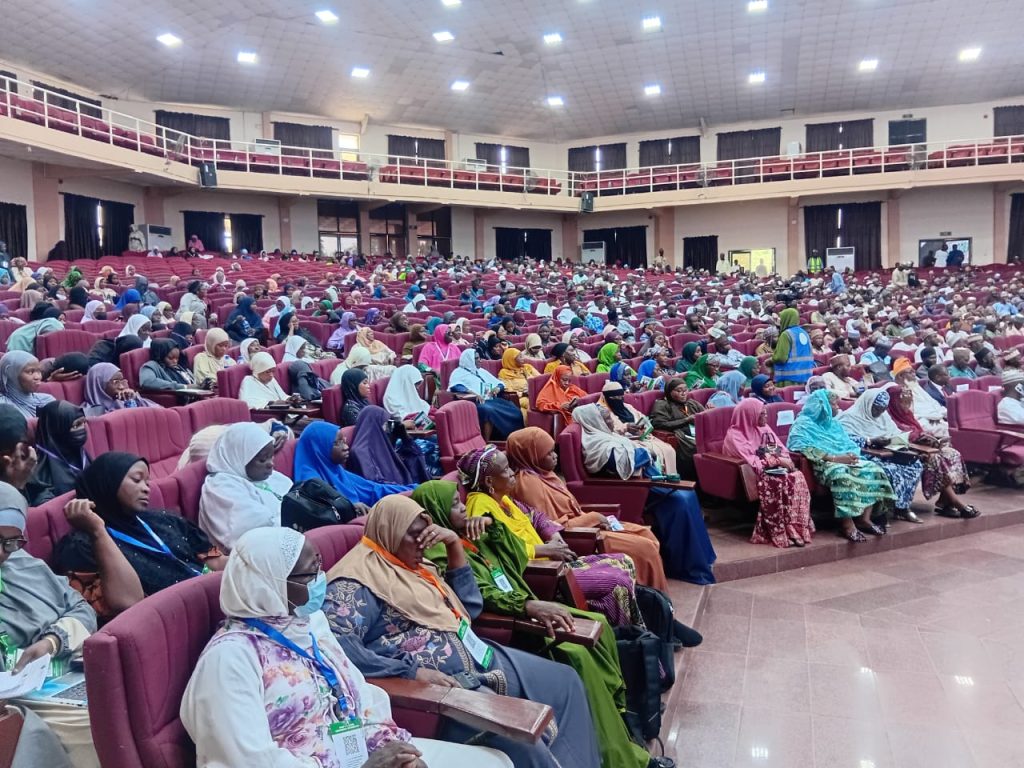
The call came at the 27th National Annual General Meeting and Scientific Conference of the Islamic Medical Association of Nigeria (IMAN), held at the Main Auditorium of the University of Ilorin, Kwara State.
The conference, which ended on August 29, was themed “Compassion, Competence and Conscience: Integrating Islamic Values in Modern Medical Practice.”
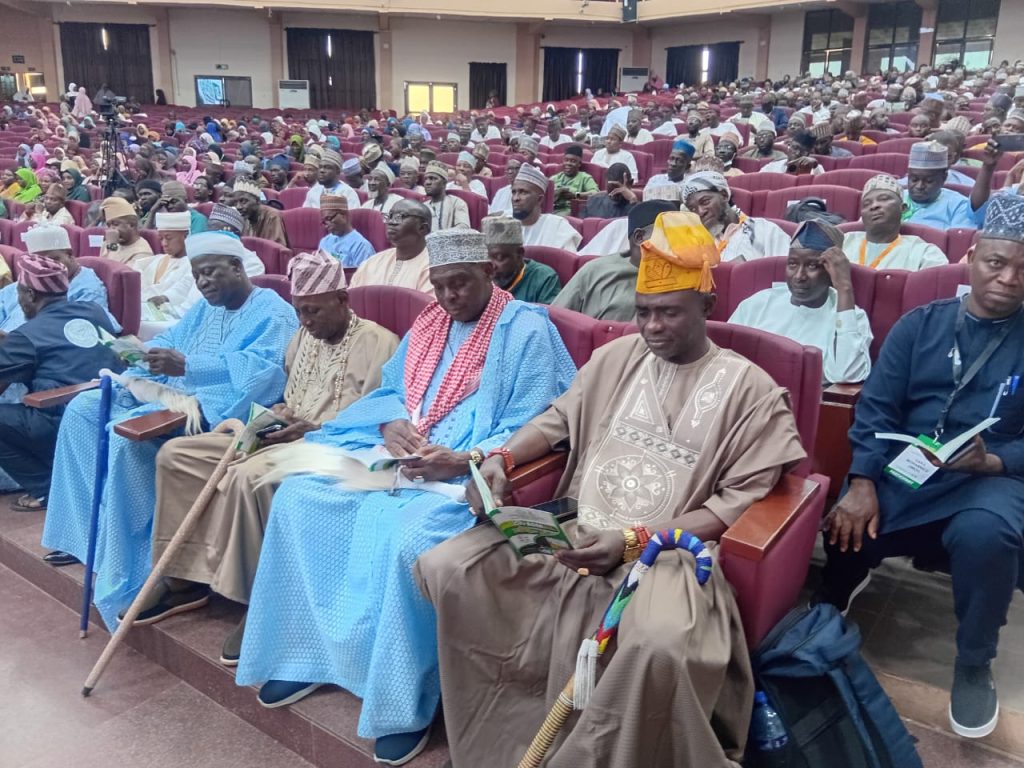
It brought together medical professionals, academics, Islamic scholars, government representatives, traditional rulers and other stakeholders to examine challenges confronting healthcare delivery and the ethical responsibilities of medical practitioners.
Delivering the keynote address, the Chairman of the National Health Insurance Authority, Senator Dr Ibrahim Yahaya Oloriegbe, identified patients’ fear, migration of skilled healthcare professionals and the growing influence of money on medical care as some of the pressures undermining the profession.
Oloriegbe said the problems facing Nigeria’s health sector extended beyond infrastructure and funding, arguing that the profession was also confronting a moral challenge when healthcare became treated primarily as a commercial transaction rather than a trust.
He linked the erosion of public confidence partly to the loss of ihsān, excellence in conduct and practice, and said compassion, competence and conscience were necessary to restore trust between healthcare professionals and patients.
The senator stressed that compassion could not substitute for professional competence, while competence itself had to remain anchored in moral responsibility.
He called on healthcare professionals to treat patients with dignity regardless of their social or financial circumstances and urged government to address inadequate financing, poor infrastructure and shortages of medical equipment and personnel.
Oloriegbe also drew attention to the historical contributions of Muslim physicians including Al-Razi and Ibn Sina, saying Islamic medical tradition had traditionally brought together scientific knowledge, professional excellence, ethics and compassion.
He urged contemporary Muslim healthcare professionals to preserve that tradition by seeing patients first as human beings in need of care rather than as sources of financial gain.
Emeritus Professor Is-haq Olanrewaju Oloyede, who chaired the opening ceremony, also placed ethical responsibility at the centre of modern healthcare.
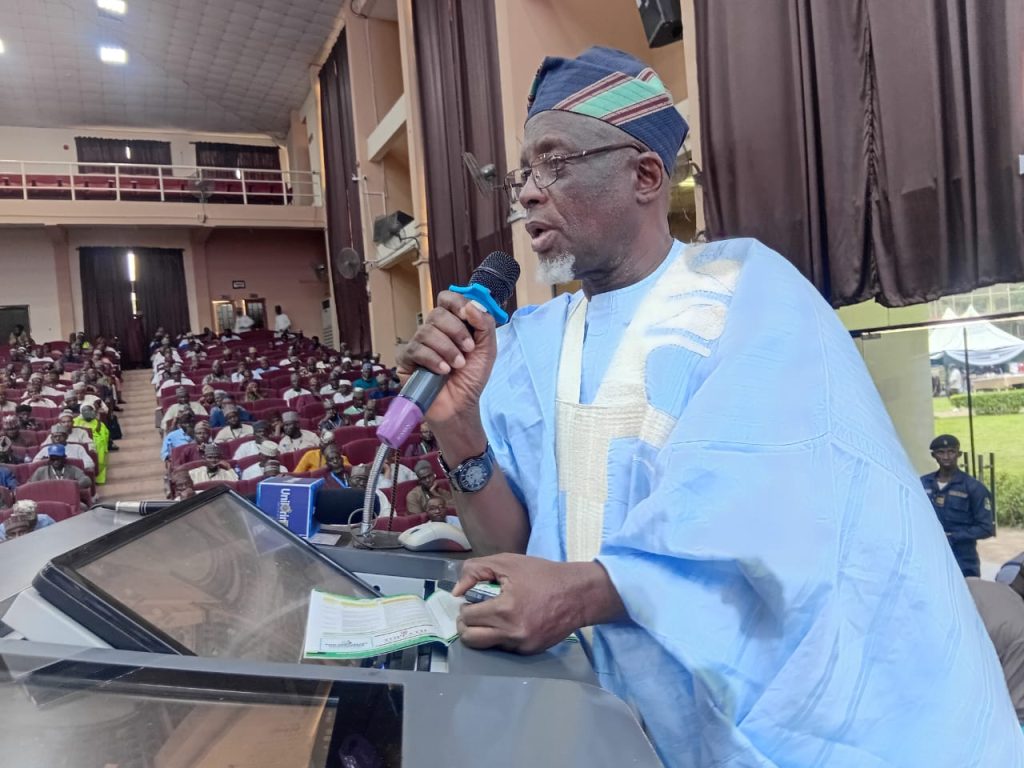
Oloyede, Secretary-General of the Nigerian Supreme Council for Islamic Affairs, said technological advancement alone could not guarantee humane medical practice.
He argued that while science and technology could determine what could be done medically, they could not by themselves determine what ought to be done or the moral responsibility attached to a particular decision.
He warned that compassion without competence could be dangerous, while competence without compassion could become dehumanising. When both were separated from conscience, he said, healthcare could become vulnerable to exploitation, injustice and abuse.
Oloyede urged Muslim healthcare professionals to regard their work as an amānah, a trust, and to continue improving their knowledge and skills while maintaining high ethical standards, including when there was no external supervision.
He also challenged IMAN to develop further as an intellectual platform where medical science, Islamic jurisprudence, ethics and public policy could interact in responding to emerging healthcare questions.
The professor called for stronger mentorship of younger Muslim healthcare professionals, covering not only clinical knowledge but also character, leadership, scholarship and service.
The conference also drew support from the leadership of the University of Ilorin and Al-Hikmah University.
The Vice-Chancellor of the University of Ilorin, Prof Wahab Olasupo Egbewole, SAN, represented by Prof Muhtar Adeiza Etudaiya, commended IMAN for bringing healthcare professionals, academics, Islamic scholars and other stakeholders together to discuss healthcare challenges and professional ethics.
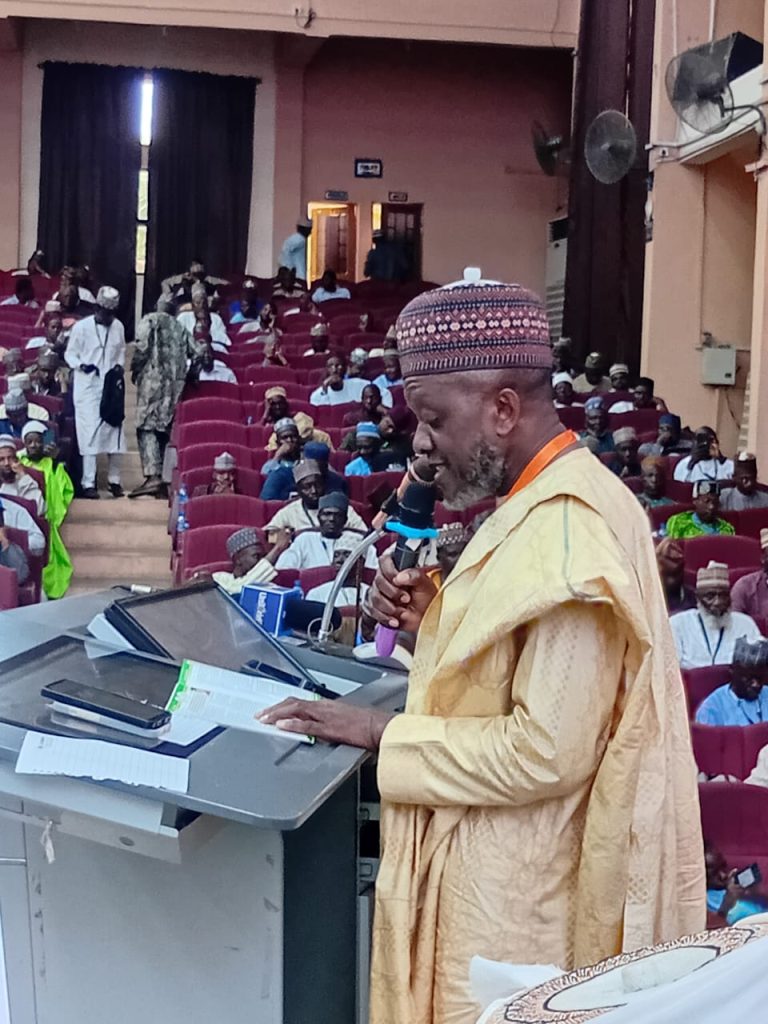
The Vice-Chancellor of Al-Hikmah University, Professor Lateef Folorunsho Oladimeji, similarly praised the association’s commitment to professional development and ethical healthcare practice.
Oladimeji stressed the importance of collaboration between universities, healthcare professionals and other stakeholders in improving healthcare delivery and addressing challenges in the sector.
Representing Kwara State Governor Mallam AbdulRahman AbdulRazaq, the Commissioner for Health, Dr Amina Ahmed El-Imam, highlighted investments by the state government in healthcare infrastructure and personnel.
She cited the transformation of the former General Hospital, Ilorin, into the Kwara State University Teaching Hospital, as well as the acquisition of an MRI machine and a 160-slice CT scanner.
She said the state had also invested in primary healthcare infrastructure, maternal and child health, capacity building and recruitment of healthcare workers, including 150 nurses.
According to El-Imam, Kwara emerged as the Best Performing State in the North-Central Zone of the 2025 PHC Leadership Challenge.
She also disclosed that 10,374 people benefited from the state’s free medico-surgical outreach programme in 2025, while the 2026 edition was ongoing.
The commissioner commended IMAN for its free medical and surgical outreach at the Kwara State University Teaching Hospital on August 22 and 23, describing it as an example of compassion translated into practical service.
The outgoing National President of IMAN, Prof Ibrahim Adekunle Oreagba, used the conference to highlight the association’s healthcare, humanitarian and professional initiatives while outlining areas requiring further investment.
Oreagba cited IMAN’s collaboration with the ASAD Group on the establishment of a multispecialty hospital in Kaduna and the Save Dignity Grant project.
He also mentioned the association’s partnership with Ibrahim Badamasi Babangida University on substance-abuse issues, the digitalisation of IMAN membership and the IMAN-FIMA Lifesavers Programme.
Other initiatives highlighted included IMAN’s participation in the Nigeria Interfaith Coalition Against HIV/AIDS, publication of the IMAN Medical Journal, involvement in the leadership of the Federation of Islamic Medical Associations and expansion of zakat-based healthcare support for indigent patients.
Oreagba called for greater investment in a nationwide IMAN health network, Islamic bioethics, access to quality healthcare for poor and vulnerable Nigerians and leadership development for young Muslim healthcare professionals.
The conference also featured a free medical and surgical outreach, with more than 1,500 people benefiting from the exercise.
The Chairman of the Local Organising Committee, Prof Lukman O. Abdur-Rahman, said 70 surgeries and 60 ophthalmic surgeries were performed during the two-day outreach.
He said 856 delegates had registered for the conference as of August 18, including more than 700 early-bird registrations, while the scientific programme featured 74 abstracts.
The Kwara State Amir of IMAN, Dr Sulyman Ibrahim Kuranga, said the state had hosted the association’s national conference three times, in 1999, 2009 and 2026.
He said IMAN Kwara had expanded to more than eight branches across hospitals and healthcare institutions, including newly inaugurated branches at the Kwara State University Teaching Hospital, the Kwara State University College of Medicine and the Federal Neuro-Psychiatric Hospital, Budo-Egba.
The conference attracted traditional rulers including the Emir of Ilorin, Alhaji (Dr) Ibrahim Kolapo Sulu-Gambari, and the Emir of Shonga, alongside other dignitaries.
Awards were also presented to members and mentors in recognition of their contributions to the association.
Across the conference, the emphasis on compassion, competence and conscience went beyond the language of the theme. Speakers repeatedly returned to the question of what happens when modern medicine becomes detached from the human being at the centre of care.
With additional information from Muslim News Nigeria.
SPONSORED

SPONSORED
