
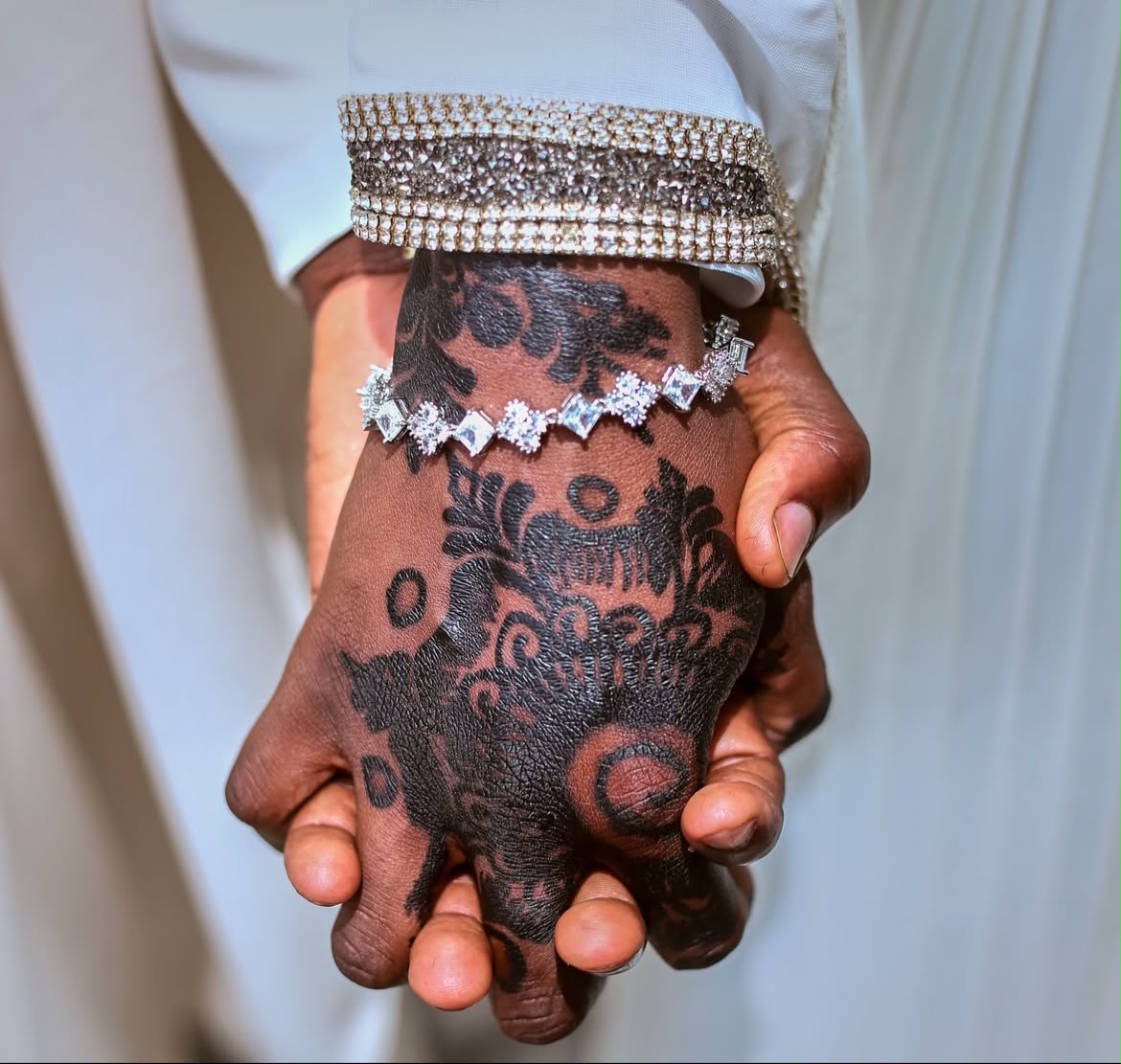
10 Conversations Every Muslim Couple Should Have Before Nikkah
“And among His signs is that He created for you spouses from among yourselves so that you may find tranquillity in them; and He placed between you affection and mercy.” Qur’an 30:21
By Abdullahi Yusuf
Can we be real for a second?
Couples can spend months preparing for a wedding. They discuss the venue, outfits, decorations, photography, guest list, invitations and every detail that will make the day memorable. Yet, sometimes, very little time is spent preparing for the marriage itself.

The wedding may last one day. The marriage could last the rest of your life. That difference deserves more attention.
Marriage brings two people together not simply as romantic partners, but as individuals with different histories, personalities, expectations, habits, families, ambitions and ways of understanding life. Love may bring two people towards nikah, but a functioning marriage requires them to understand what they are actually agreeing to build together.
This is why some conversations are more important before marriage than after it.
Compatibility begins with a simple question: do these two people actually understand the differences between them?
Not whether two people are identical, but whether they understand the differences between them. Attraction is important, but so are personality, communication style, routines, emotional needs, social preferences and values. One person may need frequent conversation while another processes things quietly. One may be highly social while the other prefers privacy. One may be ambitious and career-focused while the other places greater emphasis on a quieter domestic life. None of these differences automatically makes a marriage impossible. The problem begins when differences are discovered only after marriage and interpreted as personal betrayal rather than realities that should have been discussed.
That naturally leads to another question: what are the two people actually building together?
A marriage can become difficult when each person enters it with a completely different definition of success. One may imagine a particular lifestyle, career path, number of children or place to live, while the other has never considered those things in the same way. Conversations about where the couple hopes to be years from now are therefore not exercises in predicting the future. They are opportunities to discover whether their ideas about the future can exist within the same marriage.
The same principle applies to disagreement. Every couple will disagree; the issue is not whether conflict will occur, but what happens when it does. Can they listen without immediately becoming defensive? Can they express disappointment without humiliation or insults? Does one withdraw completely when upset while the other demands immediate resolution? Can either person apologise without treating an apology as defeat? These questions reveal something more important than whether a couple currently gets along. They reveal how they are likely to behave when getting along becomes difficult.
For Muslim couples, there is another dimension that cannot be treated as decoration around the marriage: deen.
The question is not merely whether both people identify as Muslims. It is how Islam will actually exist inside their home. What place will salah occupy? How will Qur’an be approached? What kind of Islamic environment will they want for their children? How will they respond when one person’s iman becomes weaker? Will religious practice become a source of mutual encouragement or another area of criticism and control?
The Qur’an describes marriage in terms of sakinah, affection and mercy: “And among His signs is that He created for you spouses from among yourselves so that you may find tranquillity in them; and He placed between you affection and mercy.” Qur’an 30:21
These concepts also raise the question of expectations. What does each person believe a husband should provide? What does each person believe a wife should contribute? What does companionship mean to them? What responsibilities do they expect to share, and which ones do they understand differently? Many marital frustrations do not begin with deliberate wrongdoing. They begin with expectations that were never spoken aloud. One person assumes something is obvious; the other has never understood it that way. Over time, an unspoken expectation can become an accusation, and an accusation can become resentment.

Money is another subject that cannot safely be left to assumptions. Couples should be able to discuss income, savings, debt, spending habits, financial responsibilities and the kind of lifestyle they hope to maintain. They should know whether one person expects complete financial independence or shared financial planning, how major purchases will be handled and what their long-term priorities are. Money is often about more than money. It can represent security, independence, status, responsibility and even control. Understanding what it means to each person is therefore part of understanding the person.
Then comes the question of children.
Do both want children? If so, when? How many? What kind of upbringing do they imagine? What values will they prioritise? How involved should extended family be? How will discipline, education and religious instruction be approached? Couples do not need to have every detail perfectly mapped out before marriage, but they should at least know whether they are moving in broadly the same direction.
Intimacy also belongs within this conversation, even if modesty makes many couples uncomfortable discussing it. Marriage creates a private relationship that requires trust, kindness and communication. Expectations about affection, privacy, emotional closeness and physical intimacy should not be treated as embarrassing subjects to be discovered through trial and error after nikah. Modesty does not require ignorance, and silence does not automatically produce understanding. There are ways to discuss intimate matters respectfully without reducing marriage to them.
And then there are the families.
Marriage may unite two individuals, but it often connects two family systems. Parents, siblings and relatives can become an important part of married life, sometimes positively and sometimes contentiously. Couples therefore need to understand their expectations around visits, financial assistance, privacy, living arrangements, parental involvement and the boundaries that should exist between the marriage and extended family. A spouse should not have to discover after marriage that an issue they considered private was regarded by the other family as everyone’s business.
The same applies to boundaries within the marriage itself. Work, friendships, social media, personal privacy, interactions with the opposite sex, relationships with in-laws and even the amount of individual time each person needs can become sources of tension when expectations are unclear. Boundaries are not necessarily restrictions. At their best, they are agreements that protect trust and clarify what each person considers respectful behaviour.
Taken together, these conversations point to something larger than a checklist for prospective couples.

The point is not to produce two people who agree on everything before marriage. That is neither realistic nor necessary. People change. Circumstances change. Marriage introduces responsibilities that cannot always be anticipated while two people are still preparing for it. Even the most compatible couple will eventually encounter questions for which neither person has a prepared answer.
What matters, therefore, is not simply what a couple agrees on before nikah, but whether they have developed the capacity to talk about what matters.
Marriage can be understood, in this sense, as a continuing conversation. Some subjects will be settled before nikah. Others will be renegotiated as circumstances change. Some questions will only become visible when life presents them. Compatibility, therefore, should not be reduced to similar personalities, interests, backgrounds or preferences. A deeper form of compatibility is the ability to understand difference, negotiate expectations and remain respectful when agreement becomes difficult.
The ten conversations are not a test that determines whether two people are ready for marriage. They are a means of discovering how those two people think, what they value, what they expect and, perhaps most importantly, how they are likely to communicate when marriage gives them something neither of them expected.
That may be one of the most important preparations for nikah: not having every answer, but knowing whether the two of you can keep having the right conversations.
SPONSORED

SPONSORED

SONSORED
