
Sokoto Scholars Take Lukuwa Controversy to Court, Reject Street Justice
Descendants of Sheikh Usmanu bin Fodio and Sufi groups seek investigation and prosecution if allegations over remarks on Prophet Muhammad are established
By Abdullahi Yusuf
Islamic organisations in Sokoto State have taken their opposition to alleged remarks by Sheikh Musa Ayuba Lukuwa concerning the biological parents of Prophet Muhammad (SAW) to the authorities, demanding that the cleric be investigated and prosecuted if the allegations are established.
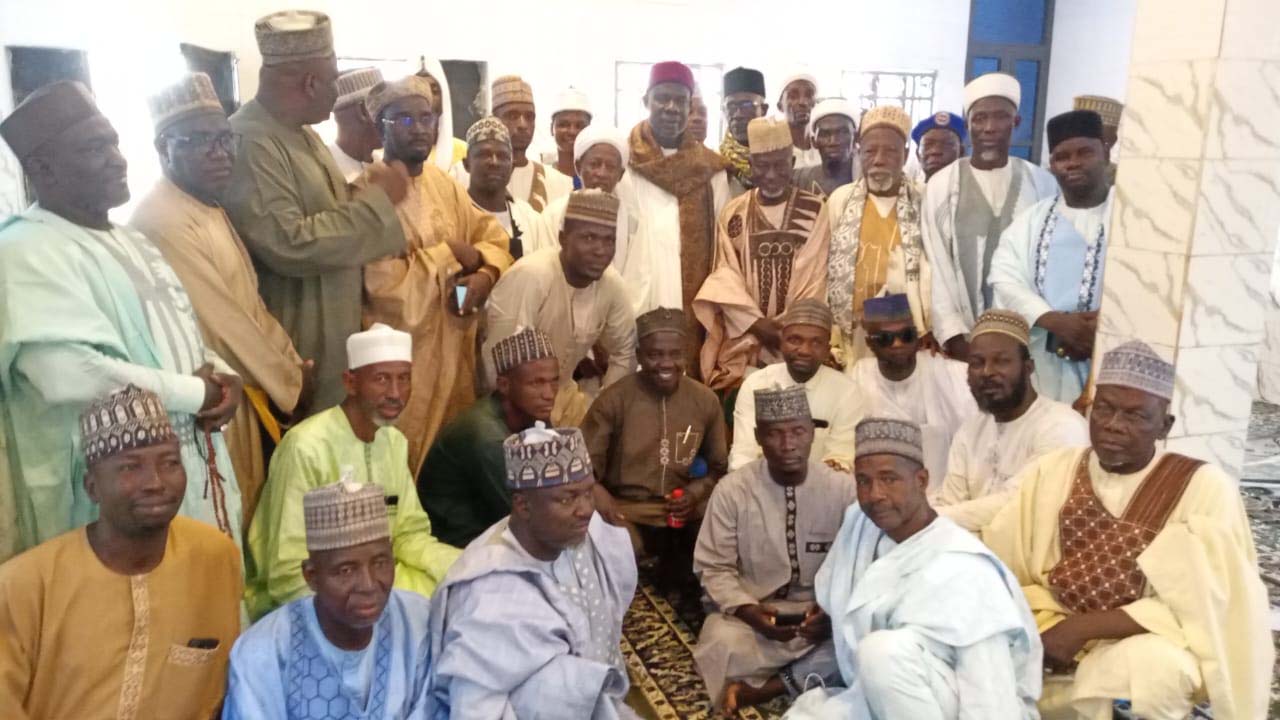
The groups, which include descendants of Sheikh Usmanu bin Fodio and representatives of the Tijjaniyya and Qadiriyya traditions, said the matter should be resolved through the courts rather than through confrontation or extrajudicial action.
Their demand followed petitions reportedly submitted to relevant authorities by several Islamic organisations and individuals, including Ansar under the leadership of Sarkin Kudun Dange, Alhaji Saidu Ahmad Muhammad; the National Council of Sufism in Nigeria, led by Professor Abubakar Abubakar Yagawal; and Concerned Citizen/Human Rights Advocate Comrade Husaini Muhammad Gwadabawa.
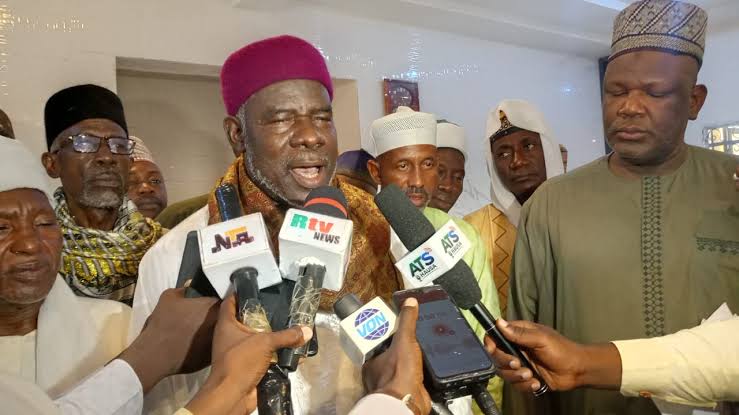
At a press conference in Sokoto on Monday, the National Council of Sufism in Nigeria described the alleged remarks as unacceptable and said the honour of Prophet Muhammad (SAW) remained a matter of profound religious significance to Muslims.
The council called on the Federal Government, Sokoto State Government and security agencies to investigate the allegations and, where an offence is established, bring Lukuwa before a competent court to answer any charges prescribed by law.
It said its members were prepared to make significant personal sacrifices in defence of the honour of the Prophet, but stressed that any response to the controversy must remain within the bounds of the law.
The council also warned against treating religious tolerance as a licence for statements capable of inflaming religious sentiments, while asking security agencies to act decisively and professionally.
For the groups involved, the issue is not a call for mob action or punishment outside the law. They said religiously sensitive disputes should be subjected to scholarly scrutiny and, where necessary, judicial determination.
They consequently appealed to Islamic scholars, traditional institutions, community leaders and members of the public to exercise restraint and avoid actions capable of worsening the situation.
The controversy has also raised questions about the responsibility of religious scholars in an age when sermons and religious pronouncements can spread rapidly through social media, taking local disputes into wider public spaces within hours.
For descendants of Sheikh Usmanu bin Fodio and other organisations involved in the agitation, the matter carries particular weight because of the place of the Prophet in Islamic belief and the historic role of Sokoto as a major centre of Islamic scholarship.
Their position, however, has been framed around legal accountability rather than confrontation: establish what was said, determine whether it constitutes an offence under Nigerian law, and allow a competent court to decide the consequences.
The focus now shifts to the authorities and relevant legal institutions to determine the substance of the allegations and whether the statements attributed to Lukuwa meet the threshold of an offence.
The dispute puts Sokoto at the intersection of religious sensitivities, freedom of expression and public order, while testing whether a deeply charged theological controversy can be contained through scholarship, restraint and the rule of law.
SPONSORED

SPONSORED

SONSORED
