
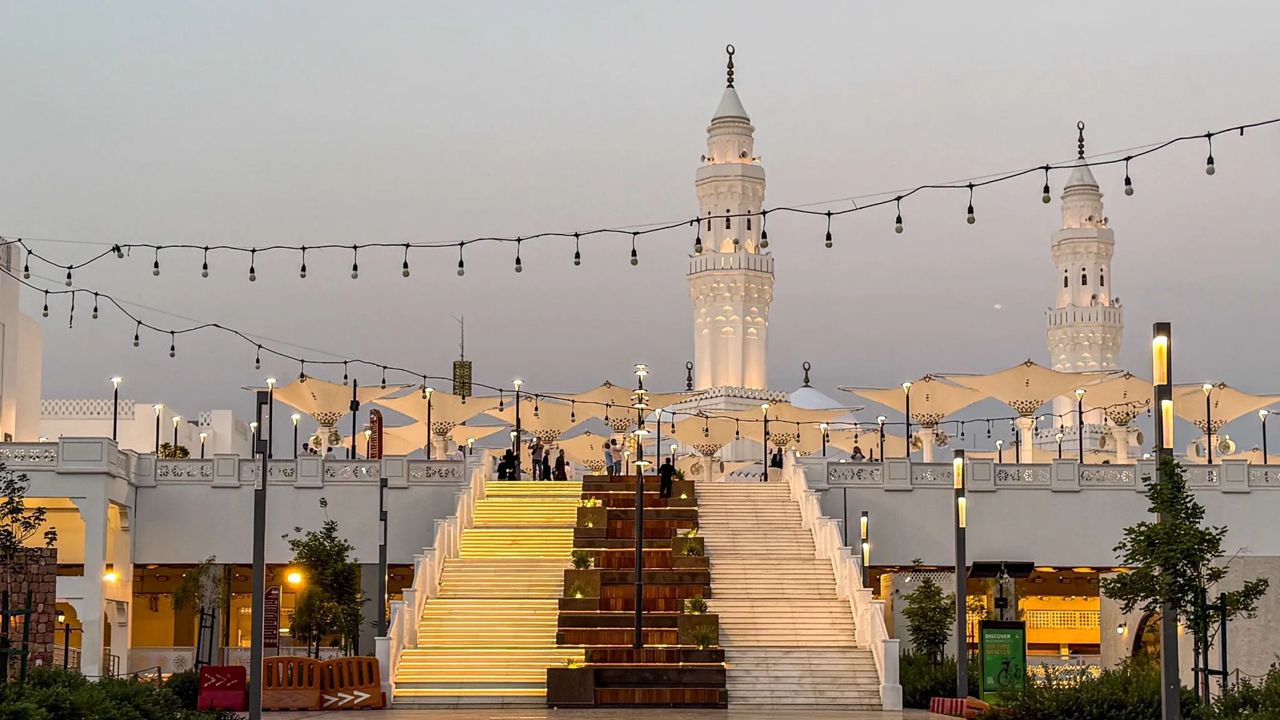
Madinah Opens Women’s Prayer Halls for All Five Daily Prayers
Saudi Arabia extends access to women’s musallas across neighbourhood and congregational mosques, bringing daily prayer facilities beyond the Prophet’s Mosque
By Abdullahi Yusuf
Women in Madinah will now have access to designated prayer halls in mosques throughout the day, after Saudi Arabia approved the opening of women’s musallas for all five obligatory prayers.
The decision, approved by the Minister of Islamic Affairs, Dawah and Guidance, Sheikh Dr Abdullatif bin Abdulaziz Al Alsheikh, extends daily access beyond major religious sites to ordinary neighbourhood mosques and large congregational mosques, known as jawami.
Under the new arrangement, women’s prayer sections that previously opened mainly on Fridays, during Ramadan’s Taraweeh prayers, Eid celebrations or peak pilgrimage periods will now be available for the five daily prayers.
The measure is expected to provide greater flexibility for women living in or visiting Madinah, including those who are working, shopping or travelling and need to perform their prayers while away from home.
Implementation of the directive is being overseen by the Madinah branch of the Ministry of Islamic Affairs, Dawah and Guidance, headed by its Director-General, Sheikh Osama bin Zaid Al-Madkhali.
The ministry has also strengthened arrangements around designated women’s areas, deploying female field personnel as mosque monitors and security guards at the prayer facilities.
A total of 115 women have been assigned as mosque monitors and security guards at women’s sections in several historic mosques across Madinah, including Sayyid al-Shuhada, Qiblatain, Khandaq, Ghamama, Mustarah and Jumu’ah mosques.
The new directive does not apply to the Prophet’s Mosque, Masjid an-Nabawi, which already has extensive women’s prayer facilities operating continuously.
The expansion marks a wider opening of mosque facilities to women across Madinah, allowing residents and visitors greater opportunity to observe the five daily prayers in designated spaces without having to return home or locate a mosque with an open women’s section.
The move also places greater emphasis on ensuring that women’s access to prayer facilities is available not only during major religious occasions, but as part of the daily rhythm of worship across the city.
SPONSORED

SPONSORED

SONSORED
