
Nigeria’s Lassa Fever Death Toll Hits 252 as Cases Cross 1,000
Fourteen new infections reported in one week as case-fatality rate climbs to 24.4%, with young adults among those most affected
By Abdullahi Yusuf
Nigeria’s Lassa fever outbreak has killed 252 people this year as confirmed infections climbed to 1,035, according to the latest situation report from the Nigeria Centre for Disease Control and Prevention (NCDC).
The agency recorded 14 new confirmed cases during epidemiological week 33, covering August 10 to 16, bringing the cumulative number of confirmed infections in 2026 to 1,035.
The latest infections were recorded in Ondo, Edo, Bauchi and Benue states, while two deaths were reported during the week.
The cumulative death toll translates to a case-fatality rate of 24.4%, considerably higher than the 18.6% recorded during the corresponding period in 2025, when 159 deaths were reported among 854 confirmed cases.
The outbreak has now been recorded in 23 states and 117 local government areas, with five states: Ondo, Bauchi, Taraba, Edo and Benue, accounting for 87% of confirmed infections.
The latest figures also point to a sharp week-on-week rise in confirmed cases. Four cases were reported in epidemiological week 32, covering August 3 to 9, compared with 14 in week 33. The previous week recorded one death, compared with two in the latest reporting period.
People aged 21 to 30 remain the age group most affected by the outbreak.
The NCDC report shows that confirmed cases have occurred among people aged between one and 93 years, with a median age of 30. The distribution between male and female cases was relatively close, with a male-to-female ratio of 1:0.9.
The concentration of infections among young adults adds another dimension to an outbreak more commonly associated with seasonal transmission.
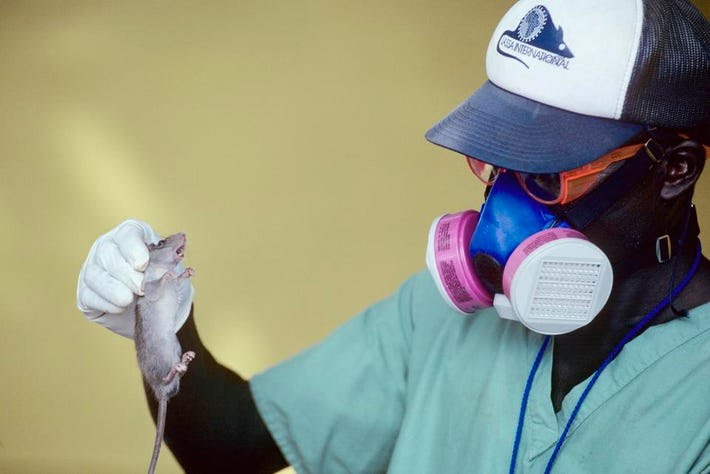
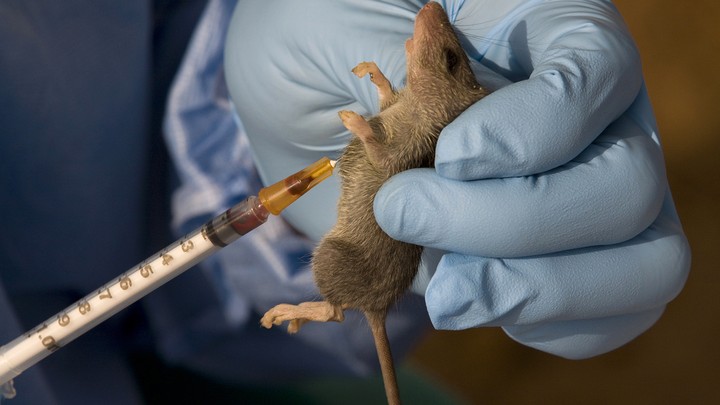
Lassa fever is an acute viral haemorrhagic disease endemic to parts of West Africa, including Nigeria. People can become infected through contact with food or household items contaminated by the urine or faeces of infected rodents. Person-to-person transmission can also occur, particularly in healthcare settings.
Although Lassa fever is commonly associated with Nigeria’s dry season, infections occur throughout the year.
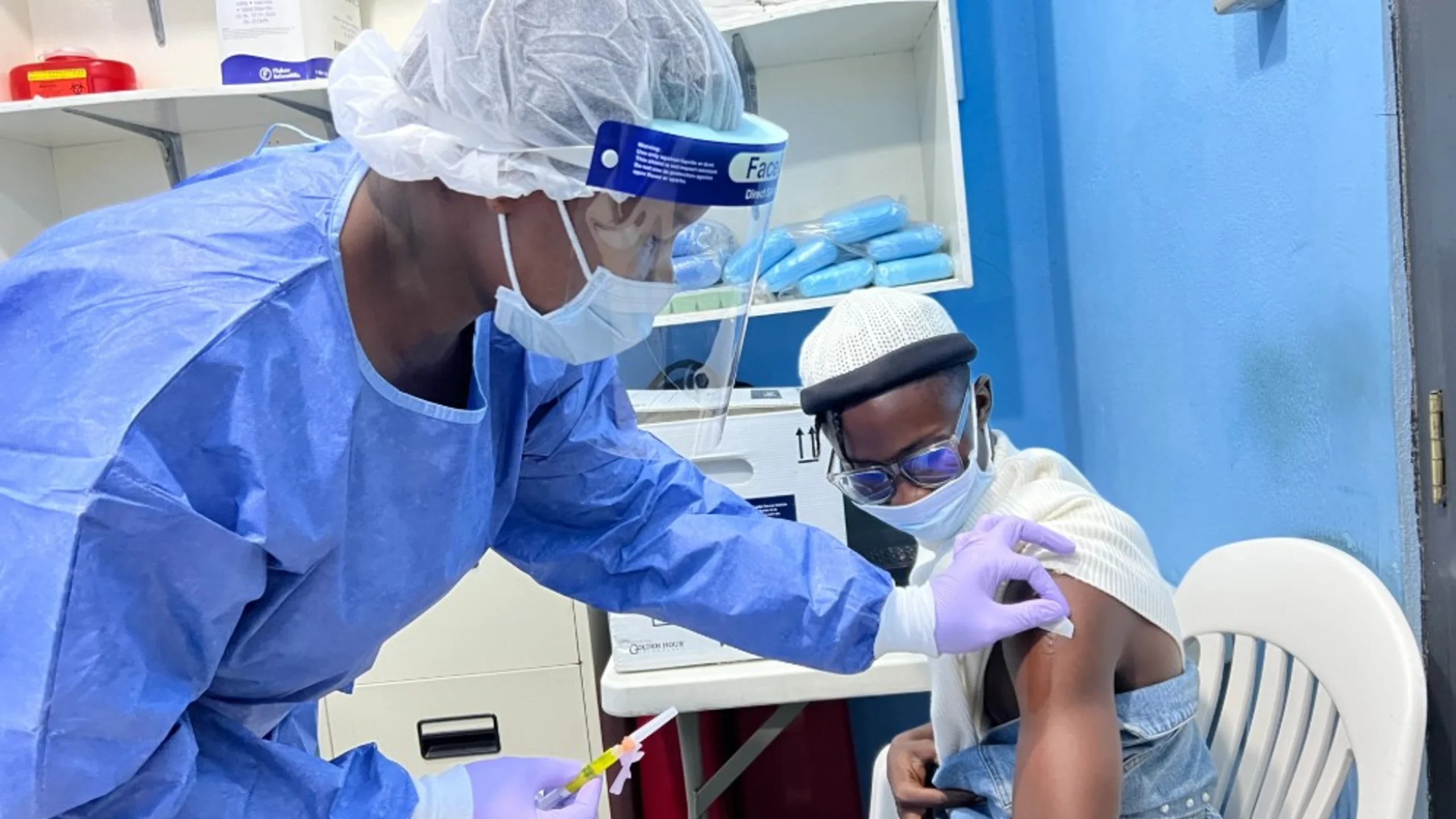
The disease can initially resemble other common illnesses, with symptoms including fever, weakness, headache, sore throat and vomiting. Severe cases can progress to bleeding and other life-threatening complications.
The latest figures underscore the continuing burden of a disease that remains endemic in Nigeria rather than an isolated outbreak confined to a single region.
With more than 1,000 confirmed infections and a death toll already exceeding 250, the latest surveillance figures show that Lassa fever remains a persistent test of Nigeria’s ability to detect infections early, limit transmission and prevent otherwise treatable cases from becoming fatal.
The jump from four confirmed infections in one week to 14 in the next is a reminder that the numbers can shift quickly even when the disease is already familiar to the health system.
Behind the statistics is therefore a familiar Nigerian health challenge: an endemic disease, recurring transmission, delayed recognition in some cases and the continuing need for vigilance long after the headlines fade.
SPONSORED

SPONSORED

SONSORED
