
Nigeria Must Adopt Structured Hajj Savings and National Policy, Dr. Shehu urges
Expert calls for structured Hajj savings, timely payments, and national policy reforms to enhance pilgrim welfare and boost Nigeria’s economic gains from Hajj operations
By Abdullahi Yusuf
Dr. Shehu Usman Muhammad has called for a comprehensive overhaul of Nigeria’s Hajj operations, emphasizing structured Hajj savings schemes, early financial planning, and a national policy to ensure pilgrims’ welfare and boost economic benefits.

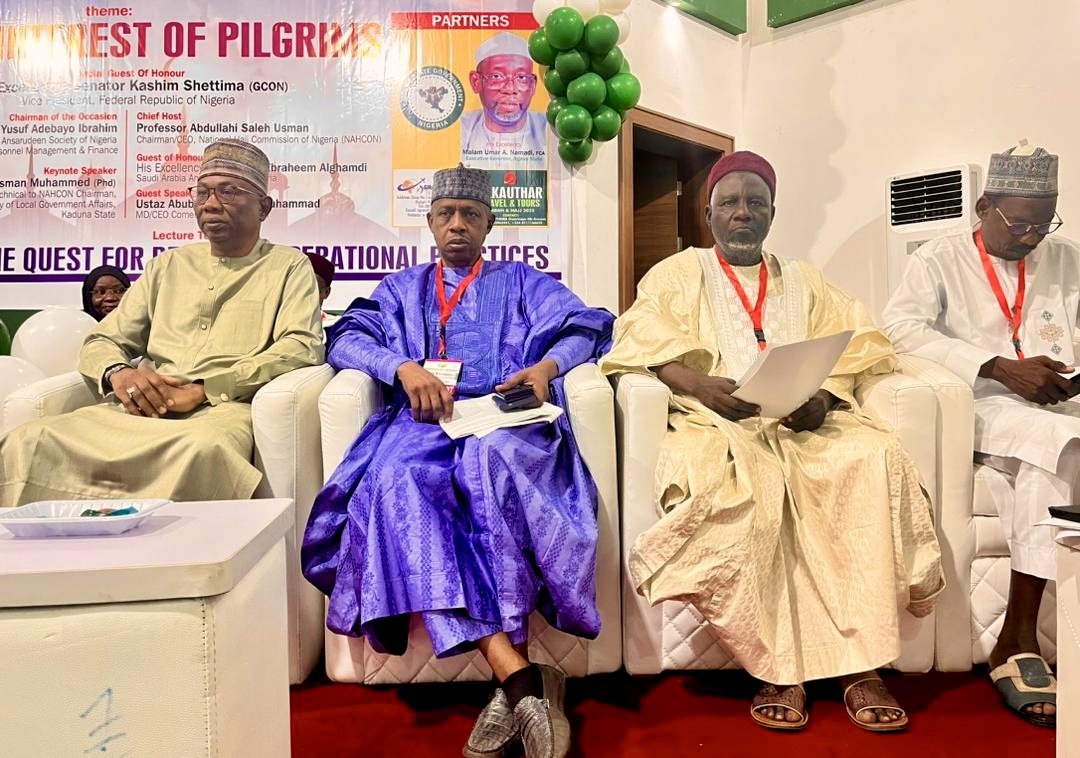
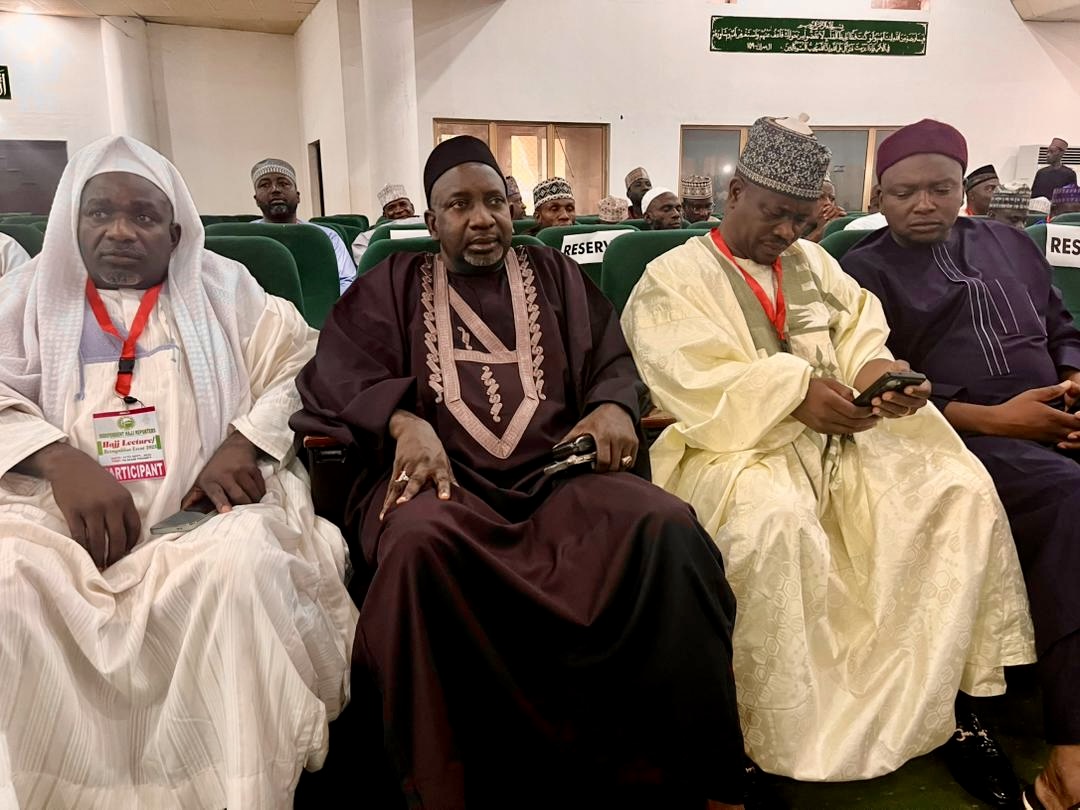
The call was made by the former Hajj technocrat, during his paper presentation titled “Nigeria and the Quest for Best Hajj Operational Practices” at the Independent Hajj Reporters’ 2025 Annual Lecture and Award Ceremony held in Abuja.
Dr. Muhammad highlighted pre-Hajj activities as a critical phase requiring strict adherence to timelines, including the announcement of Hajj fares, registration, payments, acquisition of services, and signing of agreements with service providers. He noted that inconsistent compliance with deadlines has been a persistent challenge in past years.
“The most consistent practice in our Hajj operations has unfortunately been inconsistency in respecting the yearly Hajj calendar. If deadlines were observed, there would be no need for extensions,” he said.
The expert stressed the need for early and structured Hajj savings schemes, particularly for rural pilgrims, mostly smallholder farmers, whose seasonal income affects timely payment. He urged that such schemes should operate transparently, over multiple years, and with clear policies to avoid ad-hoc payments into state accounts, which undermine efficiency.
Dr. Muhammad further advocated for leveraging Islamic financial institutions to fund Hajj operations, citing examples from Malaysia and Indonesia where savings and agricultural development systems subsidize pilgrimage costs while promoting economic growth.
“Nigeria has the capacity to adopt similar schemes. Structured savings over five to ten years, coupled with accountability, can eliminate last-minute delays and financial uncertainties,” he said.
He also recommended that NAHCON and state boards adopt a unified, ICT-driven management system for Hajj operations to track payments in real time, prevent duplication, and enhance transparency. Benchmarks should be set for education, accommodation, transport, healthcare, and communication to ensure accountability at all levels.
Dr. Muhammad emphasized that Hajj is not only a religious obligation but also a potential economic activity. With proper planning, Nigeria could derive significant economic benefits from pilgrims’ expenditures, he noted, pointing out that most current spending indirectly benefits other countries like China.
“A national Hajj policy that integrates religious, social, and economic dimensions will strengthen the system, boost transparency, and allow financial institutions to invest confidently,” he added.
He concluded that Nigeria’s Hajj operations could achieve excellence through financial discipline, stakeholder engagement, long-term savings, and strong governance measures, ensuring that pilgrims perform their sacred duties efficiently while the nation benefits socially and economically.
The lecture also featured discussions on best practices, lessons from past Hajj exercises, and stakeholder responsibilities in delivering world-class services to pilgrims.
SPONSORED

SPONSORED

SONSORED
