
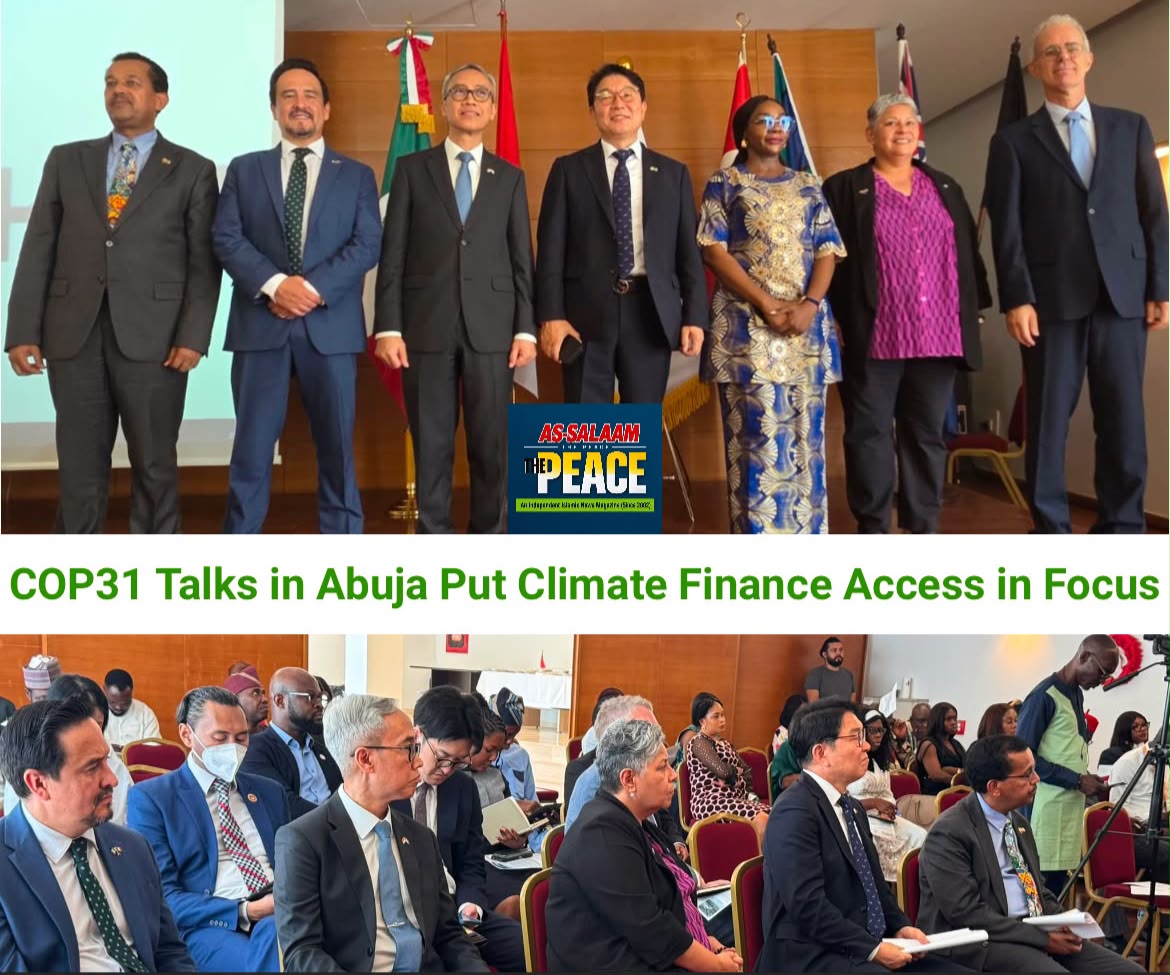
COP31: MIKTA, Nigeria Focus on Turning Climate Pledges into Funded Projects
Talks in Abuja centred on climate finance access and the challenge of turning national commitments into investment-ready projects ahead of the UN climate summit in Türkiye.
By Abdullahi Yusuf
Nigeria has urged international partners to help turn climate commitments into funded projects, warning that developing countries cannot afford to return from successive climate conferences with more promises but little financing reaching communities on the ground.
The call came at a MIKTA COP31 priorities event in Abuja on Tuesday, where representatives of Mexico, Indonesia, South Korea, Türkiye and Australia discussed climate finance, project preparation and implementation with Nigerian officials and other stakeholders ahead of the UN climate conference in Antalya, Türkiye.
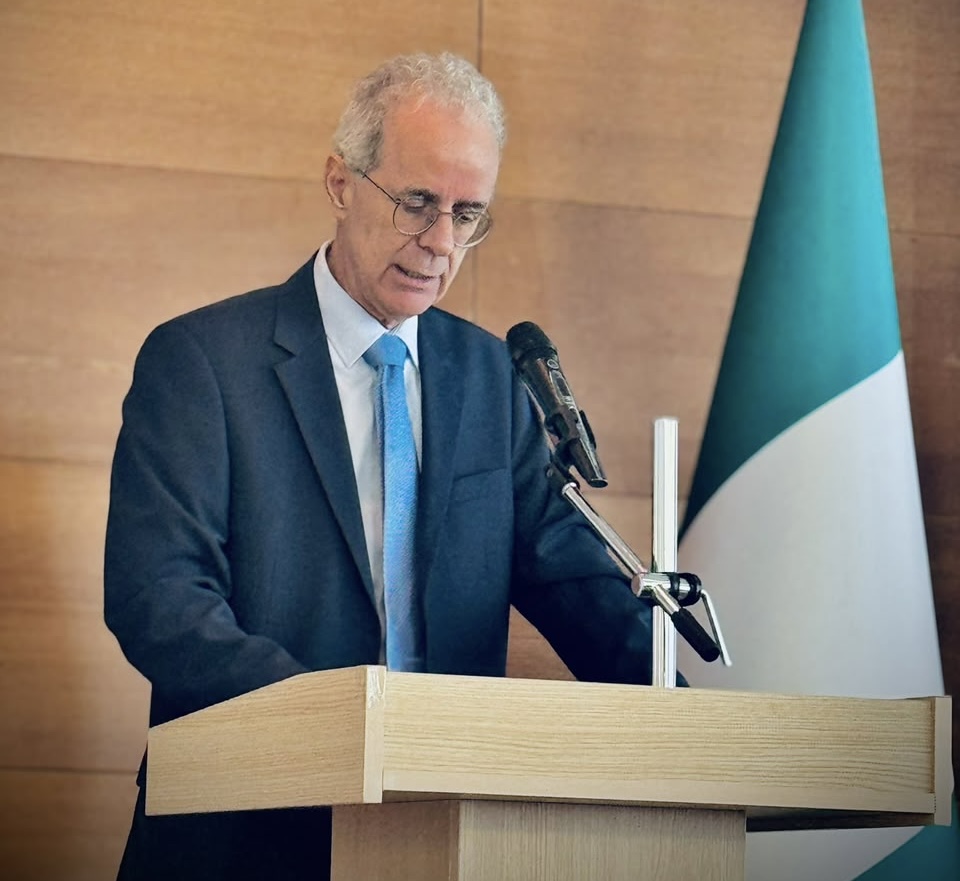
Türkiye’s Ambassador to Nigeria, H.E. Mehmet Poroy, said the conference should move beyond negotiating further commitments and concentrate on implementing those already made.
“As the incoming COP-31 presidency, we are working closely with our Australian partners to ensure that COP-31 in Antalya contributes not only to furthering negotiations, but also to accelerating the implementation of commitments already made,” Poroy said.
“Our vision is therefore clear. COP-31 should be an implementation COP.”
He said developing countries, particularly in Africa, needed access to finance, technology and project-preparation support to translate national climate commitments into practical action.
Poroy added that climate finance should be linked to development priorities, including energy security, sustainable agriculture, food security, green industrialisation and climate-resilient cities.
He also highlighted Türkiye’s Climate Implementation Bridge, an initiative of the COP31 Presidency being developed with the United Nations Development Programme. The initiative is designed to help countries turn climate and development priorities into investment-ready projects and connect them with existing financing opportunities, rather than establish a new climate fund.
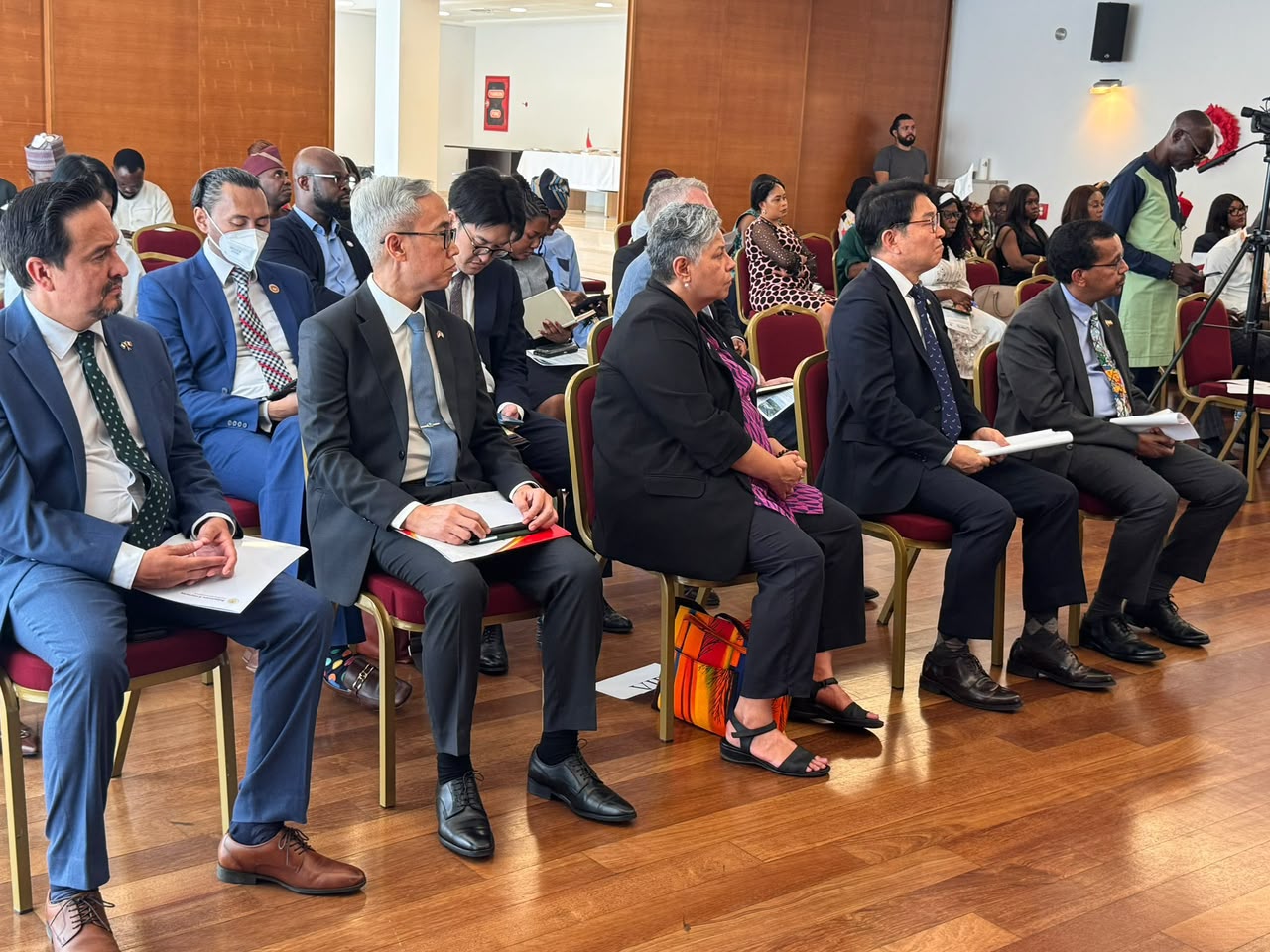
PEACE Magazine learnt that a central concern at the meeting was the gap between countries’ climate commitments and their capacity to develop projects that can attract financing, particularly in developing countries where technical capacity and project-preparation support remain challenges.
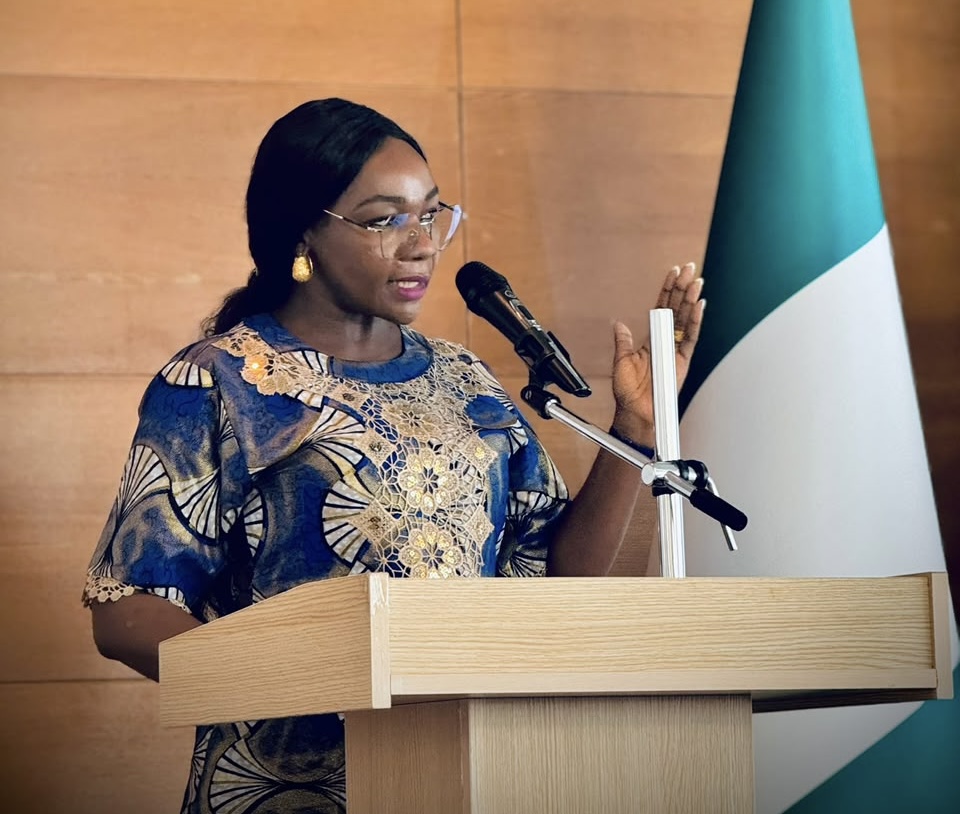
Representing the Director-General of Nigeria’s National Council on Climate Change, Omotenioye Majekodunmi, Jummai Vandu said Nigeria wanted climate commitments translated into measurable outcomes.
She identified adaptation finance, decentralised climate action and an inclusive transition as priorities, stressing that funding should be accessible to vulnerable communities and support implementation at state and local government levels.
Vandu also emphasised the need for women and young people to benefit from climate investments, while ensuring that the transition to cleaner energy supports energy security, employment and economic development.
During the question-and-answer session, a participant asked how climate finance could reach small- and medium-scale farmers and young people who lack the technical support and capital needed to develop investment-ready projects.
The discussion also touched on taxonomies, project-screening systems and policy frameworks intended to help identify viable projects and connect them with financing.
Australia’s High Commissioner to Nigeria, H.E. Leilani Bin-Juda, highlighted the difficulty many developing countries face in accessing climate finance, including complex application processes, fragmented funding arrangements and delays.
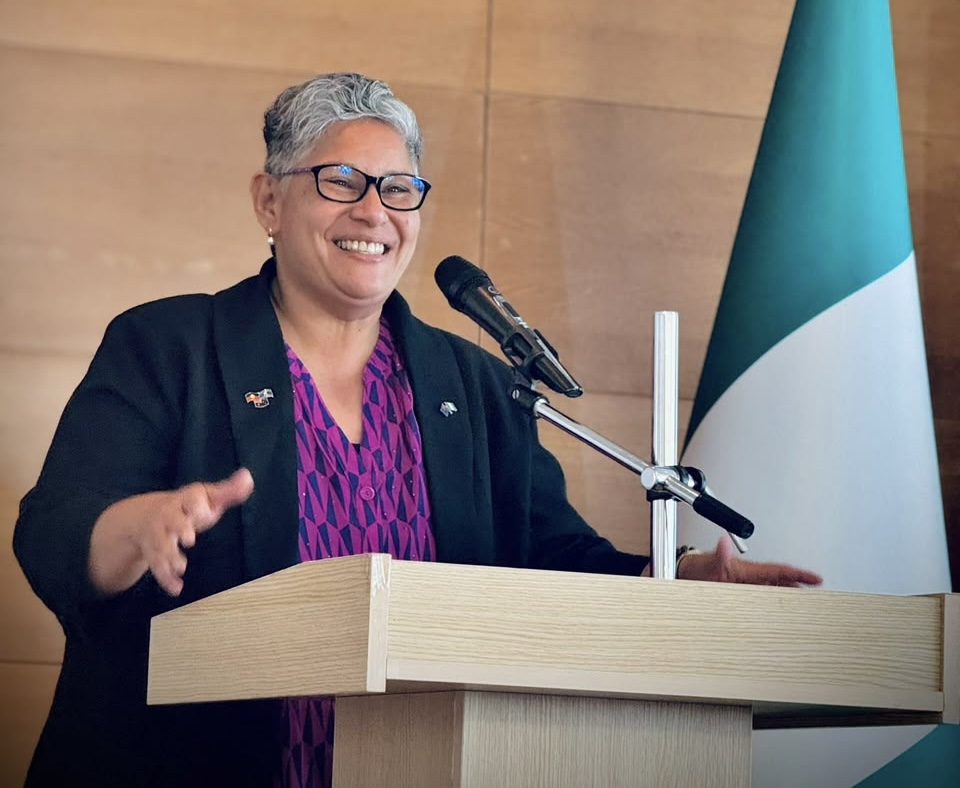
She drew attention to a Pacific-led action plan on access to climate finance for Small Island Developing States and Least Developed Countries, launched at the Pre-COP meeting in Fiji in October. The initiative seeks to simplify funding applications and approvals, strengthen countries’ capacity to prepare investment-ready projects and improve access to finance.
Bin-Juda called for Nigeria’s support, saying broader backing would help advance efforts to make climate finance more accessible and responsive to the needs of vulnerable countries.
South Korea’s Ambassador to Nigeria, H.E. Jeong Yo-an, said Nigeria would need substantial financing to meet its climate commitments, identifying agriculture, renewable energy, power infrastructure and green technology as potential areas for cooperation.
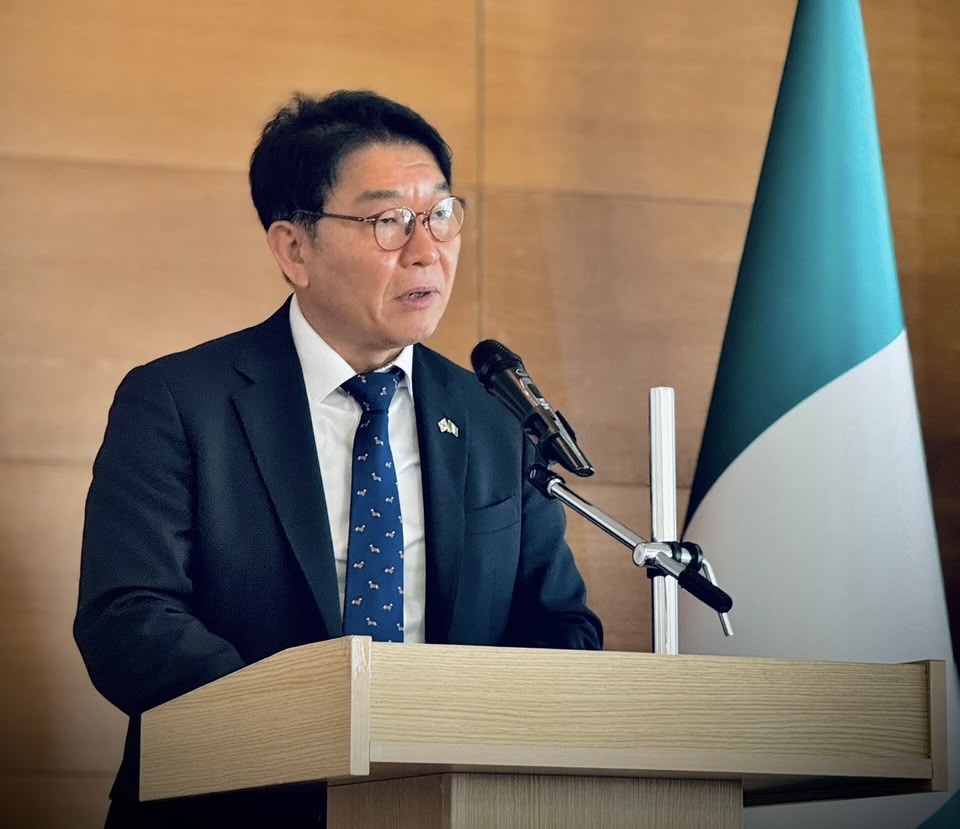
He also highlighted a planned project involving the Korea International Cooperation Agency and the Food and Agriculture Organisation, covering the 2026–2030 period. The initiative is intended to create green jobs for young people through climate-smart agriculture and digital technology, while strengthening food security and resilience.
Indonesia’s Ambassador to Nigeria, H.E. Bambang Suharto, said his country was also confronting a significant climate-financing gap and proposed exploring an Indonesia-Nigeria Climate Finance and Resilience Partnership.
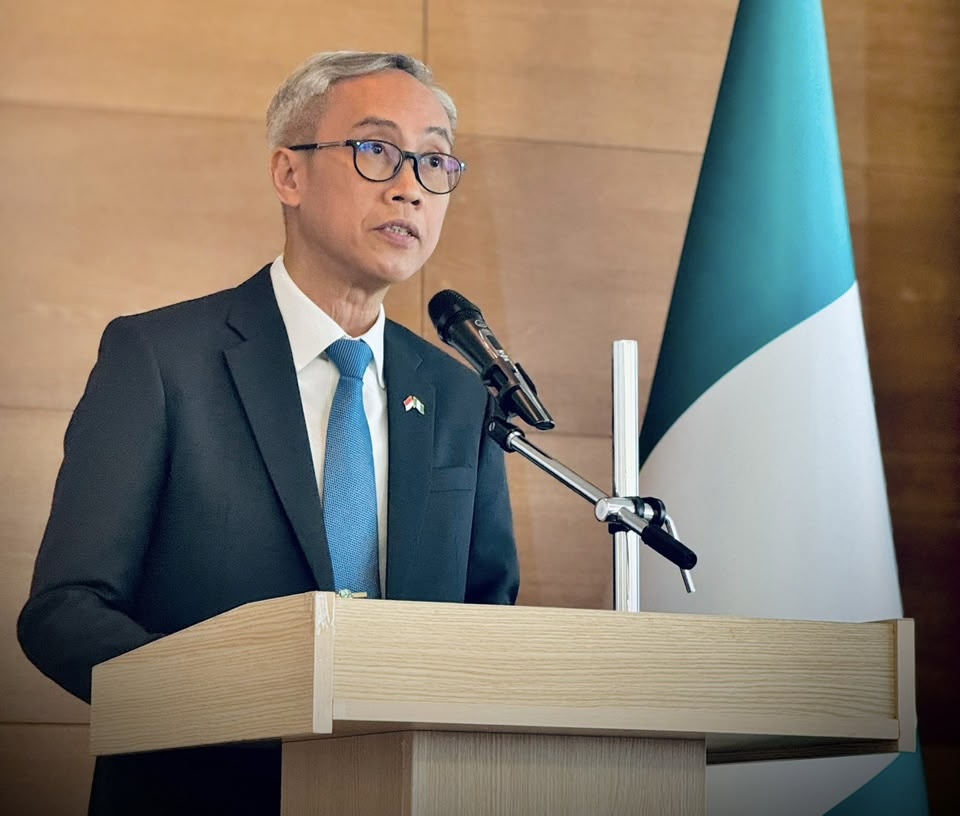
He identified climate-resilient agriculture, land restoration, coastal protection, clean energy and green industrialisation as possible areas of cooperation.
Suharto also called on developed countries to honour their climate-finance commitments and provide greater support for project preparation, enabling developing countries to develop proposals capable of attracting investment.
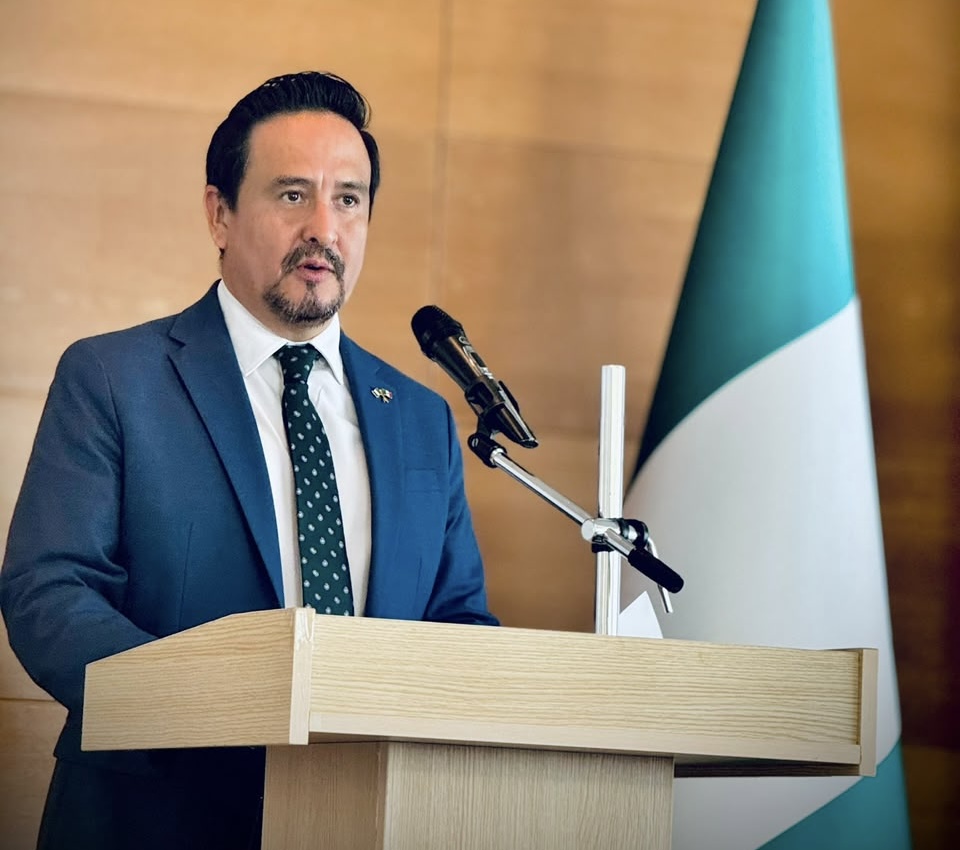
Mexico’s Chargé d’Affaires in Nigeria, José Manuel Briseño Flores, stressed the need to ensure that climate finance translated into practical outcomes, including renewable energy solutions. He said funding should support approaches that address communities’ needs while advancing the transition to cleaner energy.
The Ethiopian Ambassador to Nigeria, H.E. Legesse Geremew Haile, said Africa remained disproportionately vulnerable to climate change despite contributing a relatively small share of global emissions.
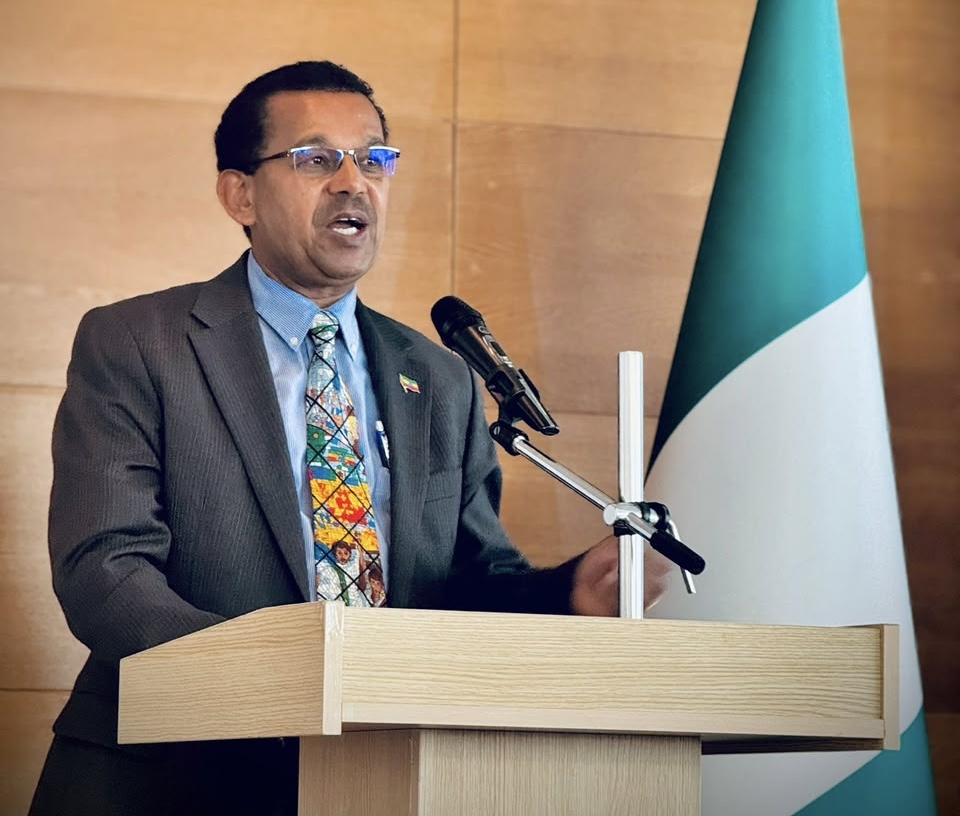
He called for predictable, grant-based finance and technology transfers to help African countries implement their climate priorities. He also cited Ethiopia’s Green Legacy Initiative as an example of environmental restoration linked to employment, land recovery and carbon capture.
COP31 is scheduled to take place in Antalya, Türkiye, from November 9 to 20, 2026. Türkiye holds the conference presidency, while Australia will lead the negotiations. Climate finance, implementation and support for investment-ready projects are among the priorities being advanced ahead of the summit.
SPONSORED
SPONSORED

SPONSORED

SPONSORED
