
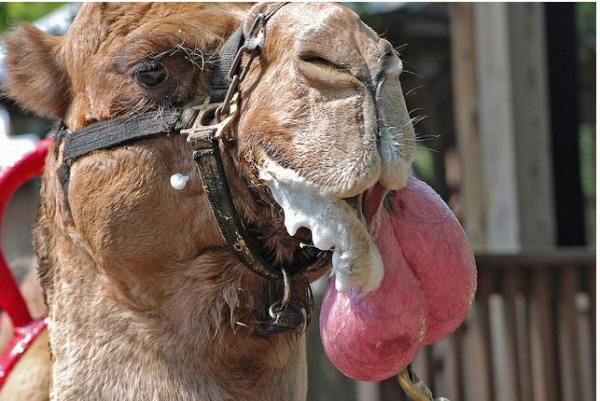
Mysteries of the Camel
“Do they not look at the camels, how they are created?” (Qur’an 88:17)
By Abdullahi Yusuf
Adapted from Sheikh Ahmed Mohammed A. Wal’s Islam & Science
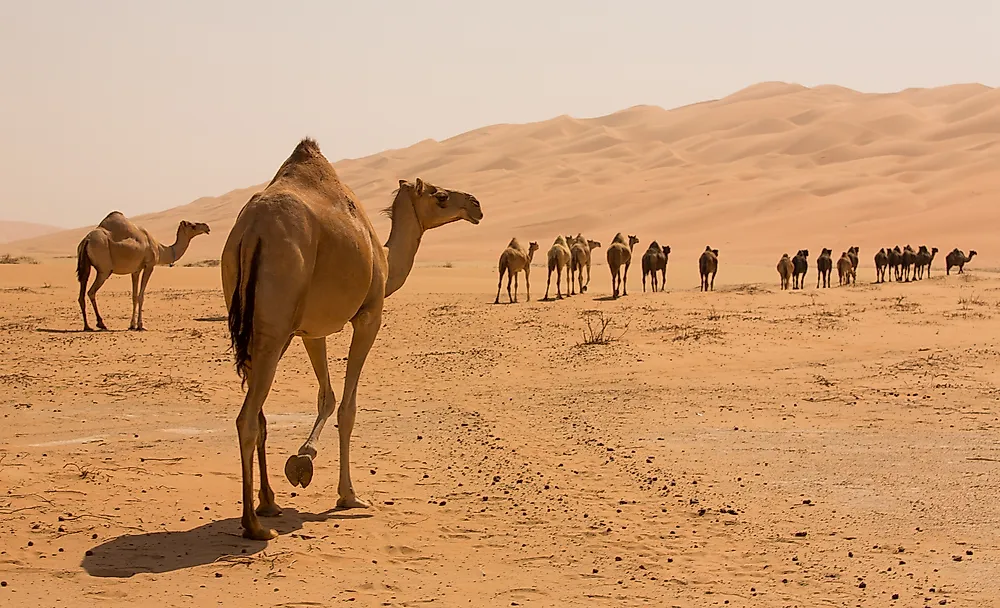
The camel survives where water is scarce, temperatures are extreme and vegetation is often thorny. Its body is remarkably equipped to endure the demands of the desert and conserve what the environment withholds.
How does an animal survive an environment that appears hostile to survival?
In the Qur’an, Allah asks: “Do they not look at the camels, how they are created?” (Qur’an 88:17).

Verses 17 to 20 of Surah Al-Ghashiyah draw attention to the camel, the sky, the mountains and the earth, inviting human beings to observe the signs of creation around them. The camel comes first in this sequence, offering a vivid example of an animal whose physical characteristics enable it to thrive where many other creatures would struggle.
The camel has long served humanity, particularly in desert regions. It has been used for transportation, agriculture, milk, meat and other purposes, earning it the enduring description “ship of the desert”. Its usefulness is closely connected to the characteristics that enable it to survive in arid environments.
One of its most impressive abilities is its capacity to withstand dehydration. Contrary to the popular belief that a camel stores water in its hump, the hump primarily stores fat, which can be metabolised for energy when food is scarce. Its body is remarkably economical with water. During dehydration, a camel can allow its body temperature to fluctuate substantially, reducing the need to dissipate heat through sweating and limiting water loss.
Its digestive system enables it to consume vegetation that many other animals would find difficult to eat. Camels can feed on coarse and thorny plants, while specialised microbial fermentation helps break down fibrous material and extract nutrients.
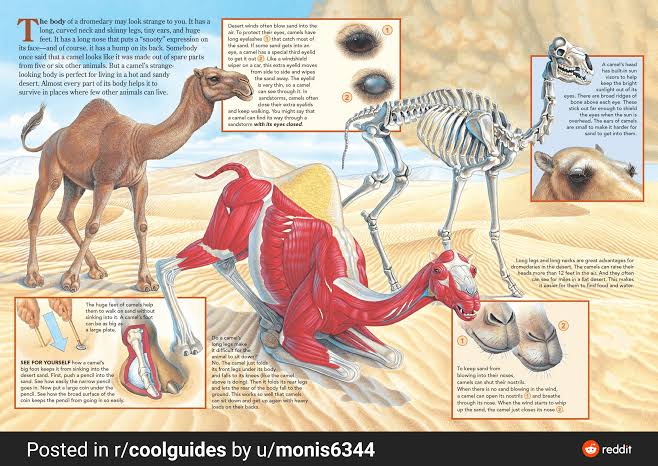
The camel is also equipped for the desert’s blowing sand. Its nostrils can narrow against airborne sand, while its long eyelashes and protective eyelids help shield its eyes from dust and debris.
Its relationship with heat is equally unusual. Camels can tolerate substantial fluctuations in body temperature, helping them conserve water. Specialised blood circulation around the nasal region also contributes to cooling the brain during severe heat stress.
Camels are capable of learning and retaining information about their surroundings, another trait that has contributed to their usefulness to human communities across desert landscapes.
Science can describe how these systems work. The Qur’anic invitation asks us to look at the creature and reflect on what its existence reveals about creation.
For centuries, desert communities have depended on camels for transportation and survival, while their milk, meat and hides have provided important resources. Their ability to travel through difficult terrain has also made the camel a natural symbol of patience and resilience.
The Qur’anic question remains strikingly relevant: what can the camel’s ability to survive such a demanding environment teach us about the order and wisdom of creation?
For science however, the camel presents a fascinating study of physiology, adaptation and survival. For the believer, the same creature can become a sign that encourages deeper reflection on the wisdom and order of Allah’s creation.
And perhaps that is the greater lesson of the camel: while human beings often complain about the burdens they carry, a creature adapted to one of the world’s harshest environments quietly demonstrates endurance, usefulness and resilience.
Why then are you in rebellion, O man, when even this animal is a model of patience?
SPONSORED

SPONSORED

SONSORED
