

The Skin and Sensation
“…We will drive them into a Fire. Every time their skins are roasted through We will replace them with other skins so they may taste the punishment…” (Qur’an 4:56)
By Abdullahi Yusuf
Adapted from Sheikh Ahmed Mohammed A. Wal’s Islam & Science
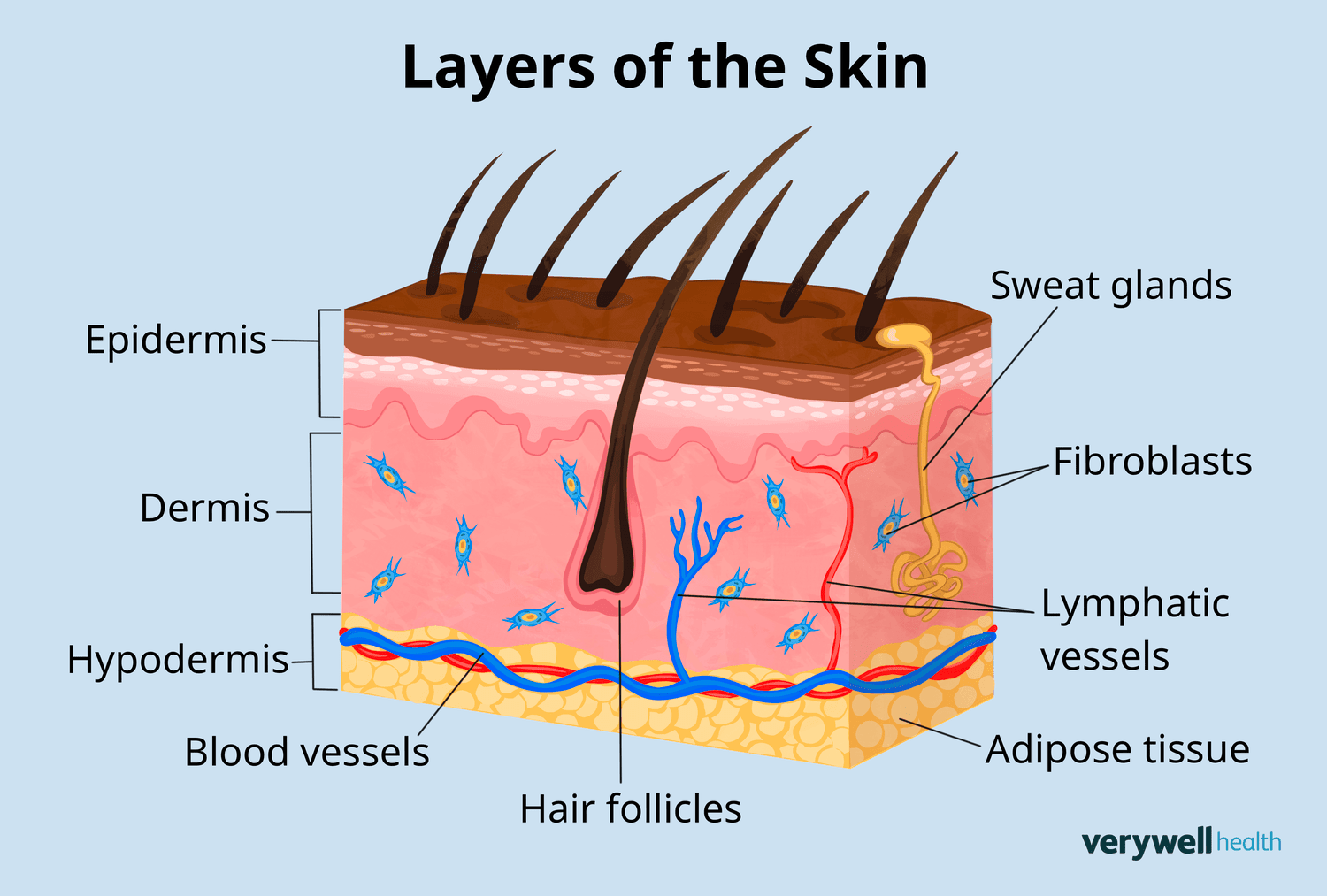
The skin is more than the body’s outer covering. It is a living, protective organ that helps shield the body from its surroundings, regulate temperature and provide the sense of touch. Within it are specialised nerve endings that allow us to detect sensations including heat, cold, pressure, touch and pain.

The Qur’an draws attention to the skin in a striking passage describing the punishment of those who reject Allah’s signs:
“Indeed, those who disbelieve in Our verses – We will drive them into a Fire. Every time their skins are roasted through We will replace them with other skins so they may taste the punishment. Indeed, Allah is ever Exalted in Might and Wise.” (Qur’an 4:56)
The verse specifically mentions the replacement of the skin and connects it with the ability to “taste the punishment.” This has long invited reflection on the relationship between the skin and sensation.
Modern physiology shows that the skin contains a network of specialised sensory nerve endings. These receptors detect different forms of physical stimulation, including light touch, pressure, temperature and potentially damaging stimuli. Signals generated by these receptors are transmitted through nerves to the spinal cord and brain, where they are processed as sensations.
This explains why severe burns can produce a complex pattern of sensation. When tissue is extensively damaged, sensory nerve endings can also be destroyed, sometimes resulting in reduced sensation in the affected area. The relationship between tissue damage and sensation is therefore more complex than simply saying that all pain originates in the skin.
The skin is also remarkably dynamic. It continually renews itself, repairs damage and contributes to the body’s regulation of heat and water loss. Its sensory functions allow human beings to interact with their surroundings and respond to potentially harmful conditions.
The Qur’anic reference in 4:56 is not a medical textbook, nor does the verse provide a scientific description of nerve endings or pain pathways. Yet its deliberate reference to the skin in connection with the experience of punishment gives the believer another reason to contemplate the complexity of the human body.
The deeper reflection lies not merely in the fact that the skin can feel, but in the extraordinary system through which the human body detects its environment, responds to danger and communicates sensations to the brain.
A seemingly ordinary layer covering the body is, in reality, a sophisticated sensory interface between the human being and the world.
And when the Qur’an directs our attention to the skin, it invites us to look beyond its surface.
SPONSORED

SPONSORED

SONSORED
