
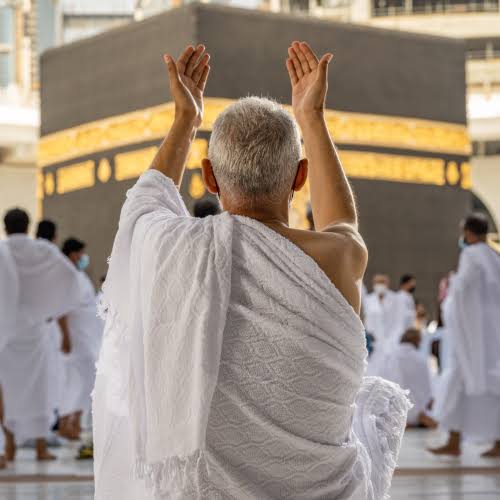
Hajj Flakes – 15th Dhul Hijjah 1447 AH
By Abdullahi Yusuf
1. The first batch of 165 Pakistani pilgrims has arrived in Islamabad marking the commencement of return operations for Pakistan’s 2026 Hajj contingent.
2. Gombe State Muslim Pilgrims Welfare Board has announced that its first batch of returning pilgrims is expected back home on June 6, while subsequent flights are scheduled from June 7.
3. Kebbi State has commenced the distribution of main luggage to pilgrims ahead of return flights to Nigeria.
4. Engr. Nazir Jalalaini, a veteran Hajj official and long-serving stakeholder in Hajj administration, has passed away in Kano.
5. Senator Mohammed Ali Ndume has commended the National Hajj Commission of Nigeria (NAHCON), state pilgrims’ boards, and other stakeholders for the successful conduct of the 2026 Hajj exercise.
6. Speaking during NAHCON’s Post-Arafat Review Meeting in Makkah, Ndume urged the commission to consolidate on the achievements recorded this year while addressing identified shortcomings ahead of future Hajj operations.
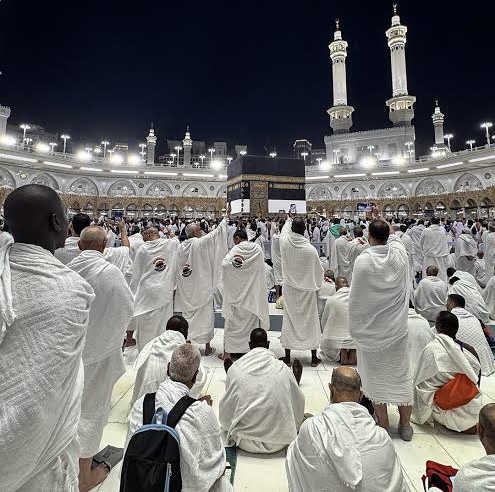
7. Saudi-based service provider Mashariq Al Dhahabia has distanced itself from a viral video showing Nigerian pilgrims in Mina complaining about the quality and quantity of meals served during the Hajj period.
8. The company stated that the tents featured in the video were not under its management and maintained that the disputed meals were not supplied by its contracted caterers.
9. Meanwhile, NAHCON has launched an investigation to identify the caterer responsible for the meals and has pledged to sanction any service provider found culpable after due process.
Did You Know/ fun facts
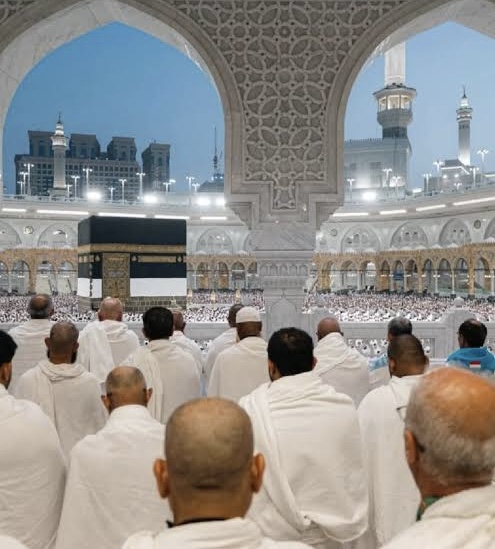
10. Hajj may end for pilgrims, but for many Saudi agencies the work begins immediately afterward, with year-round preparations for the next pilgrimage already underway.
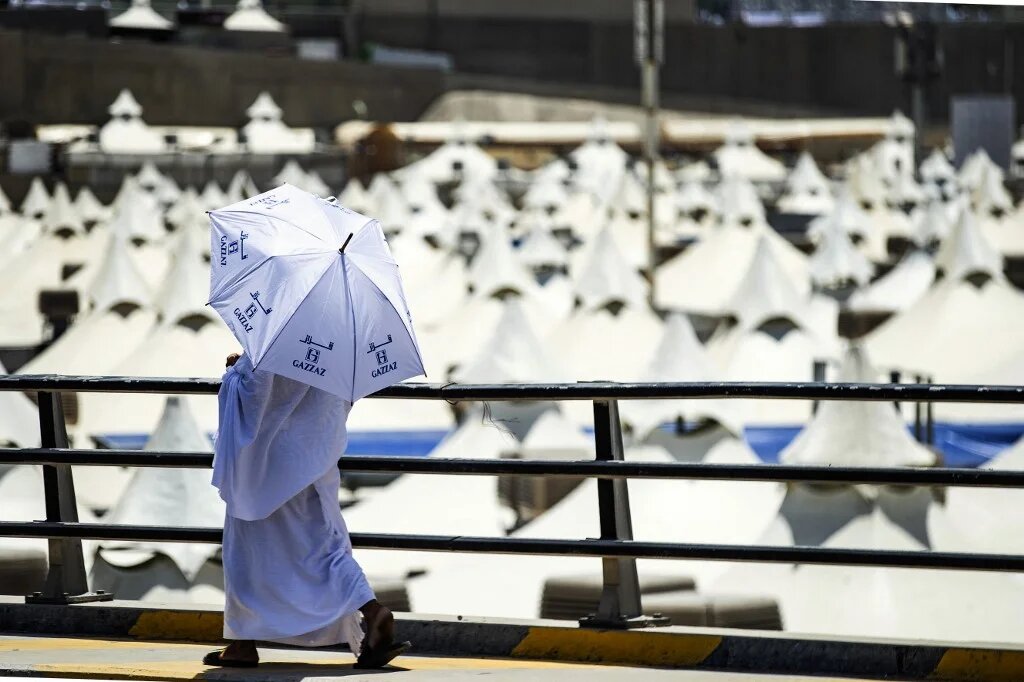
11. After Hajj, thousands of temporary facilities in Mina are dismantled, inspected, repaired, and stored for reuse during future pilgrimage seasons.
12. The holy sites undergo extensive post-Hajj inspections covering roads, tunnels, water networks, electricity systems, and cooling infrastructure.
13. Hajj planners collect operational data on crowd movement, transportation efficiency, emergency response times, and heat management to improve future pilgrimages.
14. The Al-Mashaaer Al-Mugaddassah Metro, which transports pilgrims between the holy sites, enters a maintenance and standby phase after Hajj until the next season.
15. Saudi authorities classify post-Hajj facilities into three categories: assets to be reused, assets to be stored, and assets to be replaced with newer and more efficient alternatives.
16. Waste management continues long after pilgrims leave, with different types of Hajj waste processed through separate systems for treatment and disposal.
17. Hajj generates several categories of waste, including municipal waste, healthcare waste, slaughterhouse waste, and waste from the Adahi sacrifice project.
18. One of the biggest post-Hajj challenges is managing the enormous volume of waste produced within just a few days by more than 1.7 million pilgrims.

SPONSORED

SPONSORED

SONSORED
