
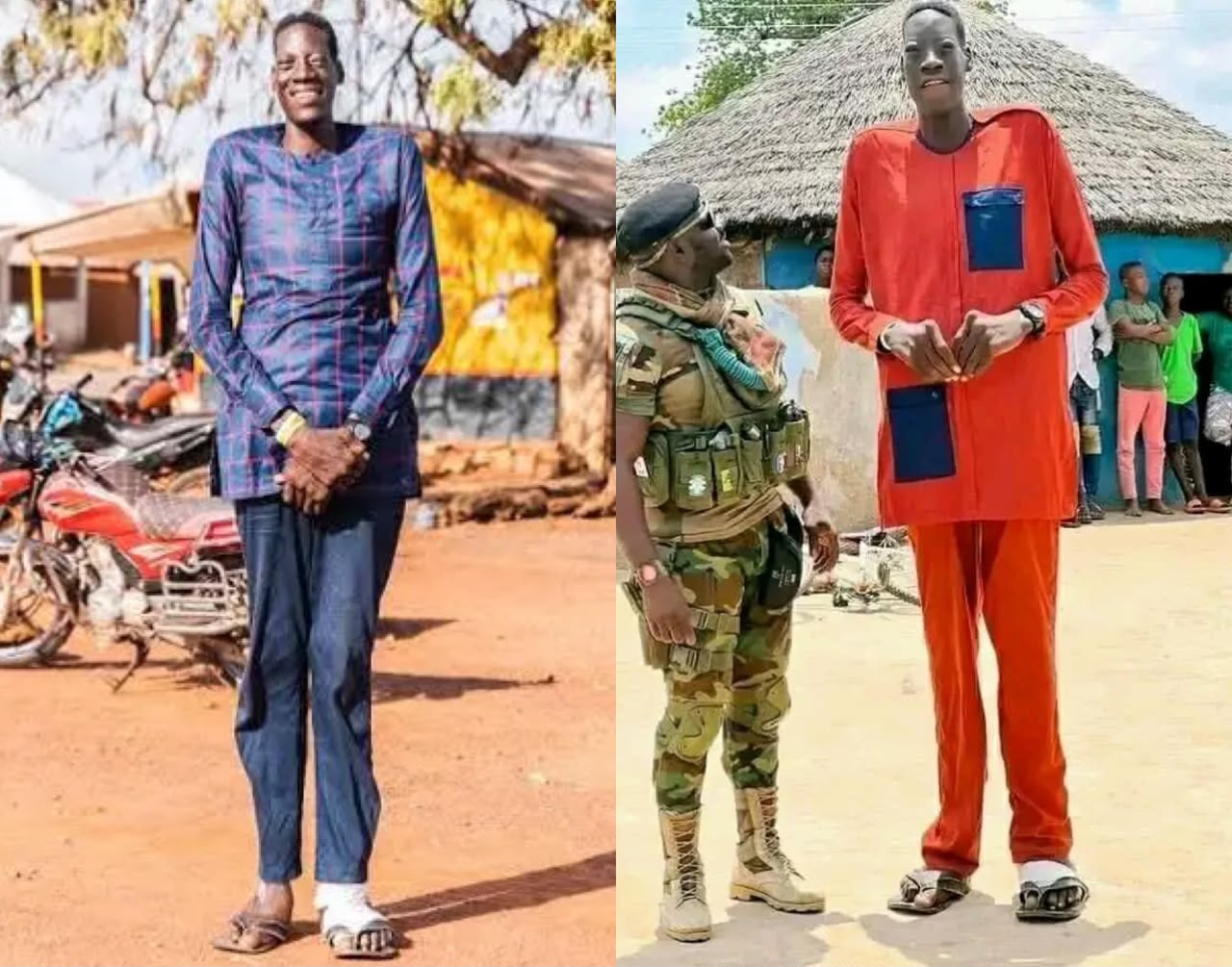
Ghana’s 7ft 4in Man Who Stunned the World Dies at 33
Sulemana Abdul Samed, whose extraordinary height made him one of Ghana’s best-known public figures, died after complications linked to a rare genetic disorder despite months of treatment and public support.
By Abdullahi Yusuf
Sulemana Abdul Samed, the Ghanaian widely recognised as the country’s tallest man and affectionately known as Awuche, has died at the age of 33 after years of living with a rare genetic disorder that transformed him into one of northern Ghana’s most recognisable figures.
His family said he died on Monday at the Tamale Teaching Hospital, where he had been receiving treatment for infected sores on his legs. His death has prompted an outpouring of grief, particularly in northern Ghana, where his towering stature and gentle personality had made him a local celebrity.
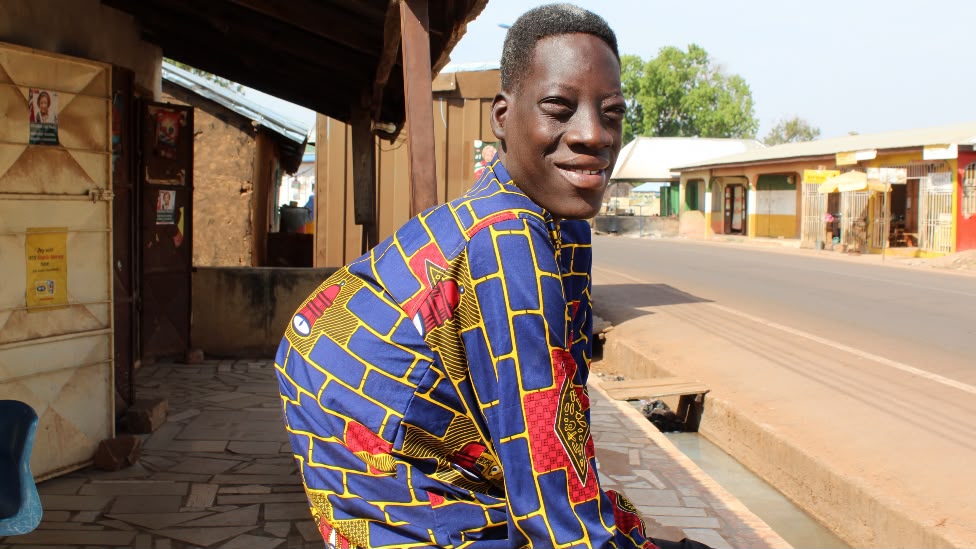
A relative, Sulemana Abdul Kudus, described him as a generous man whose popularity stretched far beyond his home community. “Everyone knew how generous and kind he was. From when he died until now a lot of people are still coming to the house to find out what exactly happened,” Kudus told the BBC.
Samed, who measured 7ft 4in (223cm) when the BBC documented his height in 2022, was believed to have grown even taller in the years that followed.
His extraordinary height was linked to Marfan syndrome, a rare inherited disorder affecting the body’s connective tissues. The condition gave him unusually long limbs and led to a series of health complications that increasingly limited his mobility.
Although many associated his illness with his exceptional height, relatives said the infected sores on his legs were not directly caused by Marfan syndrome but were likely a complication arising from the condition.
His health had become a matter of public concern in recent months after businessman Ibrahim Mahama, brother of Ghanaian President John Mahama, stepped in to help fund his medical treatment at the Tamale Teaching Hospital.
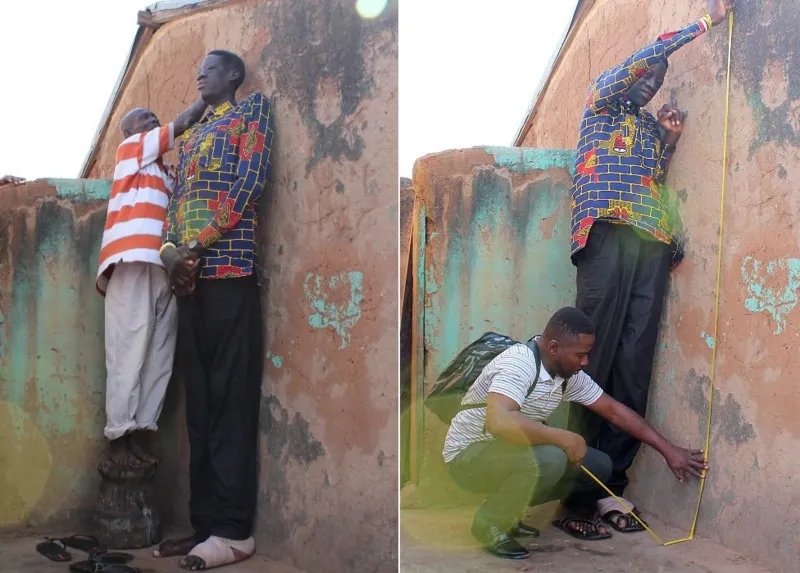
Mahama had also met Samed and, earlier this month, publicly discussed plans for his continued medical care.
Relatives said doctors had reported encouraging signs during his treatment before his condition unexpectedly deteriorated. His condition first became apparent while he was working at a butcher’s shop in Accra in his early twenties.
Speaking previously to the BBC, he recalled first noticing that his tongue had begun to enlarge, making it difficult for him to breathe. “I realised my tongue had expanded in my mouth to the extent that I could not breathe properly,” he said.
Within days, the rest of his body also began growing rapidly before doctors diagnosed him with Marfan syndrome.
The condition forced him to abandon his ambition of becoming a professional driver and return to his hometown of Gambaga nearly a decade ago.
Once an active footballer, he later struggled to perform even routine tasks. “I used to play football like every other young man. I was athletic but now I cannot even walk short distances,” he had said.
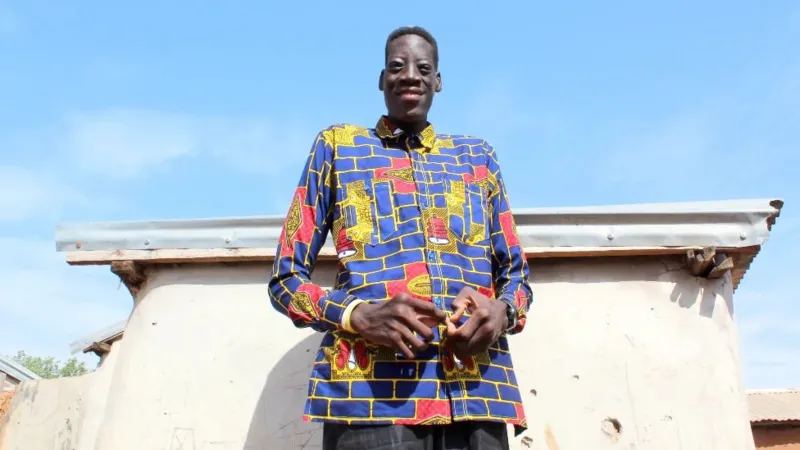
Despite the physical challenges, Samed embraced the public attention his extraordinary height attracted and became a source of pride for his hometown.
Relatives said his fame gave Gambaga national recognition, with many Ghanaians identifying the community as the home of the country’s tallest man.
“Anywhere he found himself in the country and they asked him, he would say he is from Gambaga and people knew that was where the tallest man was from. It gave the community identity, and he was popular as well,” Kudus said.
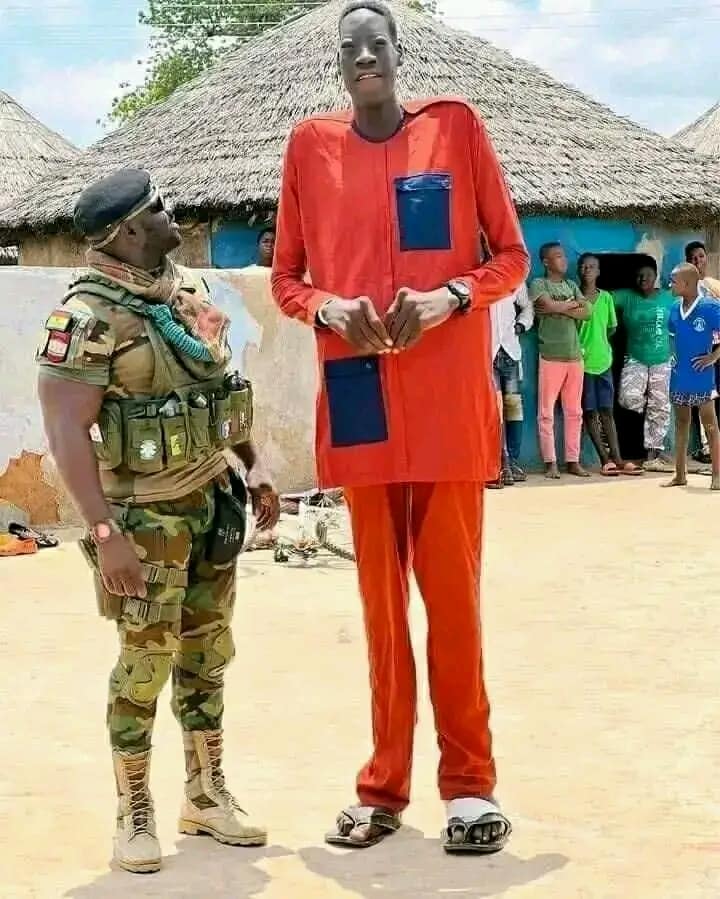
His family said he was to be buried in Tamale rather than in his hometown of Gambaga because of the large number of mourners expected.
Samed leaves behind a legacy defined not only by his extraordinary height but also by the resilience with which he lived through years of illness, earning admiration from many across Ghana.
Additional information from BBC
SPONSORED

SPONSORED

SONSORED
