
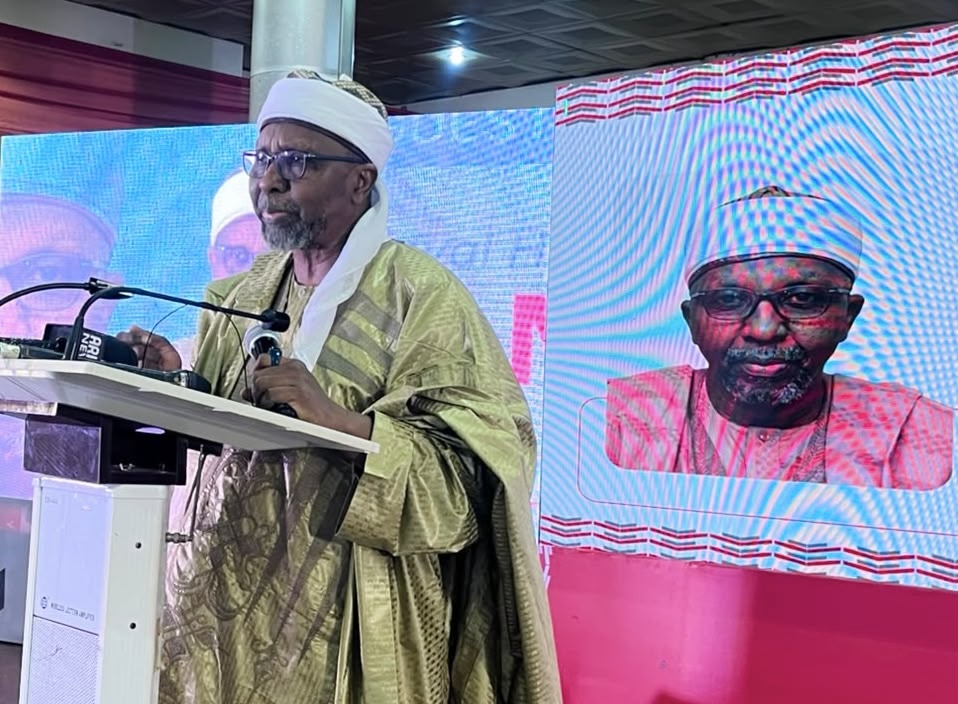
Former NAICOM Chief Muhammad Kari Makes Case for Takaful in Public Sector Welfare
The former insurance regulator says state governments should move beyond post-disaster relief by integrating insurance and Takaful into public-sector welfare, arguing that financial protection is as essential as salaries.
By Abdullahi Yusuf
State governments should make insurance and Takaful a permanent component of public-sector employee welfare rather than relying on emergency interventions after disasters, former Commissioner for Insurance and Chief Executive Officer of the National Insurance Commission (NAICOM), Alhaji Muhammad Kari, has said.
Speaking at Crown Takaful Insurance Limited’s inaugural Surplus Distribution Ceremony in Abuja, the Wazirin of Bauchi argued that governments have a responsibility to provide workers with financial protection through structured insurance and Takaful schemes, describing such measures as investments in productivity, family stability and economic resilience rather than additional public expenditure.
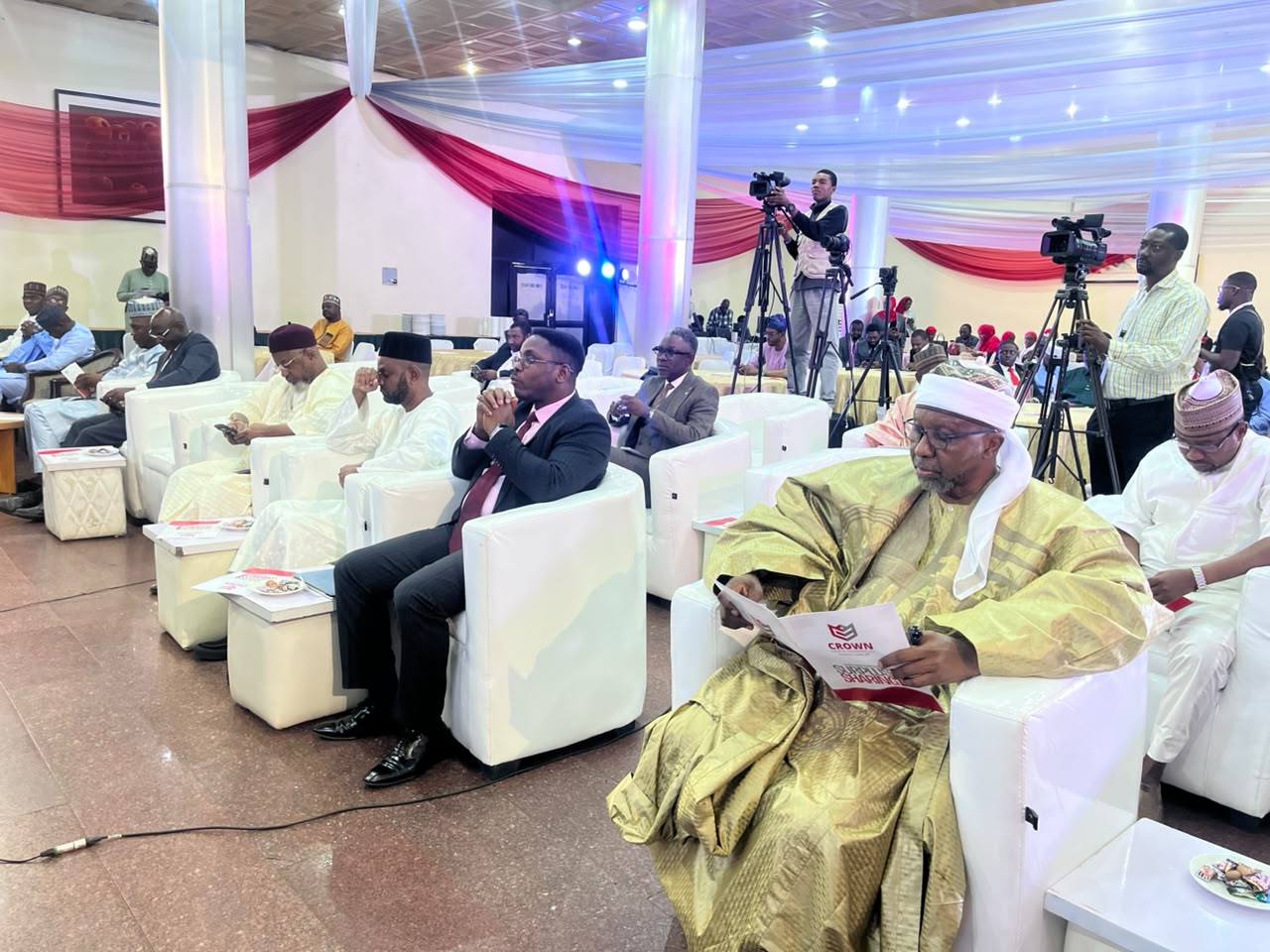
Delivering a lecture titled “Strengthening Public Sector Employee Welfare: The Role of State Governments in Insurance and Takaful,” Kari said protecting public servants against financial risks was as important as paying their salaries because insurance provides certainty in the face of unexpected losses.
“The principal pillars of insurance, which are also the principal pillars of Takaful, are to transfer risk and provide financial certainty in the lives of workers,” he said.
He argued that teachers, healthcare workers, sanitation personnel and other public servants perform essential services and should be protected through welfare programmes that shield them and their families from unexpected financial shocks.
According to Kari, integrating group family Takaful, healthcare Takaful, retirement protection and micro-Takaful into public-sector welfare would improve employee confidence, strengthen productivity and reduce the financial burden governments often face when responding to disasters and personal tragedies.

“Government needs to provide security for its workers,” he said, describing such protection as an amanah, a responsibility entrusted to public office.
Rather than repeatedly providing relief after market fires, accidents or other emergencies, he argued that governments would achieve better outcomes by supporting insurance and Takaful schemes capable of cushioning losses before they occur.
He also urged state governments to strengthen the sector through supportive legislation, strategic partnerships and sustained public awareness, while embracing digital technology to expand access to insurance products.
Kari welcomed recent regulatory reforms introduced by NAICOM, including measures supporting insurance technology (InsurTech), saying technology would become increasingly important in extending financial protection to more Nigerians.
Beyond his policy recommendations, Kari reflected on his own journey in helping establish Takaful in Nigeria, describing himself as “a catalyst for the implementation of Takaful” in the country.
After leaving NICON Insurance in 2000, he said he travelled to Malaysia to study one of the world’s most developed Takaful systems with the intention of establishing a similar operation in Nigeria.

His initial efforts, however, were frustrated because Nigeria had neither the legal framework nor regulatory guidelines required to license a Takaful operator.
Rather than abandon the idea, Kari said he joined other advocates of ethical finance in organising conferences and sensitisation programmes to promote non-interest banking and Takaful, encouraging policymakers and regulators to create an enabling environment for the emerging sector.
Those efforts, he said, helped lay part of the foundation for Nigeria’s Islamic finance industry before he later returned to public service as Commissioner for Insurance, where he participated in issuing the country’s first Takaful licences.
“As much as I have been an insurer for over 50 years, I still identify myself as a catalyst for the implementation of Takaful in Nigeria,” he said.
Kari also congratulated Crown Takaful Insurance Limited for distributing surplus to participants within a relatively short period after commencing operations, describing the milestone as evidence that the ethical insurance model is both practical and commercially sustainable.
“For them to be sharing surplus in their third year of operation is very commendable,” he said, urging stakeholders to continue supporting the growth of the industry.

He said the growing acceptance of ethical finance presents an opportunity for governments to rethink how employee welfare is delivered, arguing that insurance and Takaful should become central pillars of public policy rather than optional financial products.
For Kari, the future of Takaful will depend not only on regulation but also on the willingness of governments to embed financial protection within public institutions, broaden awareness and leverage technology to make ethical insurance more accessible. As Nigeria seeks to deepen financial inclusion and strengthen social protection, he argued that wider adoption of Takaful could build a more resilient workforce while reducing the long-term economic cost of financial shocks.
SPONSORED

SPONSORED

SONSORED
