
Nigeria@66: NSCIA Assembly Returns After Seven Years as Sultan Calls for Muslim Unity
On Nigeria’s 66th Independence anniversary, the Council’s highest decision-making organ brought Muslim and traditional leaders from across the country together for deliberations on the Ummah and the nation.
By Abdullahi Yusuf
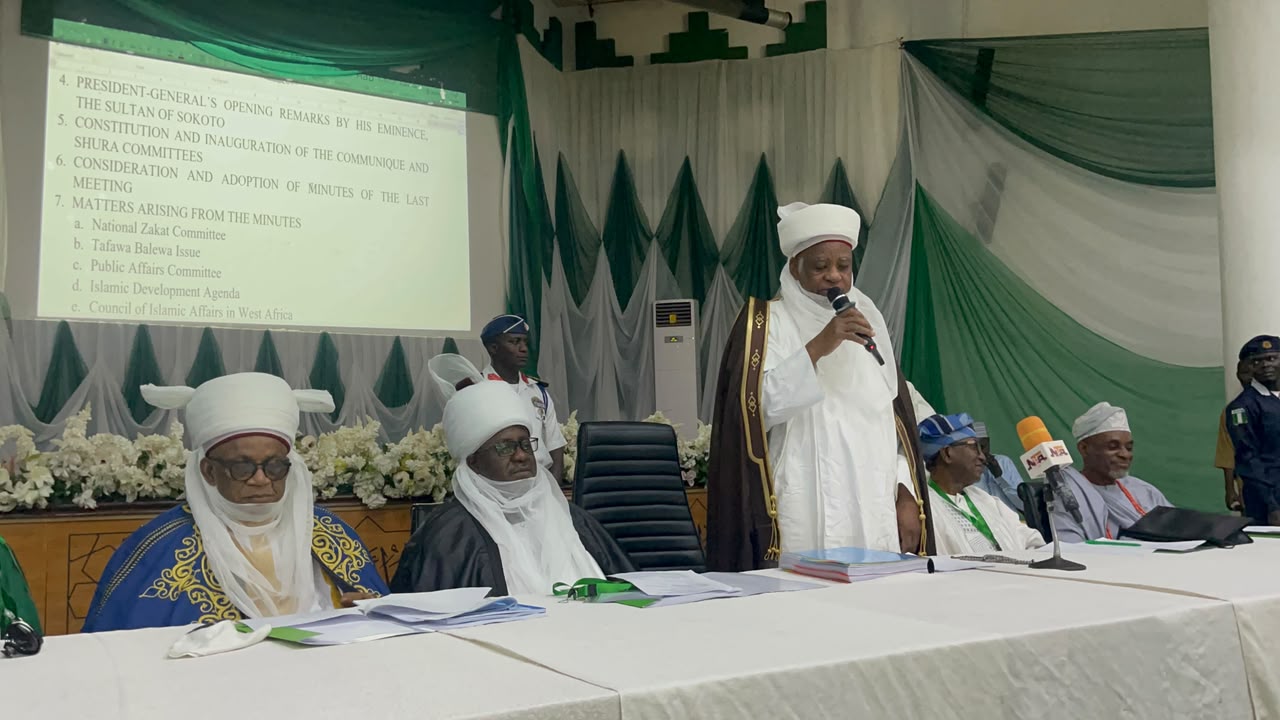
The Nigerian Supreme Council for Islamic Affairs (NSCIA) on Thursday brought Muslim leaders and traditional rulers from across Nigeria together for its General Assembly in Abuja, returning to its highest decision-making gathering after about seven years as the country marked its 66th Independence anniversary.
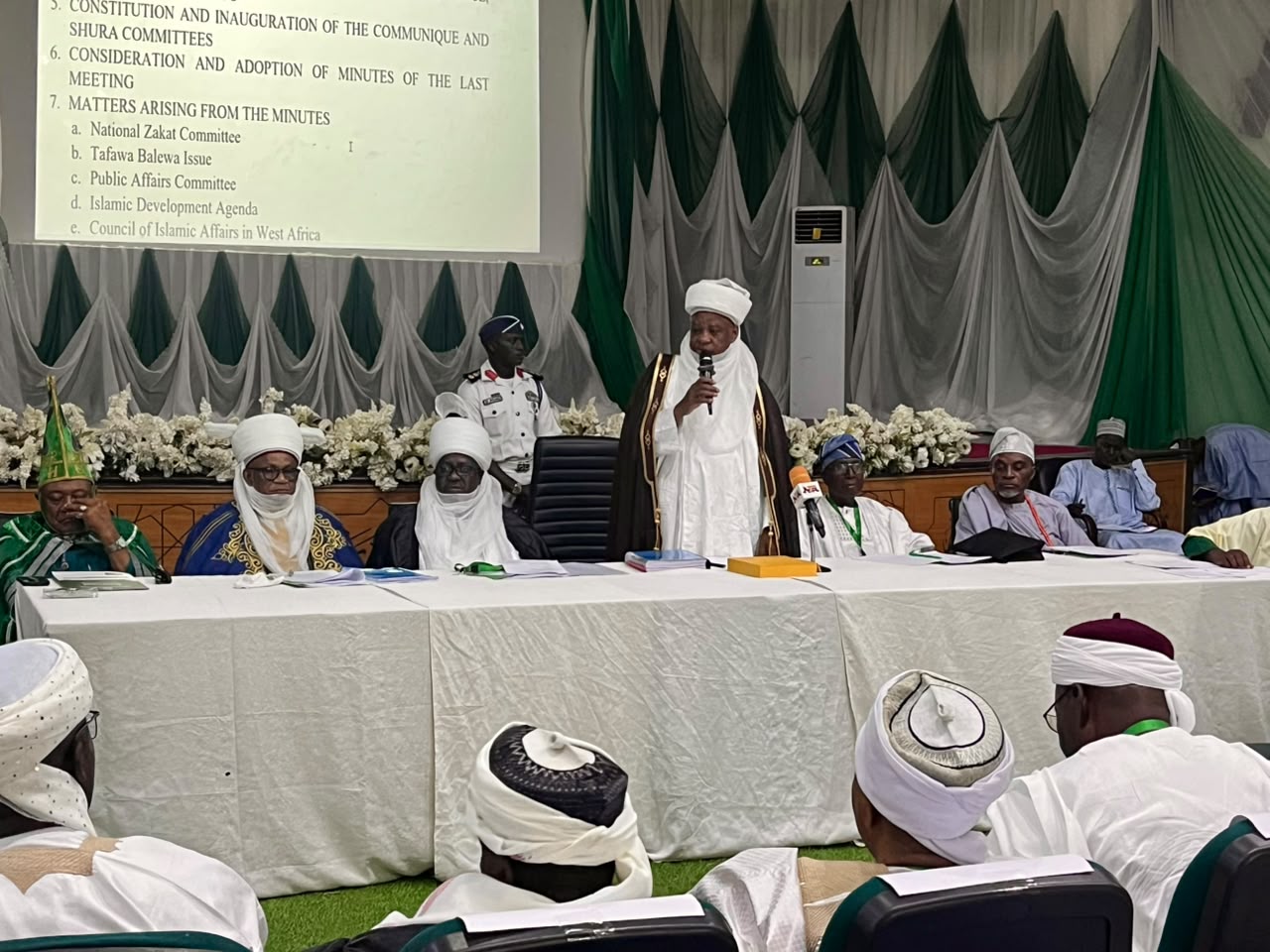
The Assembly followed Wednesday’s Special National Prayer for Nigeria at the National Mosque Complex, where Muslim and traditional leaders had prayed for peace, security, stability and development. On Thursday, the Council moved from collective prayer to formal deliberations on issues affecting the Muslim Ummah and the country.
Opening the General Assembly, the President-General of the NSCIA and Sultan of Sokoto, Alhaji Muhammad Sa’ad Abubakar III, said the gathering was significant because a properly constituted General Assembly had not been held for about seven years, although the Council had continued to convene expanded General Purpose Committee meetings.
“All of you are aware why we didn’t hold General Assembly for some few years. But we’ve been holding expanded General Purpose Committee meetings,” the Sultan said, attributing the delay in part to financial constraints and the Council’s efforts to secure support to sustain its responsibilities.
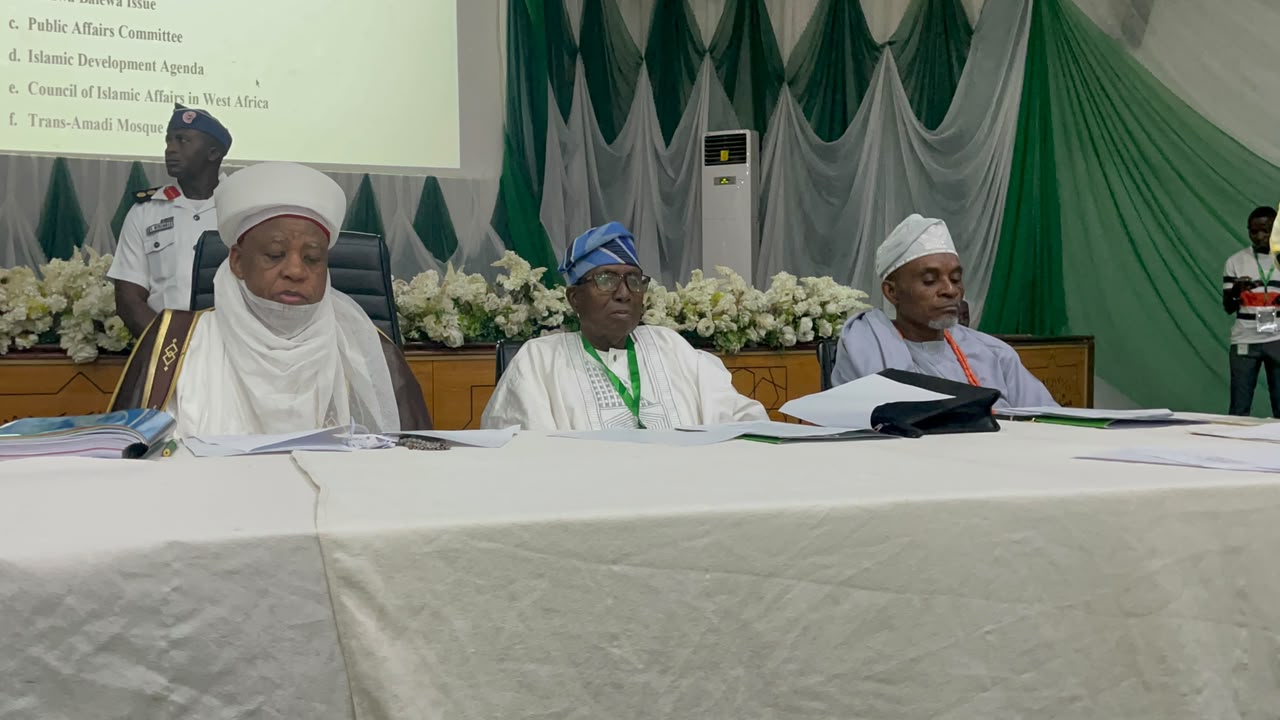
He said the Assembly provided an opportunity for Muslim leaders from across Nigeria to exchange ideas and strengthen their bonds as “one big family of Islam”, while urging delegates to remain attentive to the challenges facing the country and the wider world.
The Sultan called on Nigerian Muslims to remain united and protect their right to practise Islam without hindrance, while respecting the rights of others. He stressed that Islam did not support coercion in matters of faith, saying Muslims should not force others to accept Islam but should support those who voluntarily embrace the religion and help them practise their faith.
The Sultan also called for humility and equality among Muslims, urging members of the Ummah to serve humanity without seeking recognition. He said acts of service, whether publicly acknowledged or carried out quietly, remained valuable before Allah.
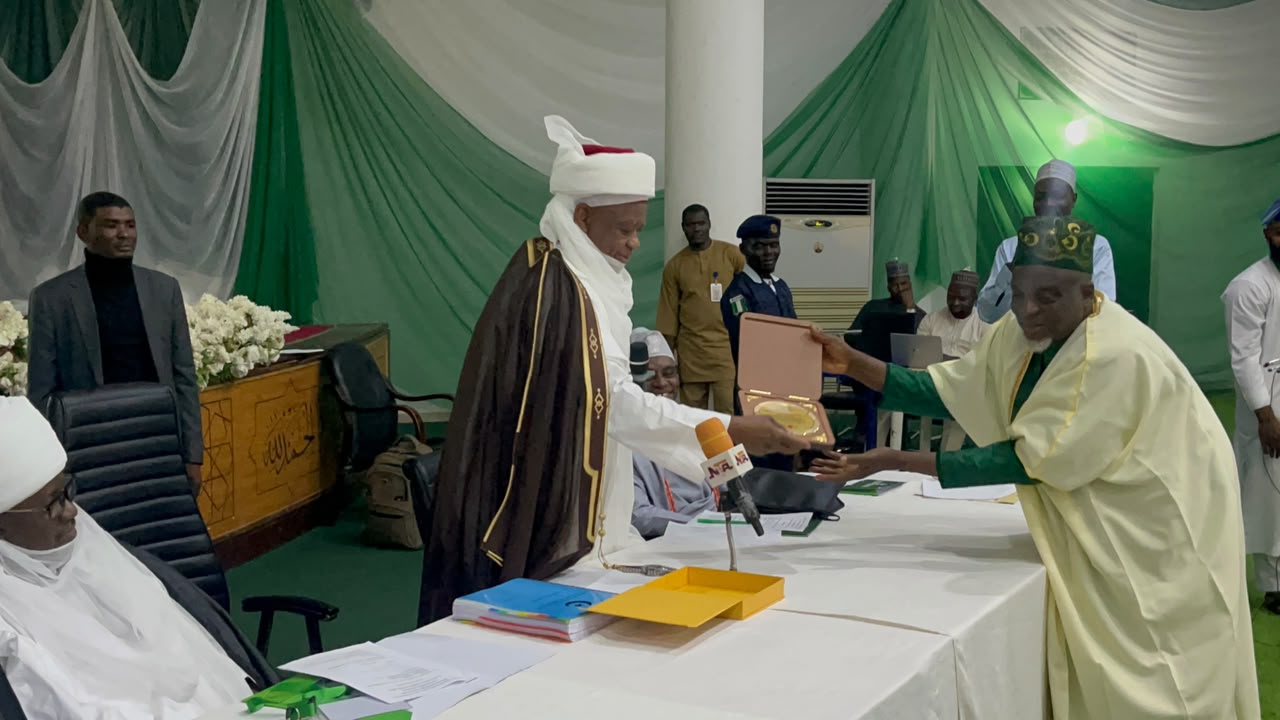
The emphasis on service was underscored when the Sultan presented the NSCIA Secretary-General, Prof. Is-haq Oloyede, with an award recognising his selflessness during the Assembly.
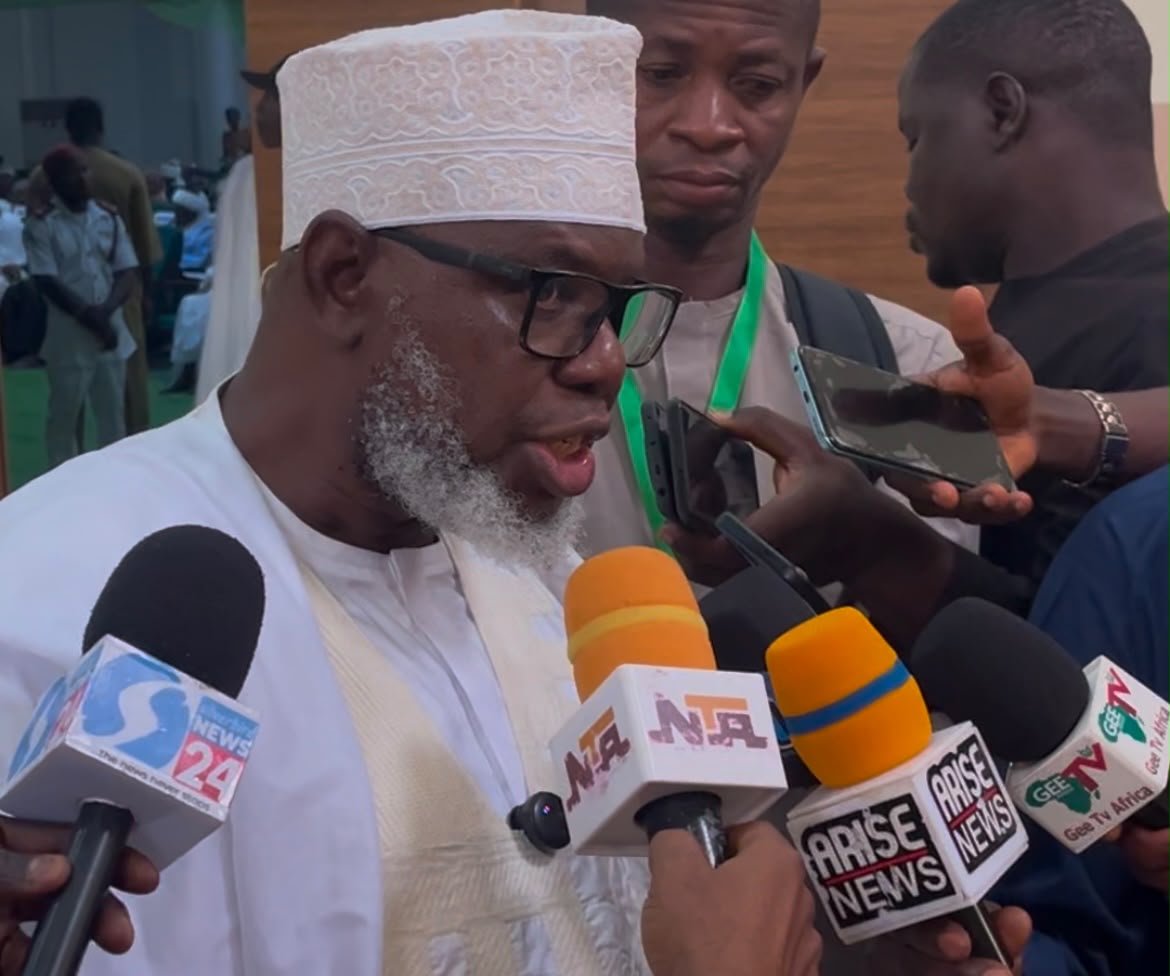
In an interview, the Council’s Deputy Secretary-General, Prof. Salisu Shehu, also pointed to Oloyede’s record in public service as an example of the excellence and responsibility he said Muslims should demonstrate in positions of responsibility.
Prof. Shehu said Muslims holding positions of responsibility should seek to demonstrate the values taught by Islam through the quality of their service, adding that such conduct could contribute to national development as Nigeria marked its 66th Independence anniversary.
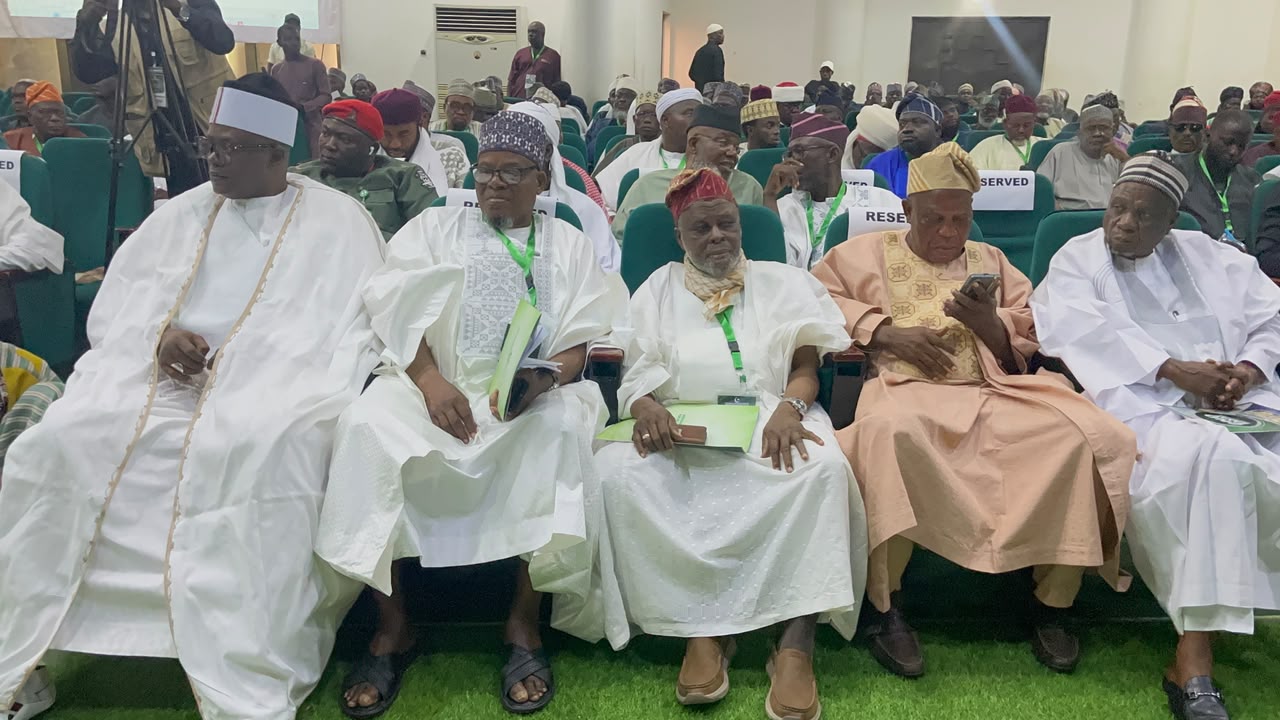
The Assembly also provided a meeting point for traditional rulers from different parts of the country. The Ohinoyi of Ebiraland, Alhaji (Dr) Ahmed Tijani Muhammed Anaje, said regular meetings of the General Assembly would give members an opportunity to raise issues requiring urgent attention.
He welcomed the presence of delegates from different regions, saying their participation demonstrated that Muslims remained “one family” despite differences in geography and titles.
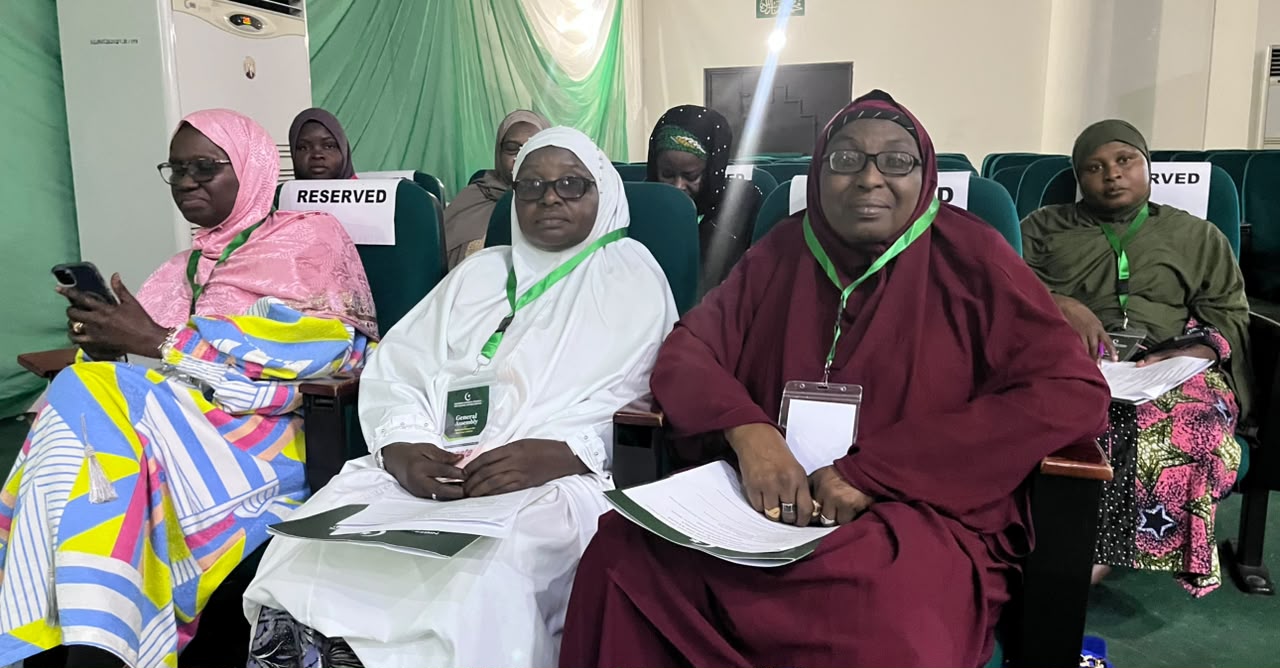
The National Amirah of the Federation of Muslim Women’s Associations in Nigeria (FOMWAN), Dr Sumaye Fadimatu Hamza, similarly described the Assembly as important to strengthening unity among Muslims.
Hamza said the representation of religious leaders and stakeholders from different states provided an opportunity for Muslims to speak with one voice on issues affecting the Ummah and humanity.
Among those at the Assembly were the Sultan of Sokoto; Deputy Secretary-General of the NSCIA, Prof. Salisu Shehu; President of the Muslim Ummah of South-West Nigeria (MUSWEN), Alhaji Rasaki Oladejo; Alayeluwa Oba Saka Adelola Matemilola, Olowu of Owu and President-General, Ogun State Muslim Council; Sheikh Dr Abdulfatah Chimaeze Emetumah, the King of Umuofor Royal Kingdom, Imo State; and other Muslim and traditional leaders from across the country.
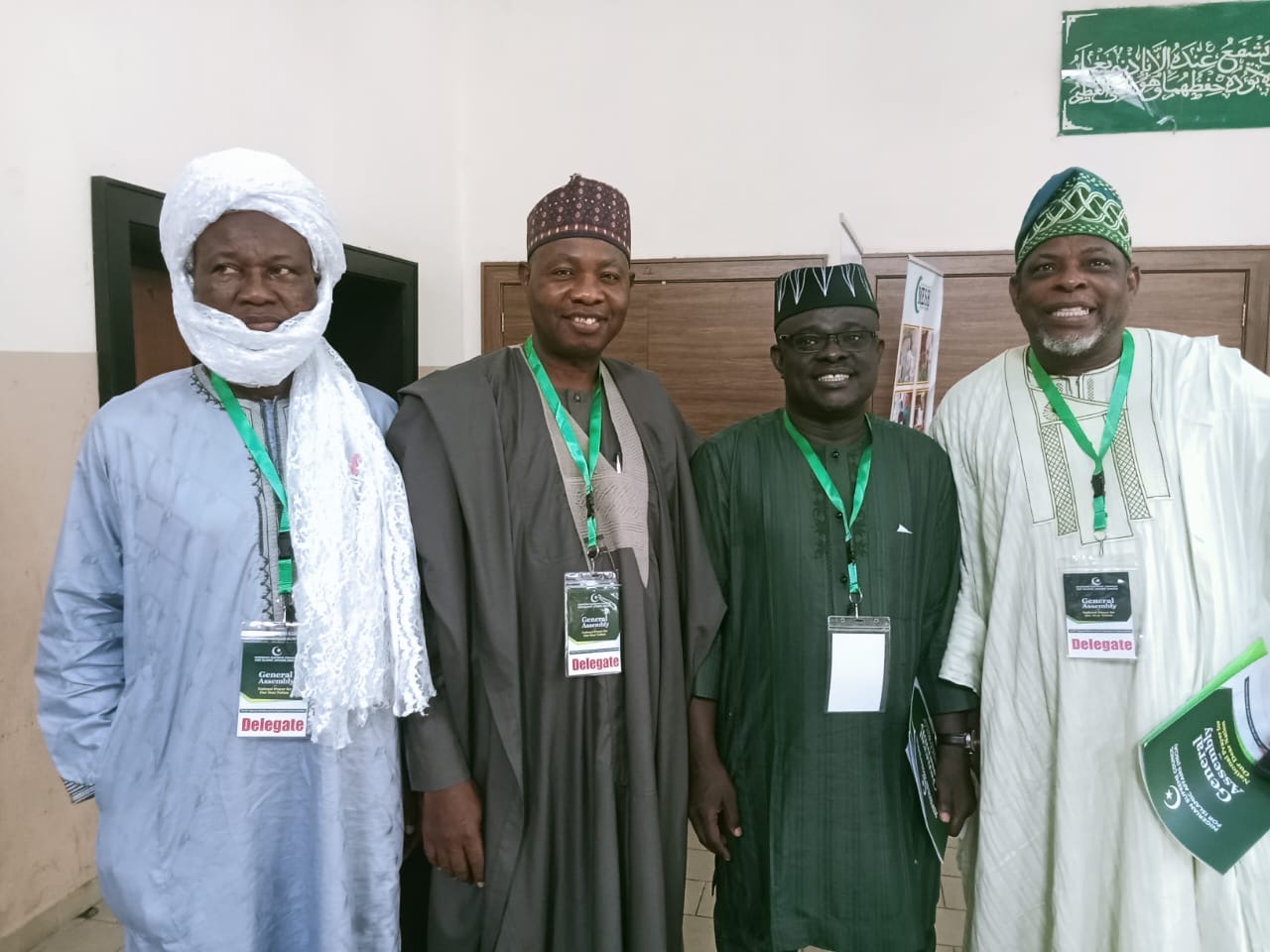
The agenda before the Assembly covered institutional, religious and national matters, including reports from the Council’s committees and agencies, proposed constitutional amendments, vacancies on the Board of Trustees, rehabilitation of NSCIA properties, staff conditions of service, regulations for the Abuja National Mosque, development of a data repository for the Ummah, fundraising and the Council’s response to the report of the UN Special Rapporteur on freedom of religion or belief in Nigeria.
The agenda also included the NSCIA’s new media blueprint, a proposed partnership on the IMAR mosque maintenance platform, reports relating to the National Hajj Commission of Nigeria, the Abuja National Mosque and other Council initiatives, as well as the state of the nation.
Scenes from the NSCIA General Assembly:
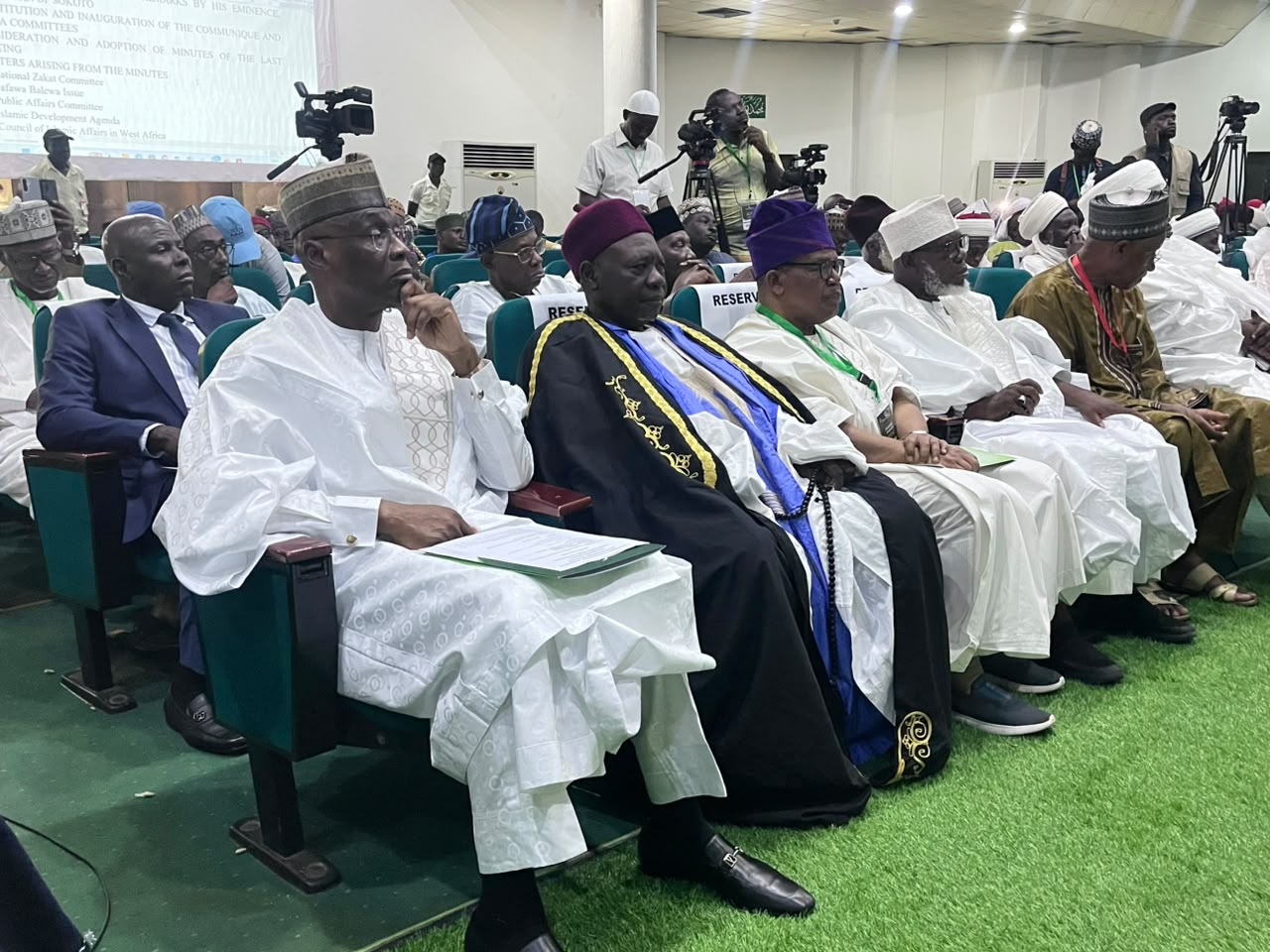
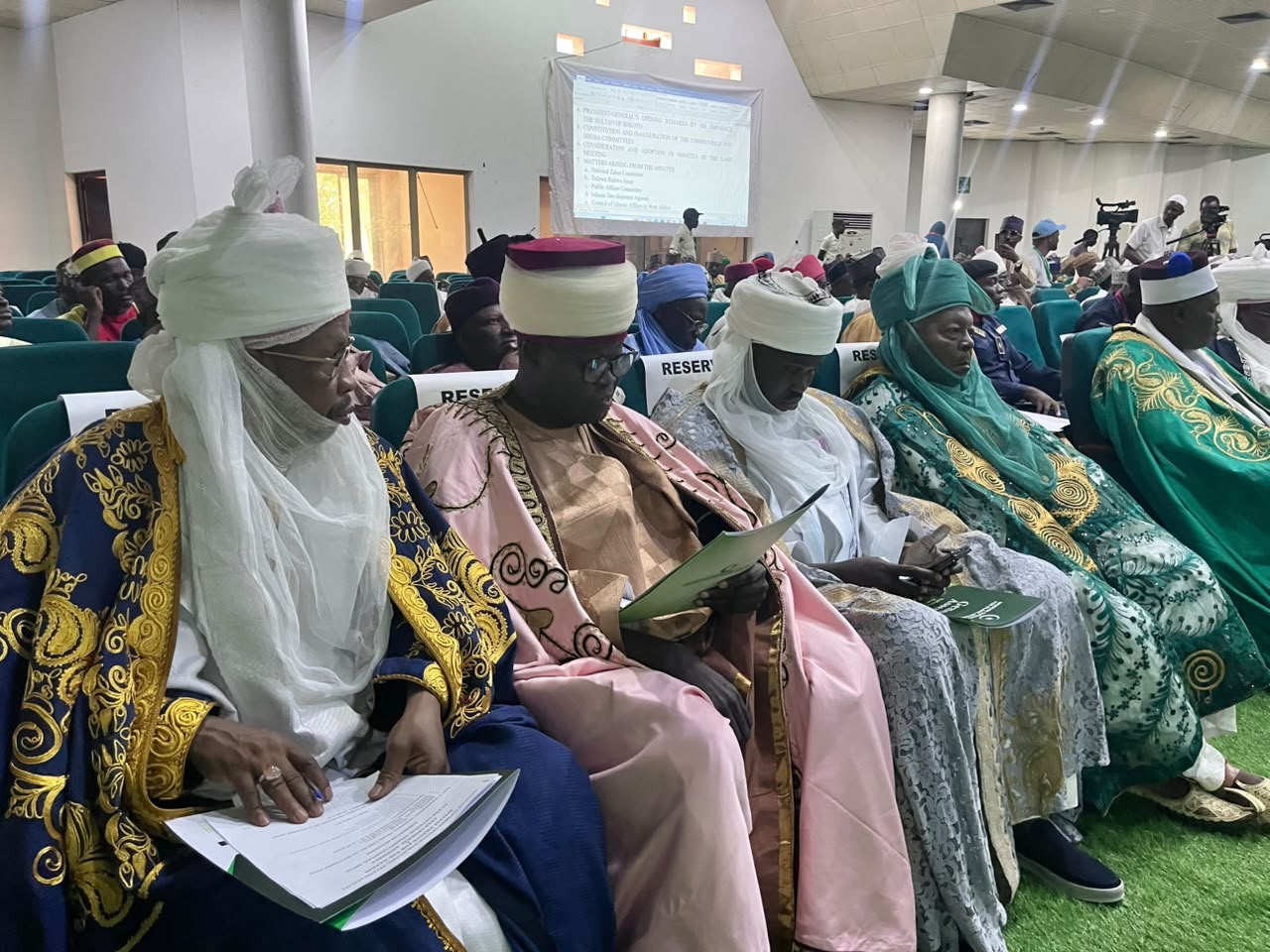
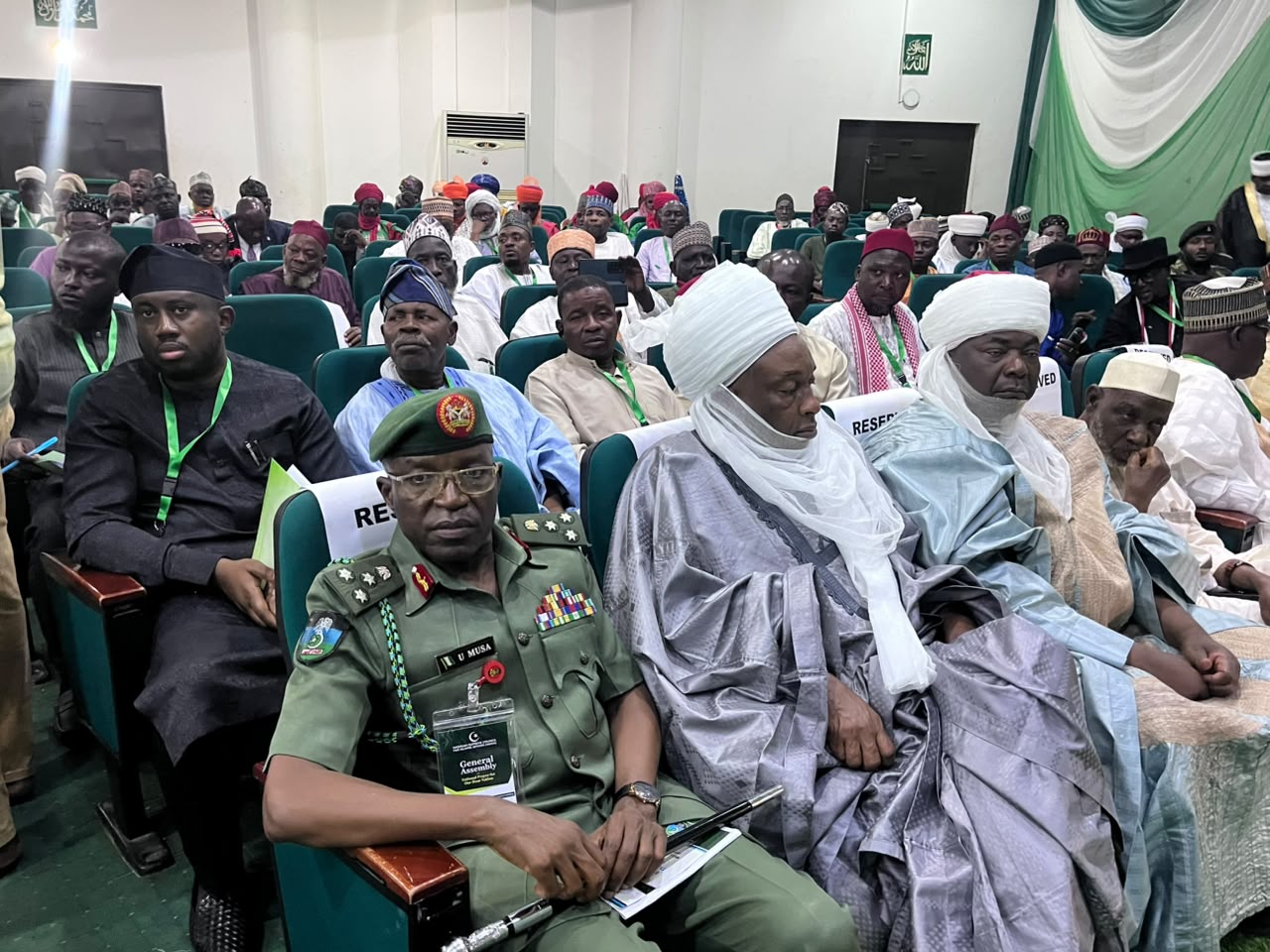
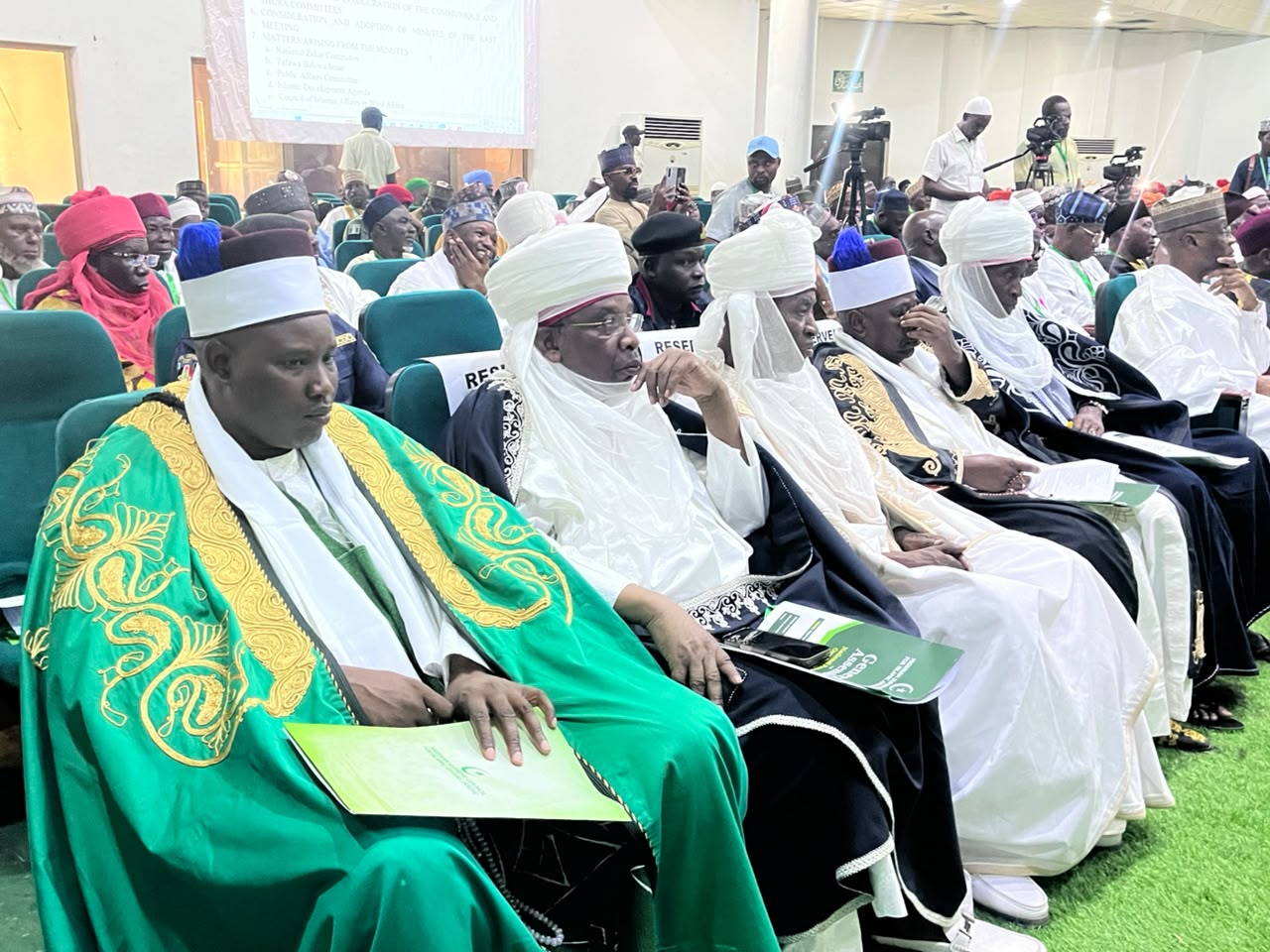
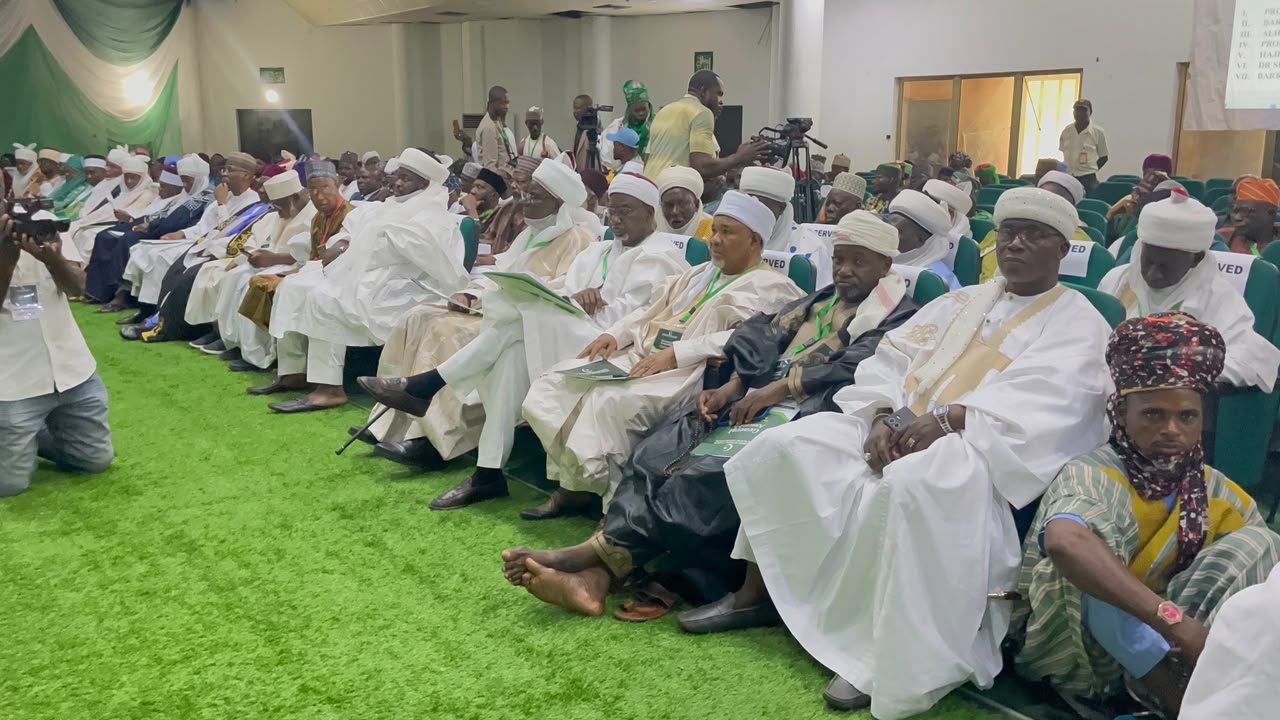
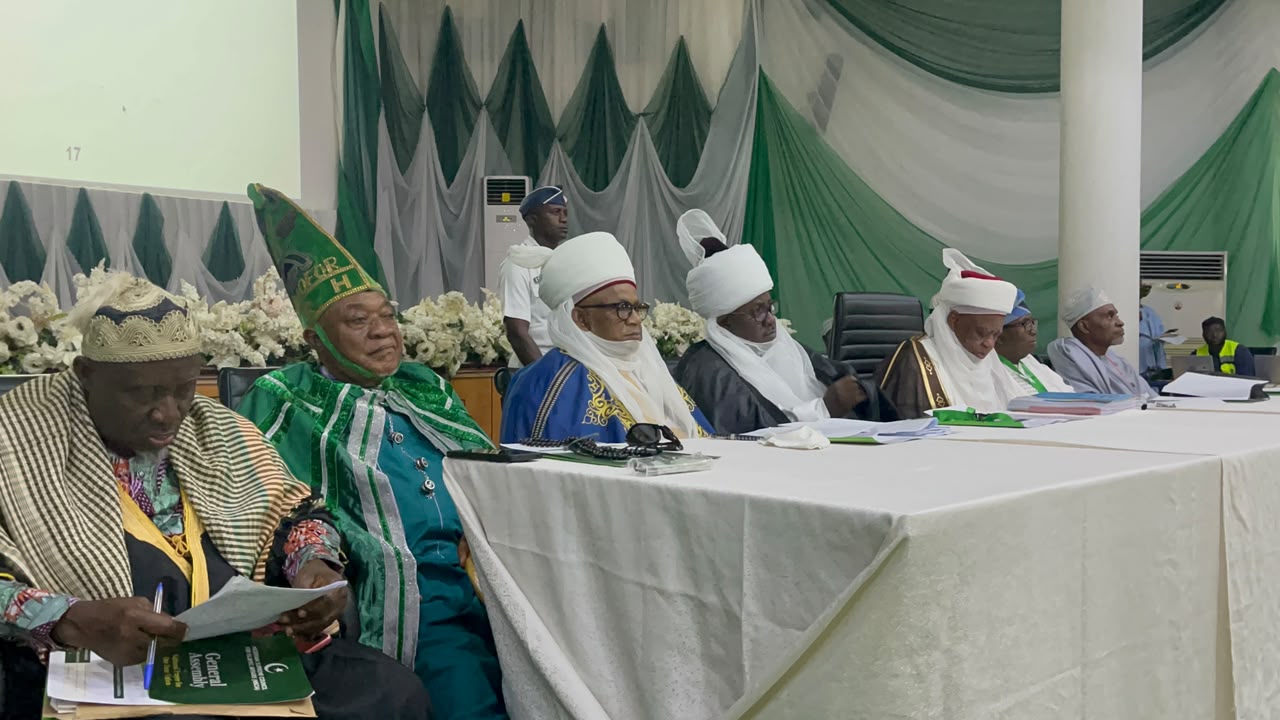
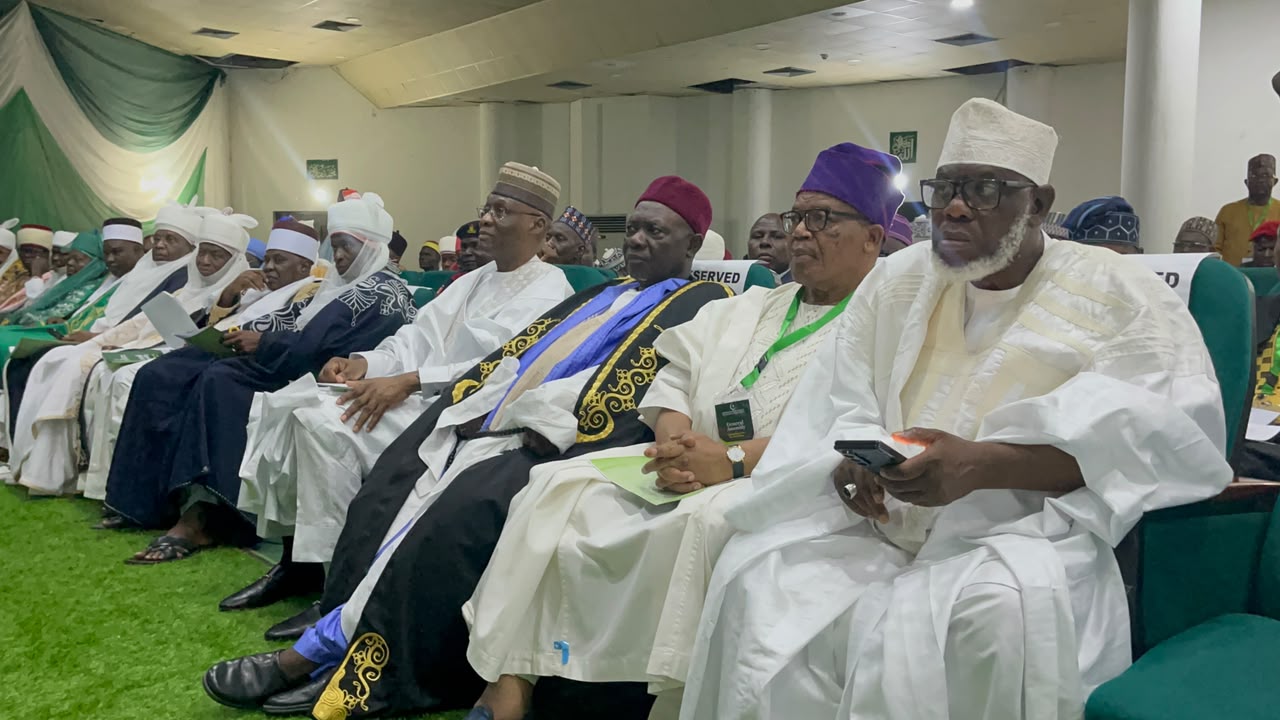
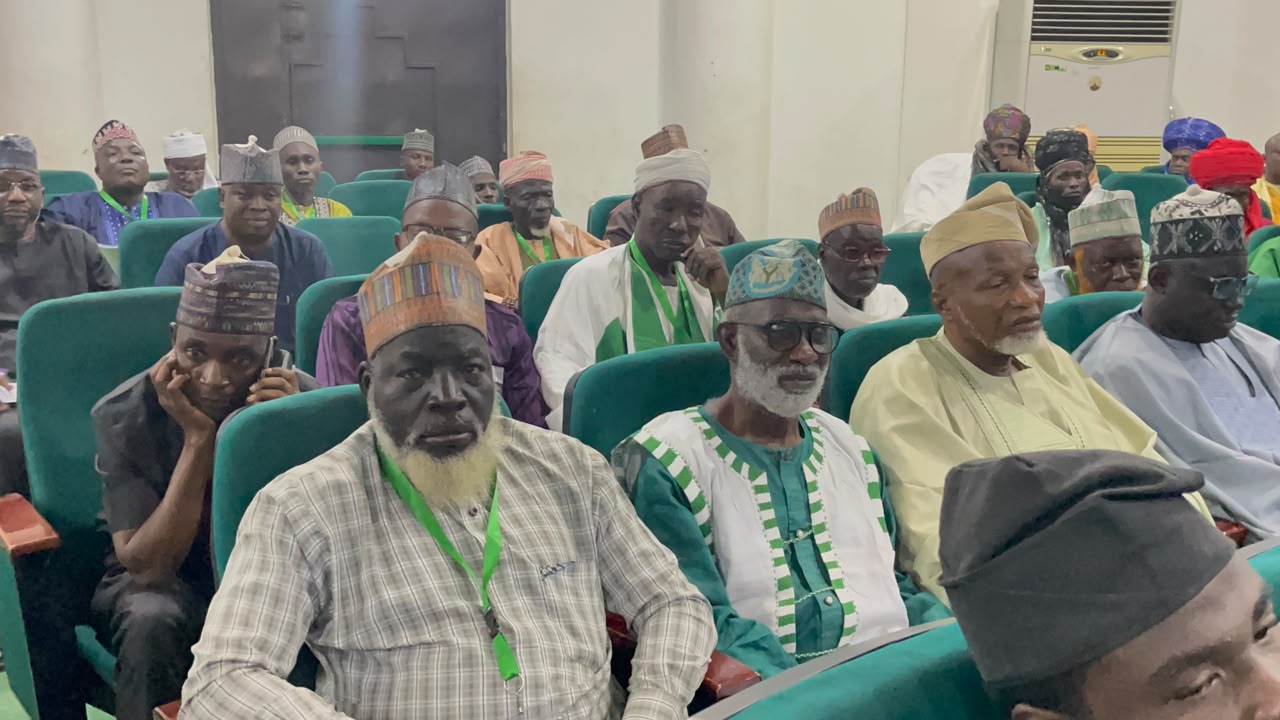
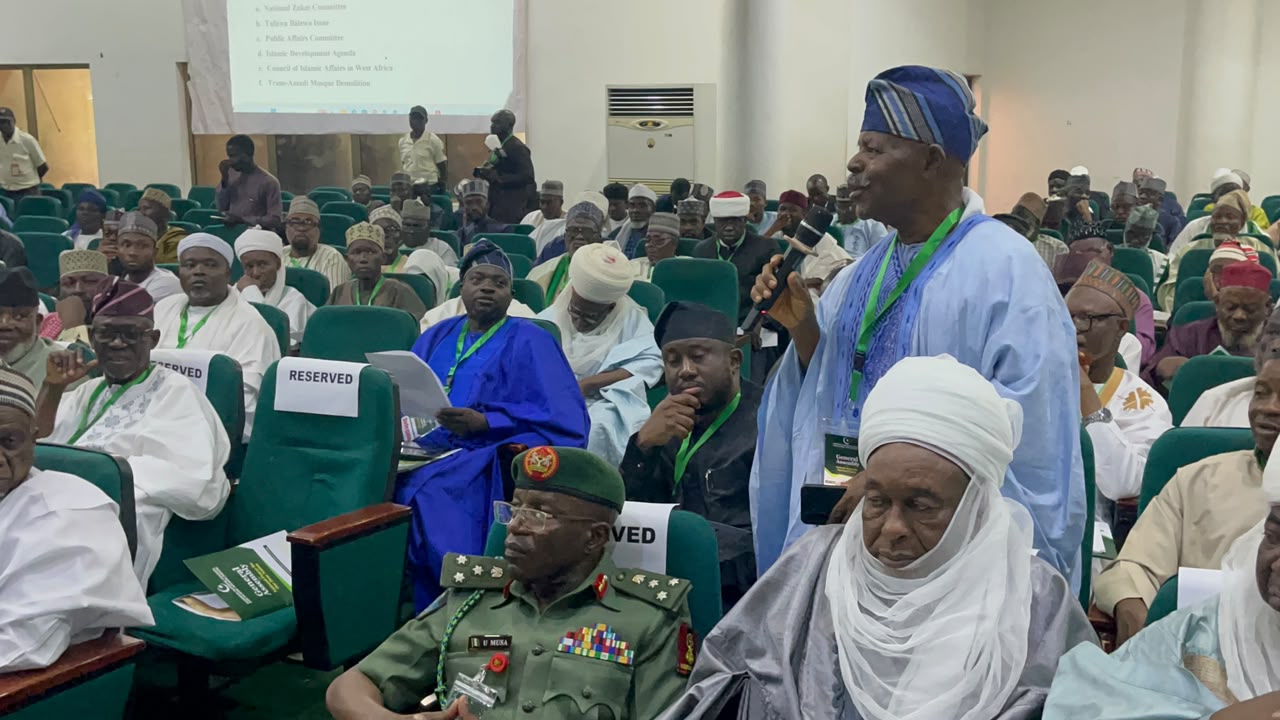
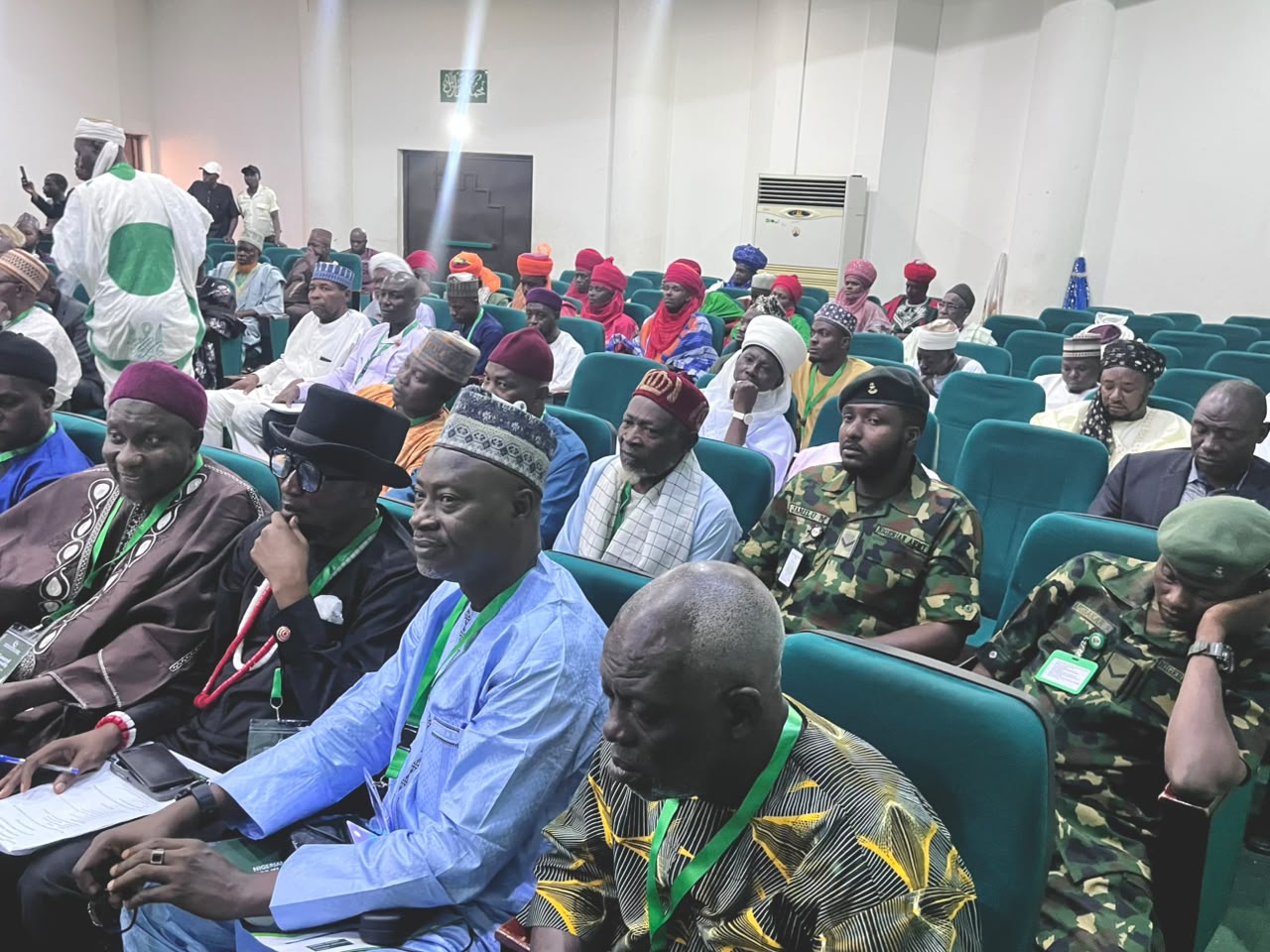
Photos: PEACE Magazine at National Mosque, Abuja.
SPONSORED

SPONSORED

SONSORED
