
NSCIA Prays for Nigeria as Muslim Leaders Stress Nation-Building
Muslim and traditional leaders gathered in Abuja to pray for Nigeria, while speakers linked the country’s challenges to the responsibilities of citizens, leaders and religious communities.
By Abdullahi Yusuf
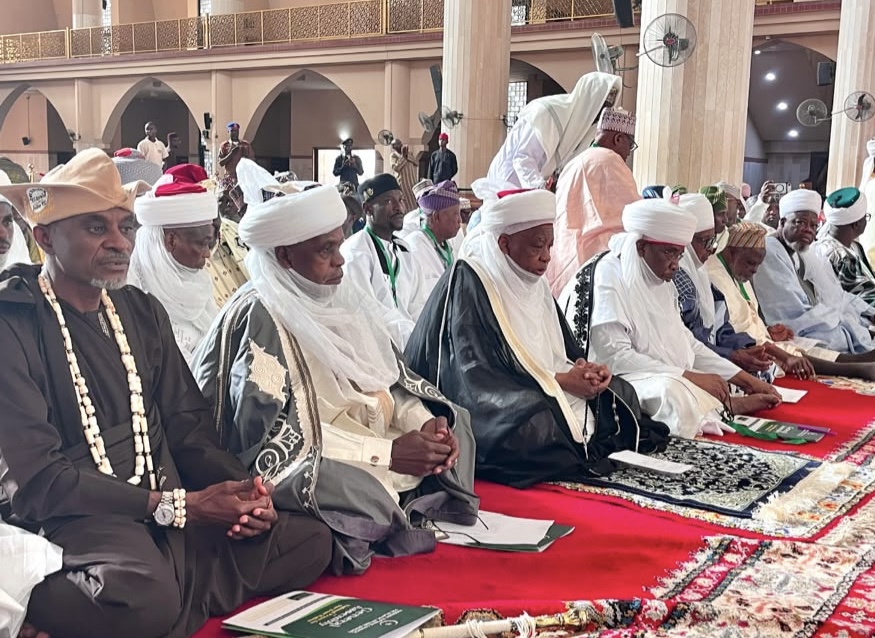
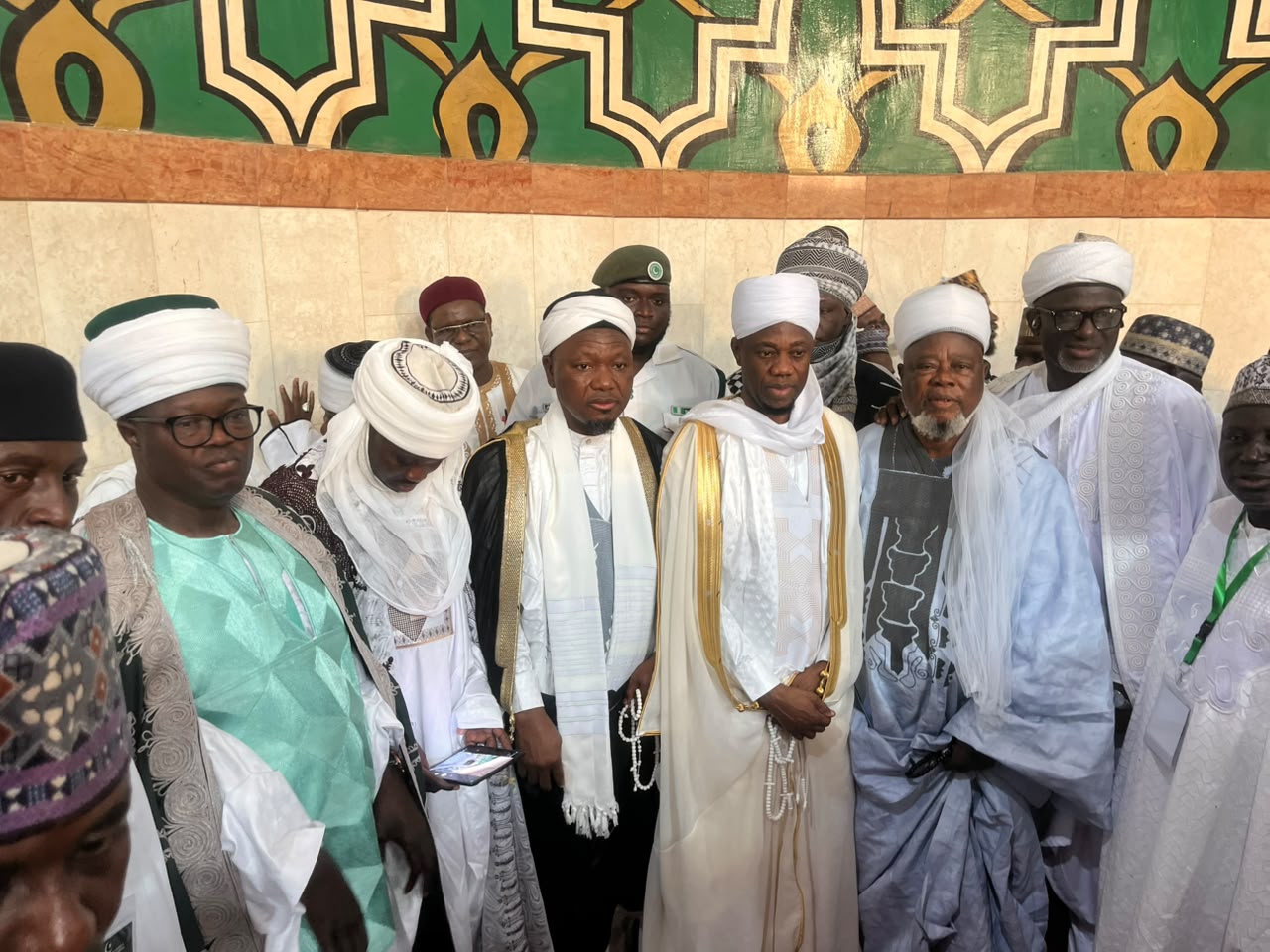
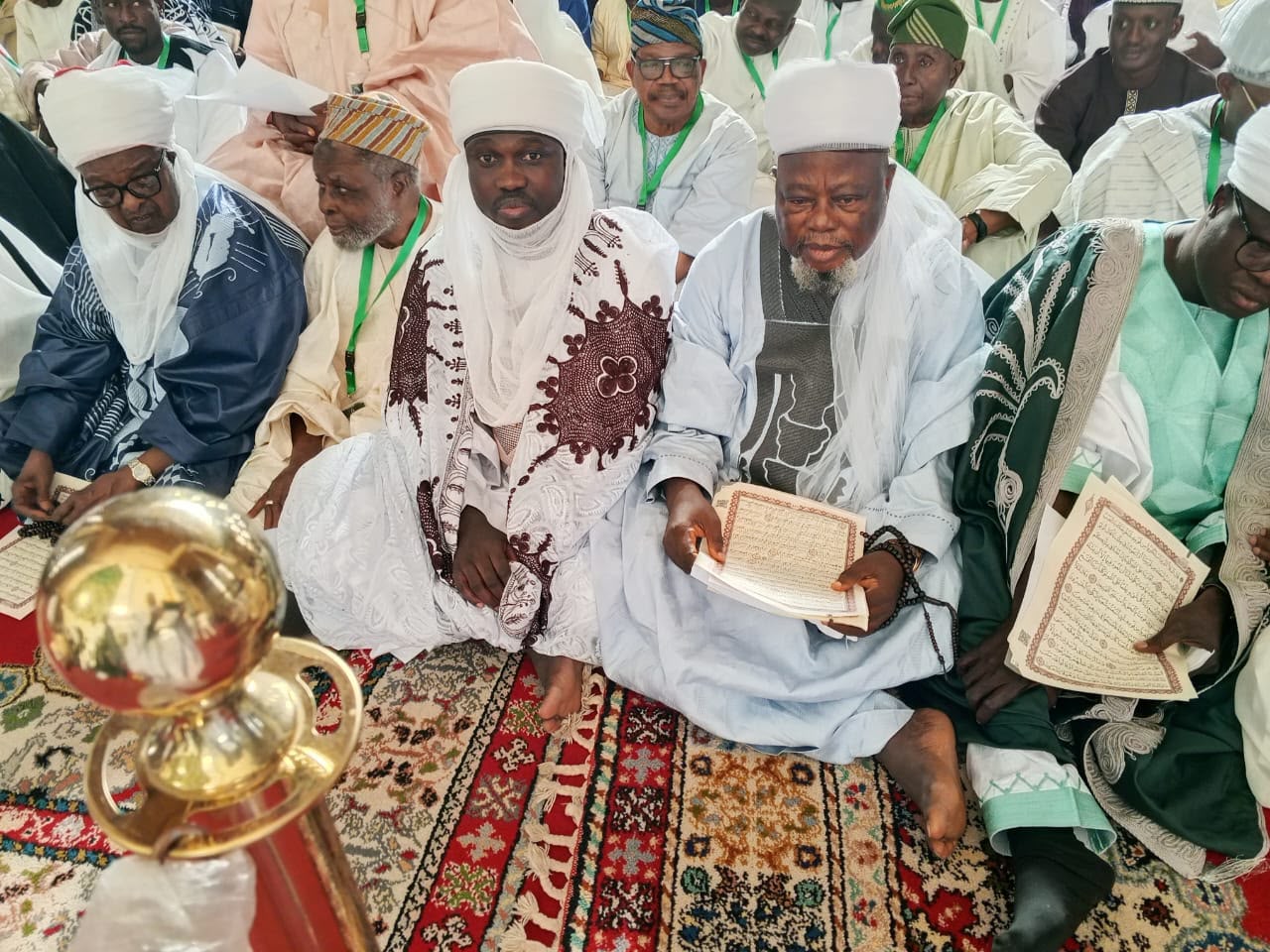
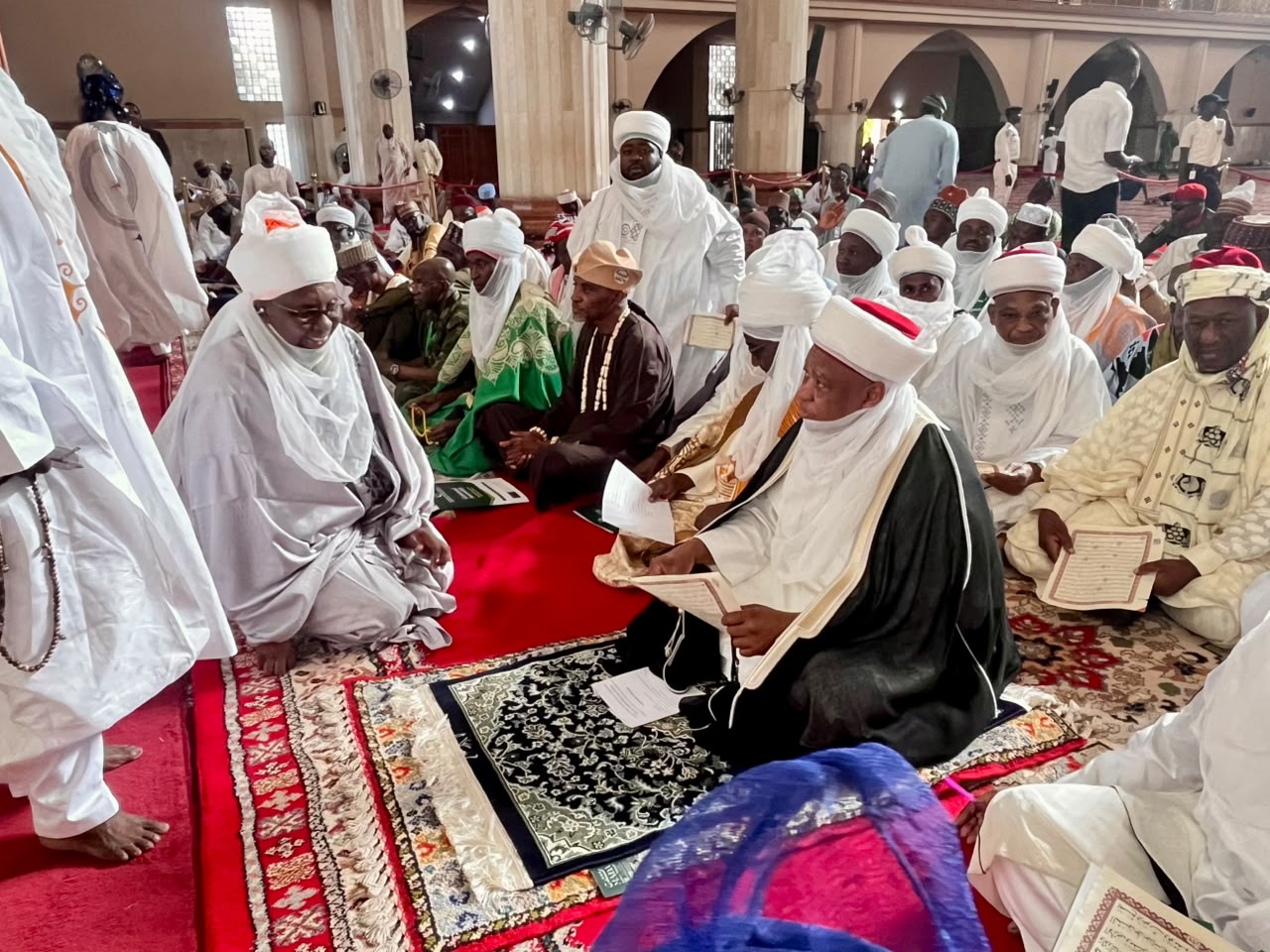
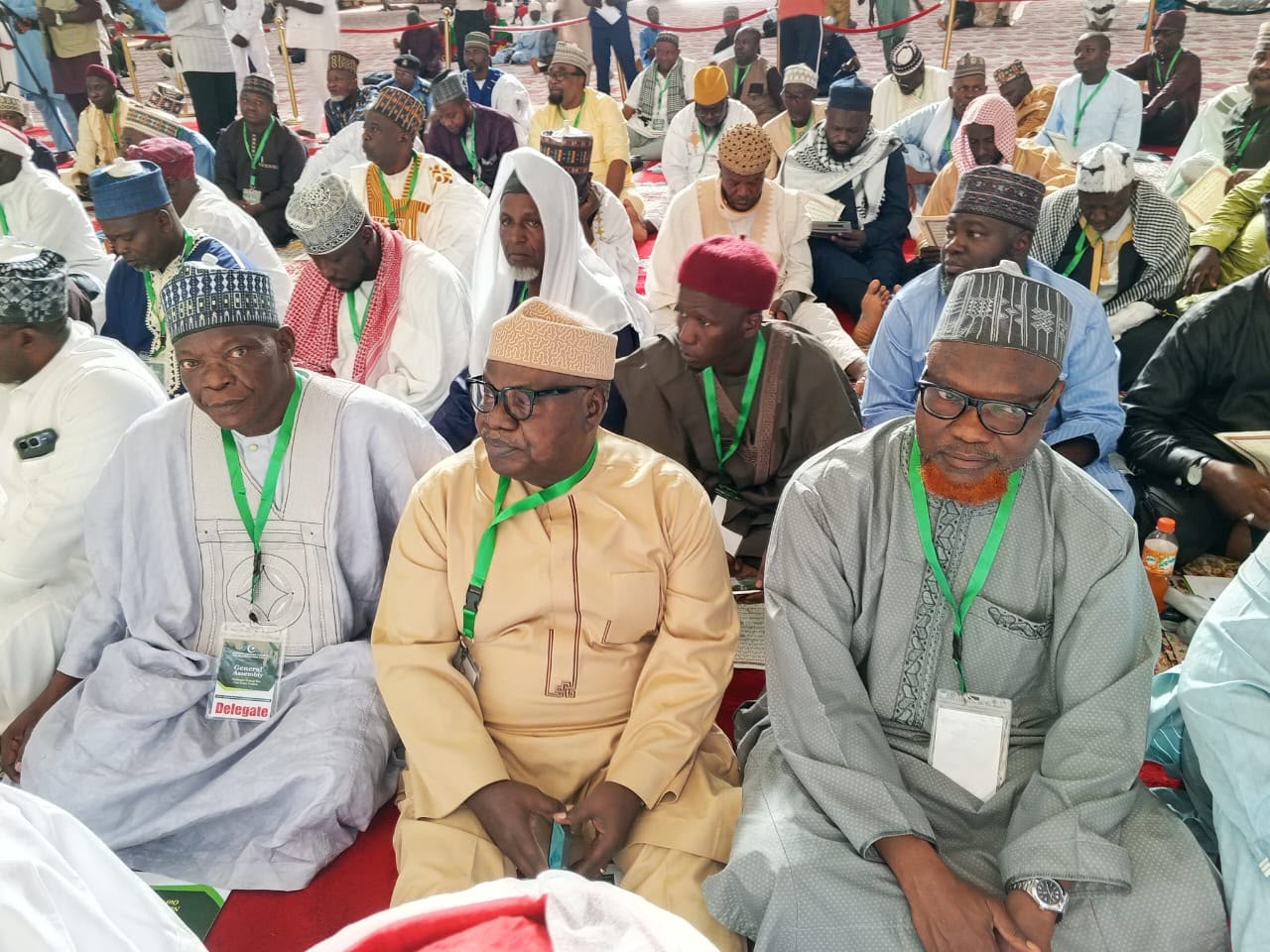
Muslim and traditional leaders gathered at the National Mosque Complex in Abuja on Wednesday for a special national prayer for Nigeria, where the country’s security, stability and development featured prominently in prayers and calls for greater responsibility among citizens and leaders.
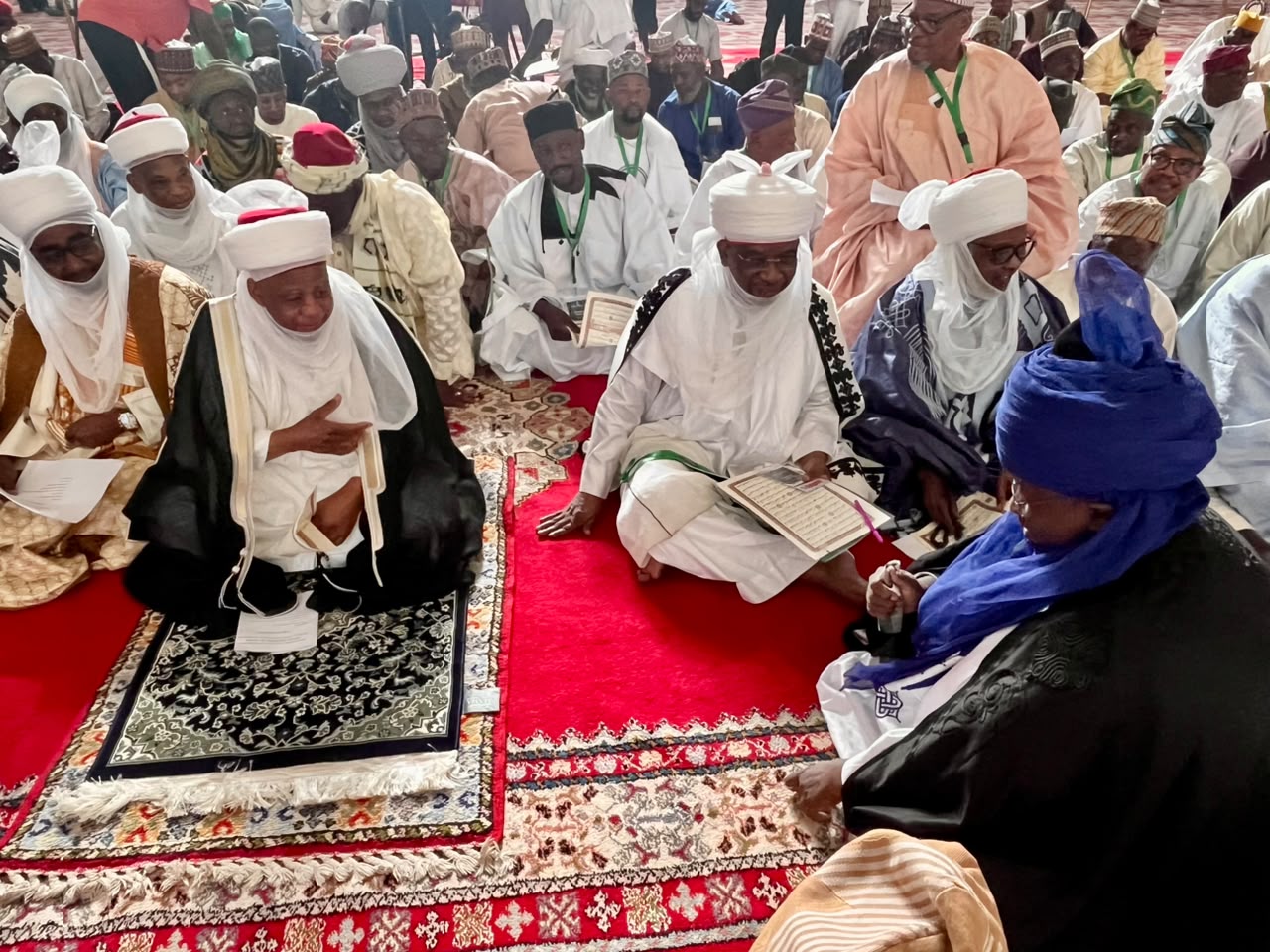
The prayer, organised by the Nigerian Supreme Council for Islamic Affairs (NSCIA) under the leadership of its President-General and Sultan of Sokoto, Alhaji Muhammad Sa’ad Abubakar, brought together Islamic scholars, imams, traditional rulers and Muslim representatives from different parts of the country ahead of Nigeria’s Independence anniversary.
In his welcome address, the NSCIA Secretary-General, Professor Is-haq Olanrewaju Oloyede, said the gathering formed part of the Council’s responsibility towards national development and provided an opportunity to pray for Nigeria, its leaders and religious leadership.
Oloyede also stressed that prayer should be accompanied by a stronger relationship with Allah, urging Muslims to improve their relationship with their Creator so that their supplications could be accepted. He said the programme was also an opportunity to remind Muslims of their responsibilities to the nation.
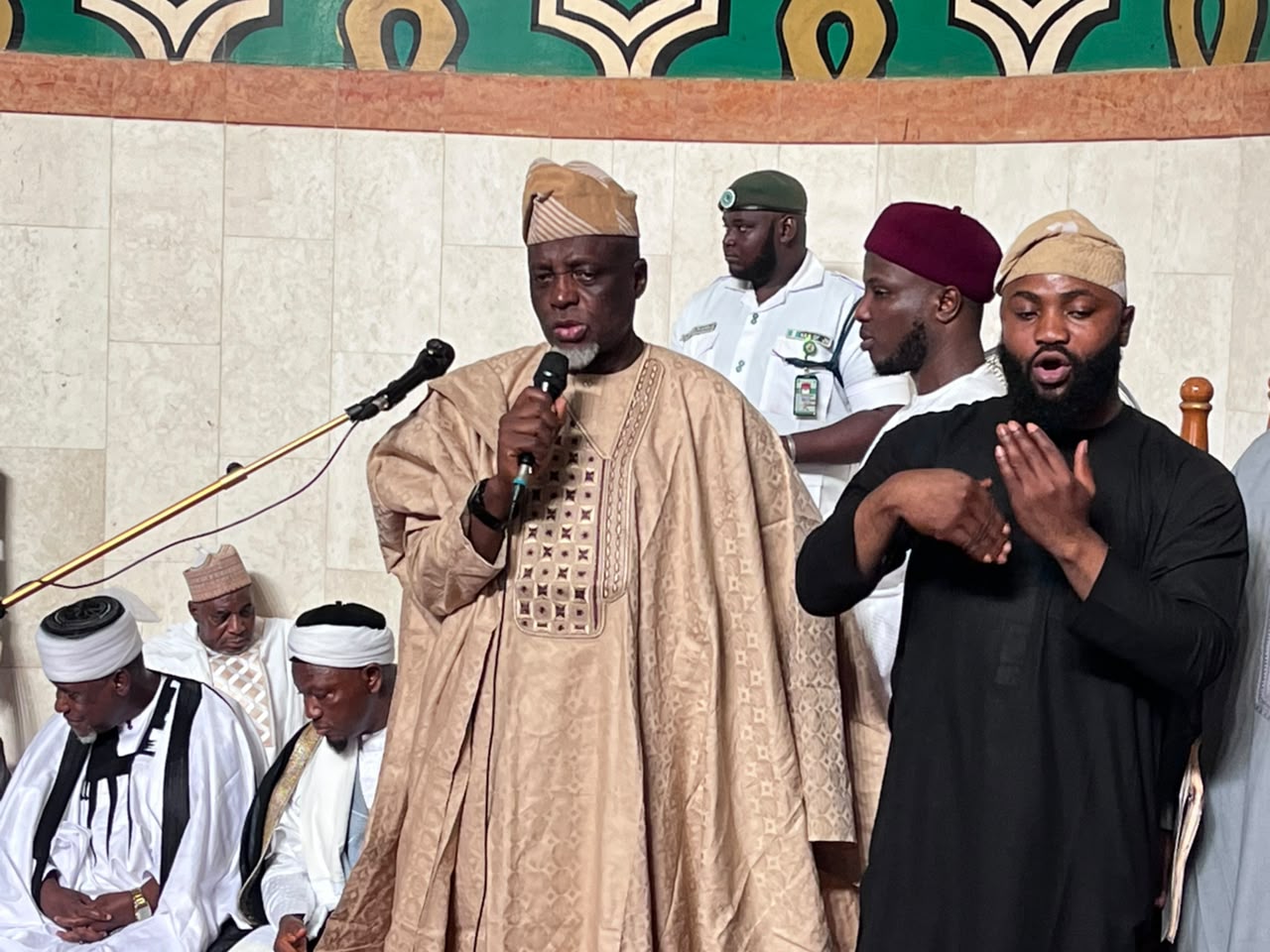
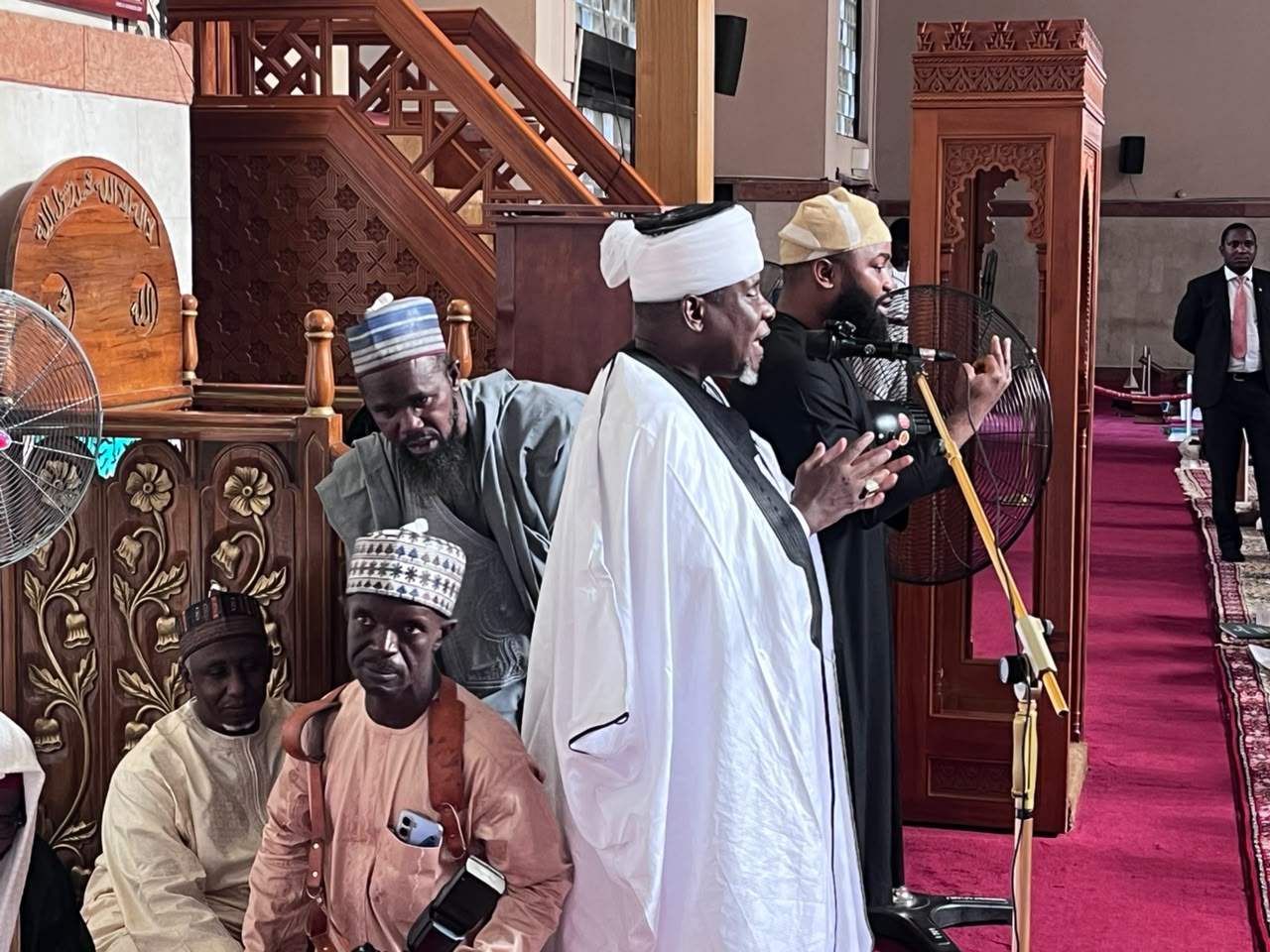
The national character of the prayer was reflected in the use of different Nigerian languages during the proceedings. Oloyede said the country’s linguistic diversity posed no barrier to calling upon the same Creator. He explained that while Arabic remains required for certain canonical acts of worship, Muslims can make personal supplications in languages through which they can best express themselves.
Oloyede described praying for Nigeria as a religious responsibility, saying, “We owe it a duty, a religious duty indeed, to pray for Nigeria.”
That connection between faith and national responsibility formed the central theme of the lecture delivered by Sheikh Professor Khalid Aliyu Abubakar on “The Importance of Nation-Building and the Values of Prayers.”
Sheikh Khalid said nation-building required the contribution of citizens and institutions, urging Nigerians to play constructive roles in developing their communities and the wider country.
Drawing on Islamic teachings and the example of Prophet Ibrahim’s supplication for the security and wellbeing of a community, he said Nigerians should not remain detached from the challenges confronting their country. He also called on the religious community to guide Muslims towards constructive participation in national development, while urging continued prayers for Nigeria’s peace, security and economic prosperity, as well as the wellbeing of families, communities and institutions.
The Olowu of Owu Kingdom, Oba (Professor) Saka Adelola Matemilola, said traditional rulers had an important role to play in maintaining peace because of their close relationship with their communities and the respect they command.
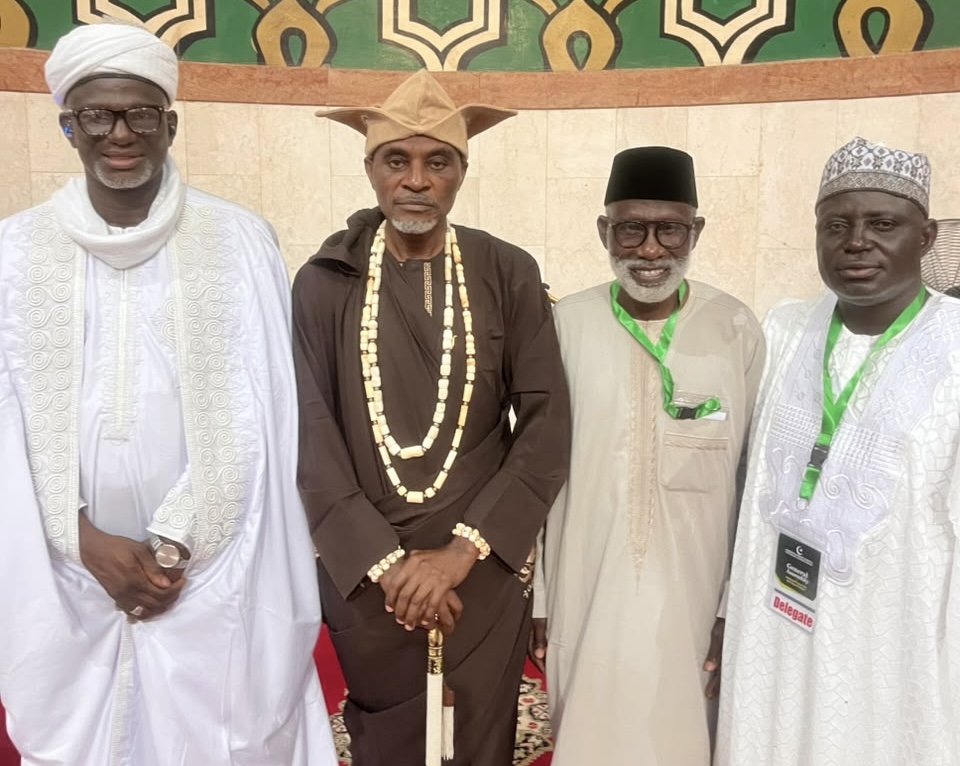
He urged traditional rulers to remain non-partisan, particularly during periods of political tension, saying their influence should be used to provide balance and prevent disagreements from escalating into wider conflicts.
The monarch also identified poverty and economic deprivation as factors that can contribute to insecurity and social problems, urging traditional rulers to work with political leaders and communities across regions to address such challenges. He called on the next generation of Islamic scholars to combine religious knowledge with good character and exemplary conduct.
The prayers also focused on some of the immediate challenges facing Nigeria, including insecurity, poverty and hunger, with appeals for peace, stability and development.
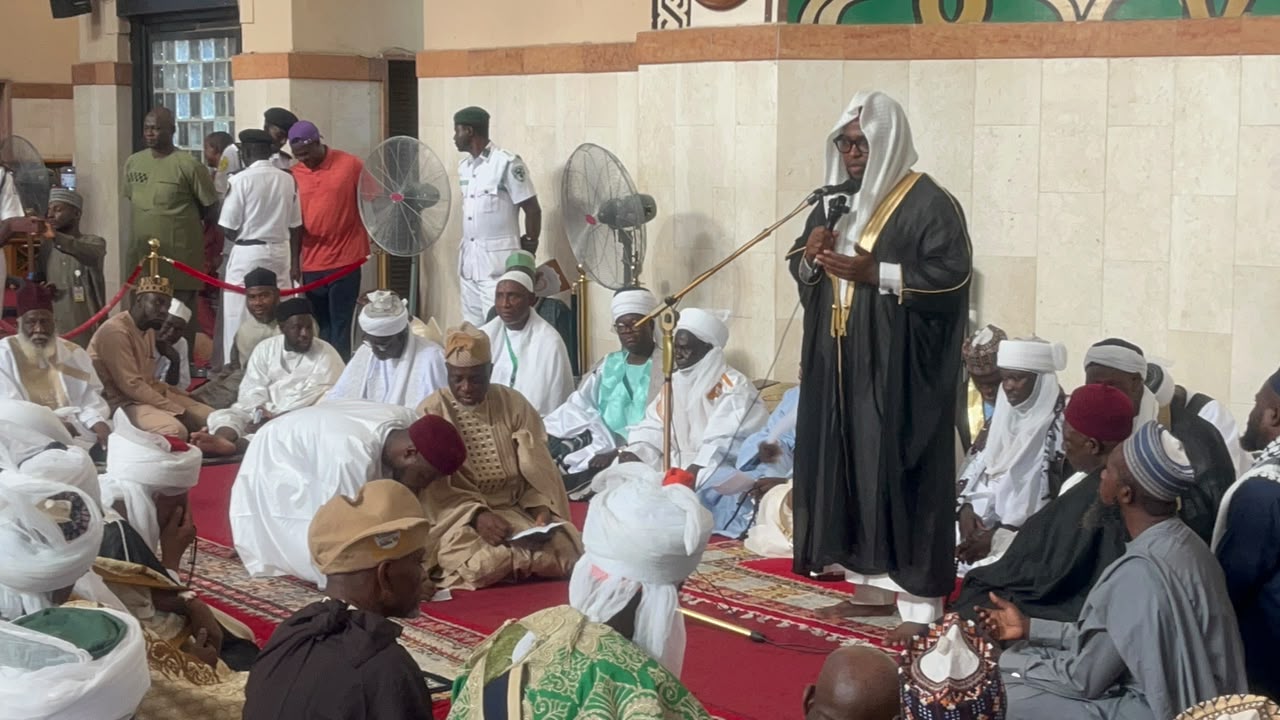
Imam Eze Haroun of the National Mosque, Abuja, said the occasion provided an opportunity to commit Nigeria and its people to Allah and seek divine intervention in the country’s difficulties.
“We are praying that Allah subhanahu wa ta’ala should come in and take control and bring back peace, bring back stability, bring back development to our nation,” Haroun said.
He also stressed the need for guidance and sincerity among the country’s leaders, noting the significance of religious and traditional leaders coming together from different parts of Nigeria.
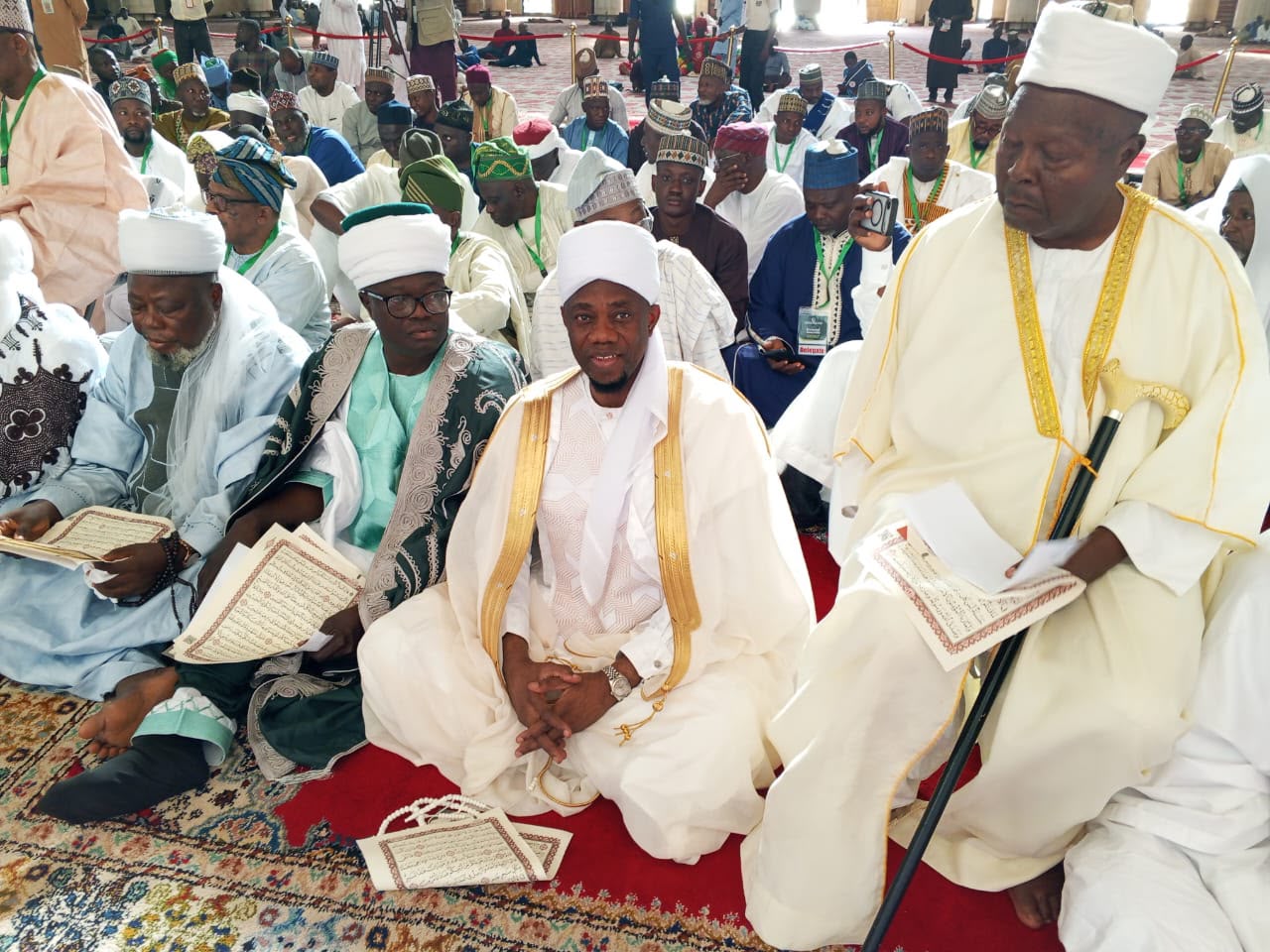
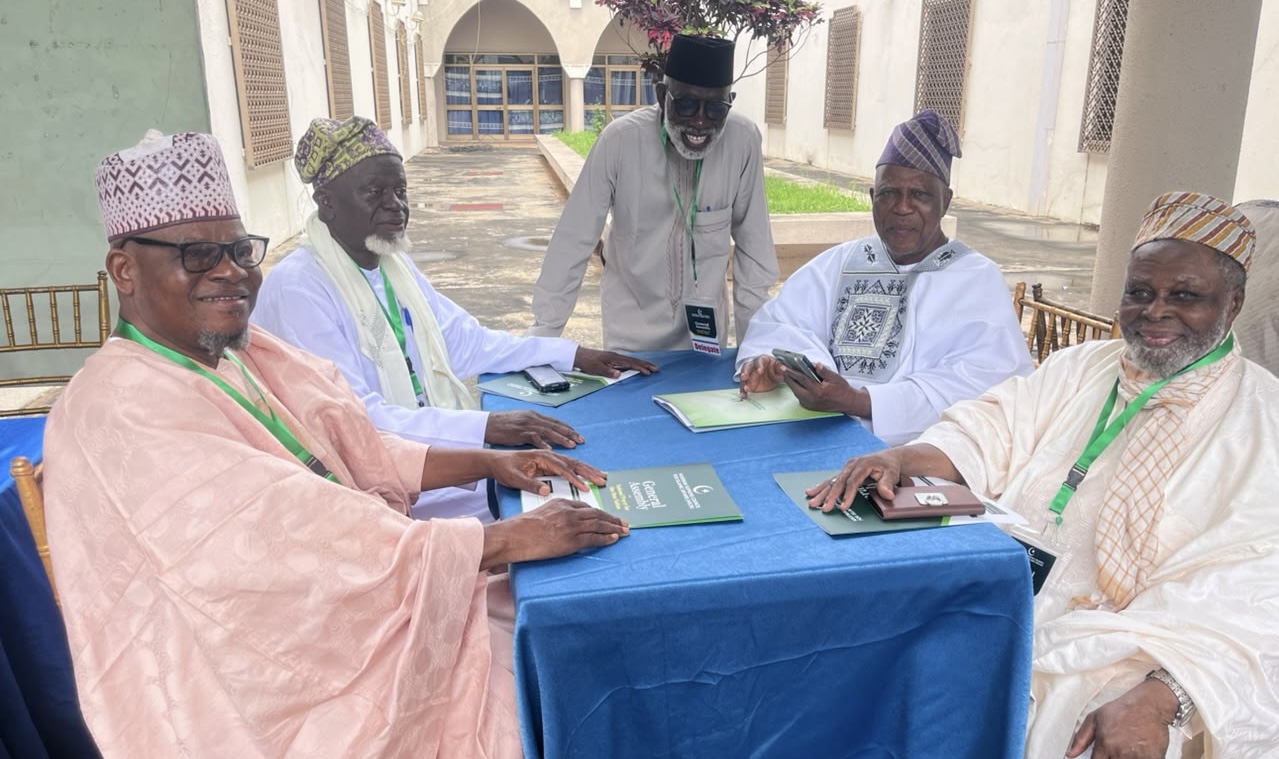
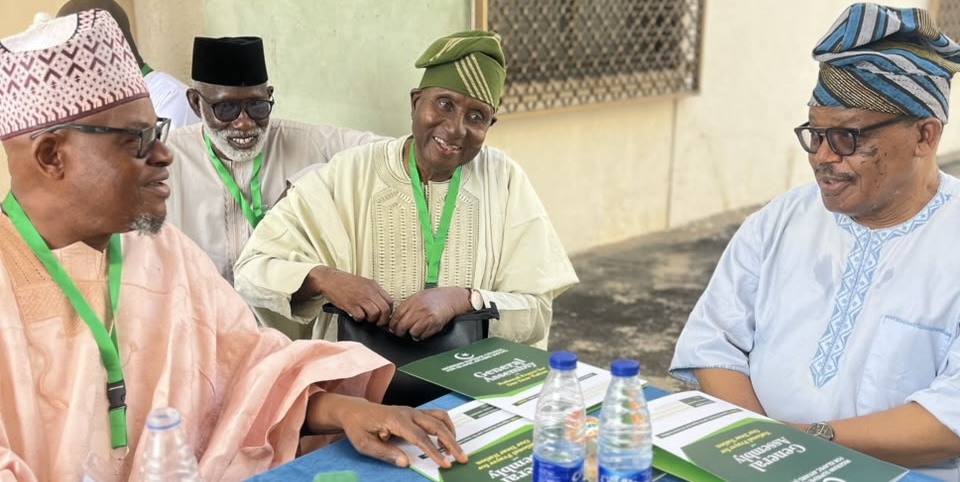
The special prayer formed the first part of a two-day NSCIA programme at the National Mosque Complex. The Council’s General Assembly, its highest decision-making organ, is scheduled for Thursday, October 1, at the same venue.
The Assembly will bring together members of the Council, representatives of State Councils for Islamic Affairs and Islamic organisations, Muslim public office holders and other prominent Muslim personalities for consultation on issues affecting the Muslim community and the country.
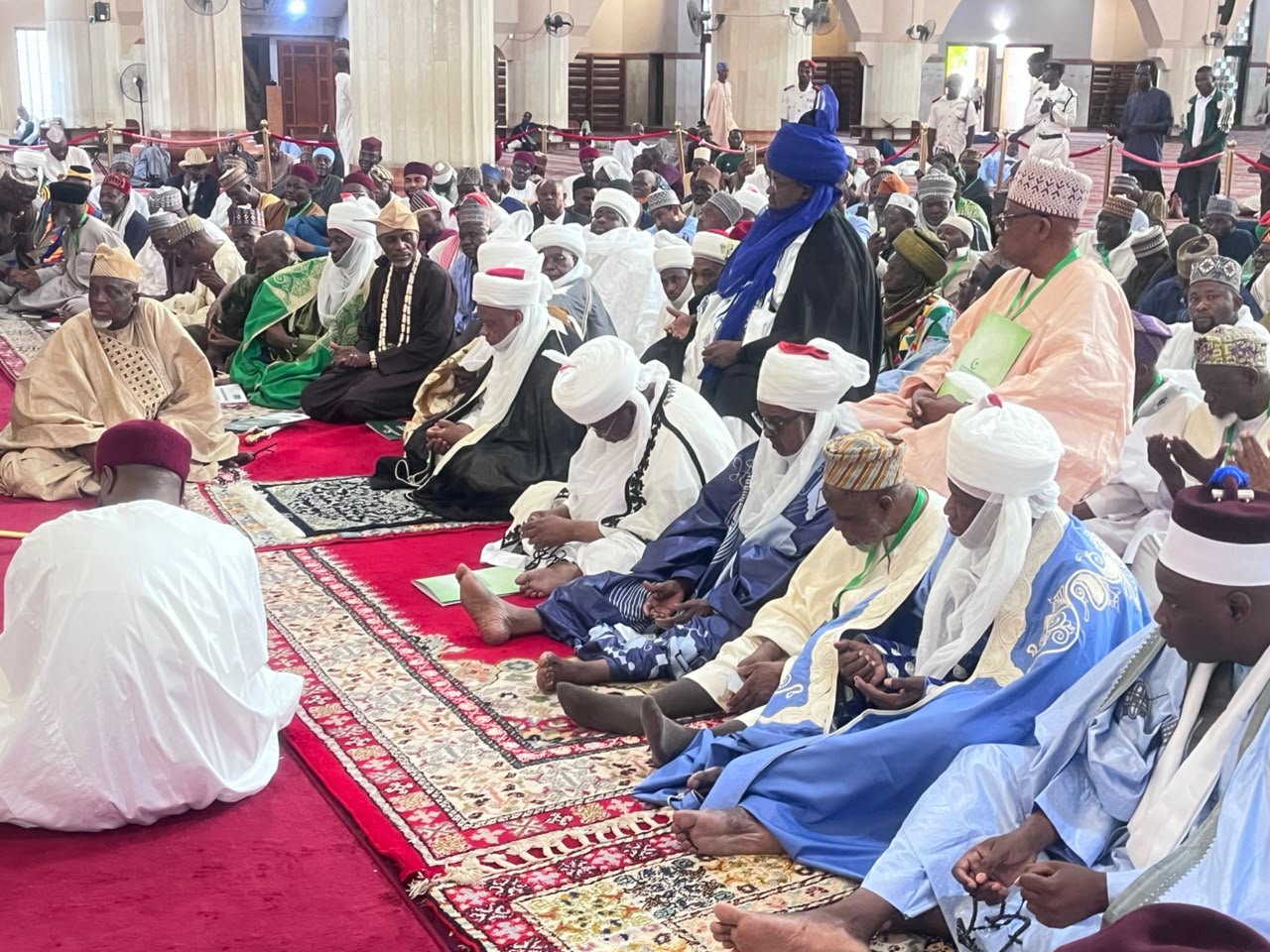
More photos:
SPONSORED

SPONSORED

SONSORED
