
Elon Musk Accused of Pushing Anti-Muslim Narrative Over UK Immigration
Economist interviewer challenges billionaire’s assertions with official crime data as remarks reignite debate over migration and online influence
By Abdullahi Yusuf
Elon Musk has again claimed the United Kingdom is heading toward social crisis because of immigration, and Muslim immigration in particular, reviving debate over how much damage influential figures do when they cast migration as a civilizational threat.
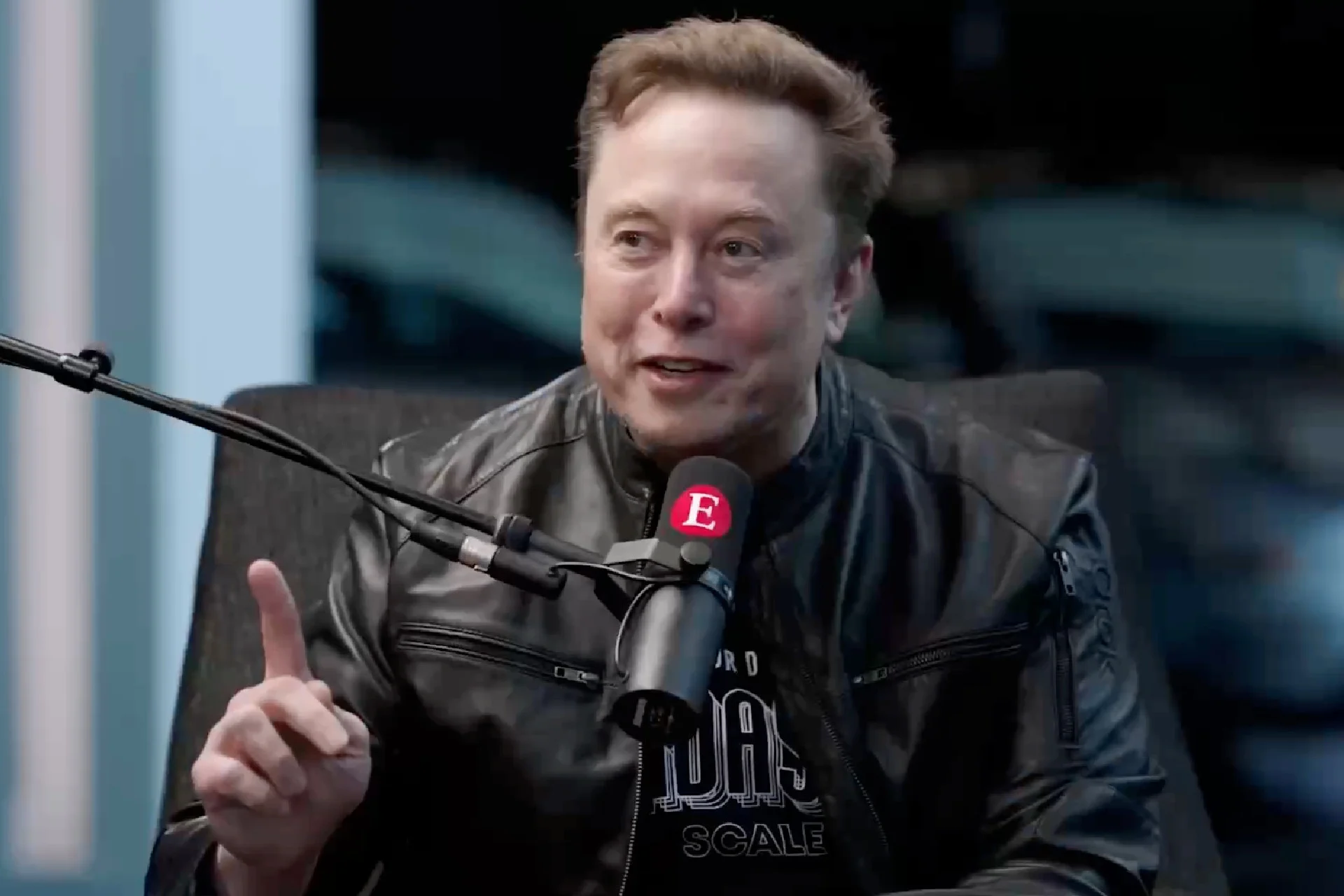
In an interview with The Economist, Musk rejected the charge that his views are anti-Muslim while arguing he opposes immigration from groups he says hold values incompatible with Western principles, and warned of a coming reckoning in Britain.
Pressed on his earlier suggestion that civil conflict in the UK was inevitable, he said it remained possible on the current path.
The Economist’s editor-in-chief, Zanny Minton Beddoes, pushed back directly, citing crime data and rejecting the claim that London or other British cities had become unsafe because of immigration, a rebuttal worth noting, since it came from the interviewer rather than a critic quoted afterward.
The claims fit a documented record. Musk has repeatedly linked rising non-European populations to crime and instability, assertions researchers reject: the relationships among migration, social conditions, and crime are complex and do not reduce to ethnicity or religion.
What makes Musk’s claims particularly significant is the enormous reach of his platform. Through X, which has hundreds of millions of users, he has amplified nationalist and anti-immigration voices across Europe and faced sustained criticism from civil rights groups for promoting or elevating extremist narratives.
The record around him complicates the picture further.
Musk has denied allegations of sexual misconduct, including a claim by a former SpaceX employee, and dismissed some reports as politically motivated; in 2024 former SpaceX employees sued alleging retaliation after raising harassment concerns, which the company disputes.
X, meanwhile, faces European regulatory scrutiny over content moderation, and its Grok AI system has drawn criticism over harmful deepfakes.
Analysts make the underlying point plainly: migration policy needs evidence, not narratives that reduce whole communities to a threat, and a platform owner broadcasting the latter to hundreds of millions is not describing a crisis so much as helping manufacture one.
Additional information from MNTV
SPONSORED

SPONSORED
