
Muslim Lecturers Announce National Research Summit Amid Association Rebrand
Association unveils new logo as leaders set out plans to strengthen scholarship, ethical leadership and institutional relevance
By Abdullahi Yusuf
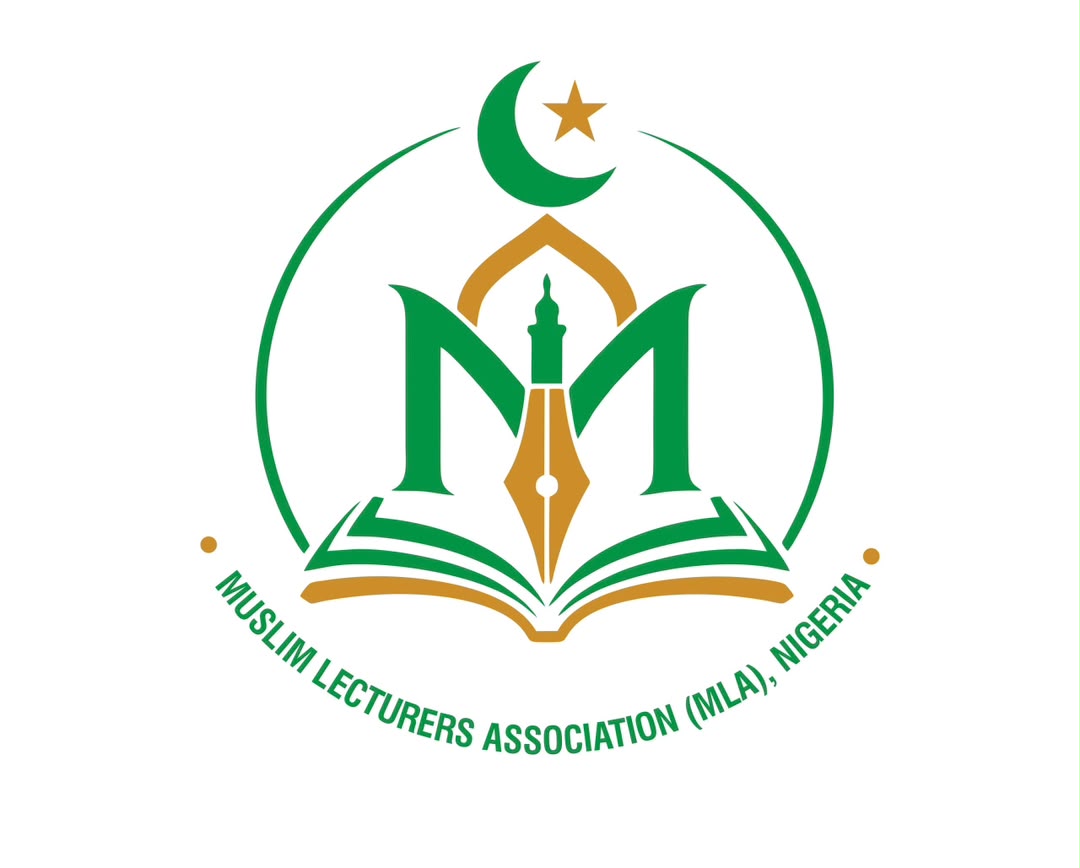
The Muslim Lecturers Association of Nigeria (MLA) has unveiled a new corporate identity in a move the organisation says marks a renewed effort to strengthen scholarship, ethical leadership and the association’s contribution to national development.
The new logo was unveiled during a virtual ceremony attended by members from universities and other tertiary institutions across the country, with the association describing the rebranding as more than a visual change but a reflection of its evolving mission and long-term strategic direction.
Held via Zoom on 24 July under the theme “Identity, Knowledge and Service: Unveiling the New Face of MLA Nigeria,” the event brought together academics and senior members of the association to outline plans for its future while reaffirming its commitment to scholarship and public service.
Opening the ceremony, the President of the association, Professor AbdWasiu Olabamiji Ajagbe, described the unveiling as a defining moment in the organisation’s history.
He said the new identity represented renewed purpose and fresh momentum as the association seeks to strengthen its role within Nigeria’s academic community.
According to him, the rebranding forms part of a broader strategy to reposition the association for greater relevance by promoting academic excellence, ethical leadership and meaningful national engagement.
He said the rebranding would be reflected across the association’s programmes, publications, digital platforms and institutional partnerships as it seeks to build a stronger and more recognisable presence within the higher education sector.
He said the association would continue to prioritise mentoring early-career academics, expanding professional networks among Muslim scholars and encouraging intellectual collaboration across disciplines.
“The unveiling signifies a new spirit of serving Allah through scholarship and purpose,” he said, urging members to contribute actively to the association’s growth through ideas, service and professional commitment.
Also speaking, Professor Tajudeen Yusuf, a member of the association’s Council of Guidance and a professor at the University of Lagos, said the new identity represented a strategic step in strengthening the visibility and influence of Muslim academics in Nigeria.
He said the initiative should not be viewed simply as the introduction of a new logo but as part of a wider effort to reinforce the association’s role within the country’s higher education landscape.
Professor Yusuf urged members to become more actively involved in academic and professional platforms capable of advancing scholarship while promoting values rooted in Islamic ethics.
Delivering the keynote address, the association’s immediate past President, Professor Ahmed Adedeji, called for sustained support from members and stakeholders, saying the success of the new initiative would depend on unity and collective responsibility.
He expressed confidence that the association could achieve greater institutional impact through collaboration and shared commitment to its objectives.
Explaining the redesign, the association’s Director of Information, Publicity and Community Service, Dr Kamoru Salaudeen, said the decision followed a review of the organisation’s previous visual identity.
He said although the former logo had served the association over the years, inconsistencies in its design and application across different platforms had made a comprehensive review necessary.
According to him, the new logo is intended to establish a more consistent corporate identity, strengthen institutional credibility and improve the association’s visibility across digital and public communication platforms.
The association also used the occasion to announce that its 2026 National Research Conference will be hosted by Fountain University, Osogbo, Osun State, from 26 to 29 October.
It thanked the university’s Vice-Chancellor, Professor Olayinka Ramota Kareem, for accepting to host the conference, describing the annual gathering as an opportunity for Muslim scholars from across Nigeria to exchange research, strengthen professional collaboration and examine issues affecting higher education and national development.
The Muslim Lecturers Association of Nigeria is a professional body of Muslim academics drawn from universities and other tertiary institutions across the country. It promotes scholarship, ethical leadership, research collaboration and professional development while contributing to national discourse on education and public policy.
SPONSORED

SPONSORED

SONSORED
