
Ceasefire Crumbles as Israeli Strikes Continue in Lebanon
Civilian toll rises and diplomatic pressure mounts as fragile truce shows early signs of collapse
By Abdullahi Yusuf
A ceasefire intended to halt escalating hostilities in the Middle East is already under visible strain, with continued Israeli military activity in Lebanon raising urgent questions about whether the agreement can hold long enough for diplomacy to take root.
Less than a day after the truce was announced, reports of violations began to surface across multiple fronts, undermining confidence in a deal that had been presented as a narrow window for de-escalation. The agreement, brokered after weeks of intense diplomacy, now appears precarious in the face of competing military and political calculations.
Pakistan’s Prime Minister, Shehbaz Sharif, issued a rare and urgent appeal for restraint, warning that reported breaches risk eroding the foundations of the peace process before negotiations have formally begun. Writing publicly, he urged all parties to respect the agreed two-week ceasefire period to allow diplomatic engagement to proceed.
His intervention reflects both the fragility of the agreement and the difficulty of enforcing compliance in a conflict shaped by multiple actors with divergent objectives.
Tehran has been more explicit in its response. Iran’s Foreign Minister, Abbas Araghchi, accused Israel of violating the ceasefire in both Iran and Lebanon during a high-level exchange with Pakistan’s military leadership.
While expressing appreciation for Islamabad’s mediation efforts, the remarks signal growing frustration in Tehran and hint at the possibility of renewed escalation if the situation persists.
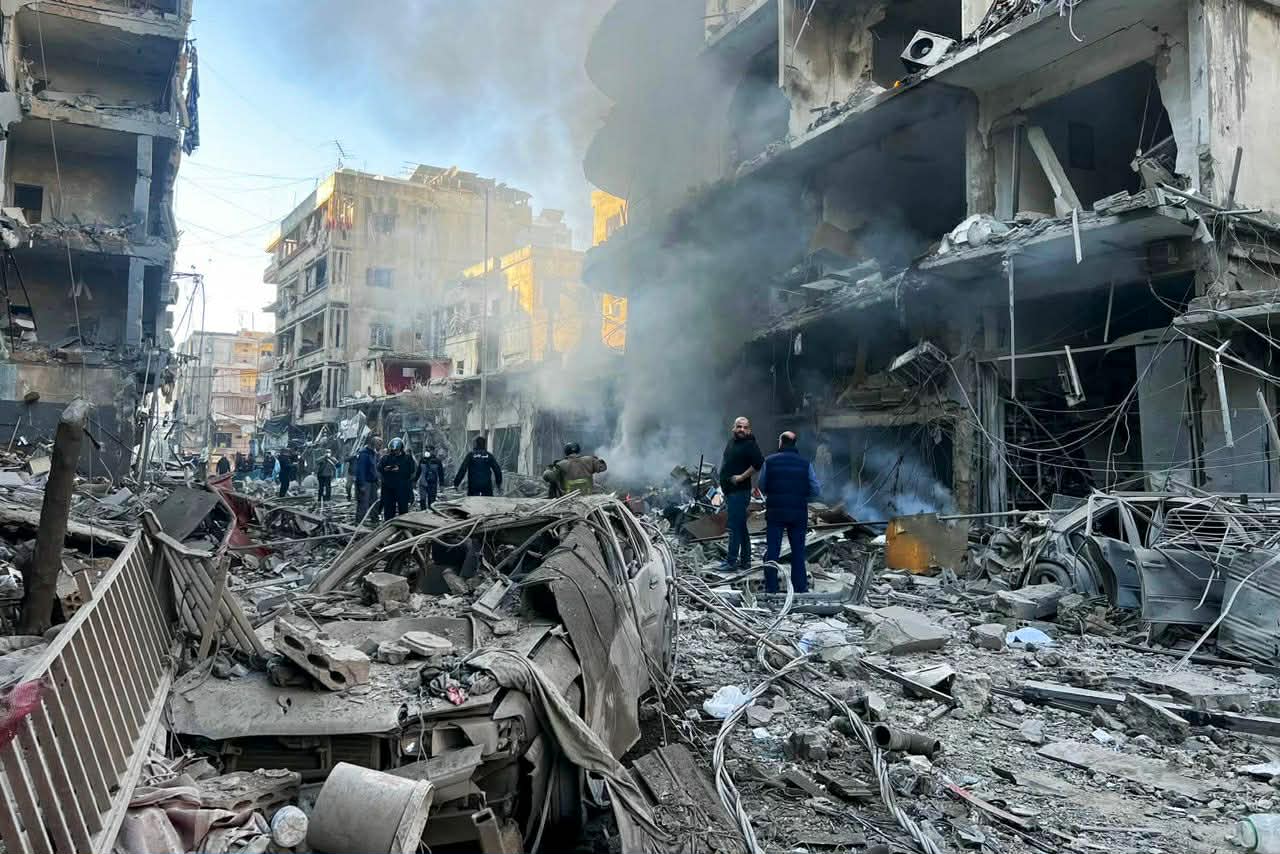
The most immediate consequences are being felt in Lebanon, where continued Israeli bombardment has resulted in significant civilian casualties.
According to Lebanese health authorities, at least 89 people were killed and more than 700 injured in a single day of strikes. Urban areas, including parts of Beirut, have been hit, intensifying humanitarian concerns and placing additional strain on already stretched emergency services.
The United Nations High Commissioner for Refugees described the situation in stark terms, warning of mounting deaths, widespread destruction, and civilians once again bearing the brunt of the conflict.
At the heart of the disagreement lies a fundamental divergence in how the ceasefire is interpreted. Israeli Prime Minister Benjamin Netanyahu has indicated that the agreement does not extend to Lebanon, a position that sharply contrasts with Iran’s insistence that any truce must include its regional allies, notably Hezbollah.
Pakistani officials have continued to press for adherence to the agreement, warning that continued military activity risks derailing talks before they begin.
Planning Minister Ahsan Iqbal Chaudhary cautioned that the ongoing bombardment is creating a hostile environment for negotiations and could have far-reaching economic consequences, particularly if instability disrupts key global trade routes such as the Strait of Hormuz.
Formal negotiations are still scheduled to begin in Islamabad, but the atmosphere surrounding the talks has shifted remarkably. What was initially presented as an opportunity for de-escalation is now overshadowed by renewed violence and deepening mistrust.
The immediate challenge is no longer simply reaching a lasting settlement. It is whether the ceasefire itself can survive long enough to make meaningful dialogue possible.
SPONSORED

SPONSORED

SONSORED
