
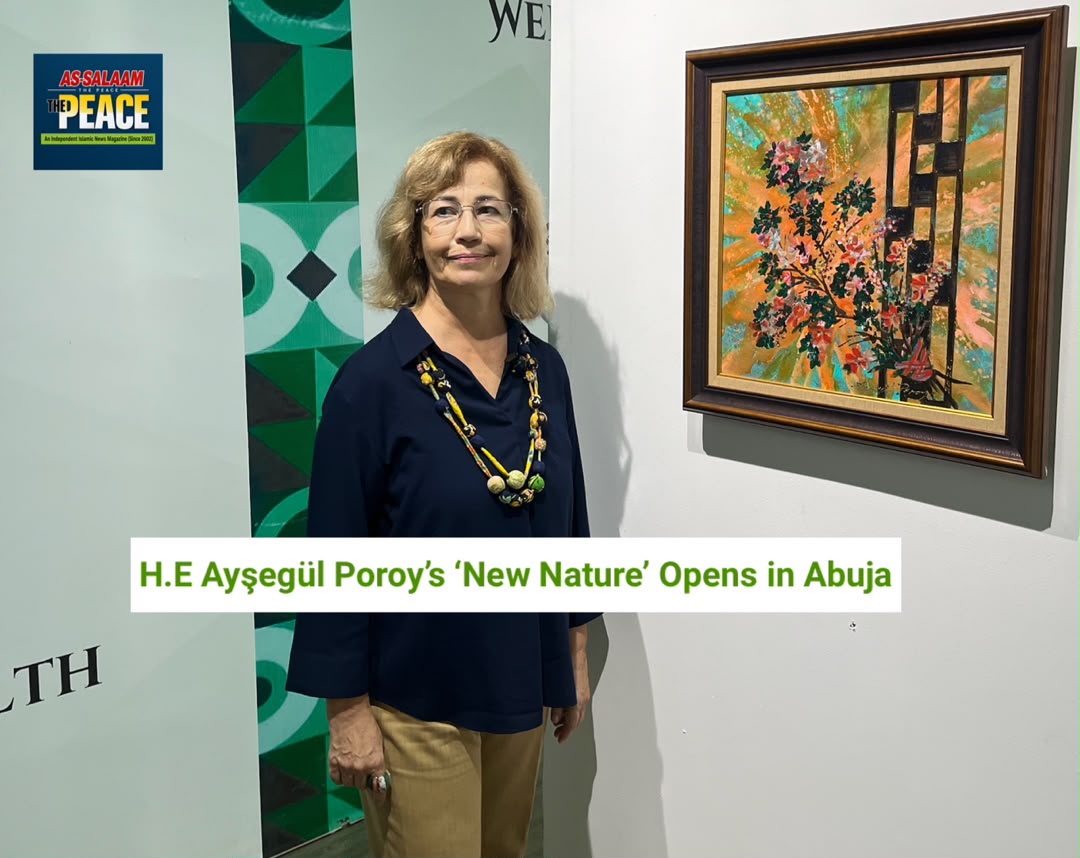
Turkish Ambassador’s Wife Opens ‘New Nature’ Exhibition in Abuja
Plastic, Memory and Dragonflies: Ayşegül Poroy says more than 30 years of diplomatic life and her encounters with Nigeria’s landscapes have shaped an exhibition exploring how plastic and other human-made materials are transforming the natural world.
By Abdullahi Yusuf
A painter and printmaker married to Türkiye’s Ambassador to Nigeria is opening an exhibition in Abuja on Tuesday that examines how plastic waste is transforming the natural environment.
New Nature, billed as the 15th solo exhibition by H.E Ayşegül Özlenen Poroy, an Associate Professor of Fine Arts, runs from 3 to 20 November 2026 at the Atrium Gallery of the Ministry of Foreign Affairs. The opening reception is scheduled for 5pm to 8pm on 3 November. H.E Ambassador Mehmet Poroy had earlier announced the exhibition at the Turkish Embassy’s Republic Day reception.
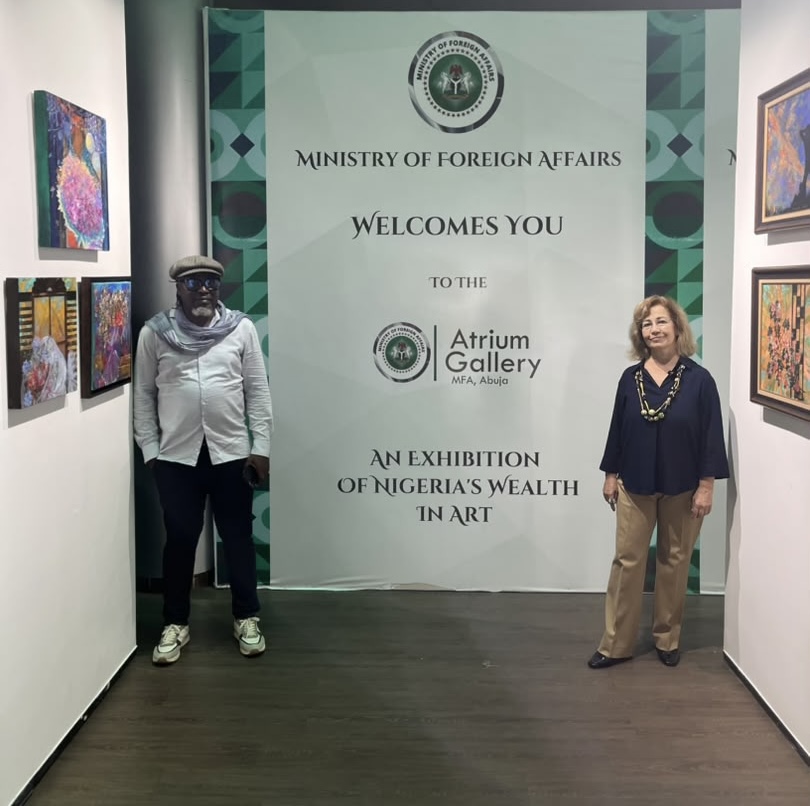
The works, spanning acrylic painting, printmaking and three-dimensional installations, explore how human-made waste reshapes the natural world. In her artist’s statement, Poroy says that more than 30 years of diplomatic life across different countries have allowed her to witness nature’s transformation through its encounter with human-generated waste, from Nigeria’s landscapes to other parts of the world.
In an interview with PEACE Magazine ahead of the opening, she said the COVID-19 pandemic sharpened her awareness of pollution and the growing presence of plastic in everyday life.
“After the pandemic, we all realised, not only me, that our planet is polluted. So, we have a new nature. It’s full of plastics,” she said.
Poroy said her works combine layers of different materials, “mostly plastics and recycled materials”, adding that she felt a responsibility as an artist to make people more aware of the planet’s condition.
In notes prepared for the exhibition, she explains that New Nature is not intended simply as a criticism of plastic pollution. Rather, she is interested in what happens to people’s understanding of nature when the natural and the human-made become increasingly difficult to separate.
“Perhaps New Nature is not a new nature in the literal sense. It is a new way of seeing nature,” she writes.
Nigeria’s landscape, she said, played an important role in shaping the exhibition. Poroy recalled being deeply affected by the country’s natural environment when she arrived, particularly its colours, flowers and wildlife.
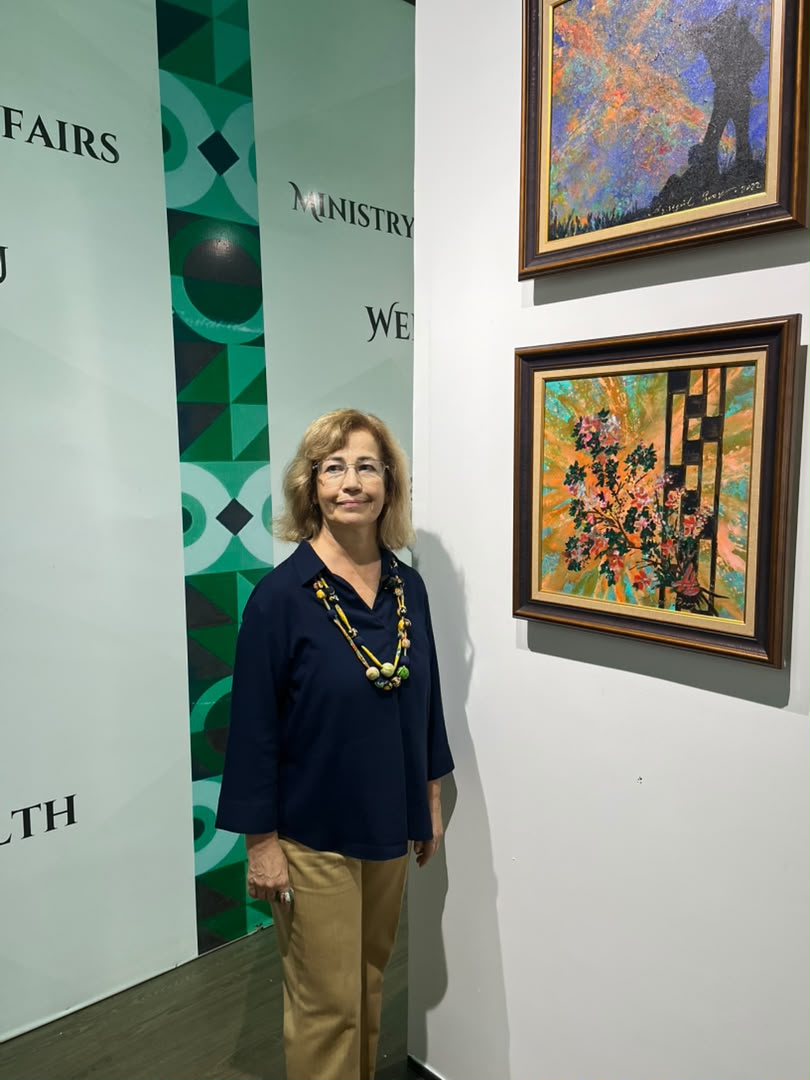
“When we arrived here, I was highly affected by your nature,” she said, describing the experience as a major influence on her artistic direction.
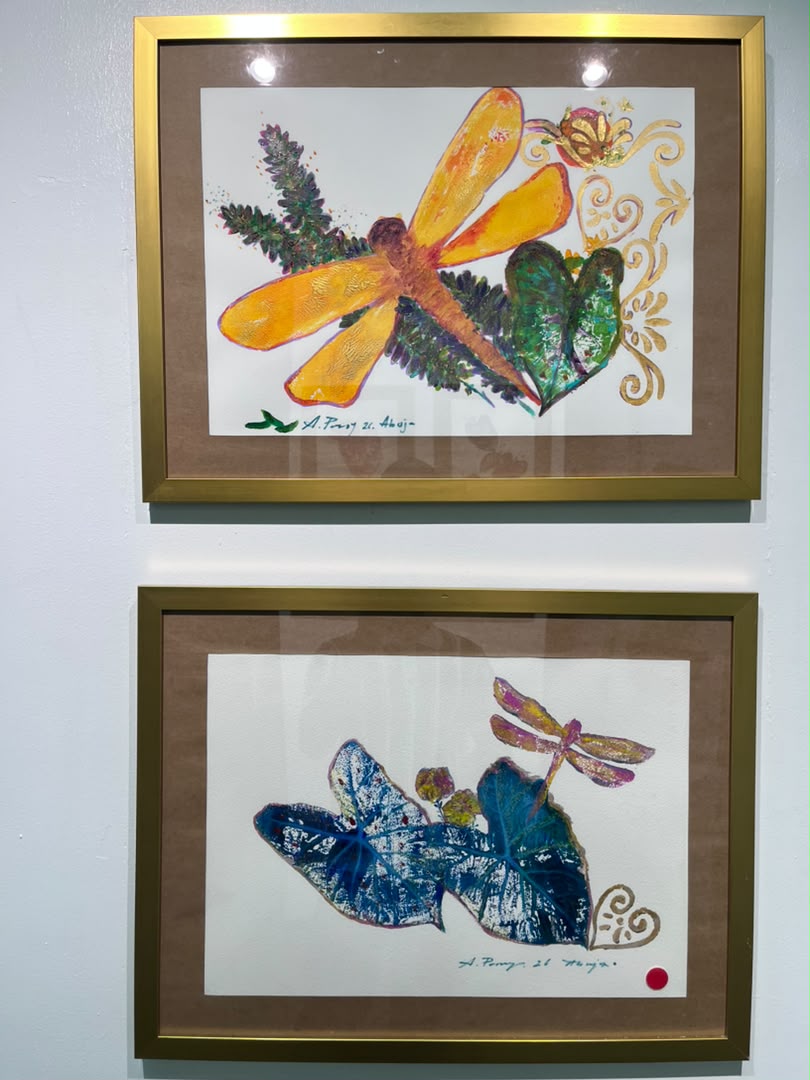
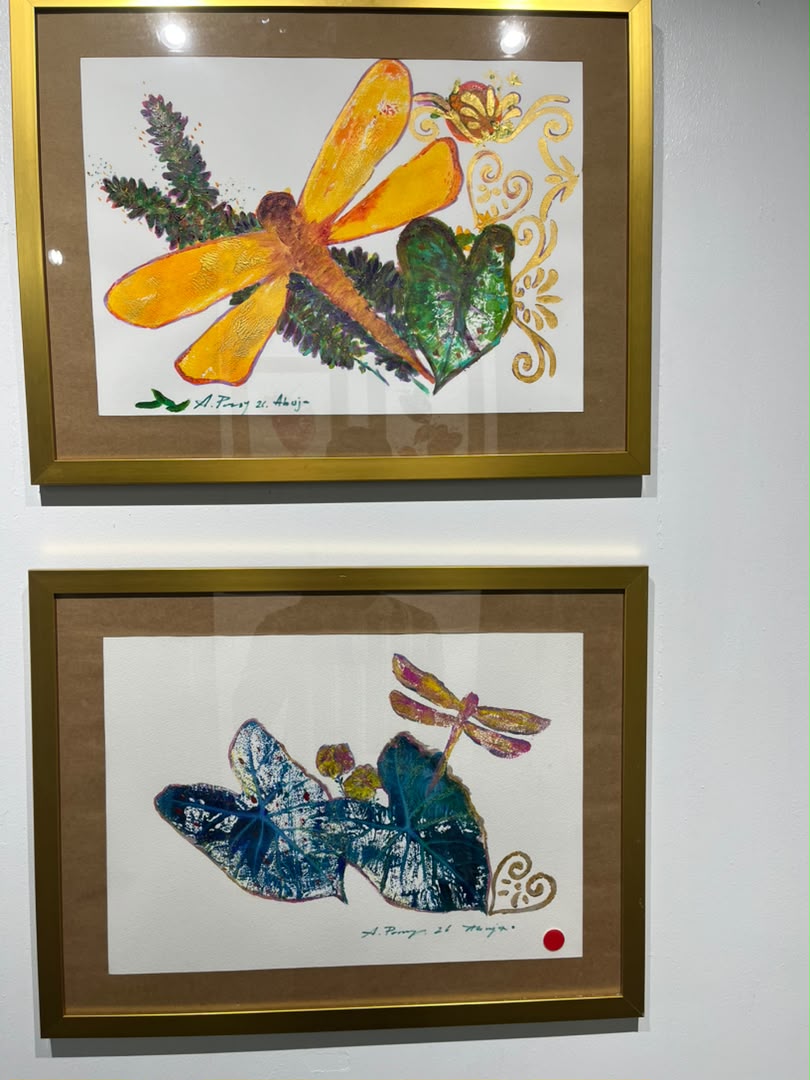
The artist also recalled encountering a purple-and-blue bird she had never seen before and finding numerous dragonflies around her new surroundings. She said the dragonfly reminded her of an animal once familiar in her own country but no longer commonly seen there. The insects have since become recurring symbols in her work.
“When I arrived here, it is still living here. A lot of dragonflies around. This is the living nature. So, this makes me very happy. That’s why I share it as a symbol,” she said.
Three chapters of nature, memory and movement
The exhibition’s curator, Mr Nduwhite Ndubuisi Ahanonu, said New Nature is organised into three interconnected chapters, bringing together Poroy’s environmental concerns, experiences of relocation and encounters with Nigerian landscapes.
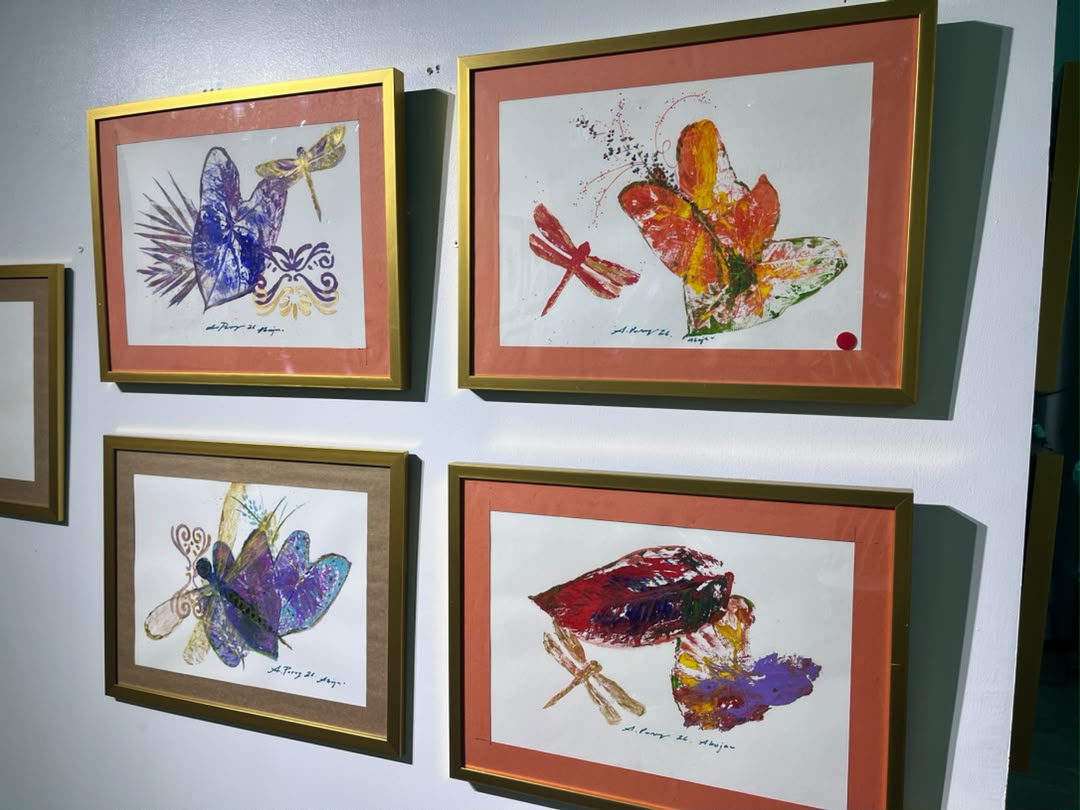
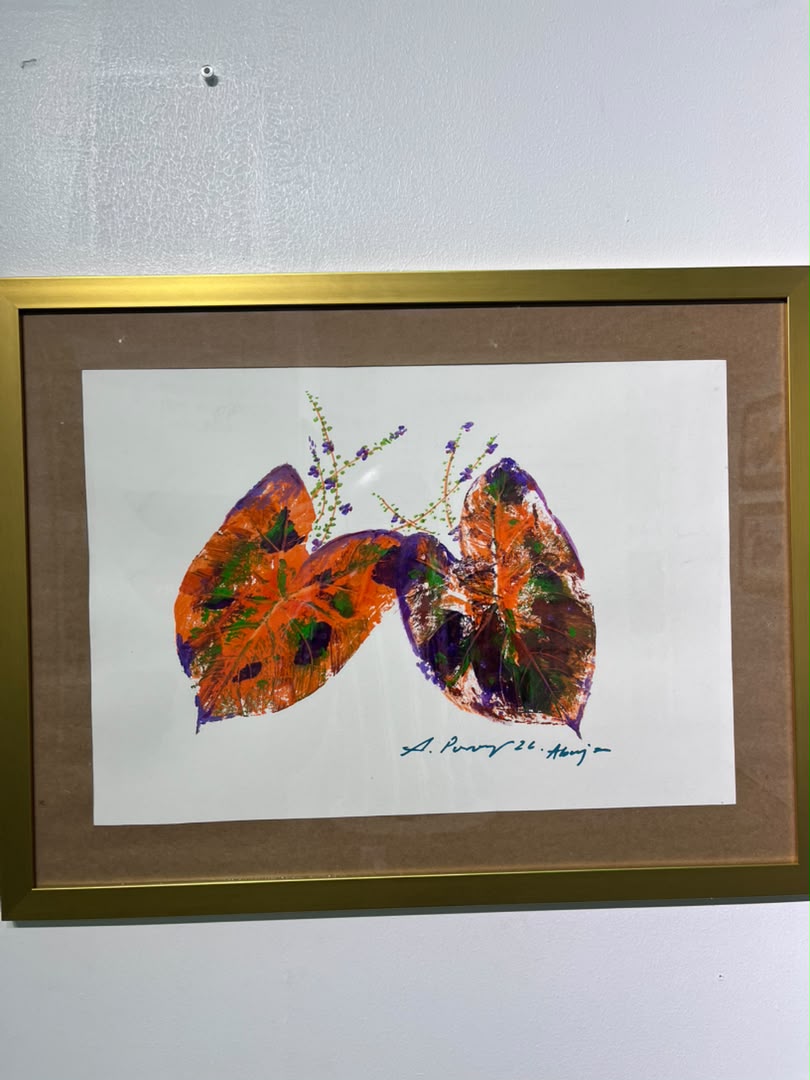
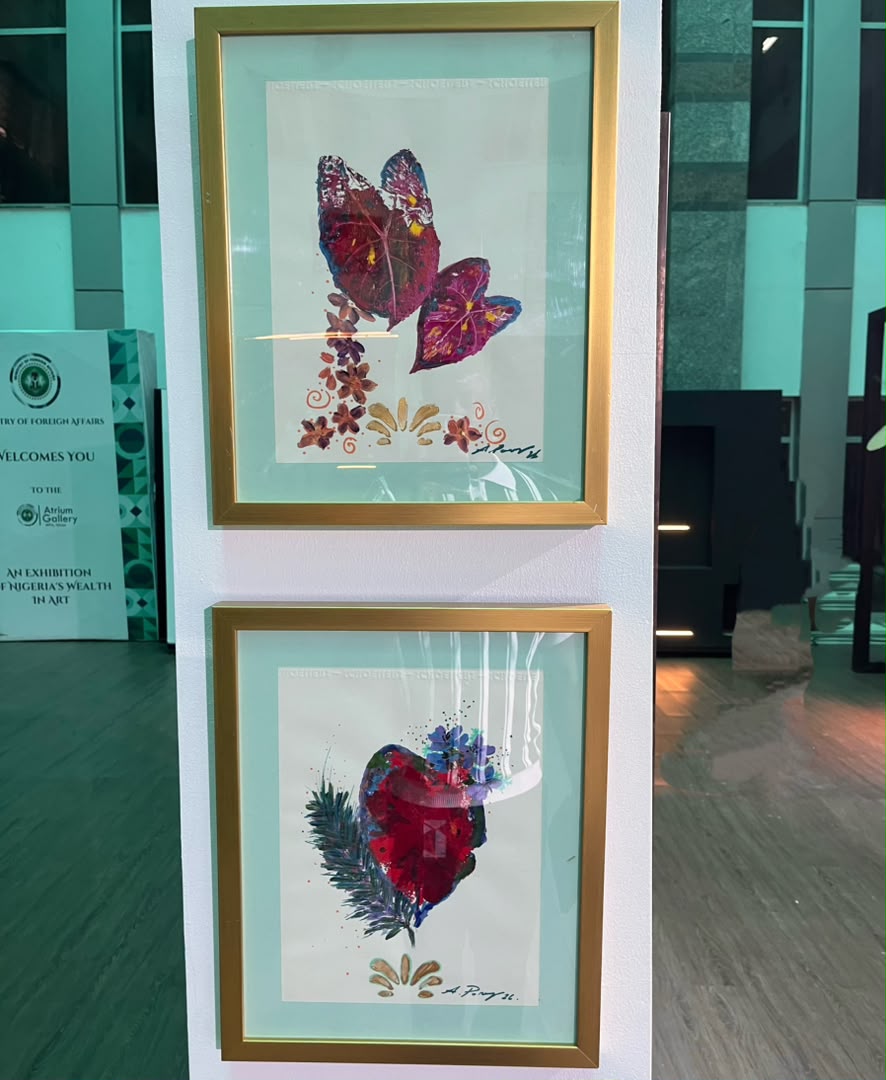
The first consists of botanical prints made using leaves gathered from the artist’s residential environment in Abuja. Ahanonu described the works as an engagement with local plant life, reflecting the process of becoming familiar with a new landscape.
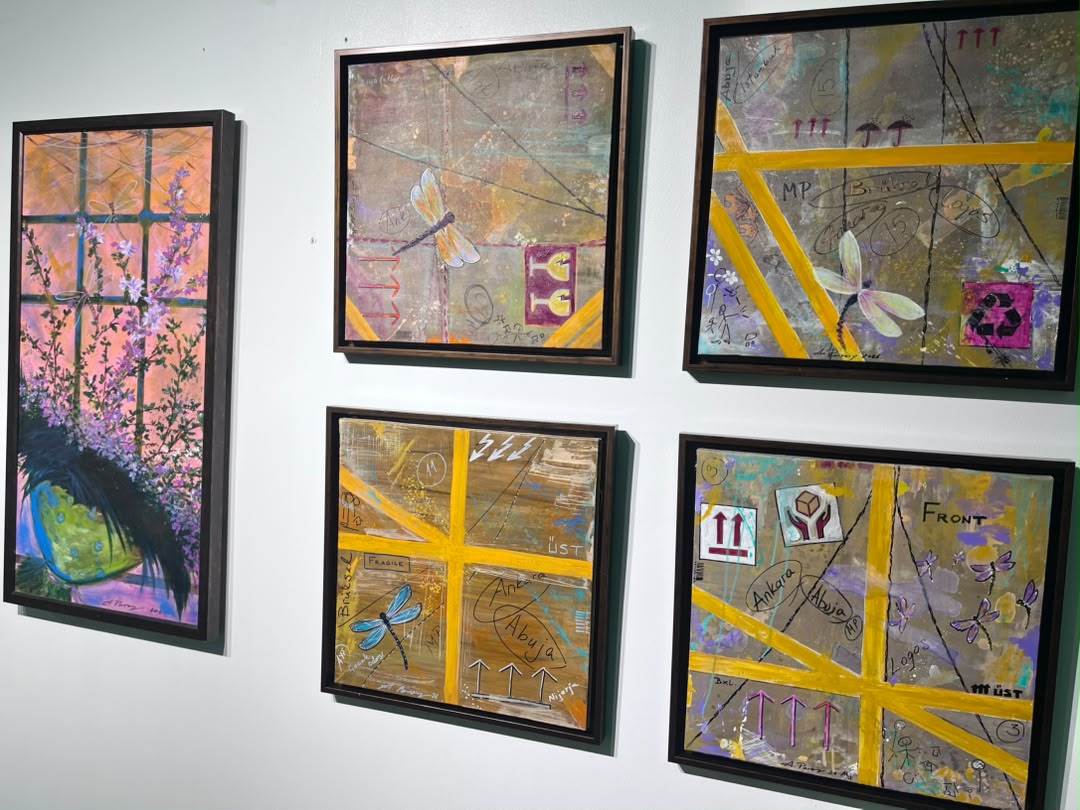
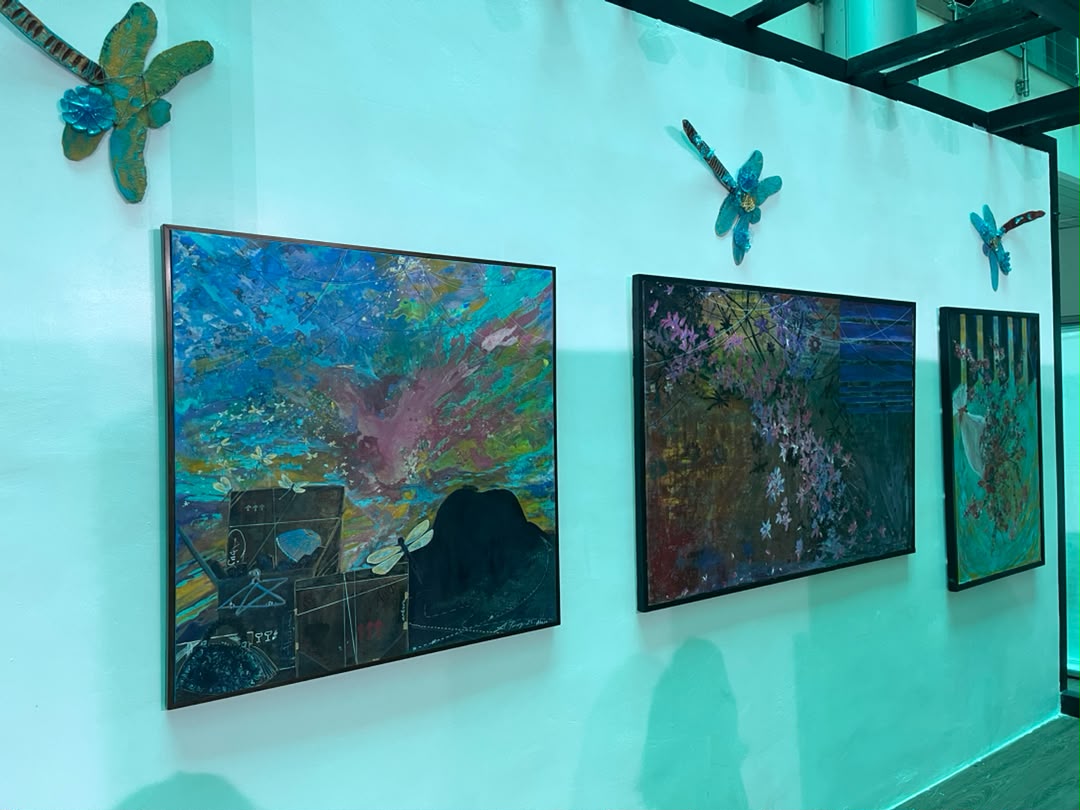
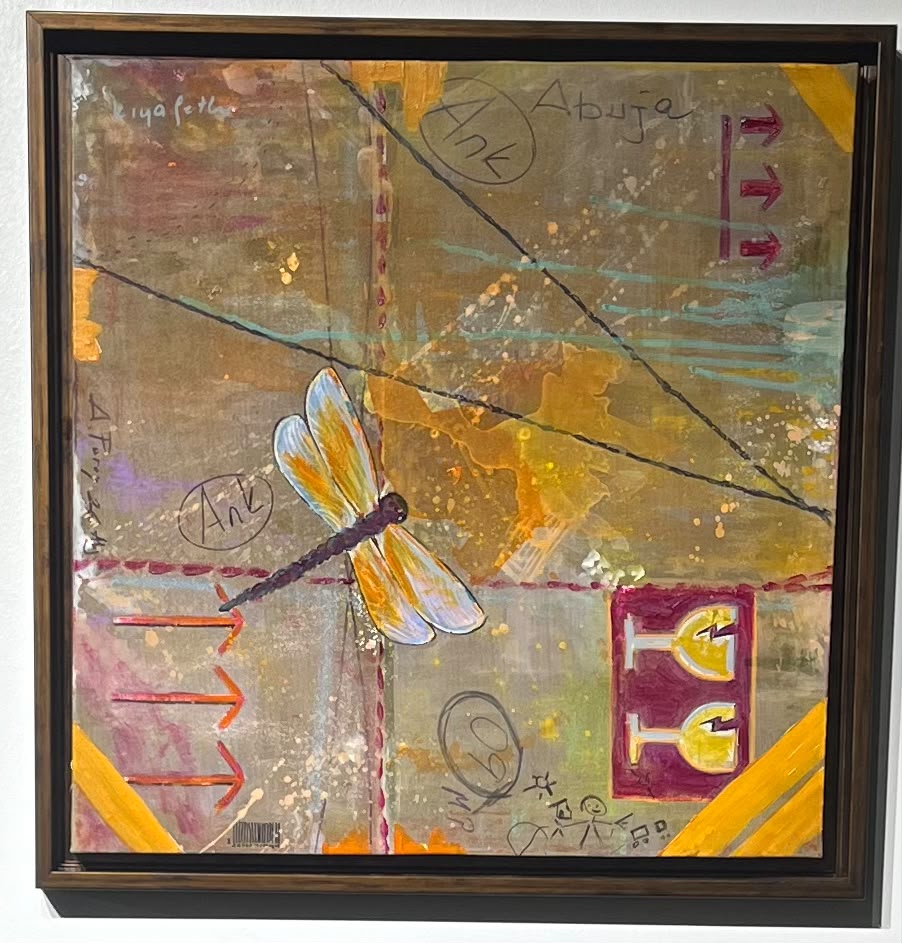
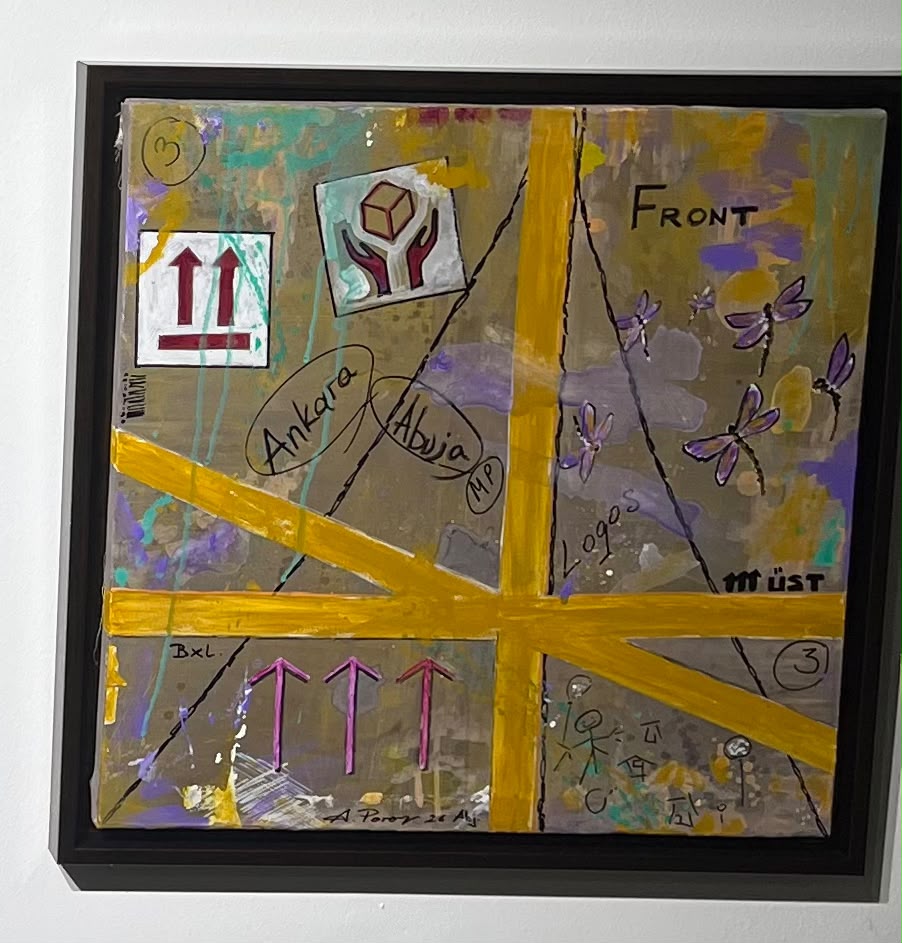
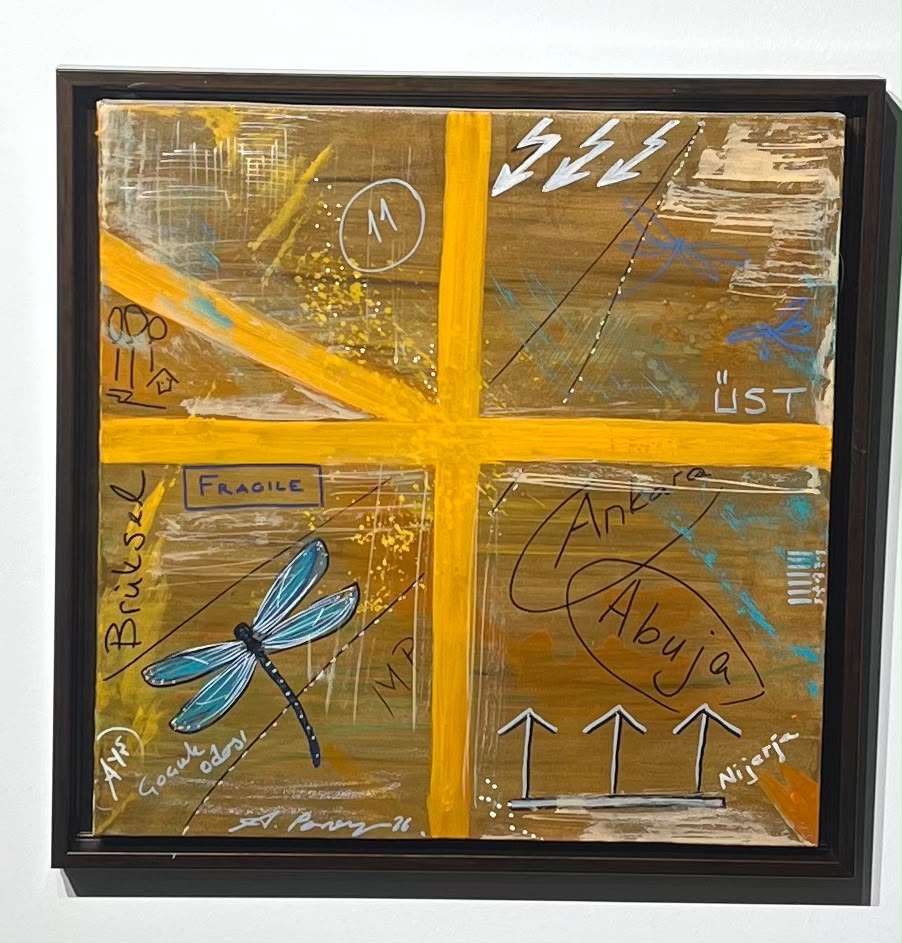
The second chapter comprises paintings exploring movement, cultural encounters and identity. According to the curator, they reflect the experience of repeatedly establishing a home and studio in a new country, only for another diplomatic posting to require the process to begin again.
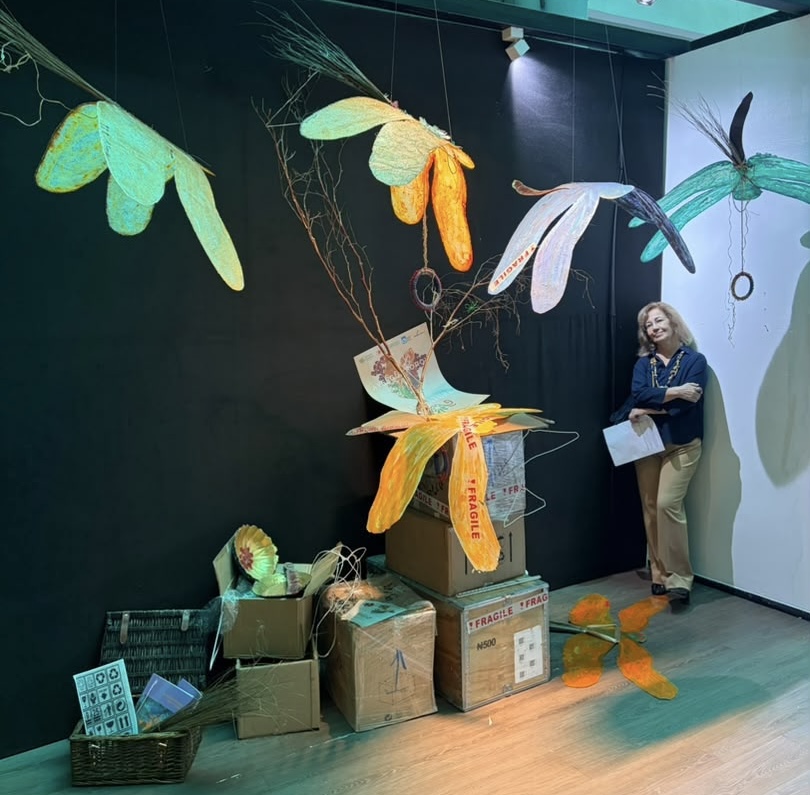
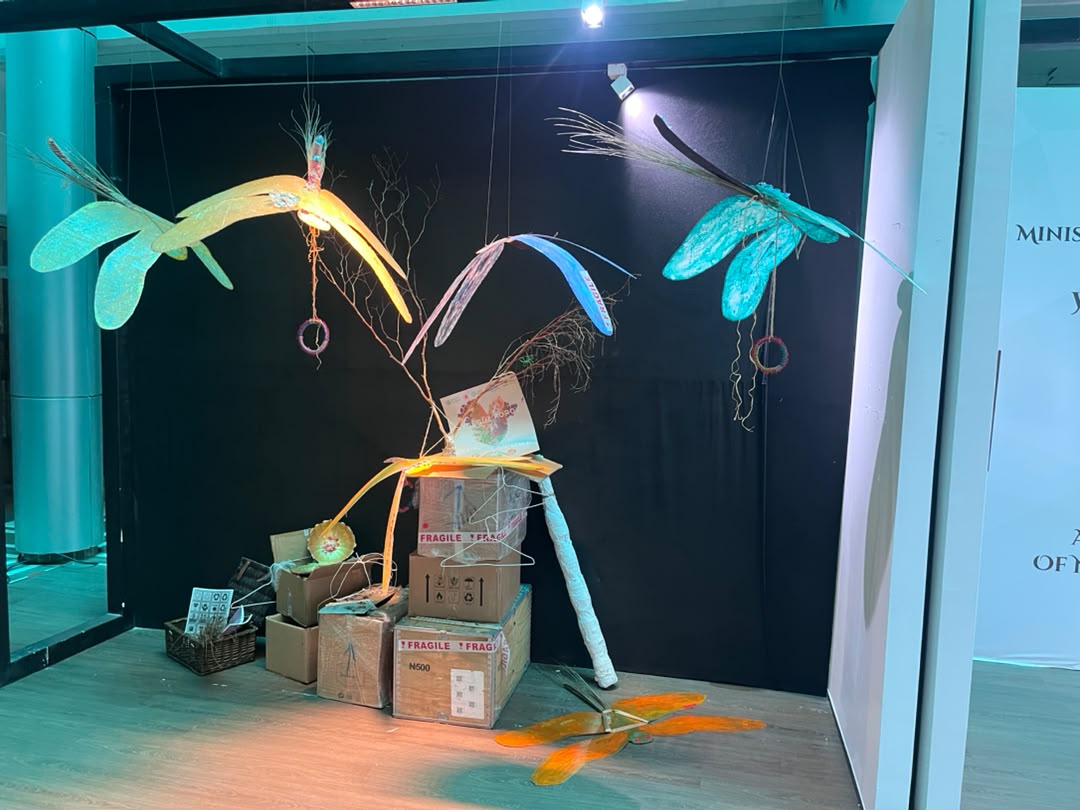
He cited one work inspired by the artist’s experience of waiting eight months for her personal belongings to arrive after a relocation. The moving boxes were recreated as part of the exhibition, turning an experience associated with diplomatic life into an artistic expression of memory and displacement.
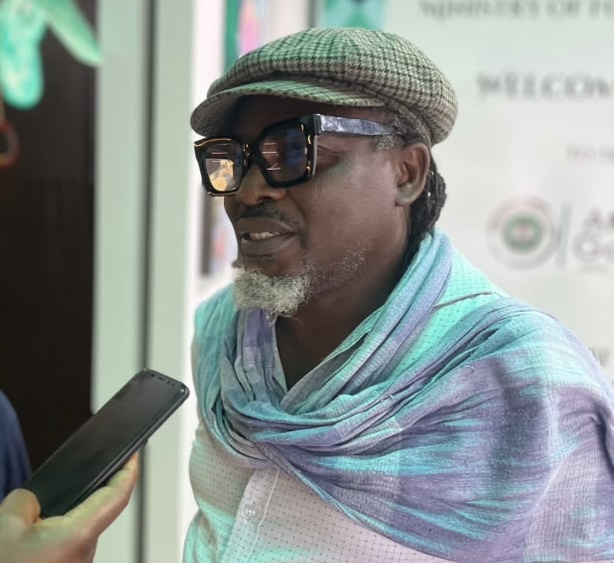
“No one person is defined by one place. Everything you are is a series of activities, events, persons, life, travels. That’s what makes up your ideology,” Ahanonu said.
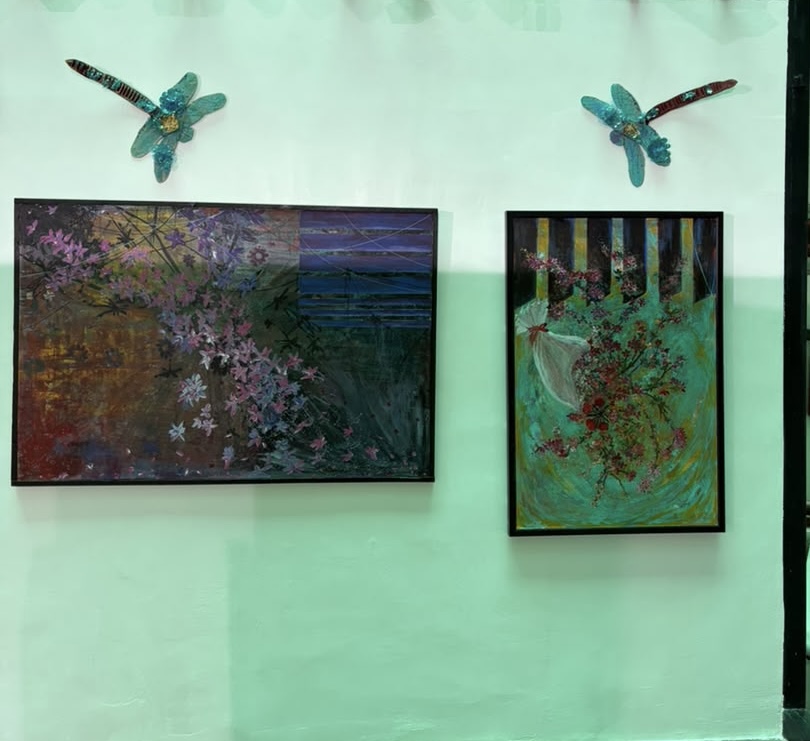
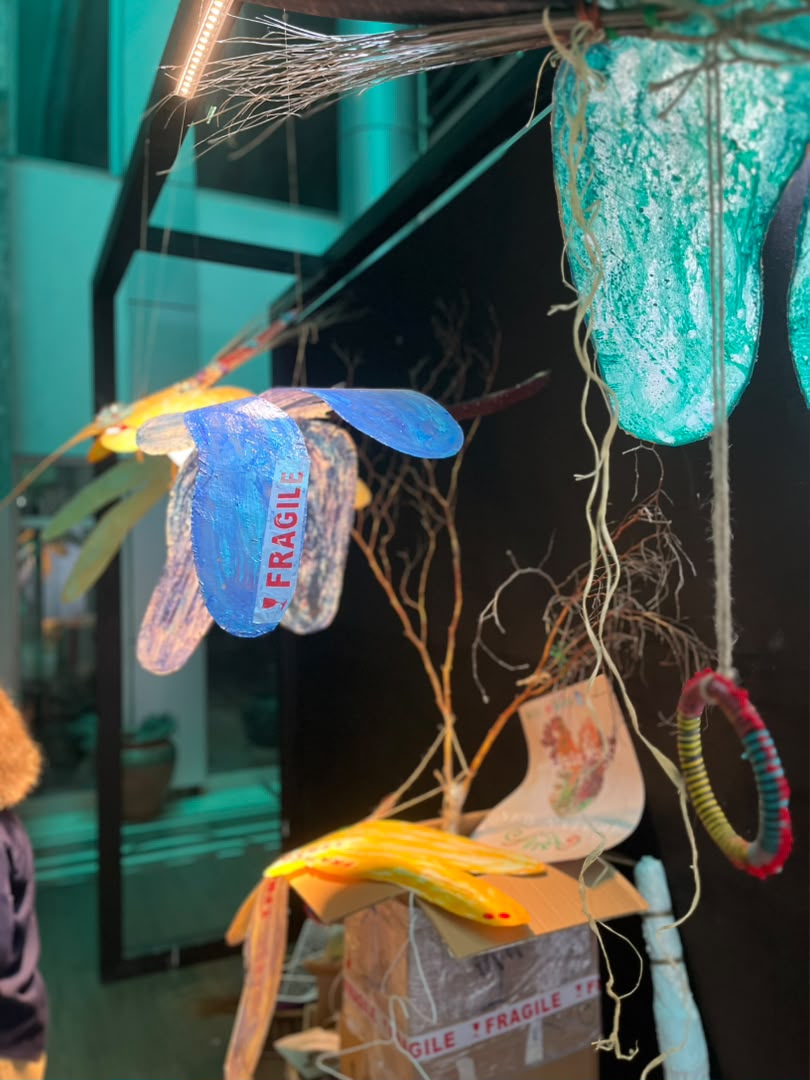
The third chapter is an installation inspired by Poroy’s encounters with dragonflies in Abuja. It includes suspended representations of the insects, recreating the experience of being surrounded by them in her environment.
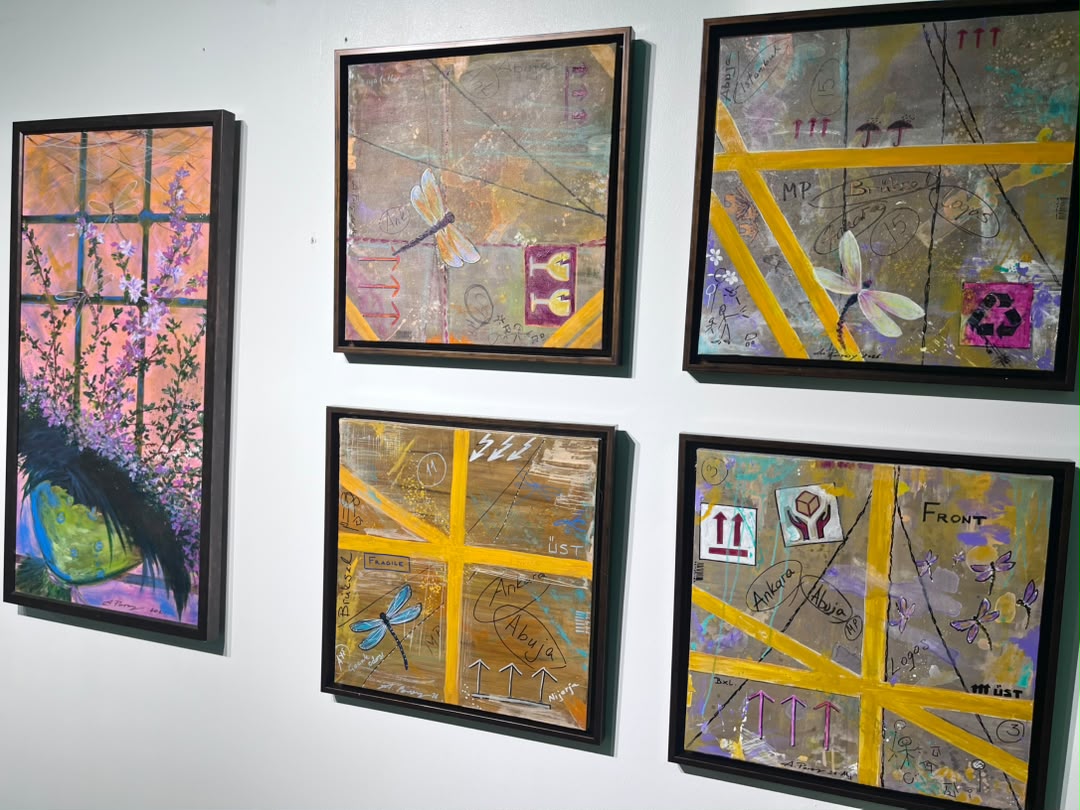
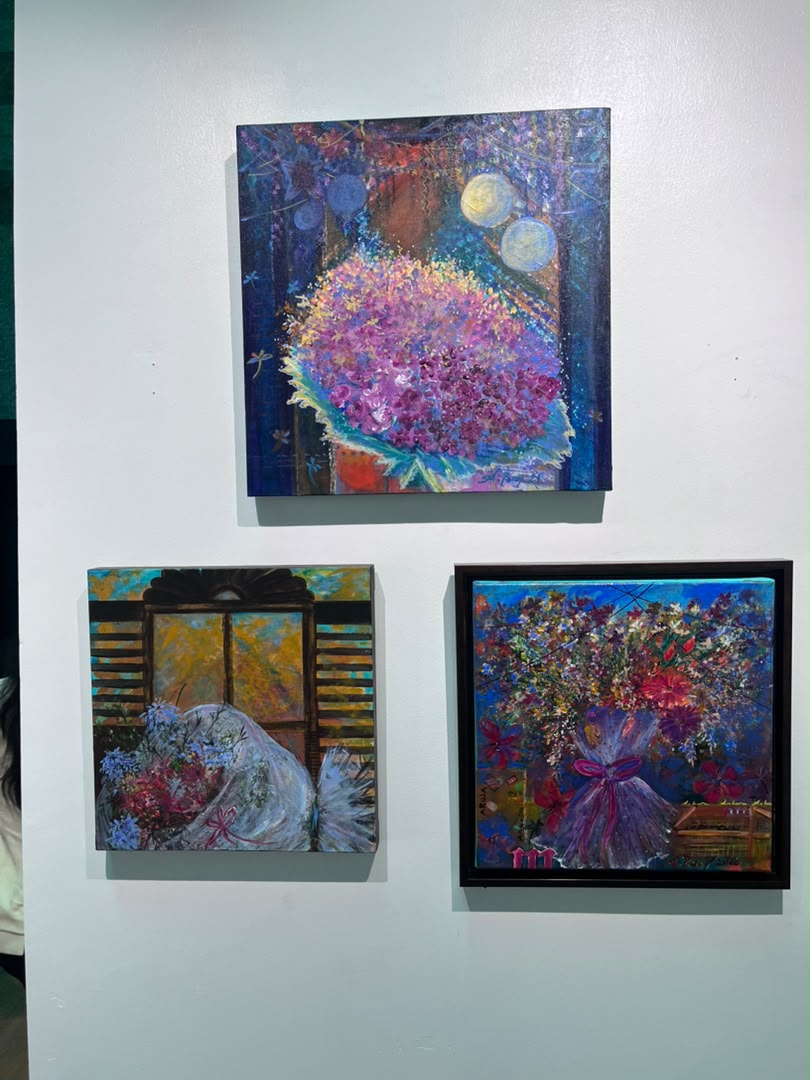
Ahanonu said the dragonfly also carries an ecological significance because part of its life cycle takes place in water, making the insect sensitive to changes in aquatic environments. He described it as a symbol through which visitors could consider the condition of the natural world.
In his curatorial statement, he highlights Abuja’s granite formations, including Aso Rock and Zuma Rock, as important to the artist’s experience of Nigeria. He writes that the formations offer images of permanence and deep time against a life characterised by constant movement between countries.
Art shaped by diplomatic life
Poroy said the repeated movement between countries has influenced not only the subjects of her work but also the way she approaches artistic expression.
“Can you imagine you are all the time putting, packaging all your stuff every two years? And you are moving to a new country, again a new studio. Again you are packing and going. It is not an easy way,” she said.
“That’s why I like to show my work from diplomatic eyes,” she added.
She said a bouquet of flowers featured in some of her works represents both welcome and farewell, recalling the flowers presented when diplomats arrive in a new country and the relationships formed before another departure.
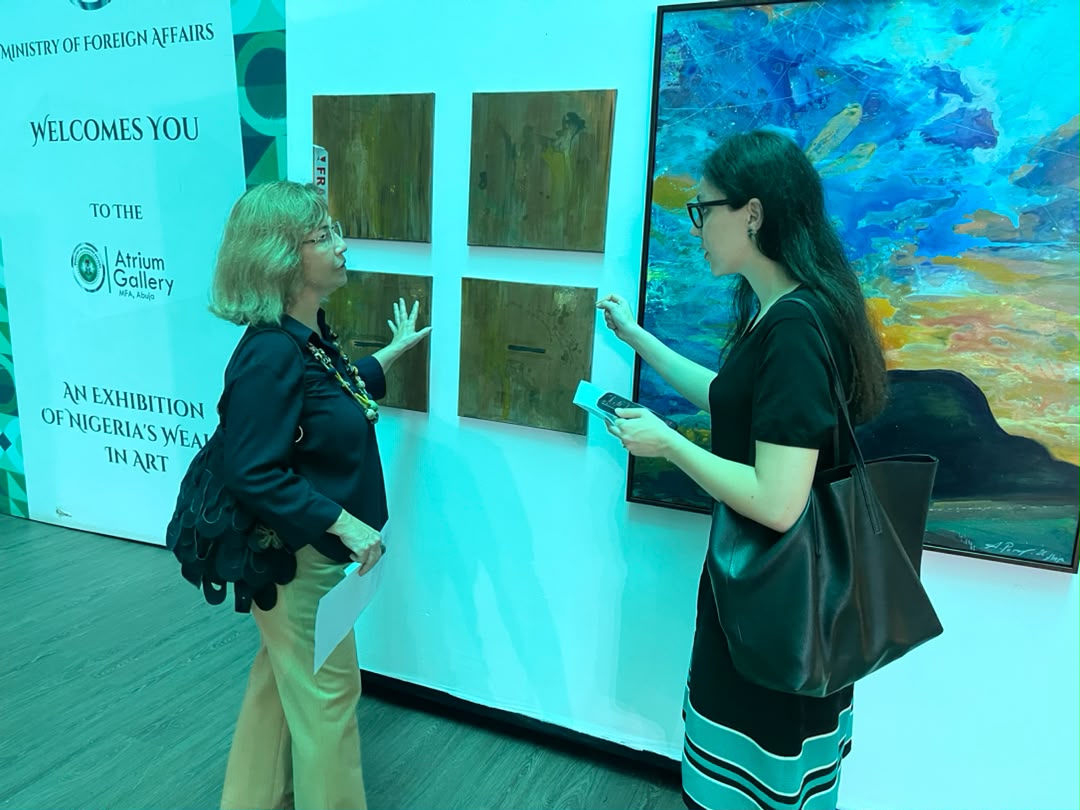
Her artistic practice also draws on cultural and educational influences. Poroy said her use of acrylic is informed in part by Ebru, the traditional Turkish art of marbling, while her training in printmaking in Belgium has shaped her approach to working with different materials and techniques.
Her professional experience spans painting, printmaking, art education, museology and cultural projects. Her profile lists 14 previous solo exhibitions and participation in 40 group exhibitions and art fairs in Türkiye and internationally. Her solo exhibitions include Keyword: Moving in Berlin in 2011, Beyond the Horizons in Algeria in 2017 and Spring Breezes in Ankara in 2022. She has also taught at Middle East Technical University, Bilkent University and Eastern Mediterranean University.
Poroy described the Abuja exhibition as an artistic expression of the relationship between Nigeria and Türkiye, involving the Turkish Embassy and Nigeria’s Ministry of Foreign Affairs. She said she hoped the collaboration would encourage further exhibitions and cultural exchanges between the two countries.
“I am so proud about it,” she said.
The opening reception for New Nature takes place from 5pm to 8pm on Tuesday, 3 November, at the Atrium Gallery, Ministry of Foreign Affairs, Abuja. The exhibition runs until 20 November 2026.
See more photos of artworks on display at the exhibition:
SPONSORED
SPONSORED

SPONSORED

SPONSORED
