
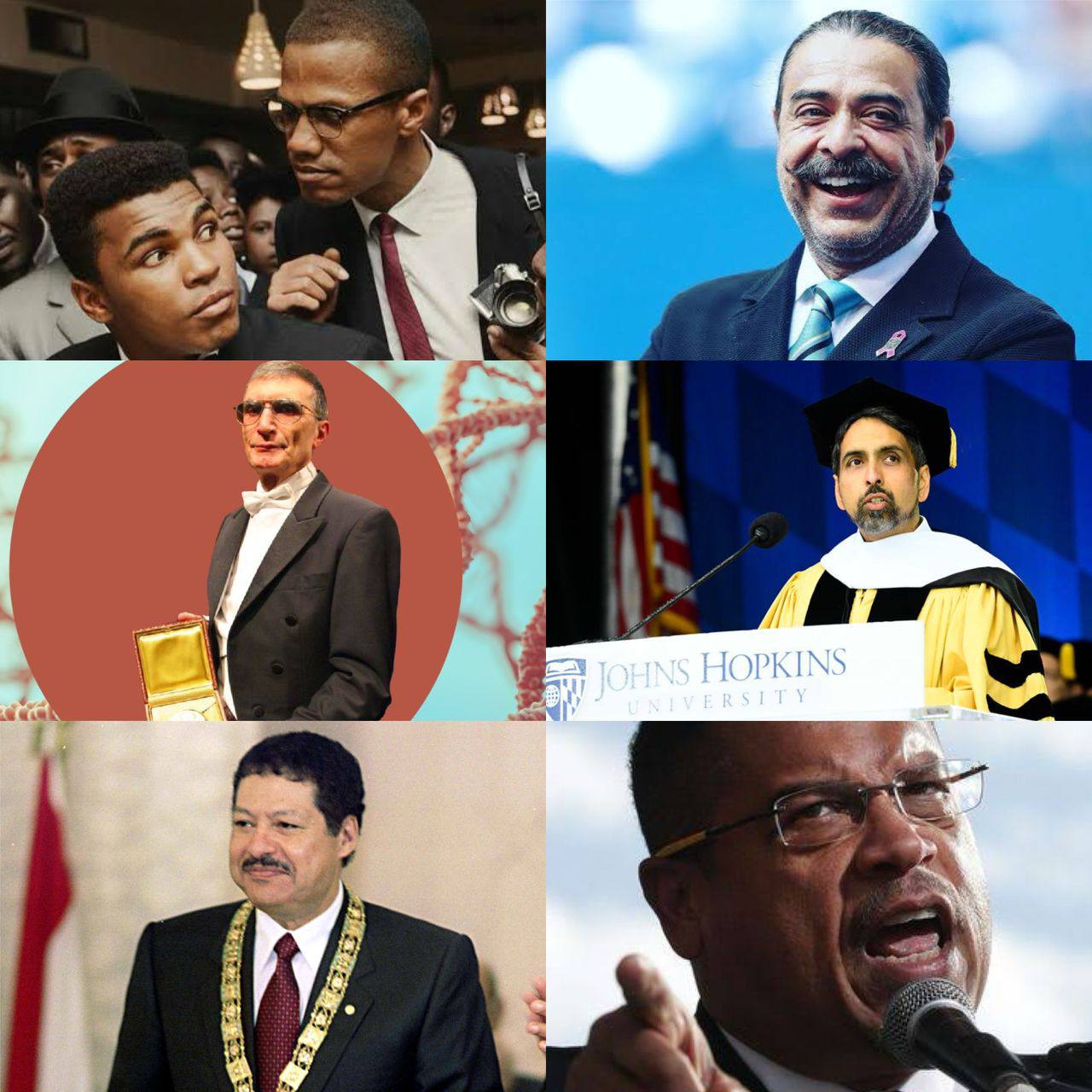
America at 250: The Muslim Story Often Overlooked
From Nobel Prize-winning scientists and frontline doctors to educators and humanitarian volunteers, American Muslims continue to make contributions that extend far beyond their share of the population
By Abdullahi Yusuf
On the Fourth of July, the fireworks and flag-waving tend to crowd out the smaller, steadier ways the country actually gets built.
As the United States marks 250 years of independence this year, one of those quieter stories belongs to American Muslims, a community of roughly 3.5 million, about 1 percent of the population, whose footprint in some of the nation’s most demanding fields runs well ahead of that share.
It is a contribution often lost in a public conversation dominated by security and politics.
Here, on the country’s birthday, is some of what it looks like in the present tense.
Healing
Muslims are heavily overrepresented among American doctors.
Researchers estimate there are close to 50,000 Muslim physicians in the United States, roughly 5 percent of the physician workforce, or about five times the community’s share of the general population.
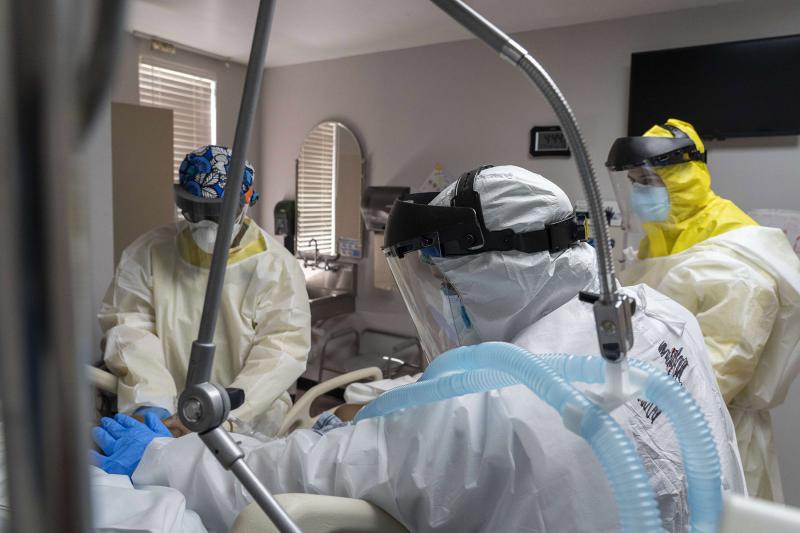
They are ethnically diverse, drawn largely from South Asian and Middle Eastern immigrant families as well as African American communities, and they staff everything from rural clinics to major teaching hospitals.
During the COVID-19 pandemic, many worked the front lines of emergency rooms and intensive-care units. Organizations such as the Islamic Medical Association of North America also run free clinics for uninsured patients of any faith.
Discovering
At the highest levels of research, Muslim American scientists have reshaped entire fields.
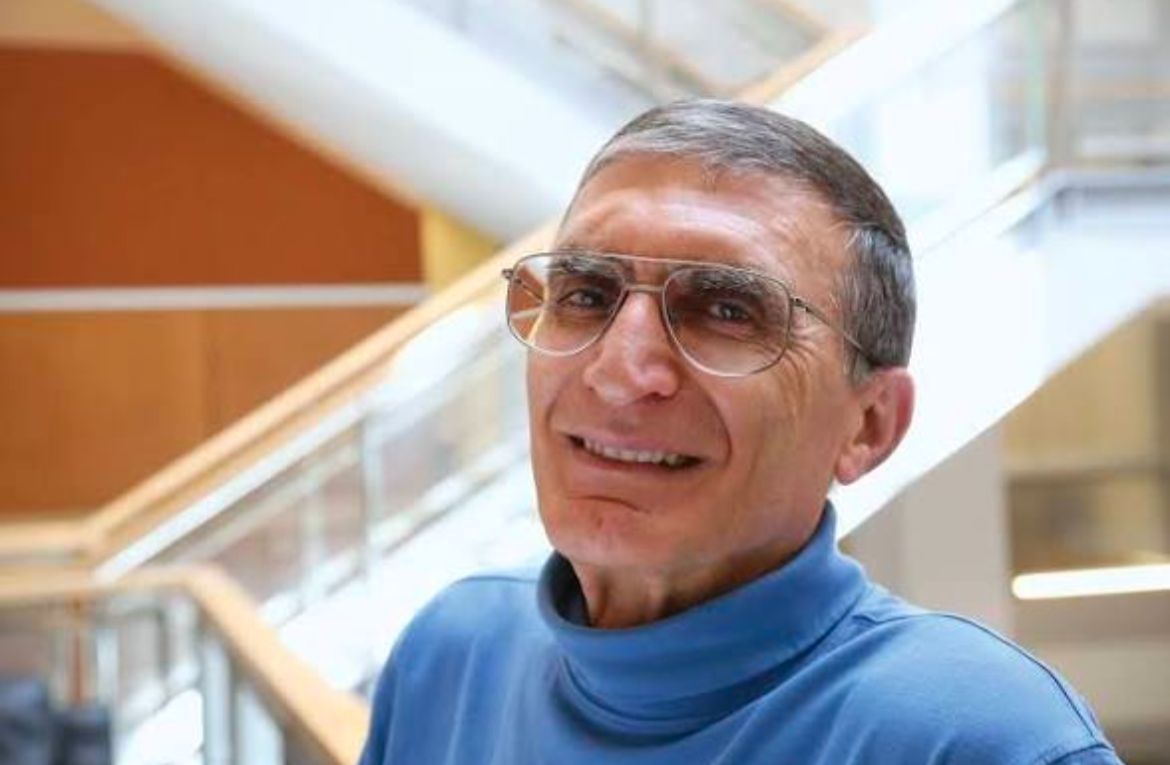
Aziz Sancar, a Turkish-born biochemist at the University of North Carolina School of Medicine, shared the 2015 Nobel Prize in Chemistry for mapping how cells repair damaged DNA, work central to understanding cancer and aging.
He has spoken openly about his faith, saying simply, “I am proud to be Muslim.”
A generation earlier, the Egyptian-born chemist Ahmed Zewail, based at Caltech, won the 1999 Nobel Prize for pioneering “femtochemistry,” using ultrafast laser pulses to observe chemical reactions as they unfold.
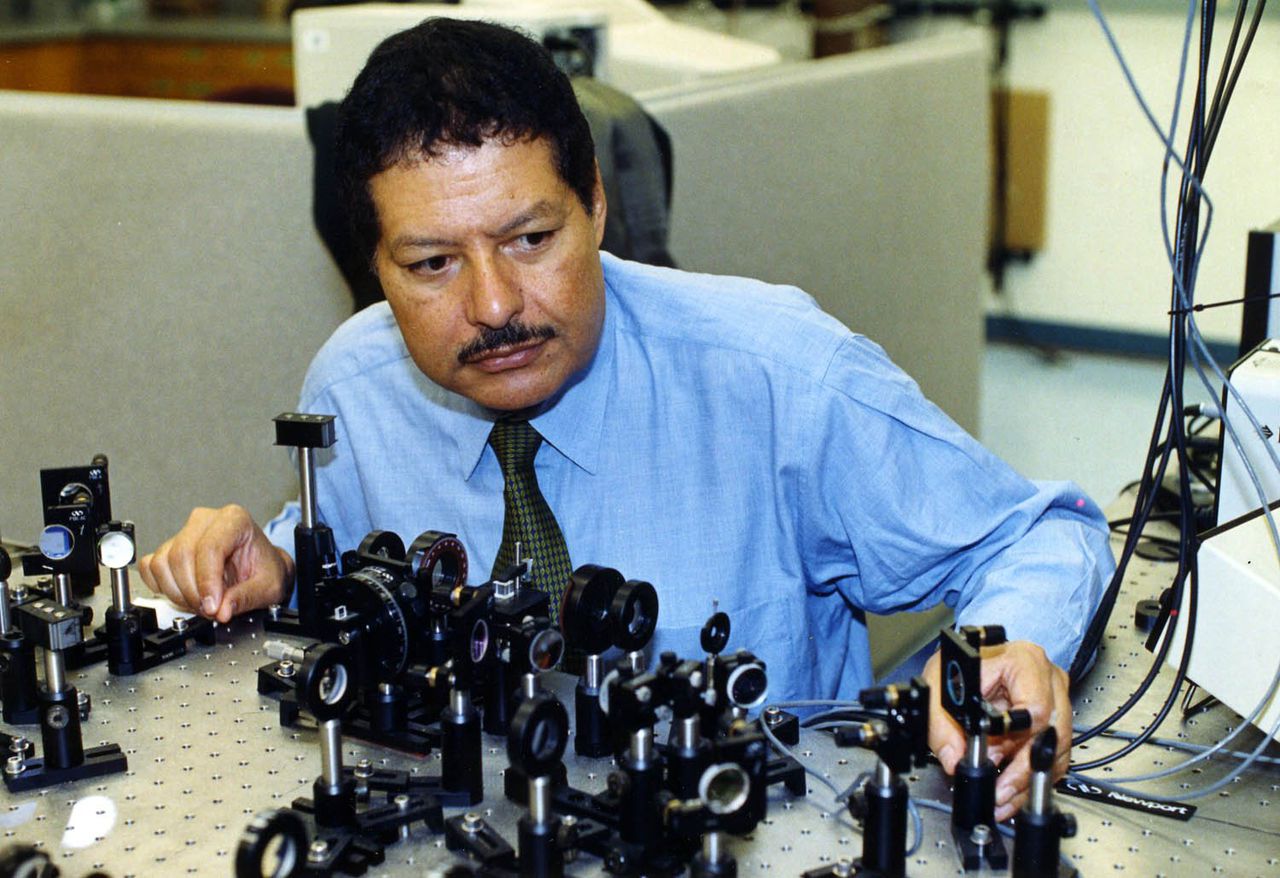
Before his death in 2016, Zewail became a champion of science education and served as a U.S. science envoy.
Their names sit alongside thousands of less famous Muslim researchers in American labs and universities.
Teaching and building
In technology and education, the university most far-reaching example may be Salman “Sal” Khan, raised in a Bengali Muslim family in Louisiana and trained at MIT and Harvard.
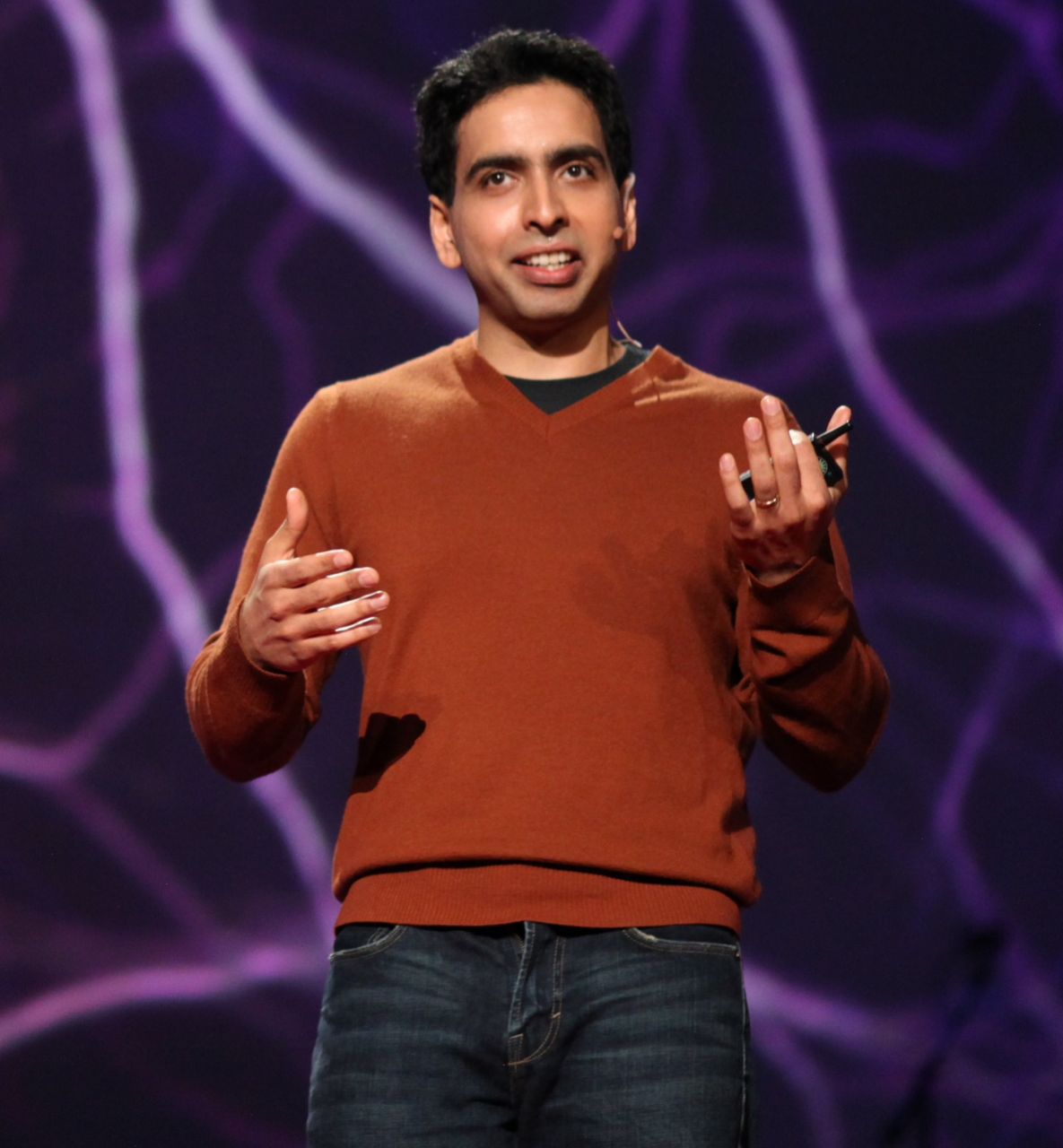
What began as online math tutoring for a cousin became Khan Academy, a nonprofit that now offers thousands of free lessons viewed more than two billion times, and more recently an AI tutor called Khanmigo, putting high-quality instruction within reach of students who could never pay for it.
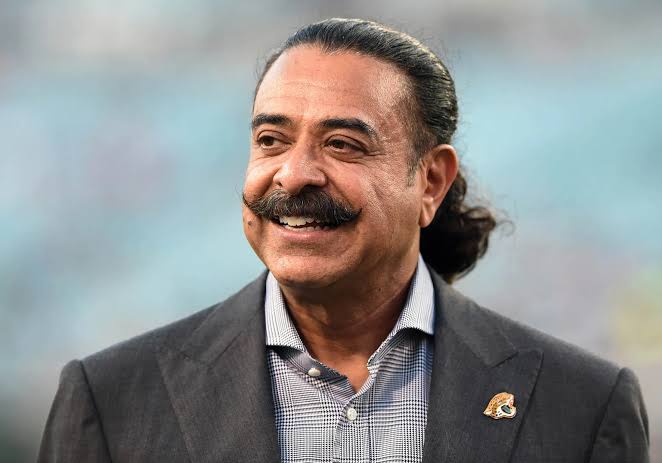
Entrepreneurs of Muslim heritage have also helped build American companies in big data, artificial intelligence and wearable computing, while figures like the billionaire industrialist Shahid Khan, a Pakistani immigrant who grew the auto-parts manufacturer Flex-N-Gate before buying the NFL’s Jacksonville Jaguars, show the community’s reach into manufacturing and business.
Giving
Charitable giving is where the numbers are most striking, and where the spirit of the holiday feels most literal.
Research by the Muslim Philanthropy Initiative at Indiana University’s Lilly Family School of Philanthropy estimates that American Muslims donate roughly $4.3 billion a year.
Muslim households were found to give an average of about $3,200, more than the roughly $1,900 average for the general public, and, contrary to a persistent stereotype, an estimated 85 percent of that giving stays inside the United States, supporting disaster relief, hunger and poverty programs, education and health care.
That generosity is organized and visible.
Islamic Relief USA, founded in 1993, became the first Muslim organization to partner with the American Red Cross; its volunteers have responded to Hurricanes Katrina, Harvey and Helene, the Flint water crisis and countless local emergencies, and it runs an annual “Day of Dignity” and Thanksgiving meal drives for homeless and low-income families.
ICNA Relief operates food pantries, women’s shelters, free health clinics and disaster teams nationwide.
Much of that giving reaches beyond the Muslim community.
In 2017, after a Jewish cemetery near St. Louis was desecrated and more than 170 headstones were toppled, Muslim organizers launched an online campaign that raised over $160,000 to repair that cemetery and others vandalized around the country.
When a mosque in Victoria, Texas, burned down that same year, the local Jewish congregation handed its members the keys to their synagogue so they could keep worshipping, and donors raised more than $1 million to rebuild.
Muslim relief groups have gone on to form lasting partnerships with Jewish, Lutheran, Methodist and Catholic charities on refugee and disaster work.
American story
None of this is separate from the American story; it is the American story newcomers and their children pouring their work into the country’s health, knowledge and neighbors.
The Pew Research Center has found that American Muslims are among the nation’s youngest and most racially and ethnically diverse faith communities, now serving in Congress, statehouses, hospitals, universities and city halls.
This Fourth of July, amid the parades and the fireworks marking 250 years, the doctors on call, the researchers at the bench, the teachers behind the free lessons and the volunteers handing out meals are part of what the celebration is actually for Americans, building America.
SPONSORED

SPONSORED

SONSORED
