
Why Muslims Will Perform Hajj Twice in 2039
Rare calendar alignment will see Islam’s annual pilgrimage fall twice within one Gregorian year
By Abdullahi Yusuf
A rare calendrical phenomenon will see Muslims perform the Hajj pilgrimage twice within the same Gregorian year in 2039, the phenomenon, while uncommon, is rooted entirely in the mechanics of the Islamic lunar calendar, which operates independently of the solar-based Gregorian calendar used internationally for civil and administrative purposes.
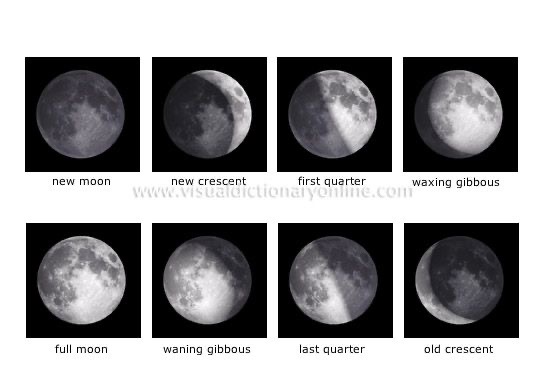
Unlike the Gregorian calendar, which is based on the Earth’s orbit around the Sun and contains 365 days in a standard year, the Islamic Hijri calendar follows the lunar cycle and consists of either 354 or 355 days. The result is a difference of approximately 10 to 11 days each year, causing Islamic months and religious observances to move progressively earlier through the seasons over time.
Because of this annual shift, major Islamic events such as Ramadan, Eid al-Adha and Hajj gradually rotate across the Gregorian calendar. In rare instances, the movement becomes significant enough for the same Islamic ritual to occur twice within one Western calendar year.
That is expected to happen in 2039.
Under current astronomical projections, one Hajj season is anticipated to fall in early January 2039, while the following year’s pilgrimage according to the Islamic calendar, is expected to occur again in late December of the same Gregorian year.
Although rare, the occurrence is not without precedent. The last double Hajj year took place in 2006, when pilgrims also observed the annual rite twice within one Gregorian calendar year.
Religious scholars emphasise that the phenomenon carries no theological or doctrinal significance. Hajj itself remains tied strictly to the Islamic month of Dhul Hijjah and occurs once each Hijri year regardless of how dates align with the Gregorian calendar.
However, experts say the development is likely to present considerable logistical and administrative challenges for Saudi authorities responsible for managing the pilgrimage, one of the largest annual religious gatherings in the world.
Each Hajj season requires years of planning involving accommodation, transportation, crowd management, health coordination and international travel arrangements for millions of pilgrims arriving from across the globe. Holding two pilgrimage seasons within a single Gregorian year could place additional pressure on airlines, tour operators, hotels and national Hajj agencies already managing rising demand.
Saudi Arabia has in recent years expanded infrastructure around the holy cities of Mecca and Medina as part of broader efforts to increase pilgrimage capacity and improve safety and mobility for worshippers.
Beyond the operational implications, scholars say the double Hajj year also highlights the enduring centrality of lunar timekeeping in Islam, a system that has governed religious observance for more than 1,400 years.
Unlike solar calendars, which remain fixed to seasons, the Islamic calendar moves freely through the solar year, meaning that acts of worship gradually occur across different climatic and geographical conditions over generations.
As the date approaches, the rare alignment is expected to attract growing scholarly, religious and logistical attention, particularly among researchers of Islamic astronomy and pilgrimage administration, while also generating wider public interest across the Muslim world.
With additional information from Hajj Gazette
SPONSORED

SPONSORED

SONSORED
