

Why Muslim Women May Not Attend Burials
While not strictly prohibited by Islamic law, cultural expectations, modesty, and emotional reasons keep many women away from the graveside.
By Abdullahi Yusuf
In many parts of the Muslim world, it is often observed sometimes with curiosity, sometimes with criticism that women are conspicuously absent at burial grounds. While the absence is largely cultural, it is also deeply tied to interpretations of religious etiquette, modesty, and emotional considerations.
Yet, contrary to popular belief, Islam does not categorically prohibit women from attending funerals or visiting graves. Rather, it offers guidance rooted in wisdom and compassion, with scholars (fuqahāʾ) differing over whether such attendance is permissible, discouraged, or conditionally acceptable.
So why do many Muslim women refrain from going to burials? The answer lies at the intersection of religion, tradition, and practical realities.
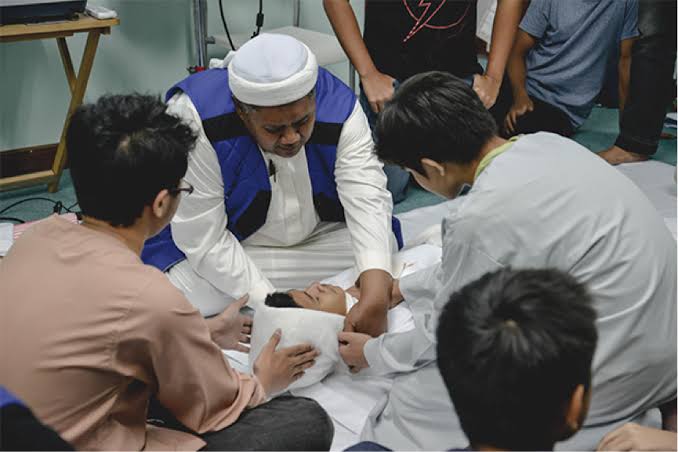
It is important to clarify that the Qur’an does not directly forbid women from attending funerals or visiting graves. In fact, early Islamic history offers precedents where women visited graveyards for reflection and prayer.
One Hadith narrated by Aisha (RA), the wife of the Prophet Muhammad (peace be upon him), indicates that she visited the grave of her brother. When asked about it, she affirmed that the Prophet had not stopped her. [Narrated in Al-Hakim, authenticated by scholars such as Ibn Hajar].
However, other traditions raise concerns about excessive emotional expressions at grave sites. The Prophet (pbuh) is reported to have said: “May Allah curse the women who frequently visit graves”(Sunan al-Tirmidhi, 1056). But this narration, according to scholars like Imam Nawawi and Ibn Qudamah, was contextual reflecting a time when graves were being idolised or mourning became excessive. Later on, the Prophet is also reported to have allowed grave visits to both men and women for reflection and remembrance of the Hereafter. [Sahih Muslim, 976].
1. Observing Modesty and Maintaining Boundaries
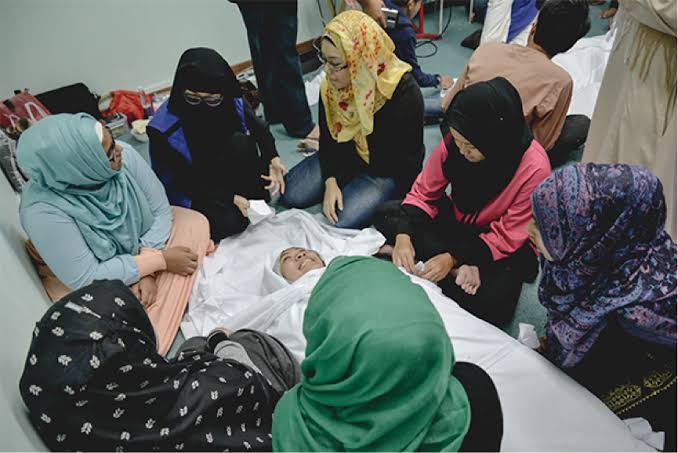
One of the foremost reasons women traditionally avoid funerals is to safeguard modesty (hijāb) and the Islamic etiquette (adab) of gender interaction. Burial grounds tend to be male-dominated, especially during the Salāt al-Janāzah (funeral prayer) and the actual lowering of the body. In such emotionally intense environments, close physical presence may risk breaches in modest interaction, especially when space is tight or when consoling becomes physical.
The Prophet (pbuh) was meticulous in preserving gender boundaries even during acts of worship, and funerals are no exception.
2. Emotional Sensitivity and Psychological Impact
Funerals evoke intense grief. Women, being more expressive in their mourning in many cultures, are often seen as at risk of engaging in niyāhah—the prohibited act of loud lamenting or wailing. The Prophet explicitly discouraged this practice for both genders. However, it was more prevalent among women in pre-Islamic Arabia, and Islamic reform sought to curb it.
In view of this, many scholars regard women’s absence at gravesides not as exclusion, but as a safeguard from overwhelming grief or potentially un-Islamic expressions of sorrow. Some scholars term the attendance makrūh (discouraged), not because of gender, but due to emotional vulnerability.
Still, Islam acknowledges that grief is natural. As Prophet Muhammad himself wept at the death of his son Ibrahim, he stated, “The eye weeps, the heart grieves, but we do not say except what pleases our Lord.” (Sahih al-Bukhari, 1303)
3. Cultural Traditions and Complementary Roles
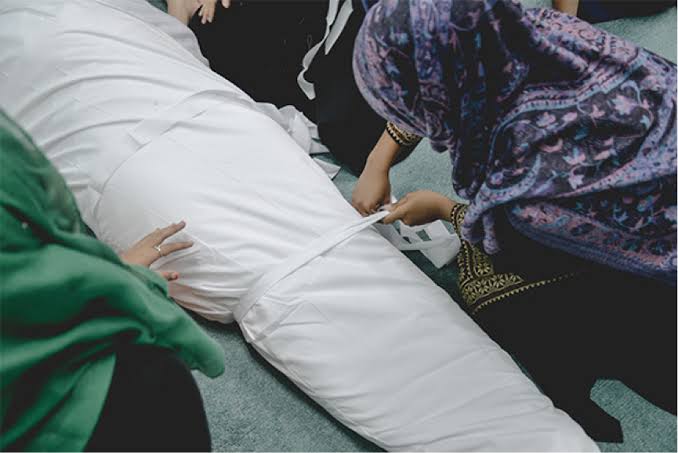
In many African, Middle Eastern, and South Asian Muslim cultures, funeral rites are divided along lines of responsibility rather than hierarchy. Men typically perform the burial rites washing, shrouding, transporting, and lowering the body while women maintain the home, host guests, prepare food, and offer emotional support.
These complementary roles are not a sign of inequality but a reflection of division of duties shaped by centuries of tradition and logistical considerations.
4. Practical Challenges at Burial Sites
Graveyards in many communities are uneven, dusty, or even remote. For women especially the elderly, nursing mothers, or those in full jilbāb attire—navigating burial terrain may be physically taxing. The lack of facilities like clean restrooms, shaded seating areas, or secure perimeters further complicates their attendance.
Rather than risk discomfort or vulnerability, many women choose to offer duʿā’ and Janāzah prayers from home or mosque, trusting in the equal spiritual value of their intention.
Are Women Allowed to Visit Graves at All?
Yes, provided they do so without engaging in prohibited practices. As the Prophet (pbuh) later said: “I had forbidden you to visit graves, but now you may visit them, for it will remind you of the Hereafter.”(Sahih Muslim)
Contemporary scholars such as Sheikh Ibn Baz and Shaykh Yusuf al-Qaradawi affirm that women may visit graves with pious intent, modest conduct, and emotional restraint.
Muslim women may not be visible at the graveside, but they are certainly present in prayer, in grief, and in upholding the remembrance of Allah during life’s most sacred transitions.
And Allah knows best.
SPONSORED
SPONSORED

SPONSORED

SPONSORED
