
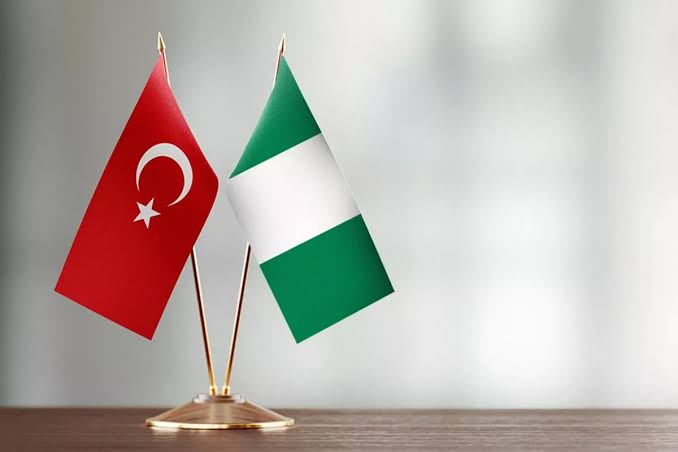
Nigeria moves to implement Türkiye agreements as envoy pushes security talks
Minister Bianca Odumegwu-Ojukwu says Nigeria is moving to implement Türkiye agreements as Mehmet Poroy pushes counter-terrorism talks
By Abdullahi Yusuf
Nigeria has signalled a shift from diplomatic pledges to implementation, as it moves to operationalise a series of agreements signed with Türkiye amid growing cooperation on security, trade and governance.
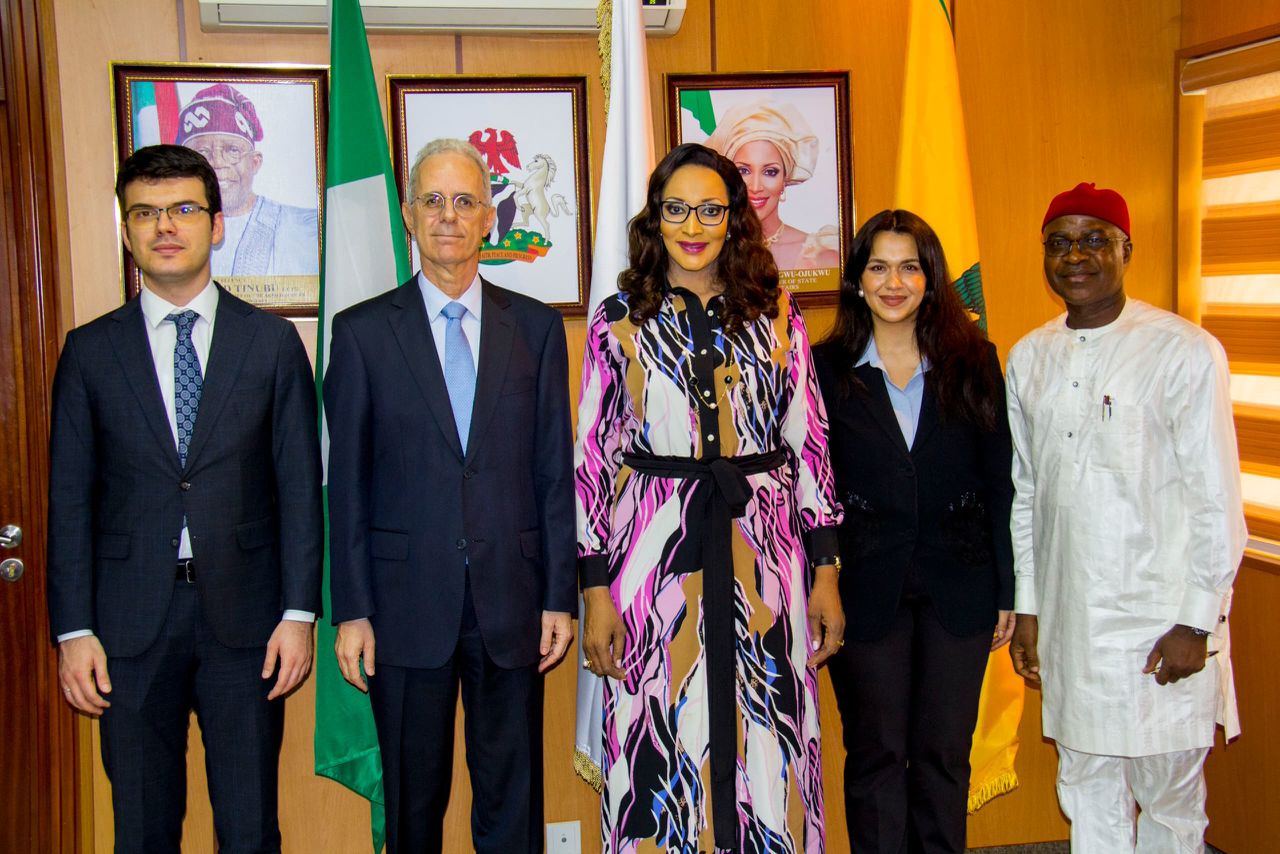
Speaking in Abuja during a meeting with Mehmet Poroy, the Minister of State for Foreign Affairs, Bianca Odumegwu-Ojukwu, said the government is prioritising concrete outcomes from bilateral engagements, following President Bola Ahmed Tinubu’s official visit to Ankara earlier this year.
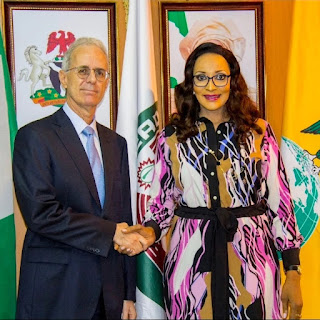
That visit, hosted by Recep Tayyip Erdoğan, saw the signing of a wide-ranging set of agreements spanning education, diplomacy, trade, defence cooperation and social development, a package officials now say must move beyond paperwork.
Odumegwu-Ojukwu said ministries and government agencies have been directed to submit implementation roadmaps, reflecting what she described as a broader push to translate diplomatic engagements into measurable gains.
“Memoranda of Understanding must go beyond documentation,” she said. “Their true value lies in effective implementation for the benefit of citizens.”
The agreements include cooperation in education, a partnership between diplomatic academies, the establishment of a Joint Economic and Trade Committee, and a protocol on military cooperation. Additional areas cover halal quality infrastructure, media collaboration, and social services targeting vulnerable groups.
Alongside economic ties, security cooperation is emerging as a central pillar of the relationship.
Ambassador Poroy emphasised the need for structured counter-terrorism consultations between both countries, expected to take place in Abuja later this year. His remarks come at a time when Nigeria continues to confront insurgency and broader security challenges.
Both sides, officials say, share similar positions on tackling global threats, including terrorism, migration pressures and climate-related instability as well as calls for reforms to international governance systems.
Economic relations between the two countries are also gaining momentum, with bilateral trade approaching $2bn, according to Nigerian officials, including estimates from informal channels.
The January trade forum in Ankara, held alongside the presidential visit, placed emphasis on scaling that figure to $5bn, a target tied to Nigeria’s broader economic agenda.
Central to that ambition is the activation of the Joint Economic and Trade Committee, designed to address structural barriers, deepen private sector participation, and provide a formal mechanism for resolving trade disputes.
Officials also highlighted opportunities for Turkish technical support in modernising Nigeria’s energy and agricultural sectors, with particular attention to halal certification systems aimed at expanding access to European and Middle Eastern markets.
SPONSORED
SPONSORED

SPONSORED

SPONSORED
