
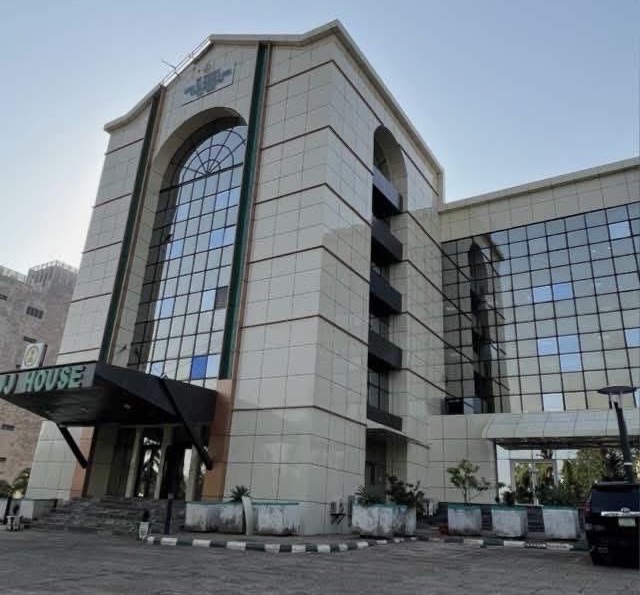
NAHCON warns of Hajj visa fraud after deadline
Authorities say visas closed in March as scammers target pilgrims with fake offers, warning of severe penalties under Saudi regulations
By Abdullahi Yusuf
Nigerian authorities have issued a public warning over fraudulent schemes offering Hajj visas, following the official closure of visa issuance by Saudi Arabia ahead of the 2026 pilgrimage.
The alert comes amid reports that individuals posing as travel agents and operating through social media platforms are falsely claiming they can still secure Hajj permits, despite the deadline having passed in March.
According to the National Hajj Commission of Nigeria, all visas for eligible pilgrims registered for the 2026 Hajj were processed before the cut-off date of 1st Shawwal 1447 AH.
Officials say no further visas are being issued, and that the Saudi authorities have also temporarily suspended several other visa categories, including tourist, work and family visit visas.
They stressed that Hajj cannot be performed using alternative travel documents such as tourist or Umrah visas, noting that the only valid authorisation is a designated Hajj permit obtained through official channels.
The warning also highlights strict penalties imposed by Saudi authorities on those attempting to perform the pilgrimage without proper documentation. These include prison sentences of up to six months, fines of up to 20,000 Saudi riyals, and deportation with a potential 10-year ban from re-entering the country.
Members of the public have been urged to rely solely on approved institutions for Hajj arrangements, including state Muslim pilgrims’ welfare boards and the official Nusuk platform, which oversees authorised bookings.
The commission has advised prospective pilgrims not to make payments to individuals or agencies promising “guaranteed” Hajj visas outside official procedures, and has called for suspected cases of fraud to be reported to law enforcement authorities.
Officials say the warning is intended to prevent financial exploitation and ensure compliance with regulations governing one of the world’s largest annual religious gatherings.
SPONSORED

SPONSORED

SONSORED
