
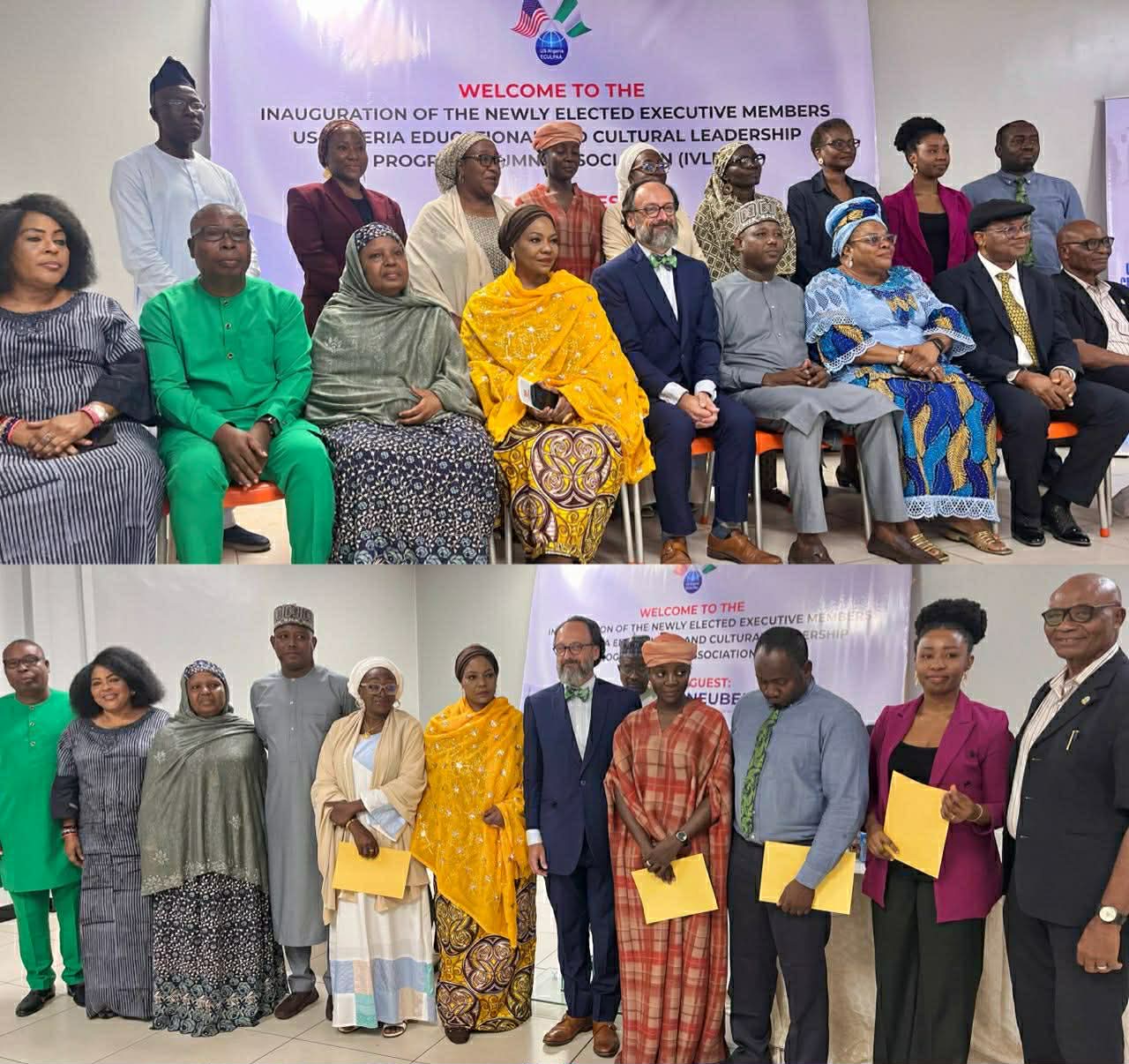
ECULPAA-IVLP alumni inaugurate new executive in Abuja
US-Nigeria IVLP alumni pledge renewed coordination and impact as outgoing leaders warn of funding gaps and participation challenges
By Abdullahi Yusuf
The US-Nigeria Educational and Cultural Leadership Program Alumni Association (ECULPAA-IVLP) has inaugurated a new executive committee in Abuja, with calls for stronger coordination, deeper institutional reform and expanded impact across Nigeria’s civic and development space.
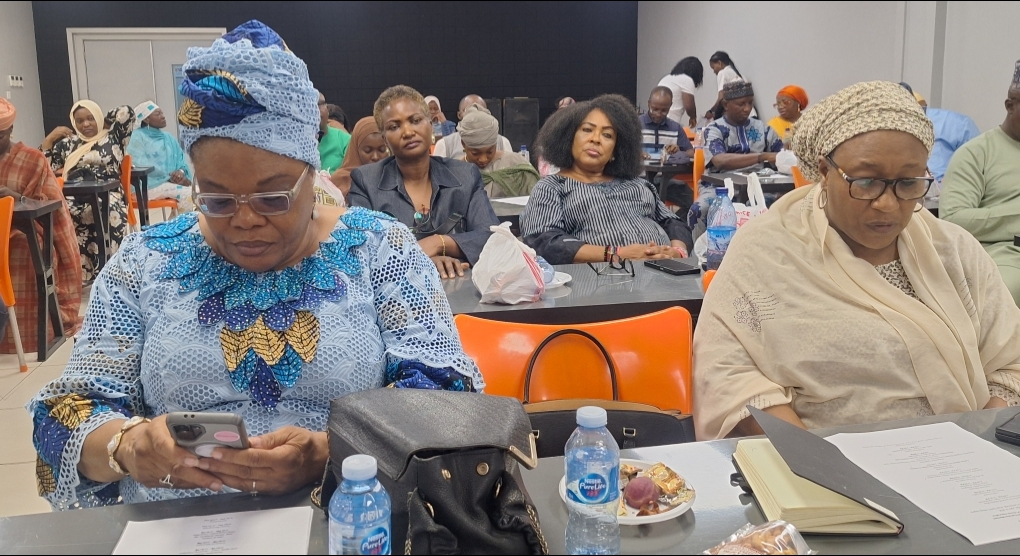
The ceremony brought together alumni of the International Visitor Leadership Program (IVLP), diplomatic representatives and development partners, marking what the members described as a transition from consolidation to renewal within the network.
Outgoing president Dr Baraka Sani said the inauguration represented a “defining moment of continuity and institutional maturity”, adding that the association had moved from early structural challenges to formal recognition supported by the United States Mission in Nigeria. She said the association had delivered leadership forums, policy dialogues and community programmes in partnership with organisations including the Global Peace Foundation and Safe Brain Organization, while maintaining engagement with the US Embassy in Nigeria.
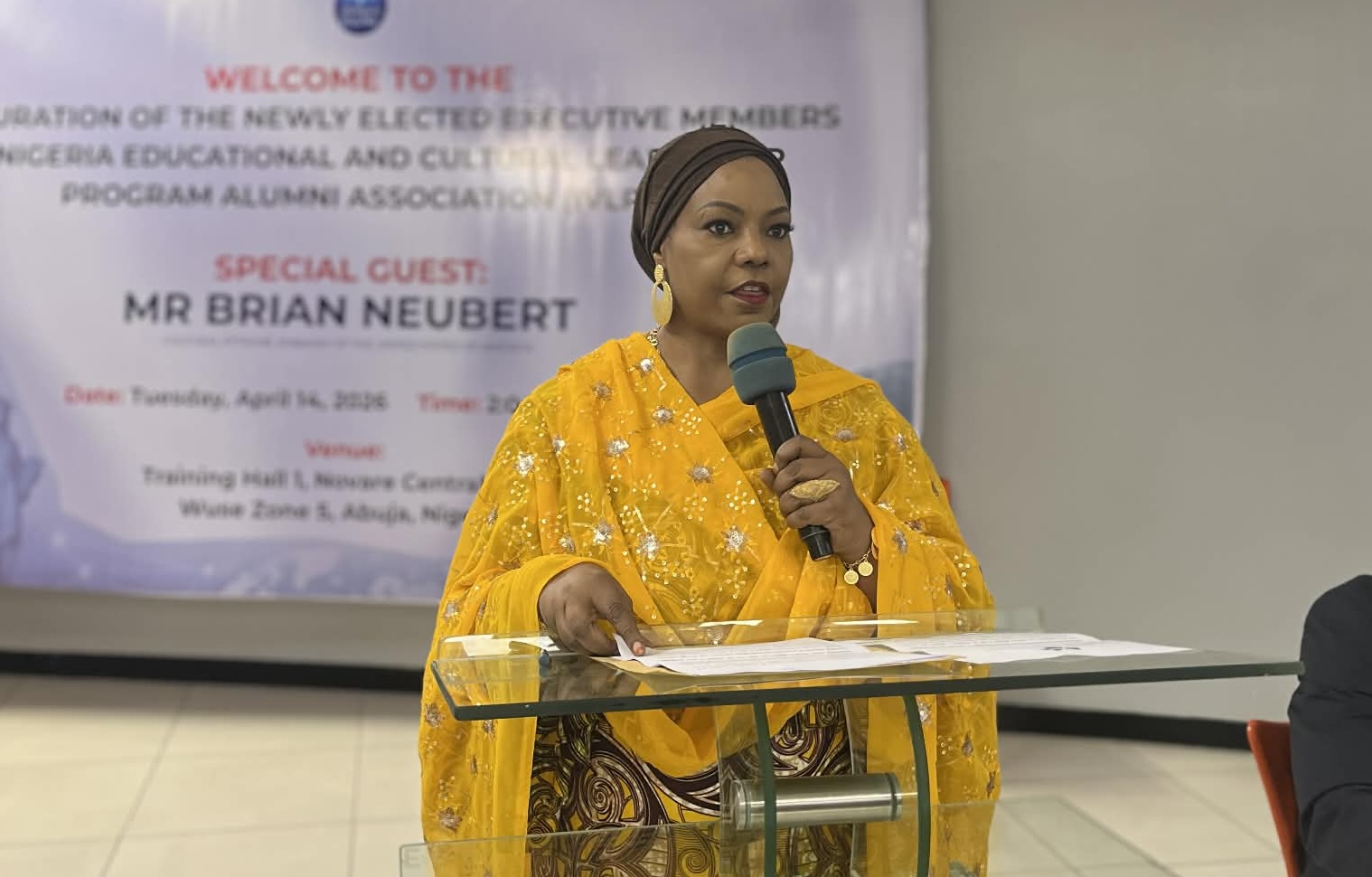
She acknowledged persistent challenges, particularly around funding, coordination and member participation, but said she was confident the incoming leadership would consolidate existing gains and expand the association’s reach.
In an overview of the association’s development, outgoing General Secretary Ambassador Ngozi John-Uyah traced the network’s origins to 2002, when efforts began to unify Nigerian IVLP alumni under a single platform initiated by Dehab Ghebreab. She noted the role of early leaders including Dr Habiba Muda Lawal in establishing the Northern Nigeria chapter and said the association’s expansion accelerated under successive administrations, particularly during the tenure of Olanrewaju Osho.
Mrs John-Uyah said a major milestone came in November 2021 with formal registration of ECULPAA–IVLP, giving the body legal standing and a clearer governance structure. She said the organisation is overseen by a Board of Trustees chaired by Hajia Habiba M. Lawal, with members including Olanrewaju Osho, Uchechukwu Agbanusi, Kabiru Marafa and the late Hauwa Shekarau.
She outlined key achievements of the outgoing administration, including improved financial compliance, expanded partnerships and increased alumni engagement, as well as the acquisition of a Unique Entity ID enabling access to US federal grant opportunities.
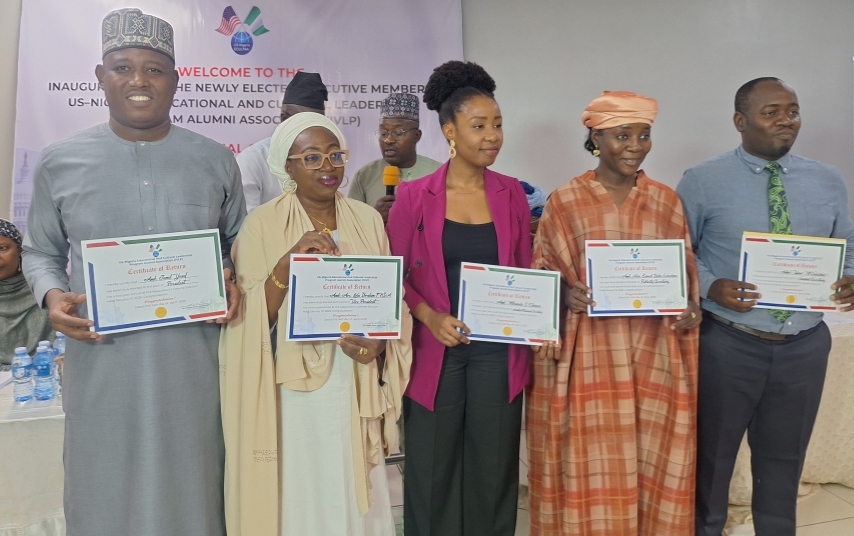
However, she also pointed to ongoing challenges, including low dues compliance and uneven member participation, urging renewed commitment under the new leadership. She formally announced the new 2026–2028 executive led by Ambassador Jamilu Yusuf, describing the transition as a moment of renewal and continuity.
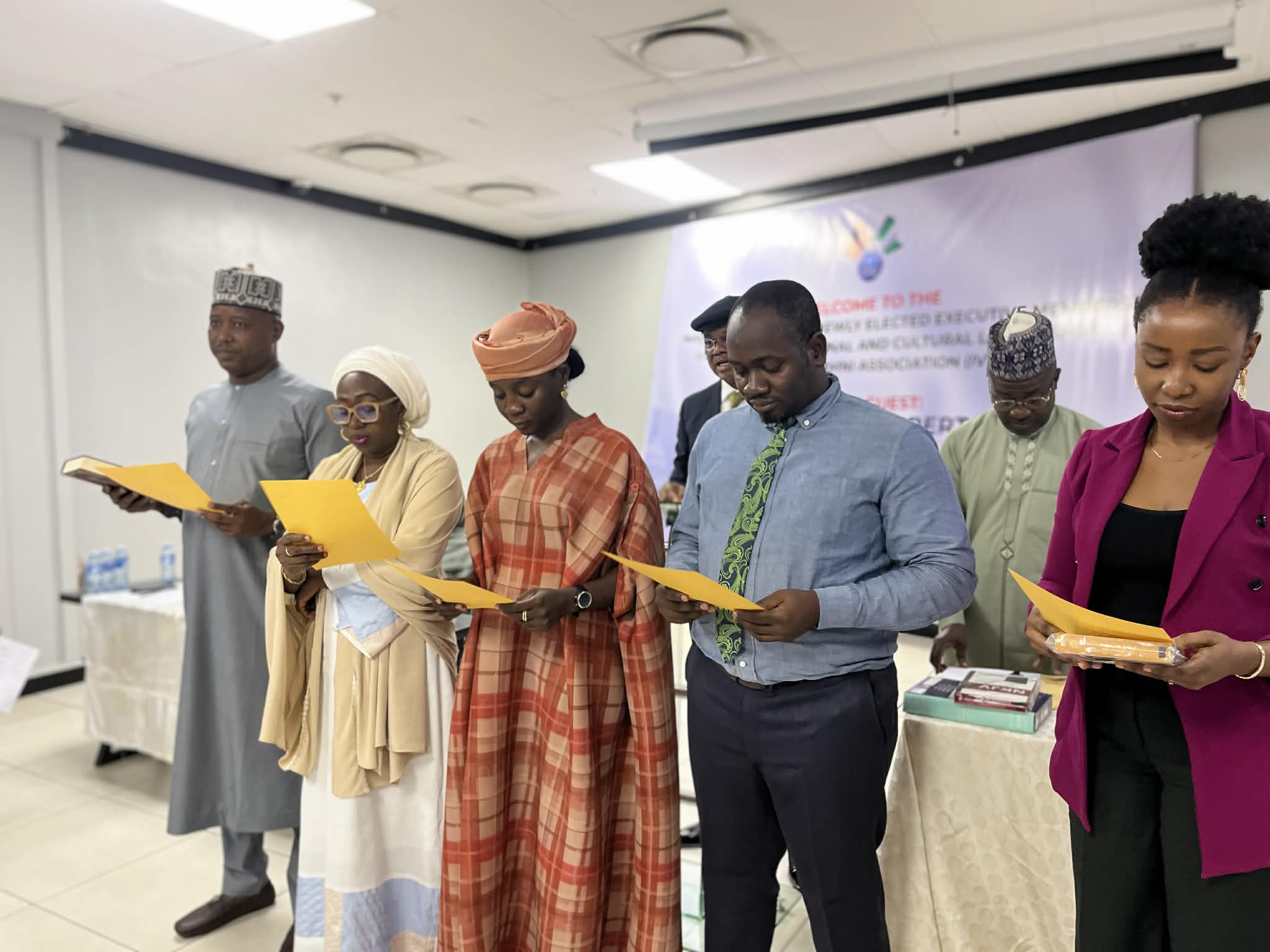
Hon. Nimi Walson-Jack, who administered the oath of office, told delegates that leadership in a voluntary association rests not on legal compulsion but on personal integrity and mutual trust. He said the mandate before the new executive was a “moral covenant” requiring accountability, transparency, and stewardship of shared resources. He urged the incoming leadership to see their tenure as a responsibility to strengthen the association beyond their term, rather than merely occupy office.
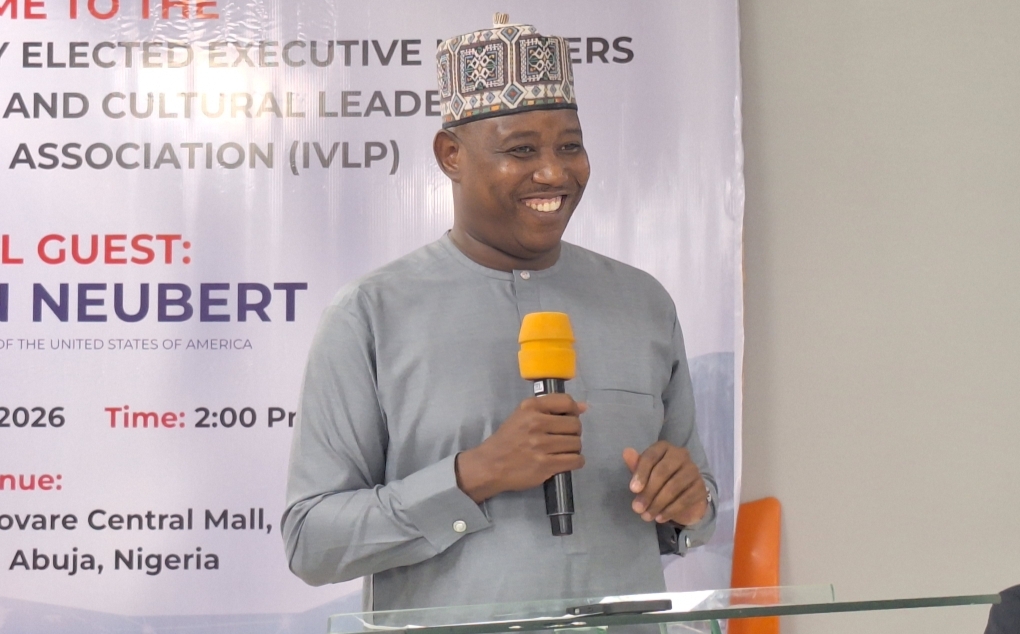
The newly elected president, Ambassador Jamil Yusuf, said the association must shift from networking to what he described as “coordination and execution”, warning that exposure without implementation amounted to lost opportunity.
He outlined a 24-month agenda aimed at transforming ECULPAA–IVLP into one of Nigeria’s most structured alumni organisations, including the establishment of functional state-level units, annual flagship programmes, and mentorship schemes reaching at least 1,000 young Nigerians each year. He said the association must become a system rather than a network, adding that its members collectively possessed experience capable of shaping governance, policy and institutional reform if properly coordinated.
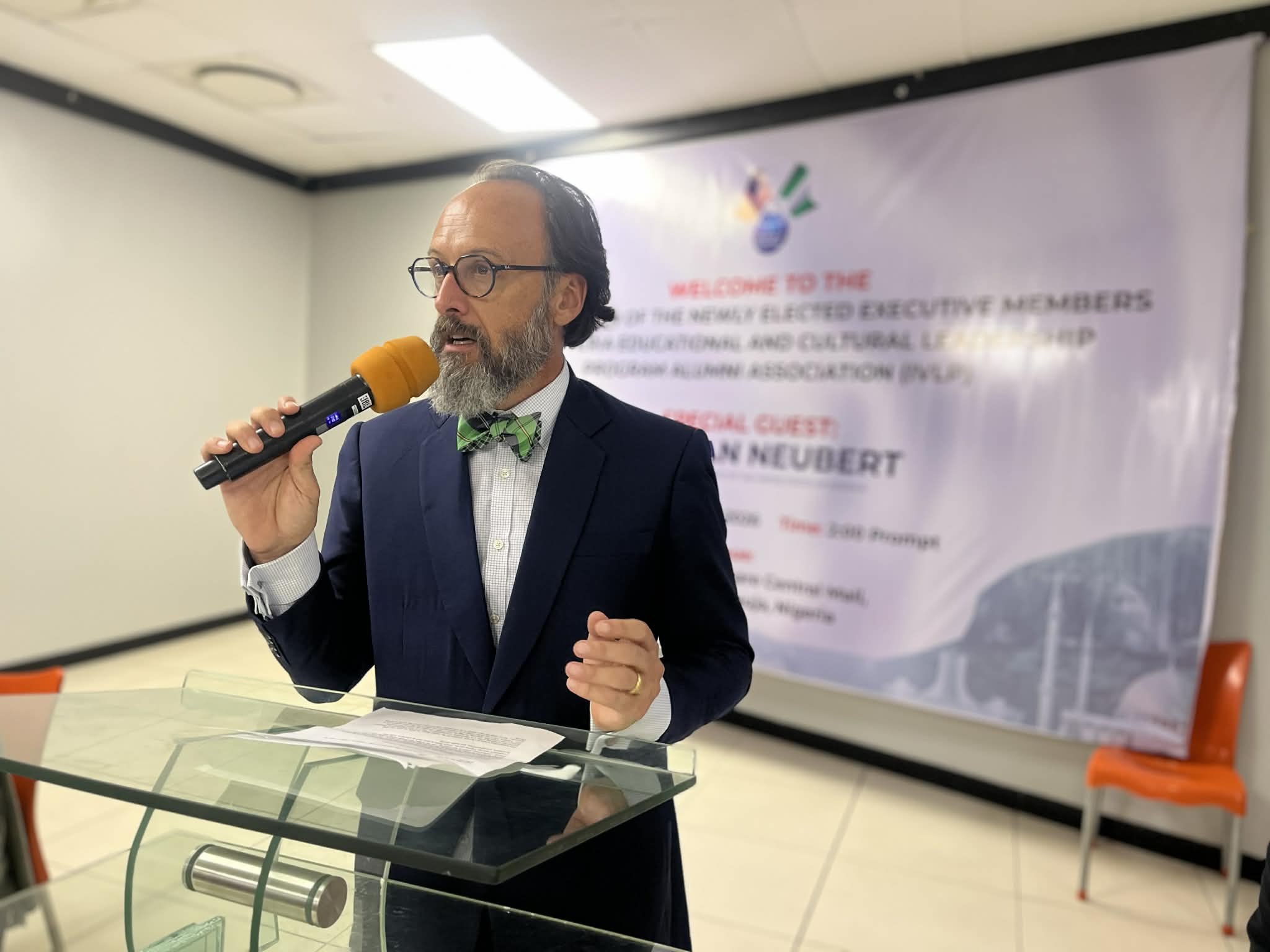
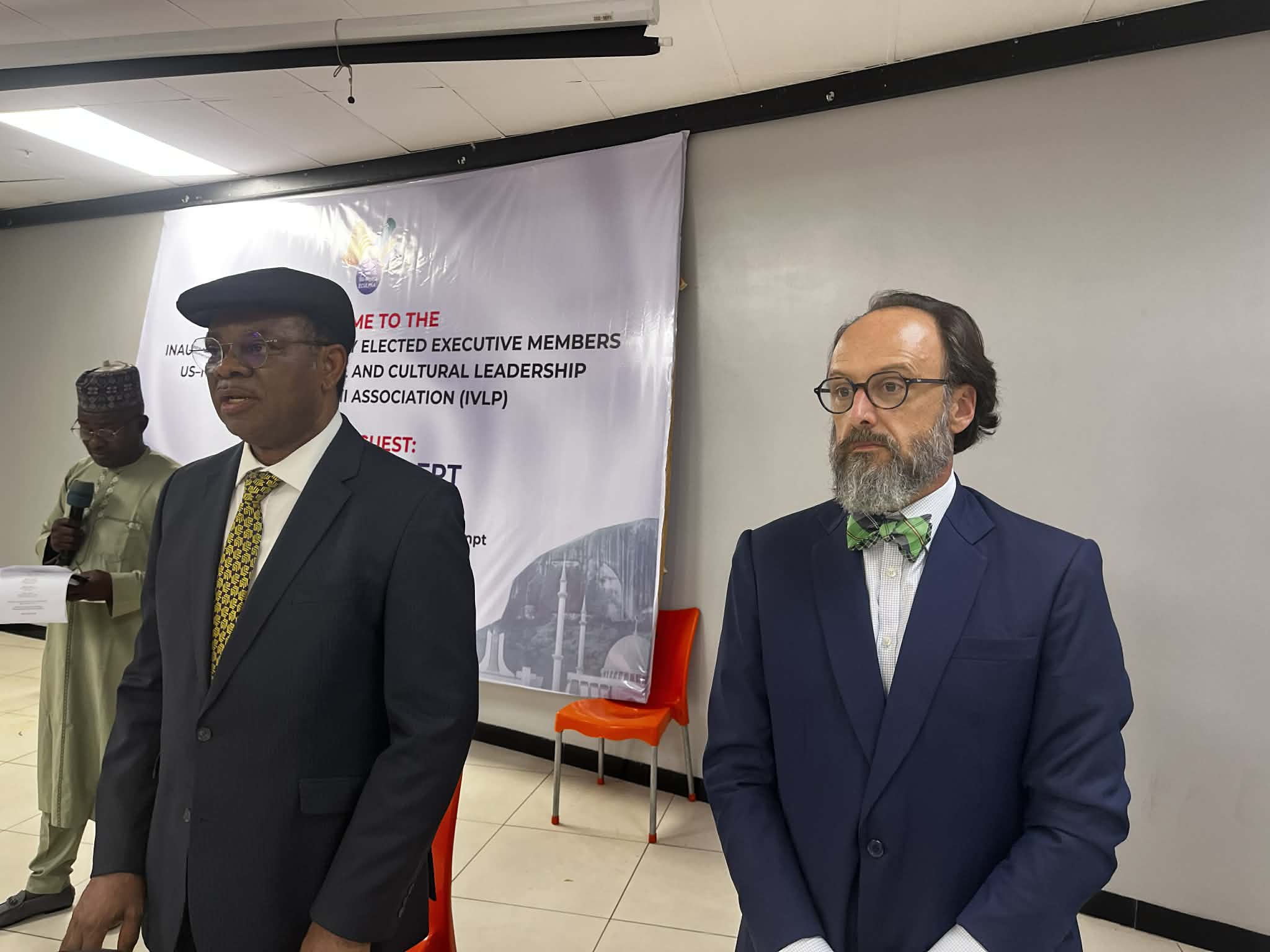
Speaking at the event, US Embassy Cultural Attaché Brian Neubert highlighted the long-term impact of exchange programmes, describing alumni as “bridges between societies” who return home with tools for leadership and reform. He commended the outgoing executive and urged the new leadership to strengthen collaboration with the US Mission, noting that many influential Nigerian leaders are alumni of US exchange programmes.
Neubert also referenced the upcoming “Freedom 250” commemoration of US independence, linking it to broader themes of democracy, rule of law and civic engagement. He encouraged the association to take advantage of initiatives such as the Alumni Engagement Innovation Fund to develop projects aligned with leadership and development goals.
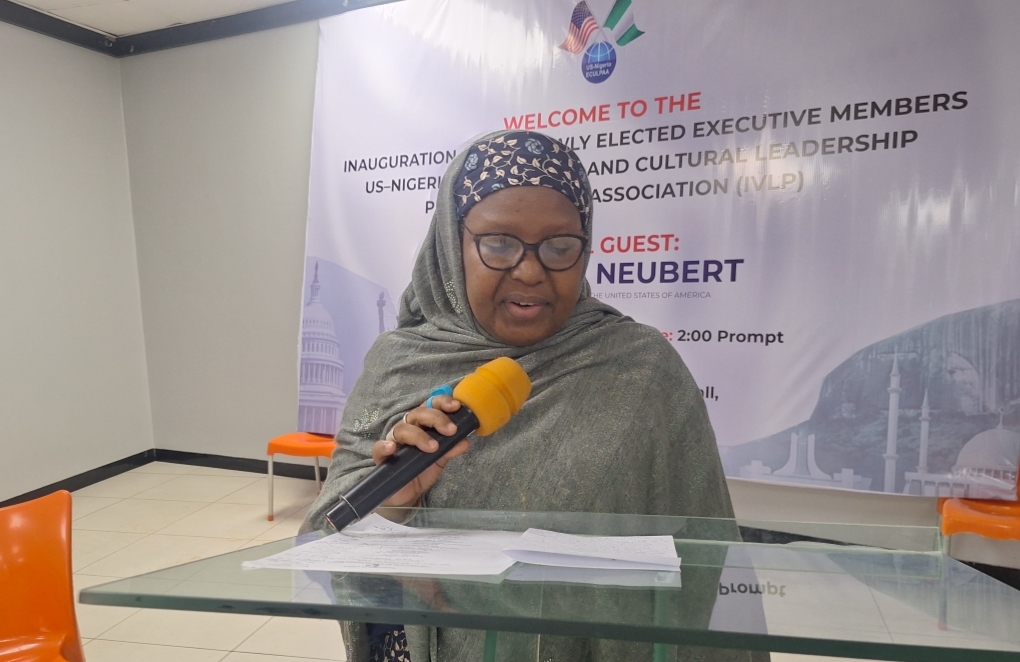
Board of Trustees chair Hajia Habiba M. Lawal urged the new leadership to build on existing gains through stronger organisation, documentation and teamwork. She said the association had the networks and influence to shape national policy more effectively but needed improved coordination to realise its full potential. She also called for the reintegration of senior alumni and former public officials to strengthen institutional memory and national reach.
Delivering the vote of thanks, Ambassador Zainab Mustapha Jaji praised both outgoing and incoming executives, urging members to sustain unity and remain committed to the ideals of the IVLP network. She said alumni were selected for leadership potential and must continue to demonstrate impact through collective action.
The inauguration ended with renewed pledges to strengthen ECULPAA–IVLP’s institutional base, deepen international partnerships and expand its civic and development footprint across Nigeria.
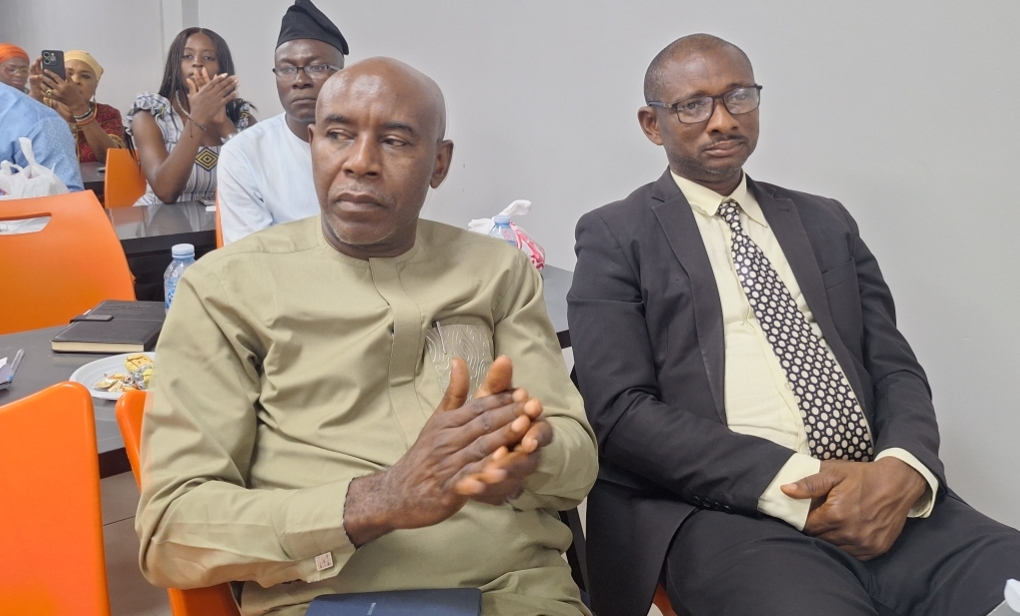
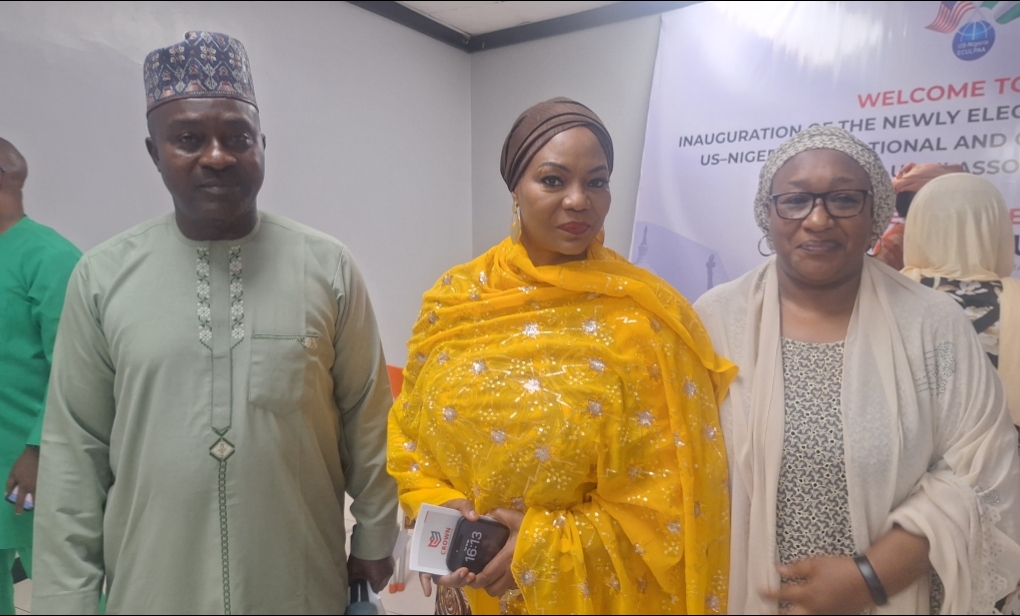
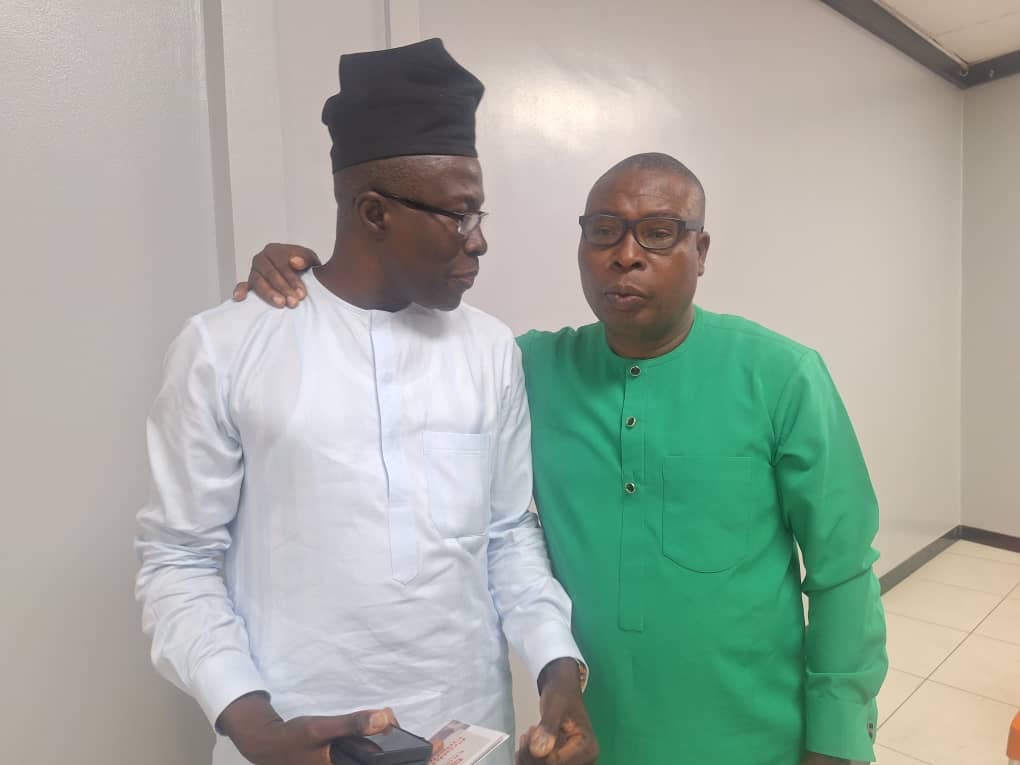
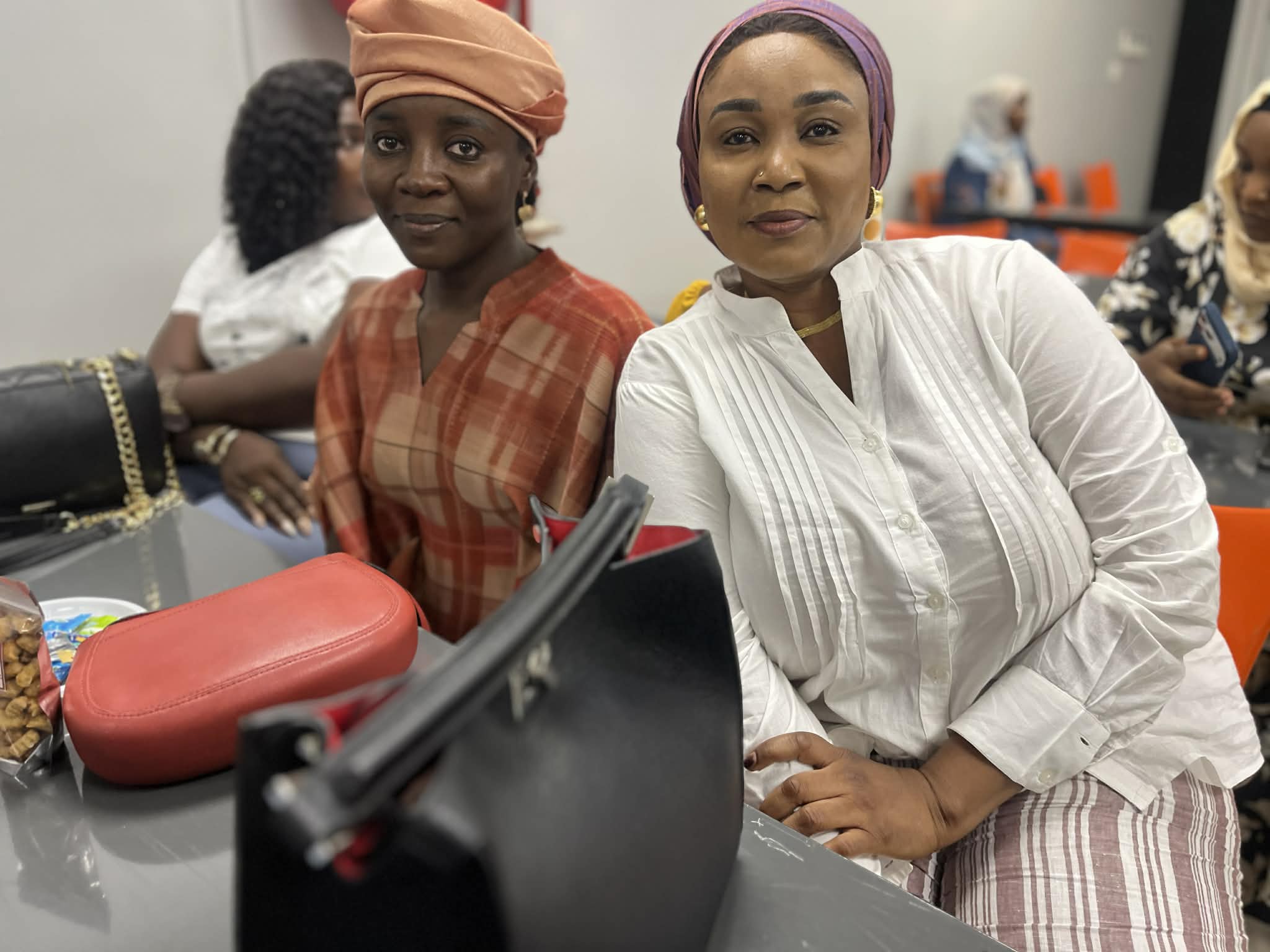
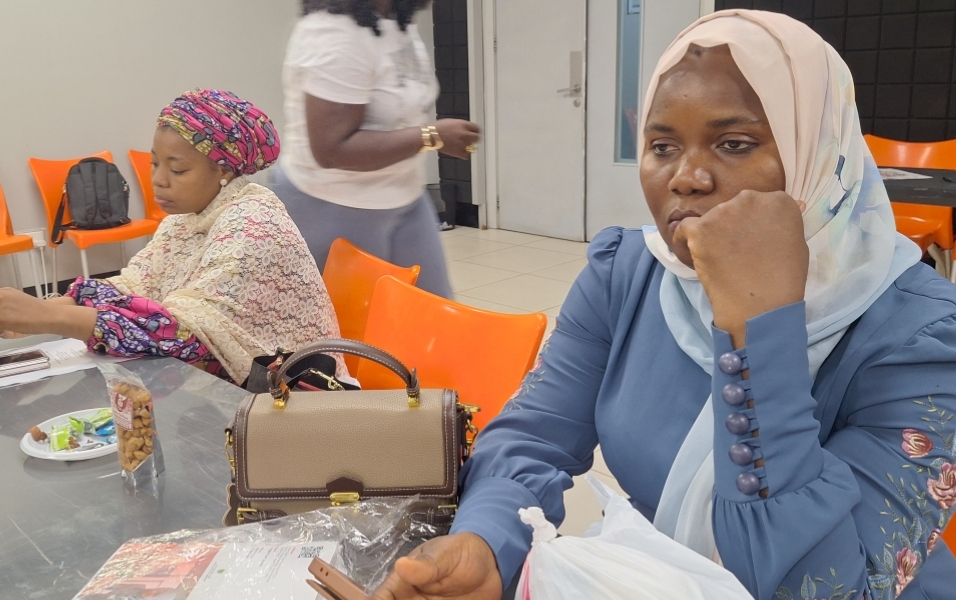
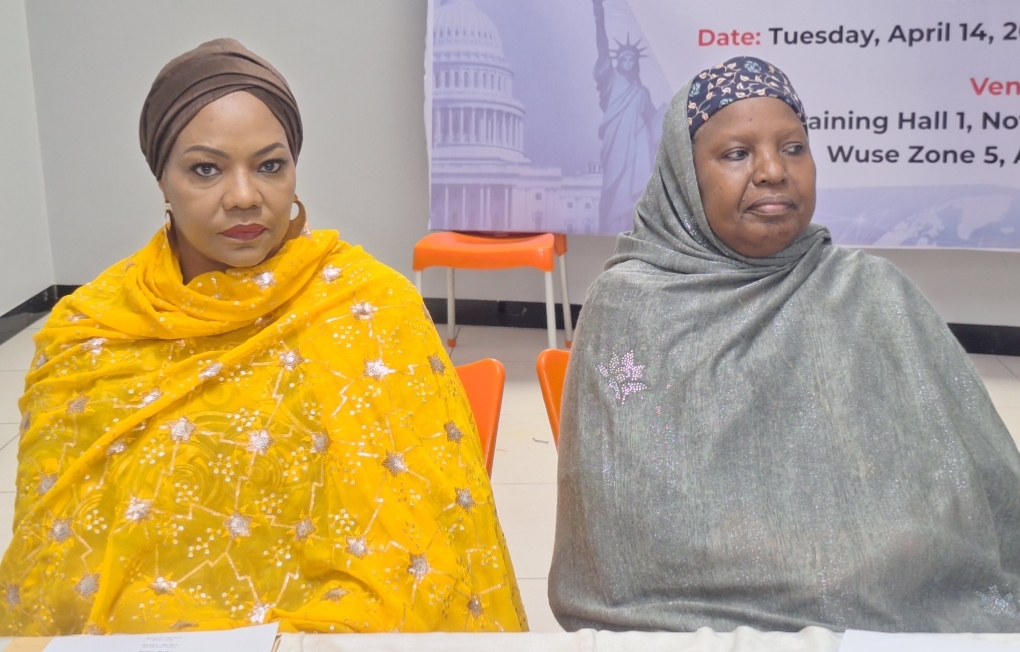
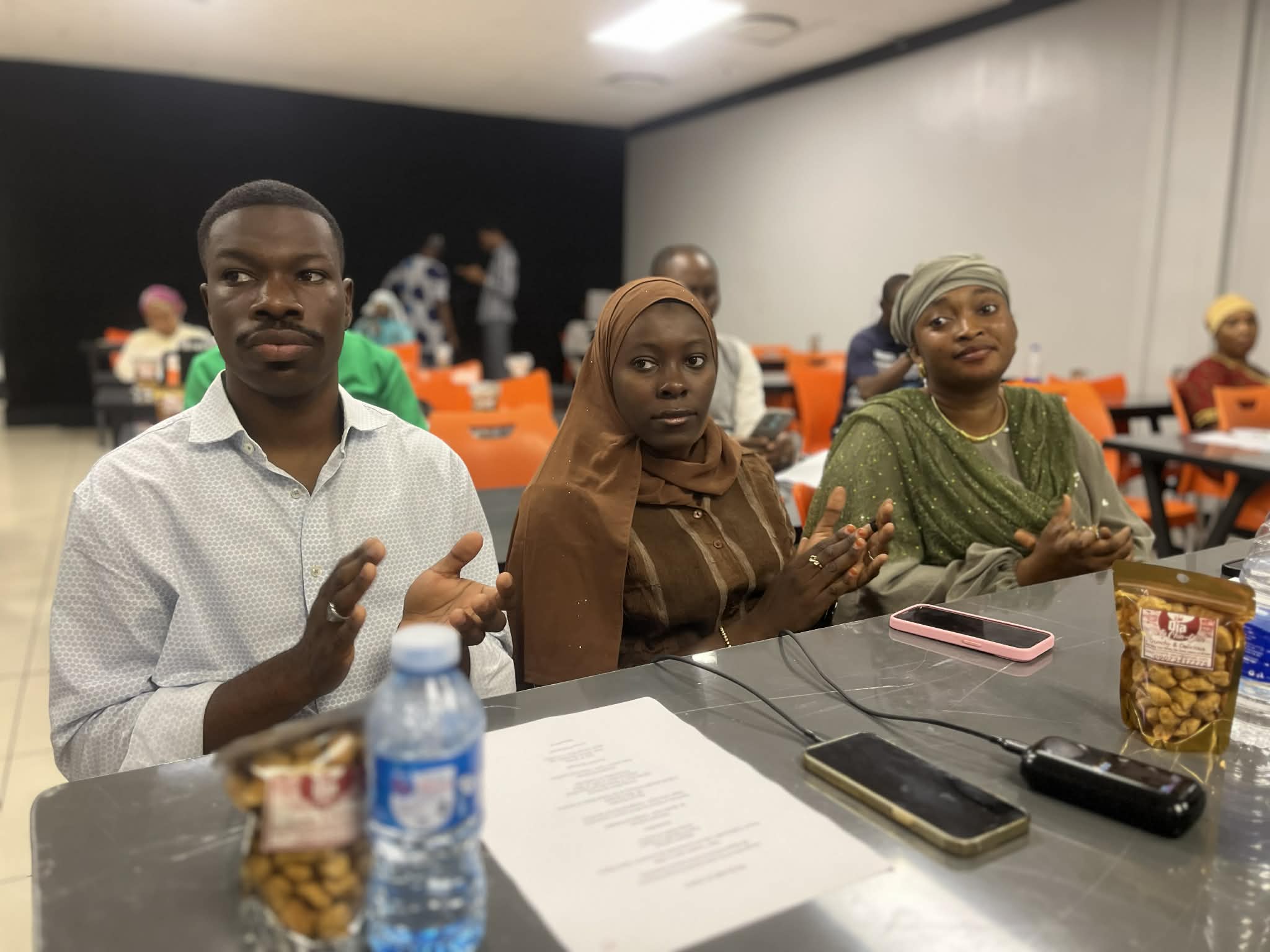
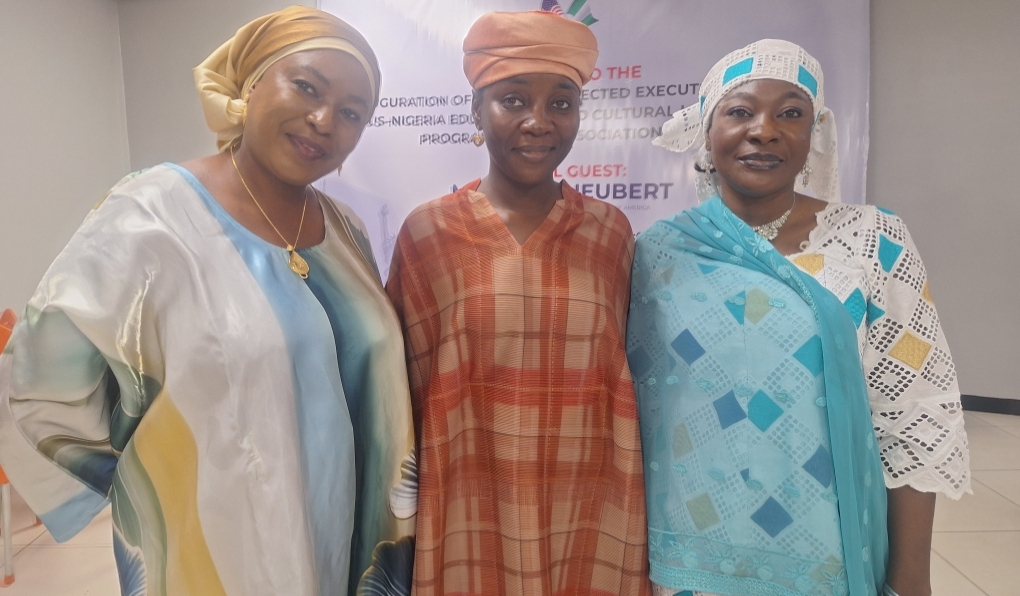
Faces at the Inauguration
SPONSORED

SPONSORED

SONSORED
