
NACCIMA Summit: Nigeria Told to Turn Youth, Heritage Into Economic Power
Imam Oyebanji says technology, green economy and policy reform can move young Nigerians from job seekers to creators of jobs and wealth
By Abdullahi Yusuf
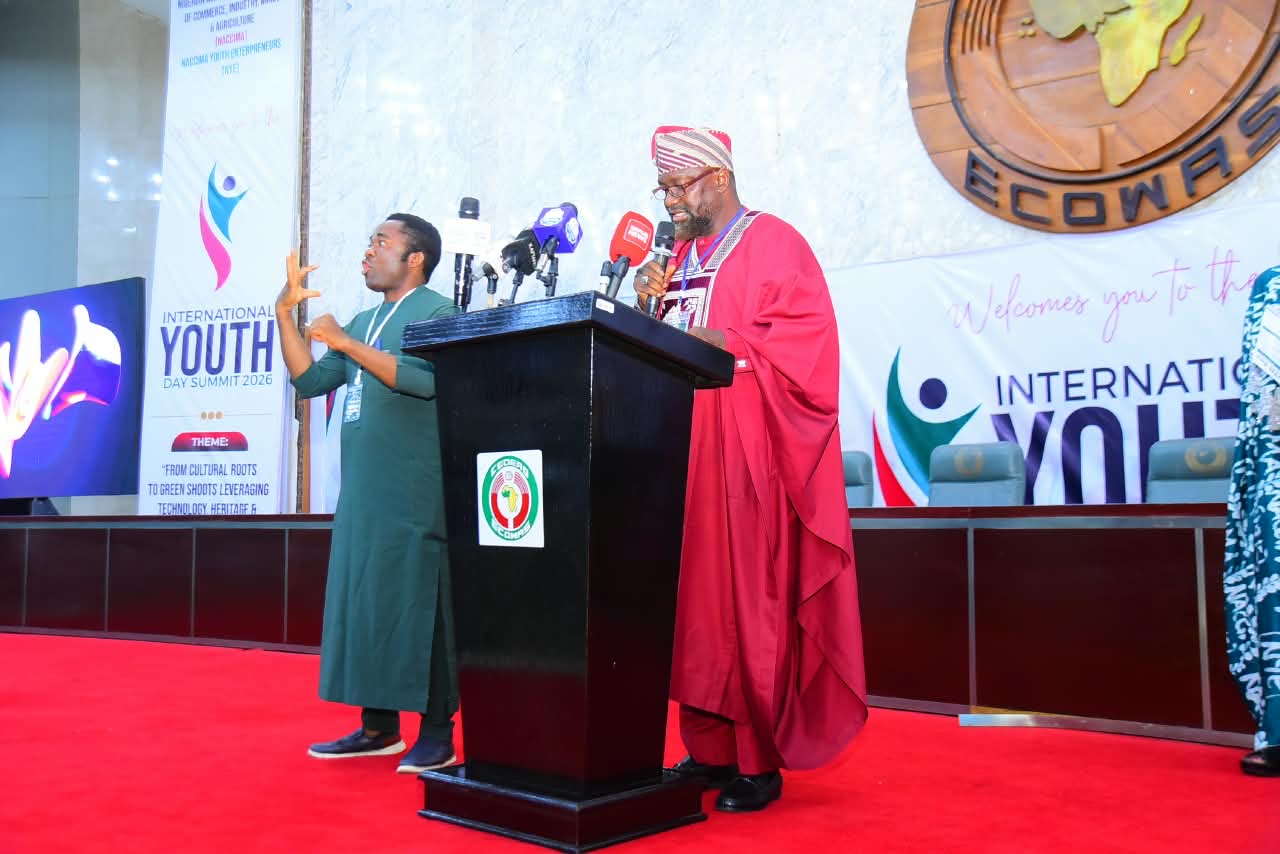
Nigeria must turn its youthful population, cultural heritage and technological potential into engines of economic growth, Imam Tajudeen Sheikh Oyebanji has said.
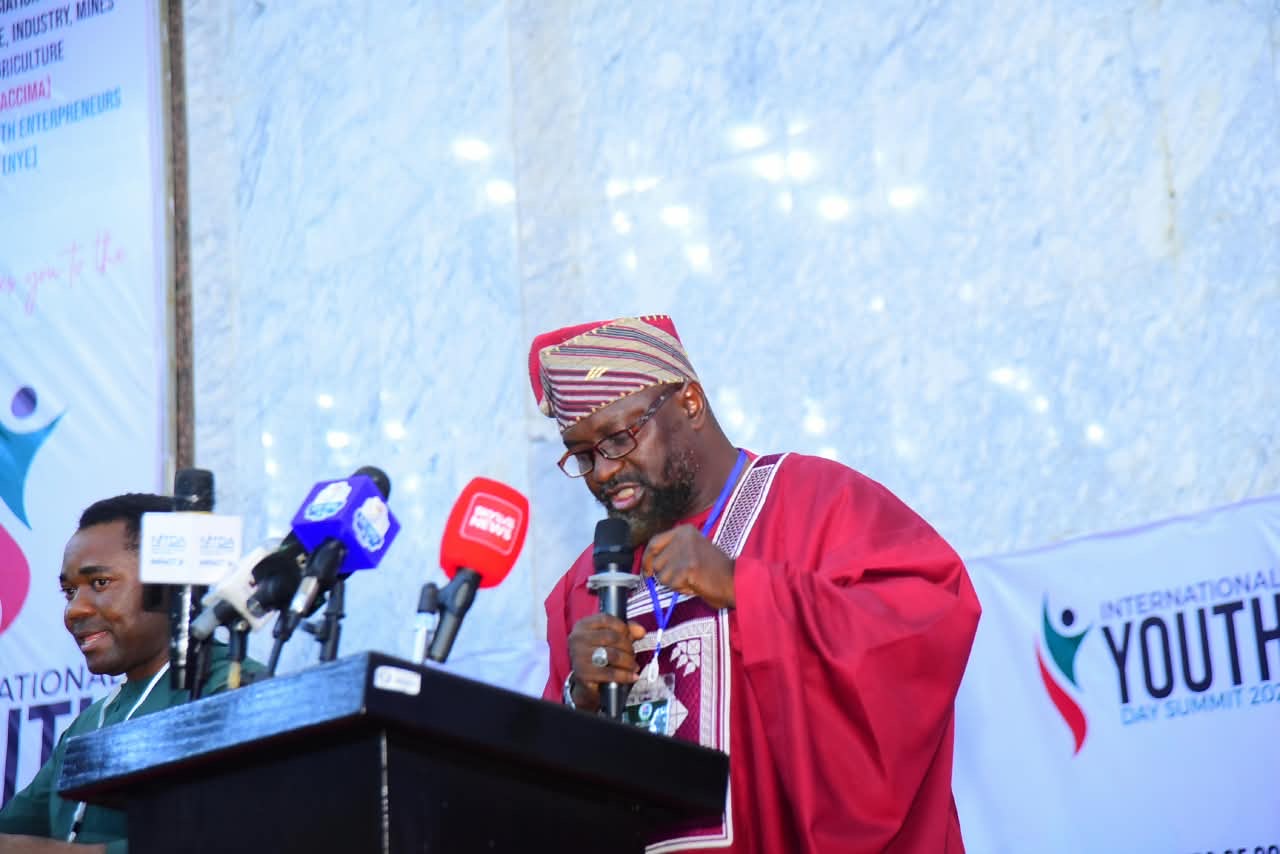
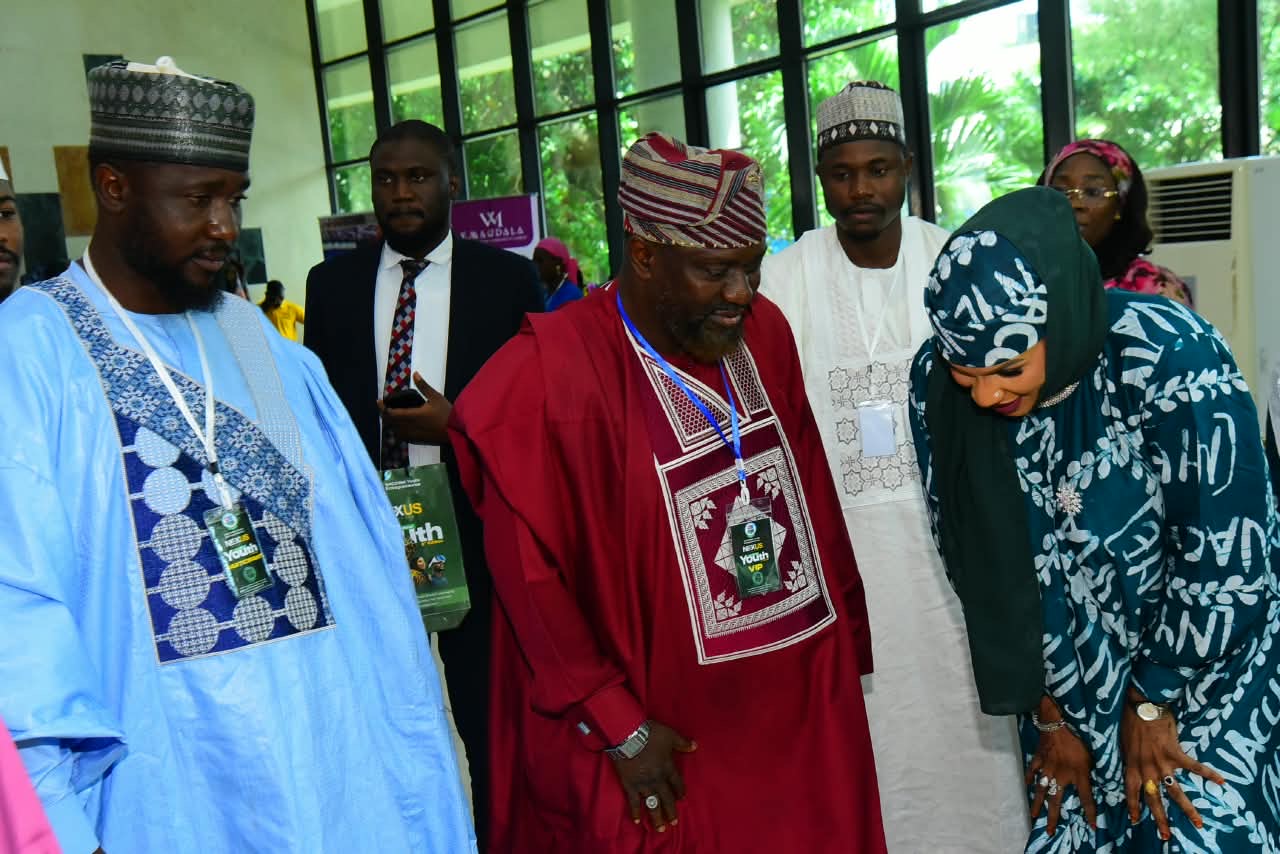
Imam Tajudeen Sheikh Oyebanji, Chief Imam of Prince and Princess Estate, Abuja, made the call in Abuja on Wednesday while representing Prof. Abdullahi Saleh Pakistan at the summit organised by the Nigerian Association of Chambers of Commerce, Industry, Mines and Agriculture (NACCIMA).
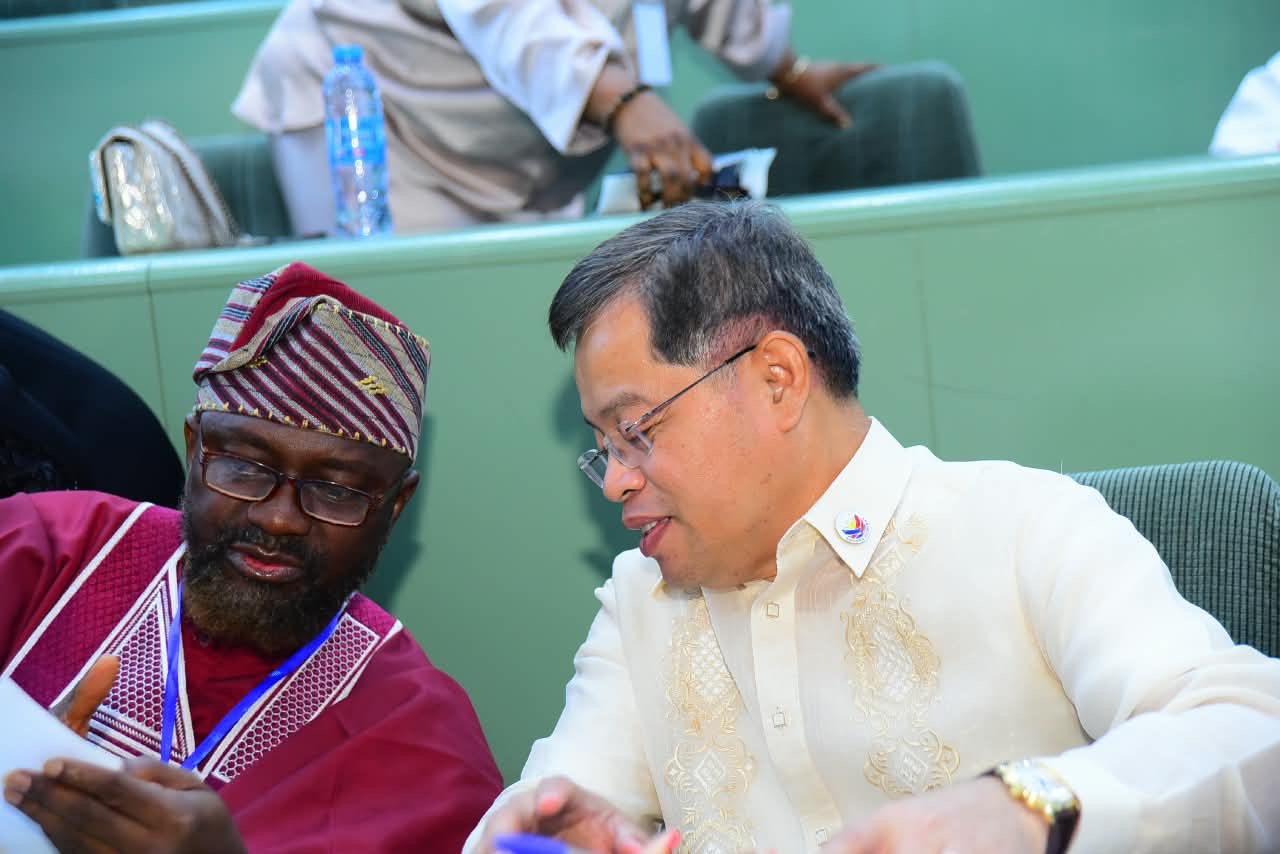
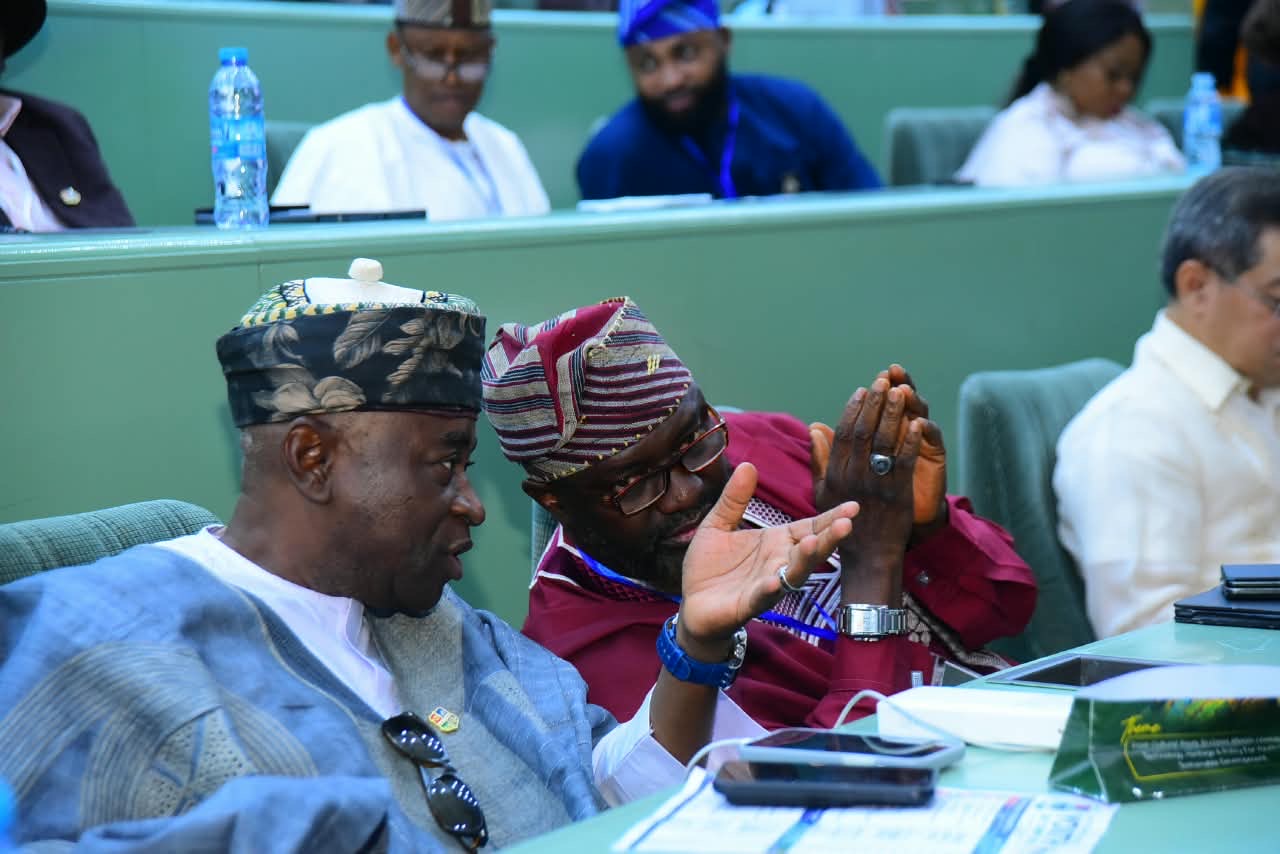
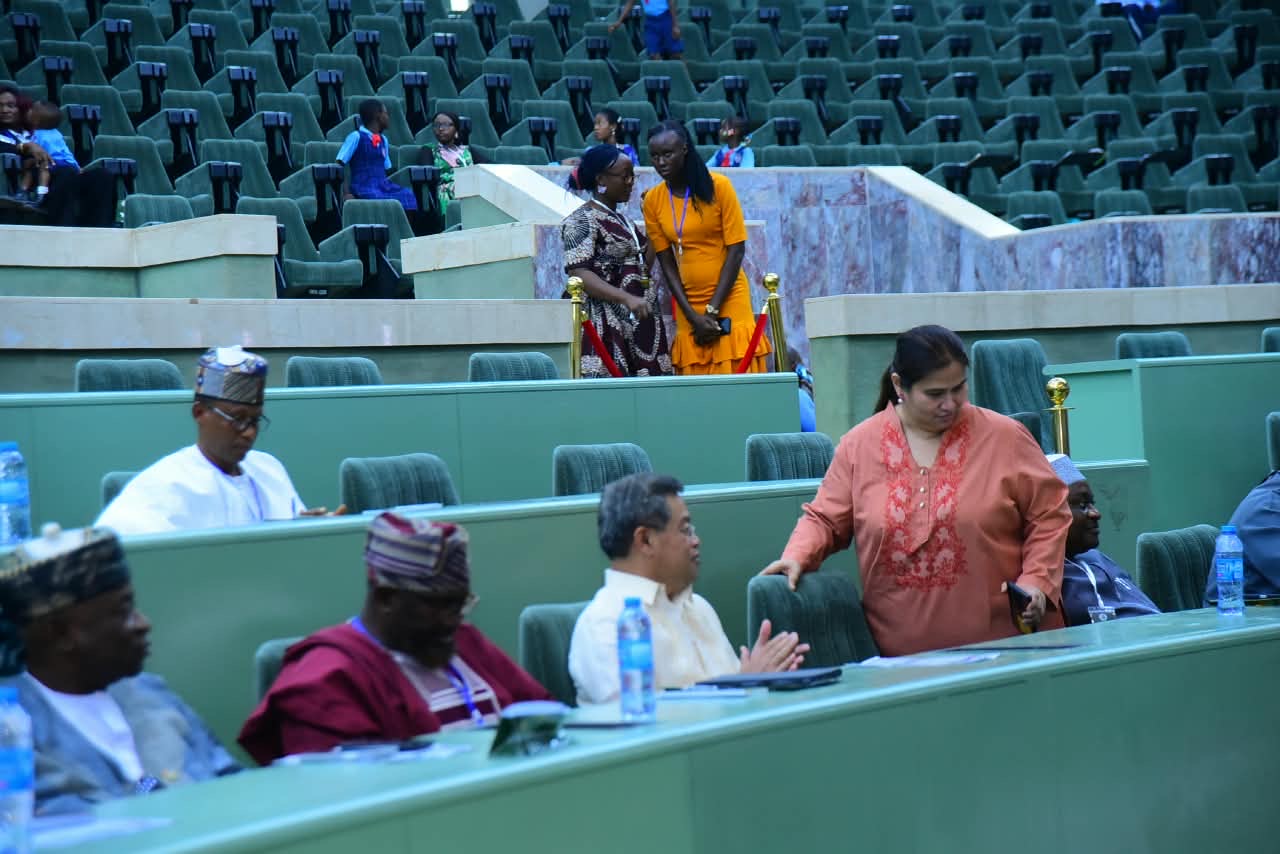
Held at the ECOWAS Commission Building, Asokoro, Abuja, under the theme, “From Cultural Roots to Green Shoots: Leveraging Technology, Heritage and Policy for Youth-Led Sustainable Development,” the summit brought together government representatives, business leaders, diplomats, academics, development partners and young people.
Sheik Tajudeen said Africa’s youthful population could become either a major economic advantage or a developmental challenge, depending on the opportunities created for young people to participate in productive activity.
He urged institutions to stop viewing young people primarily as job seekers and recognise them as potential entrepreneurs, employers, researchers, manufacturers, technology developers and investors.
He also challenged the perception that cultural heritage is an obstacle to modernisation, saying Nigeria’s languages, crafts, textiles, music, cuisine and indigenous knowledge could become economic assets when connected to technology and global markets.
A traditional textile design, he noted, could be taken from a local community to international consumers through digital platforms, while indigenous knowledge could be preserved and expanded through technology.
Oyebanji said Nigeria and Africa must also move beyond consuming technology to developing and owning technologies capable of addressing local problems in areas such as agriculture, healthcare, education, financial inclusion and climate resilience.
He identified renewable energy, waste recycling, sustainable agriculture, green construction, clean transportation, environmental technology and green finance as areas where the emerging green economy could create opportunities for young Africans.
But he said the potential would remain unrealised without policies that make it easier for young entrepreneurs to access finance, infrastructure, markets and supportive regulatory systems.
“Nothing about the future of young people should be decided without meaningful participation from young people,” he said.
He also called for stronger regional economic integration, saying young entrepreneurs should be able to trade, invest, innovate and build businesses across West African borders.
Sheikh urged government, the private sector, universities, civil society and development partners to work together to create a pathway through which young people can move from ideas and skills to start-ups, financing, markets, scale and exports.
He further stressed that technological and economic advancement must be matched by integrity, accountability, justice and responsibility.
Addressing young people, he urged them to develop the skills, discipline and networks required to turn their potential into productive enterprise rather than waiting for perfect conditions.
He said the summit’s theme captured the need for Africa to modernise without abandoning its identity.
“Let our heritage be our roots. Let our young people be our shoots. Let technology be our tool. Let sound policy be our framework,” he said.
The NACCIMA International Youth Day Summit Nexus 2026 continues in Abuja on Thursday, August 27th.
SPONSORED

SPONSORED

SONSORED
