
Muslim World League, JIBWIS Rally Nigerian Leaders Against Insecurity
From insecurity and youth vulnerability to religious division and poverty, leaders at the JIBWIS-Muslim World League conference in Abuja deliberately broadened the security debate, stressing that Nigeria’s crisis requires more than force alone.
By Abdullahi Yusuf
Religious, political and community leaders have called for greater cooperation across religious and ethnic lines, stronger investment in youth education and skills, and sustained dialogue as Nigeria confronts insecurity and other threats to national stability.
The calls came at an international conference on security, diversity and sustainable socio-economic development in Abuja, jointly organised by Jama’atu Izalatil Bid’ah wa Iqamatis Sunnah (JIBWIS Nigeria) and the Muslim World League (MWL) of Saudi Arabia.

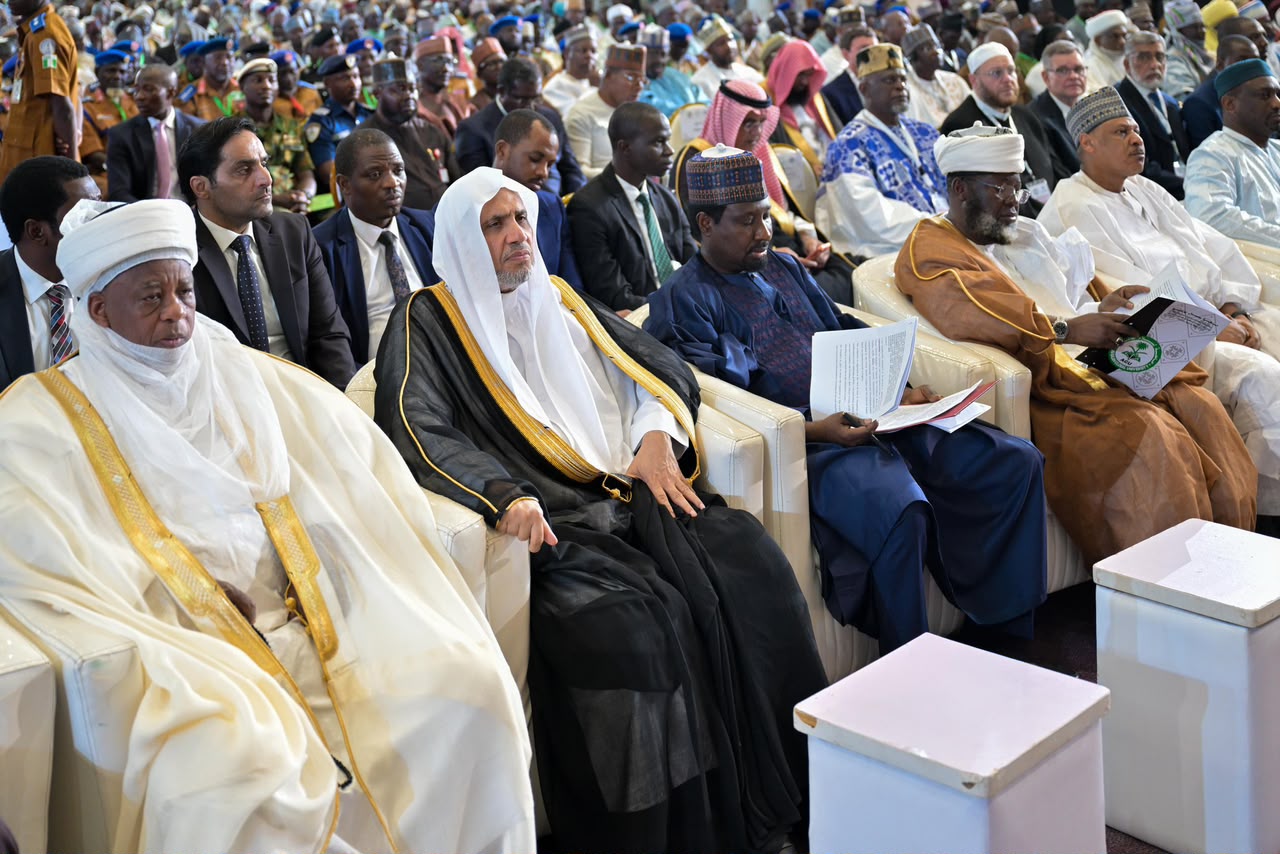
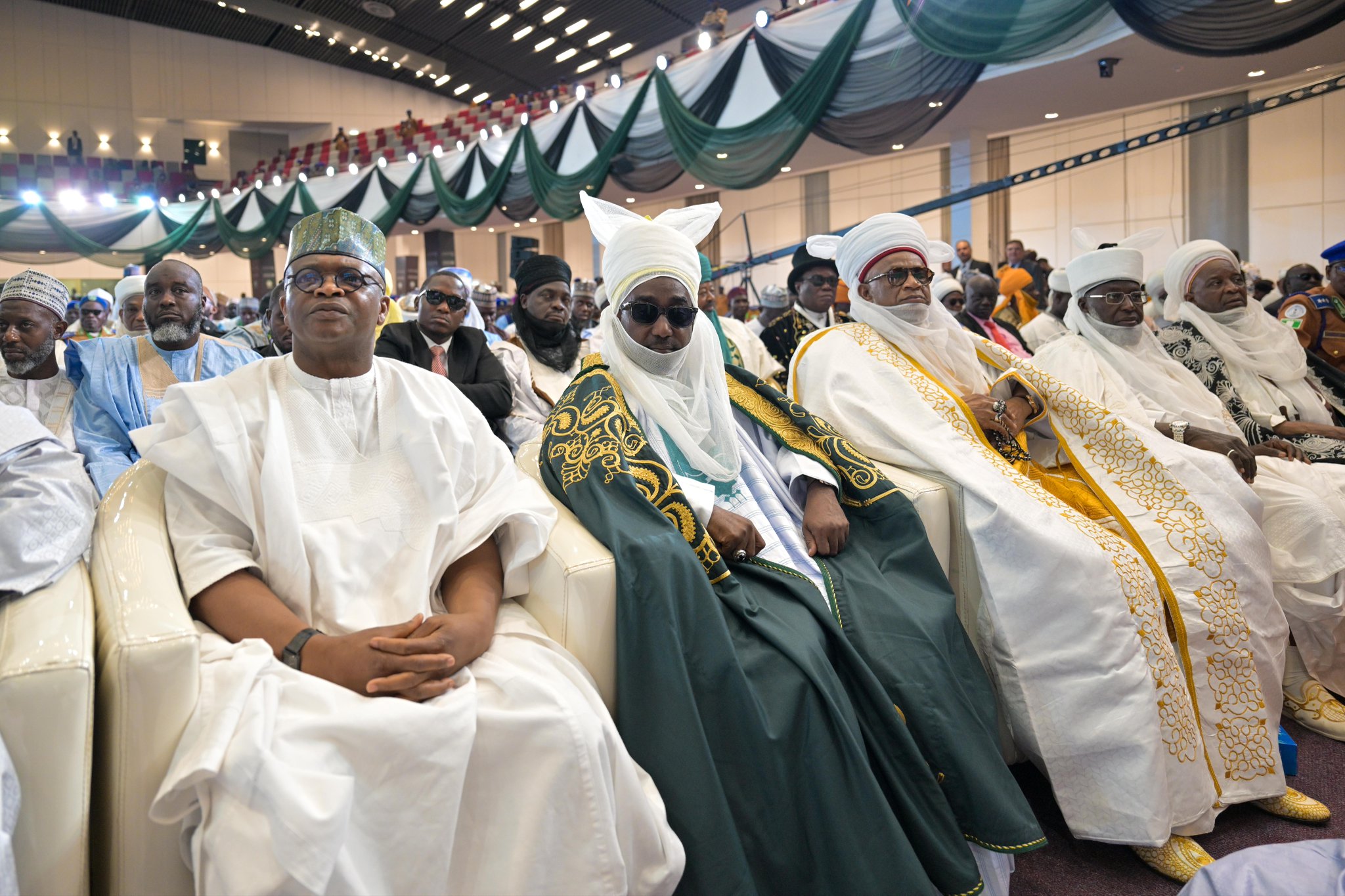
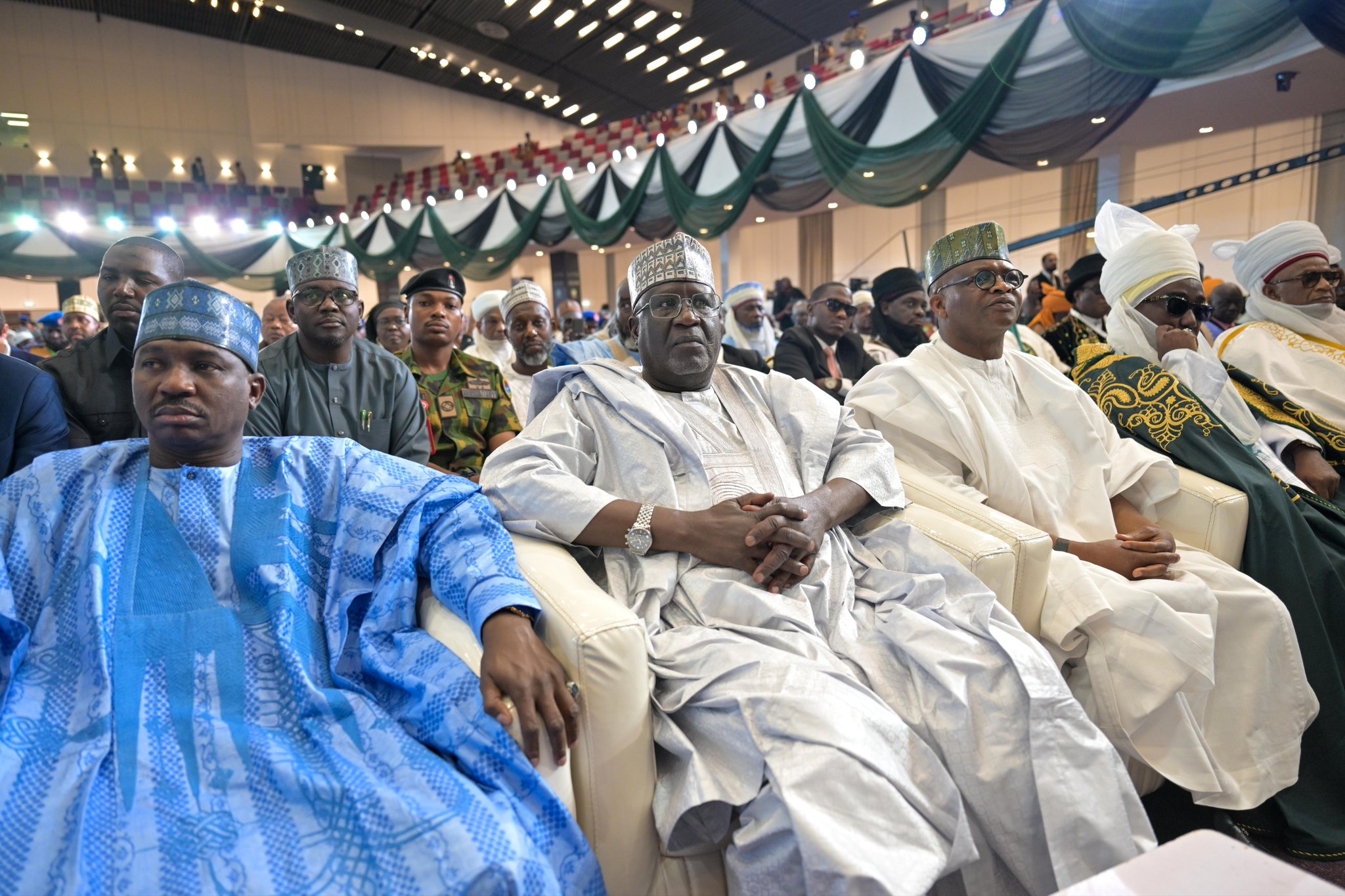
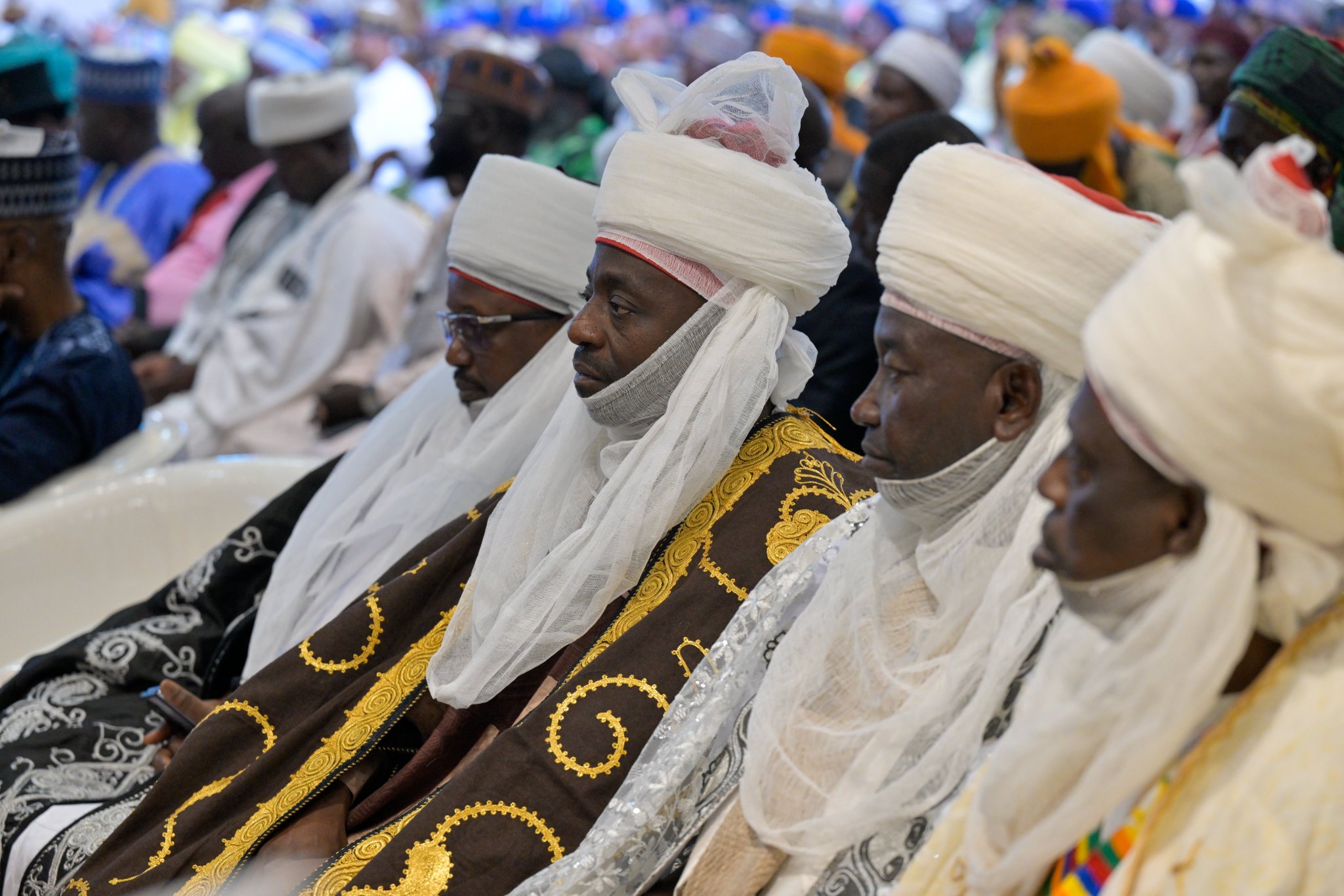
The two-day conference, which began on Tuesday, brought together the Secretary-General of the Muslim World League, Sheikh Dr Mohammad bin Abdulkarim Al-Issa, President-General of the Nigerian Supreme Council for Islamic Affairs and Sultan of Sokoto, Alhaji Muhammadu Sa’ad Abubakar III, government officials, governors, lawmakers, Islamic and Christian leaders, traditional rulers, diplomats and other stakeholders.
The gathering brought political and religious leaders around a common question: how can Nigeria’s diversity become a source of stability rather than a driver of conflict?
Representing H.E President Bola Ahmed Tinubu, Deputy President of the Senate, Senator Barau I. Jibrin, said the Federal Government remained committed to sustainable security, national unity and cooperation with international partners.

He said the conference came at a time when countries around the world were confronting increasingly complex security challenges and could provide an opportunity to examine emerging threats and develop practical responses. According to him, Nigeria must remain united despite its religious, ethnic and cultural differences, while drawing on international experiences to strengthen efforts towards regional, continental and global peace.
Jibrin also commended the Muslim World League for partnering with JIBWIS to convene the conference in Nigeria, describing the collaboration as an opportunity to bring different stakeholders together around security and peaceful coexistence.
The Secretary-General of the Muslim World League, Sheikh Mohammad bin Abdulkarim Al-Issa, was among the principal international figures at the conference.
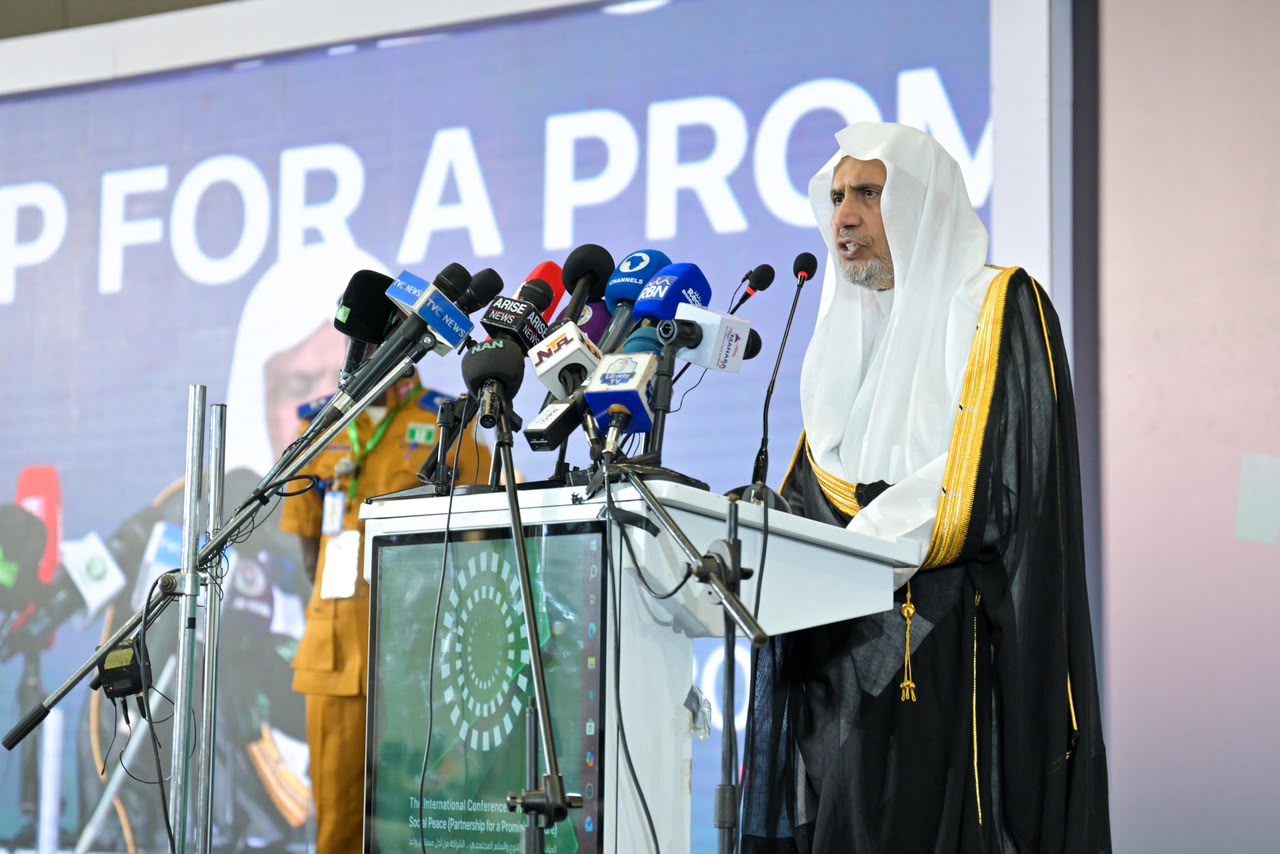
Sheikh Al-Issa, stressed the importance of protecting shared humanity and rejecting attempts to exploit religion, ethnicity and poverty to divide Nigerians. His presence underscored the international dimension of the conference, which organisers presented as an opportunity to connect Nigeria’s security challenges with wider conversations on peace, religious coexistence and socio-economic development.
The National Chairman of JIBWIS, H.E Sheikh Dr. Abdullahi Bala Lau, said the security of lives and property remained a fundamental responsibility of government, acknowledging efforts by the administration while urging it to keep insecurity at the centre of its priorities.
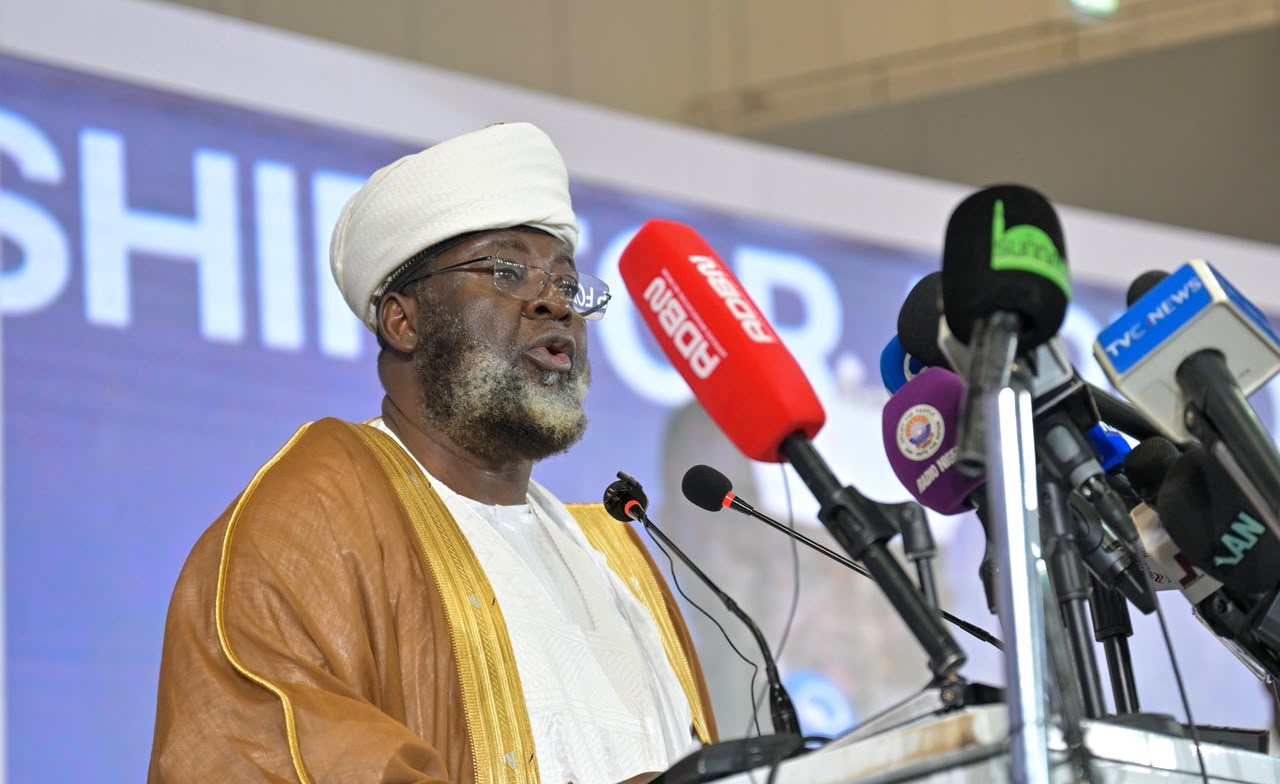
He said Muslim organisations, the Muslim World League and other stakeholders could complement government efforts by investing in education and skills acquisition for young people. According to Sheikh Bala, economic empowerment and productive engagement of youths could reduce their vulnerability to recruitment by criminal groups.
He also called for regular dialogue between Muslims and Christians, saying peaceful coexistence was necessary for Nigeria’s socio-economic development. Lau described Al-Issa as an ambassador for peace and expressed appreciation for the Muslim World League’s participation in the conference.
The Sultan of Sokoto, Alhaji Muhammadu Sa’ad Abubakar III, who served as Royal Father of the Day, also stressed the need for Nigerians to find common ground and strengthen cooperation across religious and social divisions.
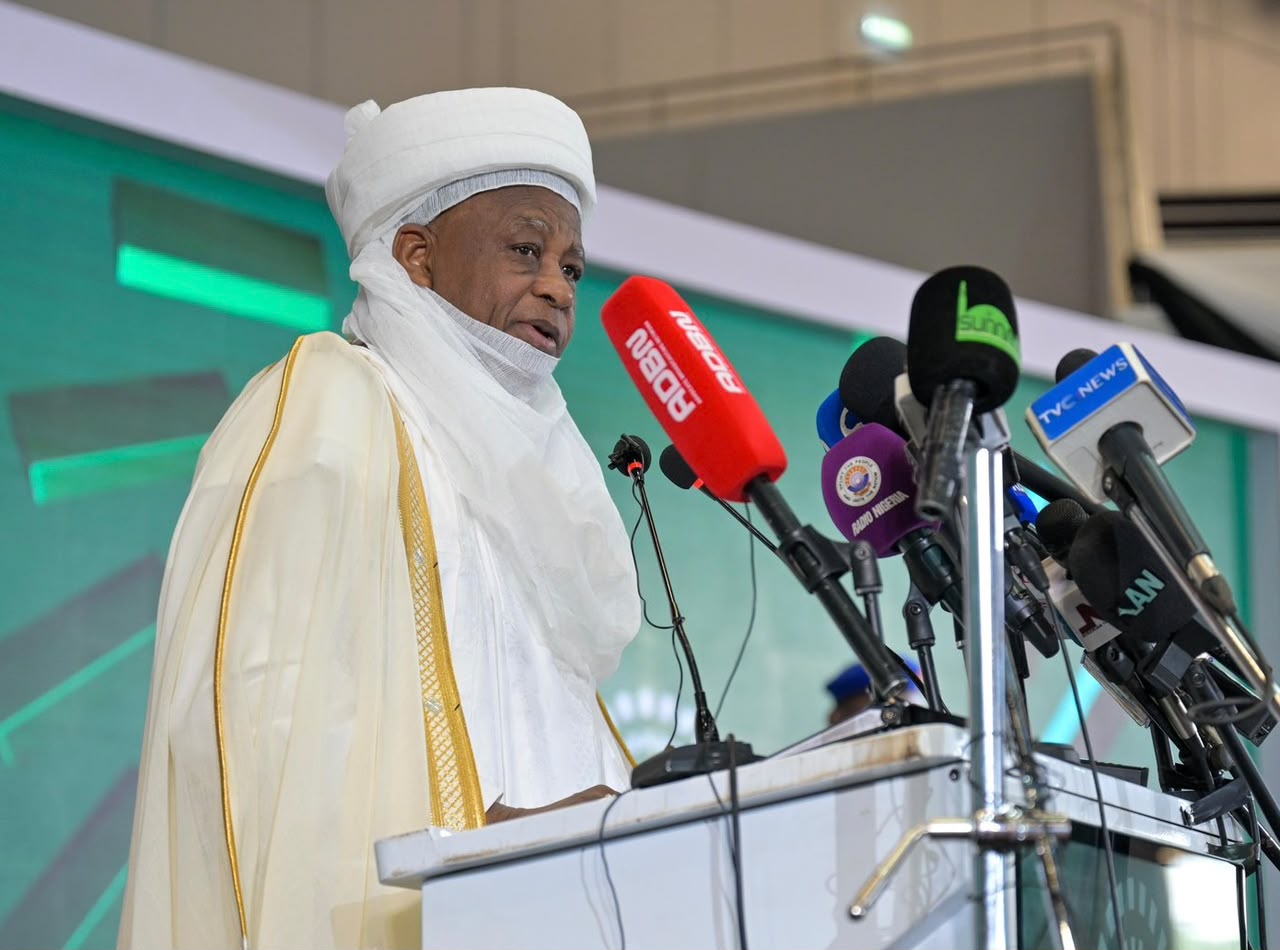
The Sultan called for greater honesty about the country’s challenges and stronger implementation of solutions, while encouraging Muslims and Christians to work together rather than allowing their differences to become sources of conflict.
He said Nigerians had to recognise their common interests and accept the diversity that defines the country. The Sultan’s emphasis on dialogue echoed a broader message that ran through the conference: that religious identity should not be allowed to become a barrier to addressing problems shared by all Nigerians.
Speaking from a Christian perspective, Rev. Fr. Prof. Cornelius Afebu Omonokhua, Executive Secretary of the Nigeria Inter-Religious Council (NIREC), said the country’s religious traditions shared fundamental principles around the sanctity of human life, mercy and compassion.

He warned against the weaponisation of religion, ethnicity and poverty, saying such manipulation could turn Nigerians against one another. Omonokhua argued that peaceful coexistence required more than tolerance, stressing the importance of love, human dignity, common welfare and a shared commitment to the good of society.
For Prof. Nentawe Yilwatda, National Chairman of the All Progressives Congress, Nigeria’s diversity should be treated as a strength rather than a weakness.
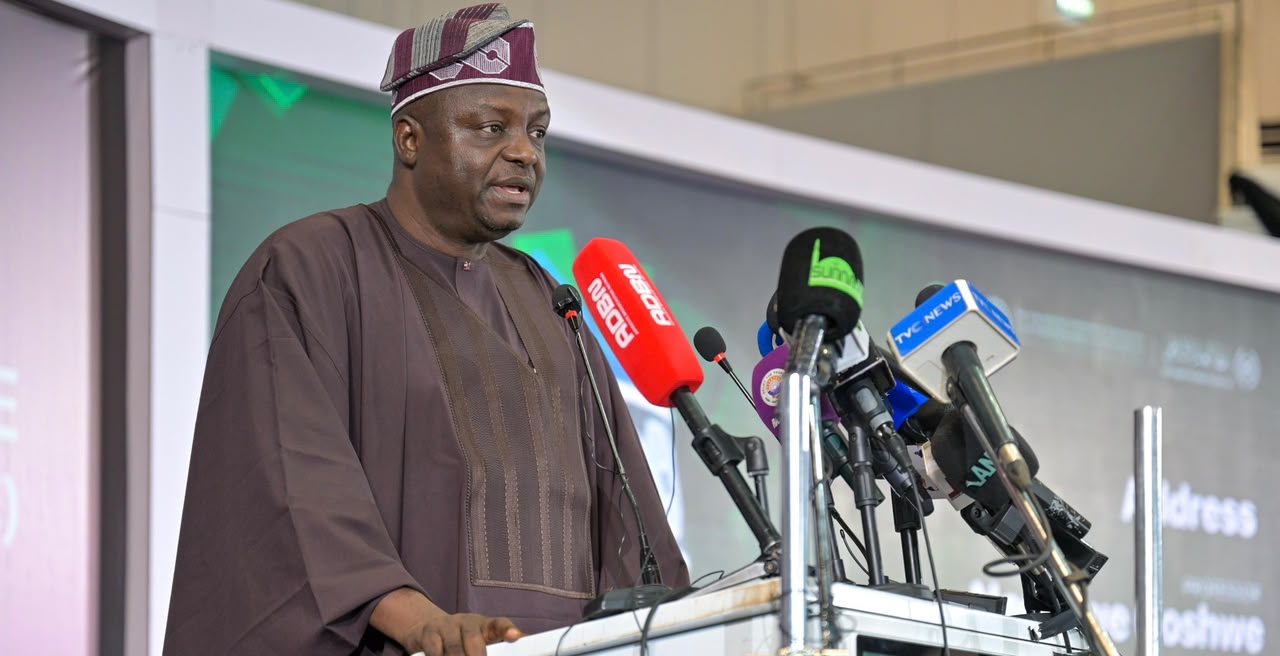
Drawing from his personal experience growing up in an environment where his Christian father maintained a close friendship with a Muslim chief imam, Yilwatda said relationships built around shared humanity could overcome religious differences.
He called on religious, political and traditional leaders to make reconciliation stronger than retaliation and dialogue stronger than suspicion. Yilwatda also urged Nigerians to challenge false claims about other ethnic or religious groups rather than reproducing them, particularly in an era when misinformation can spread rapidly through social media.
He called for a national commitment not to use religion to justify violence or hate speech and urged Nigerians to protect places of worship and vulnerable communities regardless of their faith.
The Minister of Information and National Orientation, Mohammed Idris, who spoke separately on the sidelines of the conference, said Nigerians must rise above religious, ethnic and political differences in confronting insecurity.
“If, in our fight against insecurity, we allow religious differences, it will only exacerbate the problem,” Idris said, urging Nigerians to work together as one people.
He said the diversity of participants at the conference demonstrated a shared recognition that Nigeria’s security, stability and prosperity depended on cooperation across religious, ethnic and political divides.
The minister also stressed that the conference was not organised by the Federal Government, but said the government welcomed initiatives that promoted interfaith dialogue, peaceful coexistence and national cohesion.
The conference’s focus on security was therefore closely tied to questions of development.
Speakers repeatedly linked insecurity to unemployment, poverty, weak social cohesion and the vulnerability of young people, arguing that security measures alone would not be sufficient without efforts to create opportunities and strengthen communities.
For JIBWIS, the Muslim World League partnership was also presented as a platform for sustained engagement beyond the conference itself, including education, dialogue and cooperation between religious communities.
The gathering also highlighted the importance of international partnerships in addressing challenges that increasingly cross national boundaries.
The Muslim World League’s participation brought an international Islamic institution into direct engagement with Nigerian political authorities, religious leaders and civil society stakeholders at a time when insecurity remains one of the country’s most pressing concerns.
The conference is scheduled to continue on Wednesday, followed by a national preaching session at the JIBWIS headquarters in Utako, Abuja.
But the significance of the meeting will ultimately depend on what follows the speeches.
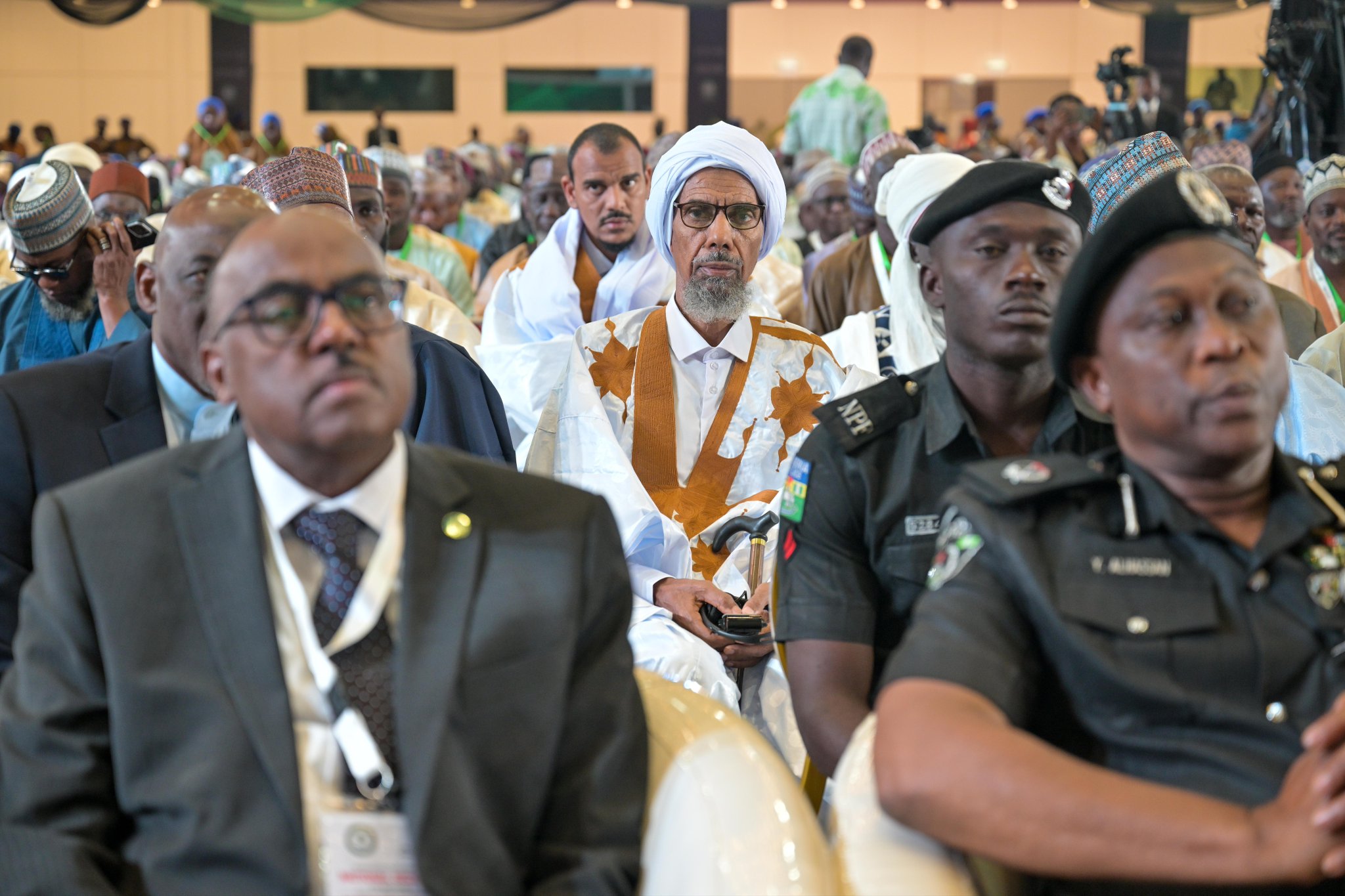
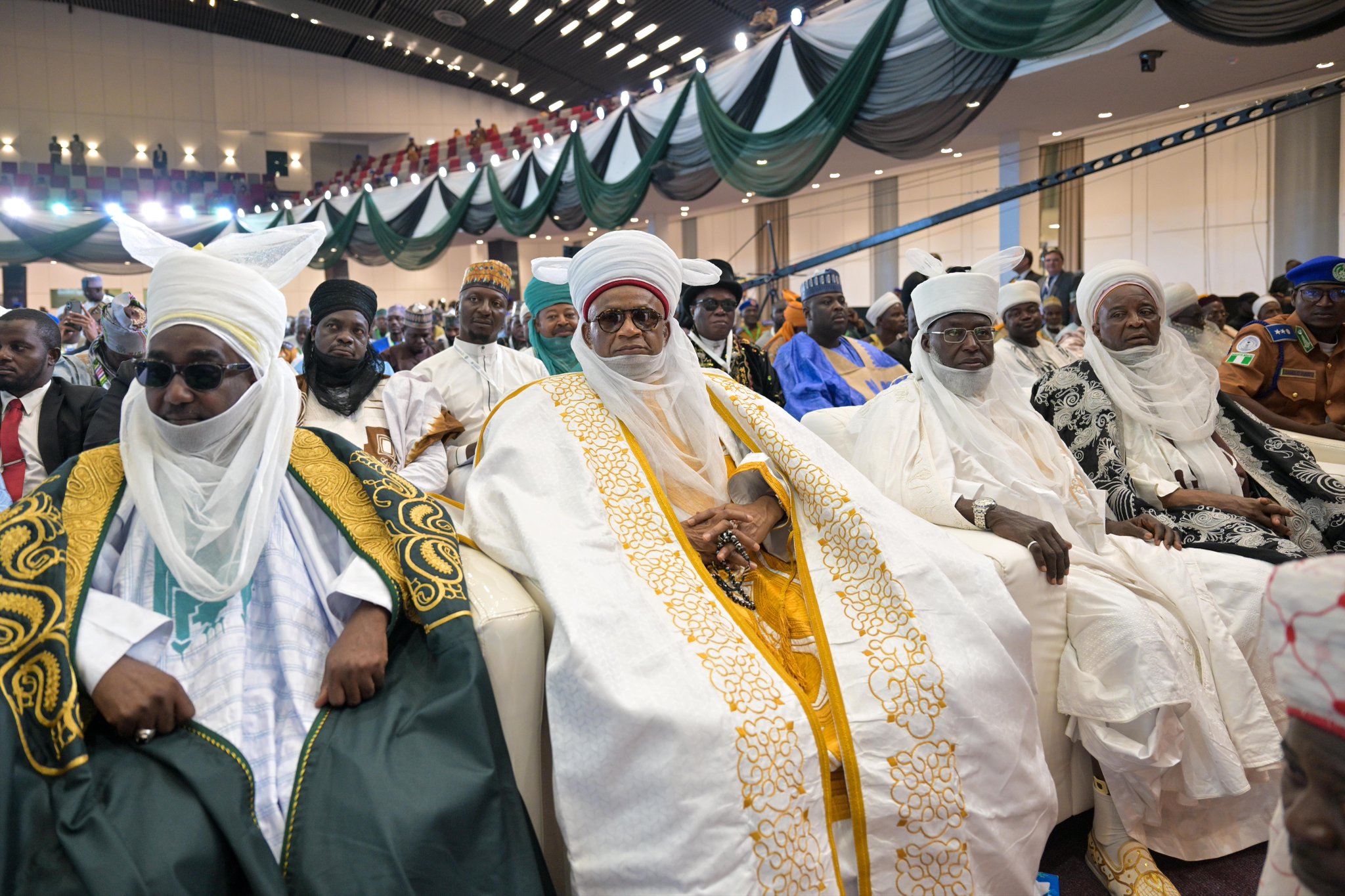
The challenge facing Nigeria is no longer simply whether its religious and political leaders can agree that peace is necessary. It is whether the cooperation, youth opportunities, interfaith dialogue and practical security measures discussed in Abuja can be sustained beyond the conference hall and translated into action in communities facing violence and insecurity.
For a country whose diversity is often described as both its strength and its vulnerability, the test will be whether that diversity can increasingly become part of the solution rather than another fault line in Nigeria’s security crisis.
More photos:


SPONSORED

SPONSORED

SONSORED
