

Imam Habou Omaru of Cameroon Presents Case for Security, Justice and Sustainable Development
Imam Habou Omaru Ali says terrorism, armed conflict, kidnapping and youth unemployment are undermining Cameroon’s development, calling for justice, dialogue and greater investment in young people.
By Abdullahi Yusuf
Cameroonian Islamic scholar Imam Habou Omaru Ali has called for a broader approach to national security that combines justice, good governance, youth empowerment and community engagement, warning that insecurity cannot be separated from the country’s socio-economic challenges.
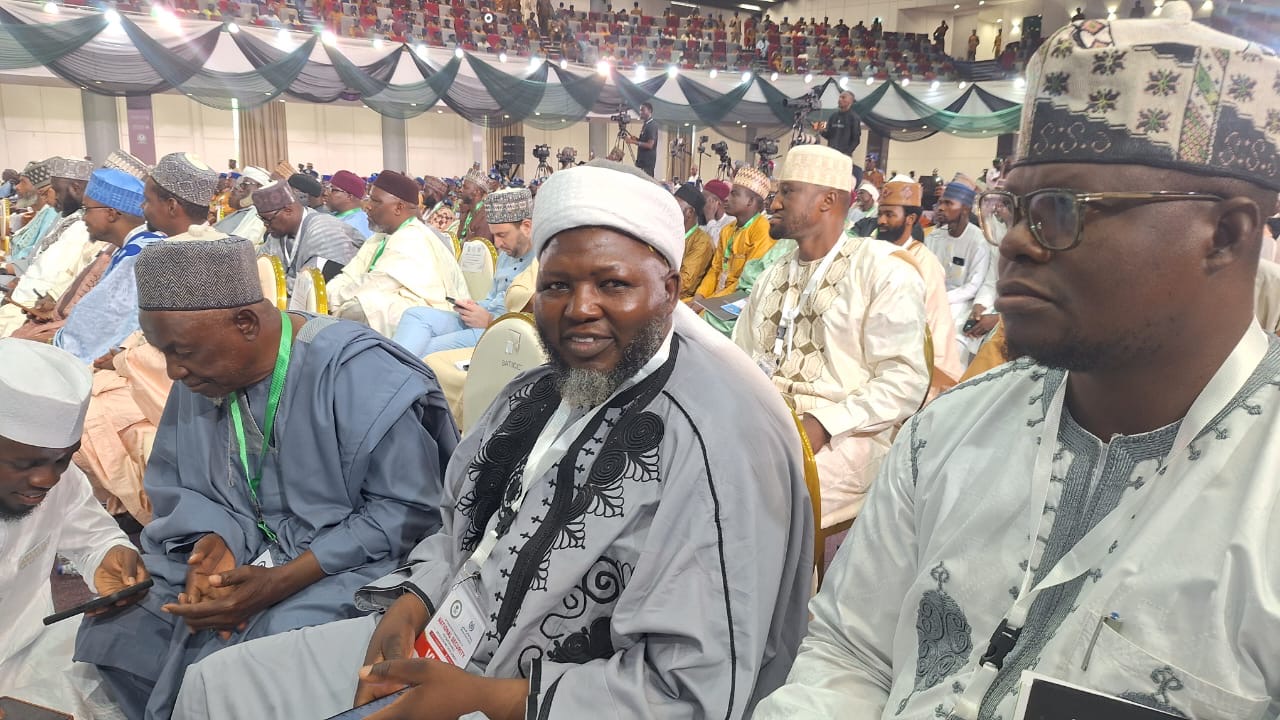
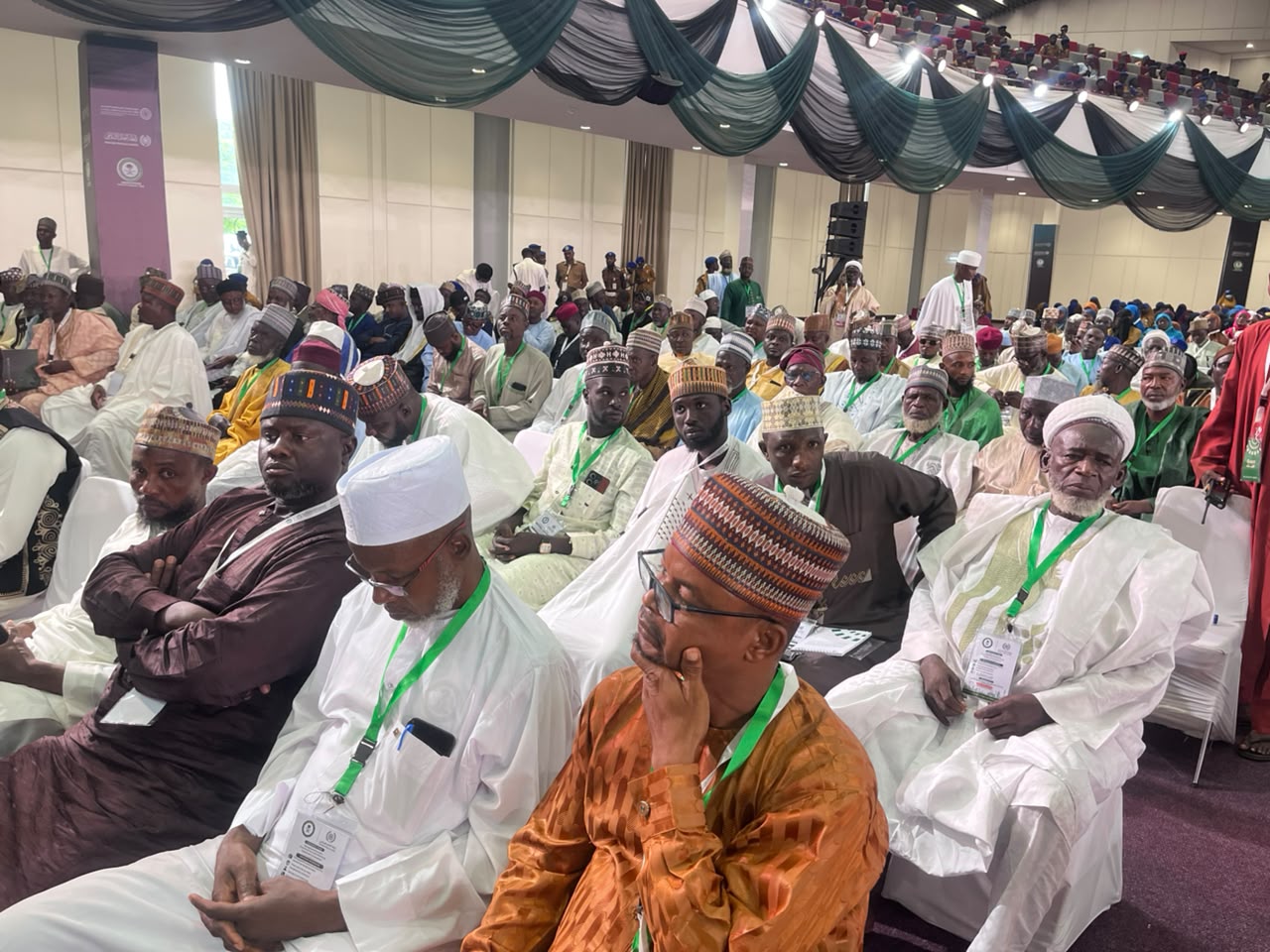
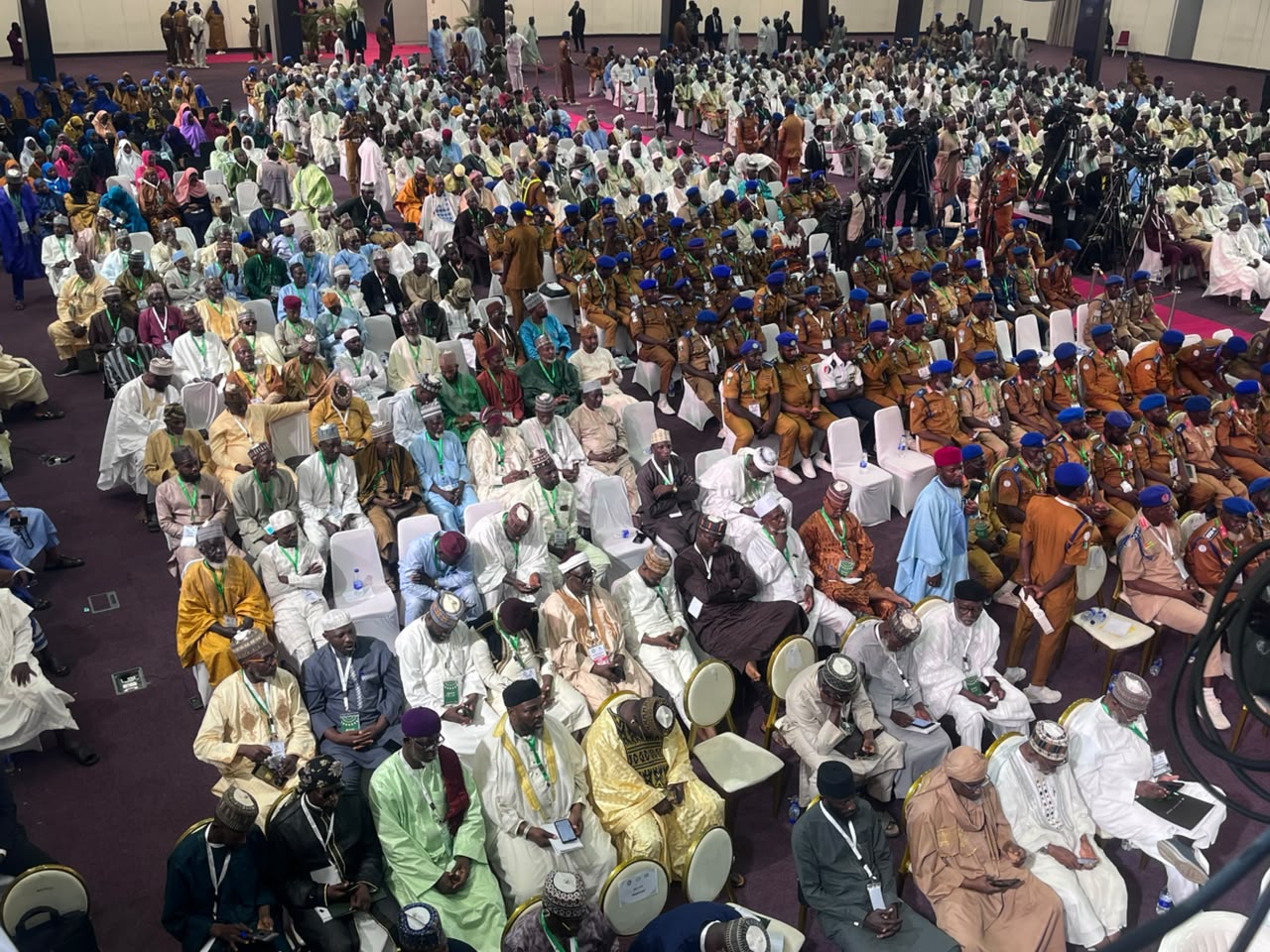
The imam, who is also a preacher at Masjidun-Nur Old Town Bamenda and director of the Ansaarur Rasool Institute for Training Preachers and Imams, made the call on Wednesday in Abuja while presenting a paper on “National Security and Sustainable Development in Cameroon” at the International Conference on National Security for Sustainable Socio-Economic Development.
Ali said Cameroon’s security challenges, including Boko Haram insurgency in the Far North, armed conflict in the North-West and South-West regions, kidnapping and organised urban crime, were having direct consequences for economic activity, education, healthcare and social cohesion.
He said insecurity had led to abandoned farms, closed businesses, displacement and growing poverty, while prolonged school closures in the North-West and South-West regions risked creating a lost generation.
The imam also linked youth involvement in gangs and armed groups to unemployment, broken families and a loss of social values, arguing that security responses must therefore go beyond military measures.
“Security is not only guns,” Ali said, advocating justice and good governance, stronger community engagement, youth skills and employment programmes, national dialogue and reconciliation as part of a comprehensive security strategy.
He urged religious leaders, traditional authorities and community stakeholders to use their influence to promote peace, unity and the rejection of extremism.

Ali also called for greater protection of schools, hospitals and places of worship, describing them as essential public institutions whose destruction undermines the country’s future.
He said sustainable development and security were mutually dependent, arguing that Cameroon could not achieve lasting economic and social progress without peace, justice and protection for its citizens.
“Cameroon is one nation. Our strength is in our diversity,” he said, calling for the country to be built around justice, security and responsible development.


Ali prayed for the restoration of peace in Cameroon’s Far North and North-West and South-West regions and urged leaders and citizens to work towards rebuilding rather than destruction.
Full presentation:
WORD PRESENTATION ON “NATIONAL SECURITY AND SUSTAINABLE DEVELOPMENT IN CAMEROON”
Presented by Imam Habou Omaru Ali, Cameroon.
Bismillahir Rahmanir Raheem. Alhamdulillah, wassalatu wassalamu ala Rasulillah.
Respected authorities, scholars and stakeholders, Assalamu Alaikum.
1. Concepts: National Security and Sustainable Development
National Security
National security is the protection of a nation’s citizens, territory, institutions and values from internal and external threats. It is not only military. It includes food, health, social cohesion and justice.
In Islam, security is one of the five Maqasid Ash-Shari’ah, the objectives of the law.
Allah says: “Who fed them against hunger and made them safe from fear.” [Qur’an 106:4]
Security and provision are the foundation of a stable society.
The Prophet (peace be upon him) said: “Whoever wakes up safe in his home, healthy in his body, and has provision for his day, it is as if he has been given the whole world.” [Tirmidhi]
Sustainable Development
This means development that meets present needs without compromising the ability of future generations to meet their own needs.
In Islam, it is called Imarah Al-Ard, building and cultivating the earth responsibly.
Allah says: “It is He who produced you from the earth and made you to dwell in it.” [Qur’an 11:61]
We are trustees of the land. Development must balance economy, society and the environment.
2. The Security Context in Cameroon
Cameroon today faces multiple security challenges that test our unity and progress.
Boko Haram in the Far North
Terrorism, suicide bombings and displacement violate the sanctity of life.
Allah says: “Whoever kills a soul… it is as if he had slain mankind entirely.” [Qur’an 5:32]
North-West/South-West Crises
Armed conflict, school closures and the displacement of more than 600,000 people have broken families and the social fabric.
The Prophet (peace be upon him) said: “A Muslim is one from whose tongue and hand other Muslims are safe.”
Hostage-taking and Kidnapping
In villages and on highways, kidnapping creates fear and destroys trust.
Islam forbids Hirabah, spreading terror on the roads and through violent robbery. [Qur’an 5:33]
Urban Organised Crime, the “Microbes” Phenomenon
Youth gangs in cities attack, steal and cause fear. This is a result of unemployment, broken homes and loss of values.
Impacts on Socio-Economic Development
Insecurity and development cannot exist together. The impacts are clear.
Economic: Farms are abandoned, businesses close, investors leave and poverty increases.
Allah says: “Do not cause corruption on the earth after it has been set right.” [Qur’an 7:56]
Social: Schools have been closed for years in parts of the North-West and South-West. Health centres have been attacked, while the number of orphans and widows increases. Mosques and churches have also been attacked, with religious authorities sometimes molested or killed.
Human Capital: Young people join gangs or armed groups because of hopelessness.
When there is no security, there is no peace. Without peace, there is no Taqaddum — progress.
Prospects for Improving Security Strategy for Sustainable Development
Security is not only guns. Islam teaches a comprehensive approach.
1. Justice and Good Governance
“Allah commands you to render trusts to whom they are due and when you judge, to judge with justice.” [Qur’an 4:58]
Justice removes the root causes of anger and rebellion.
2. Community Engagement and Religious Leadership
Imams, chiefs and scholars must preach peace and unity and reject extremism.
“Cooperate in righteousness and piety, but do not cooperate in sin and aggression.” [Qur’an 5:2]
3. Youth Empowerment and Jobs
Give youth skills, farms and businesses so “microbes” have no space. This is Sadaqatun Jariyah.
The Prophet (peace be upon him) taught a man to sell wood instead of begging.
4. National Dialogue and Reconciliation
Forgiveness and consultation — Shura. [Qur’an 3:159]
“Let them pardon and overlook. Would you not love that Allah should forgive you? And Allah is All-Forgiving, Most Merciful.”
5. Protecting Public Goods
Schools, hospitals and mosques must be neutral zones. Attacking them is attacking the future.
Conclusion
Respected brothers, there can be no sustainable development without security, and no true security without development and justice.
Cameroon is one nation. Our strength is in our diversity. Let us build it together with Adl — justice, Amn— security, and Imarah — development.
I pray Allah protects Cameroon, restores peace to the Far North and NOSO, guides our leaders, and makes us builders, not destroyers.
Wassalamu Alaikum Warahmatullahi Wabarakatuh.
SPONSORED

SPONSORED
