
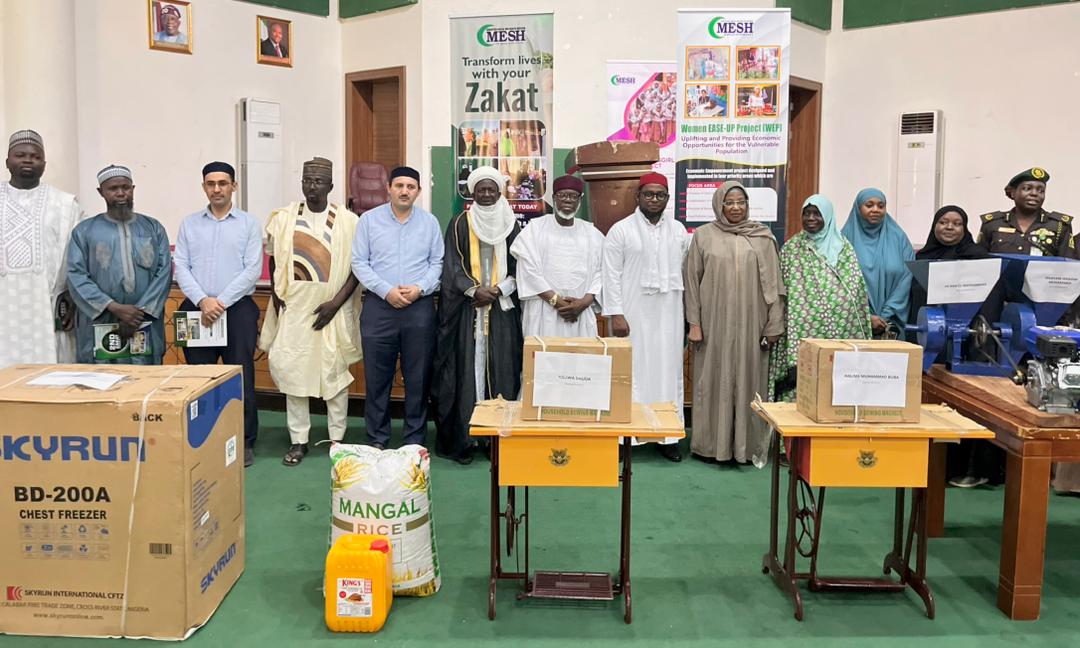
MESH Zakat Programme Empowers 1,600 Vulnerable Nigerians
Cash, business equipment and livelihood support were distributed to hundreds of vulnerable households as the NSCIA-backed humanitarian organisation expanded its annual Zakat initiative.
By Abdullahi Yusuf
More than 1,600 vulnerable Nigerians have benefited from a large-scale Zakat distribution programme organised by the Mission for Education, Social and Health (MESH), an intervention that organisers say reflects a shift from charitable relief to long-term economic empowerment through Islamic social finance.
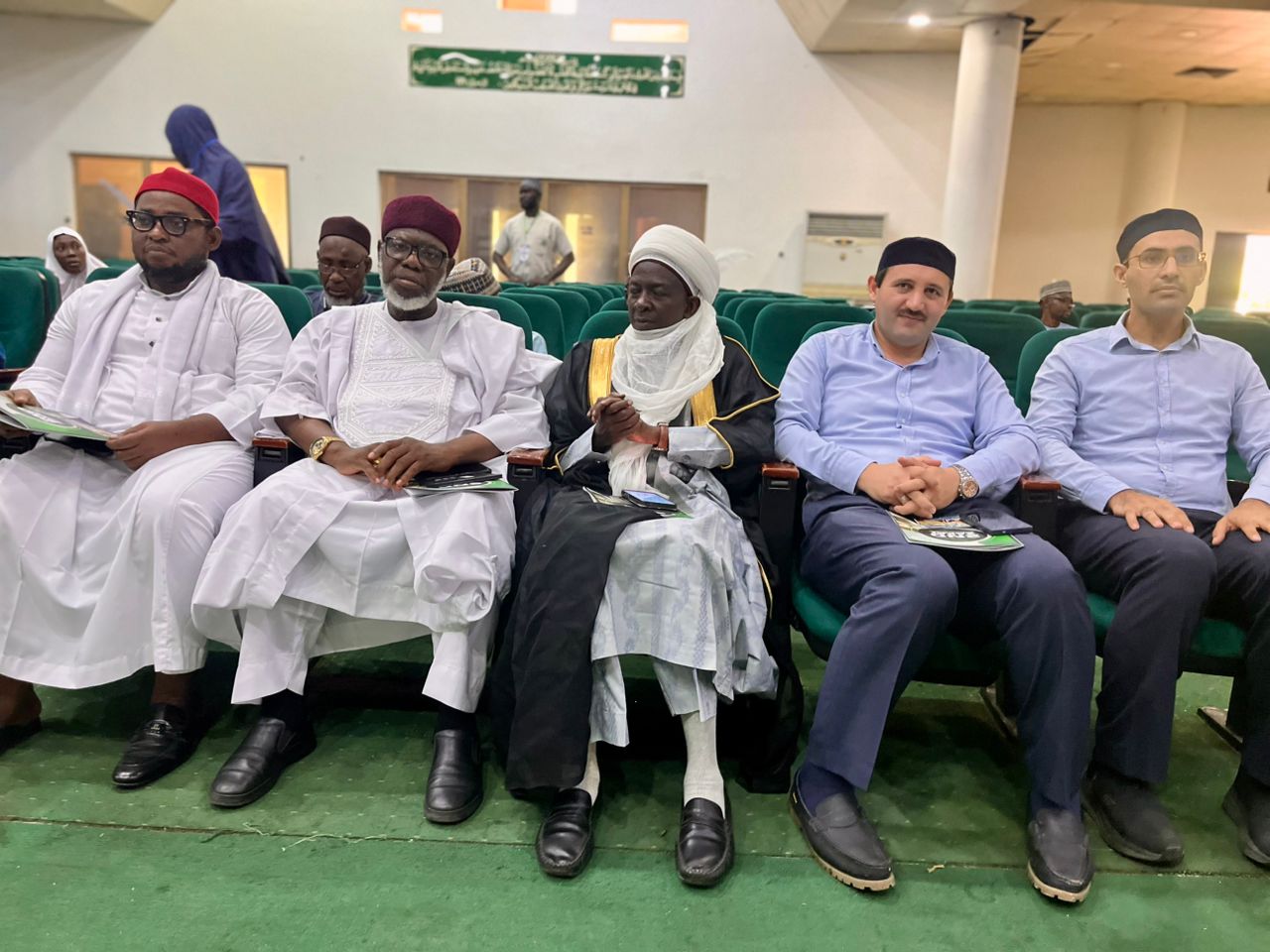
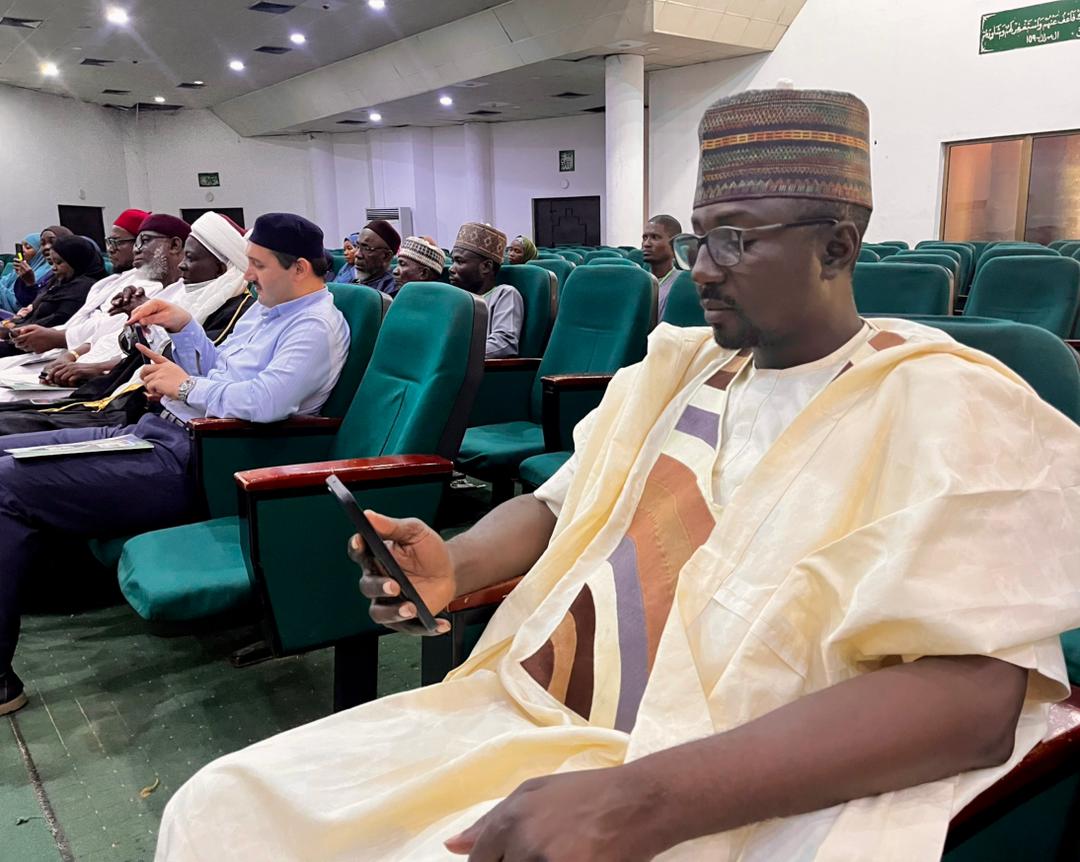
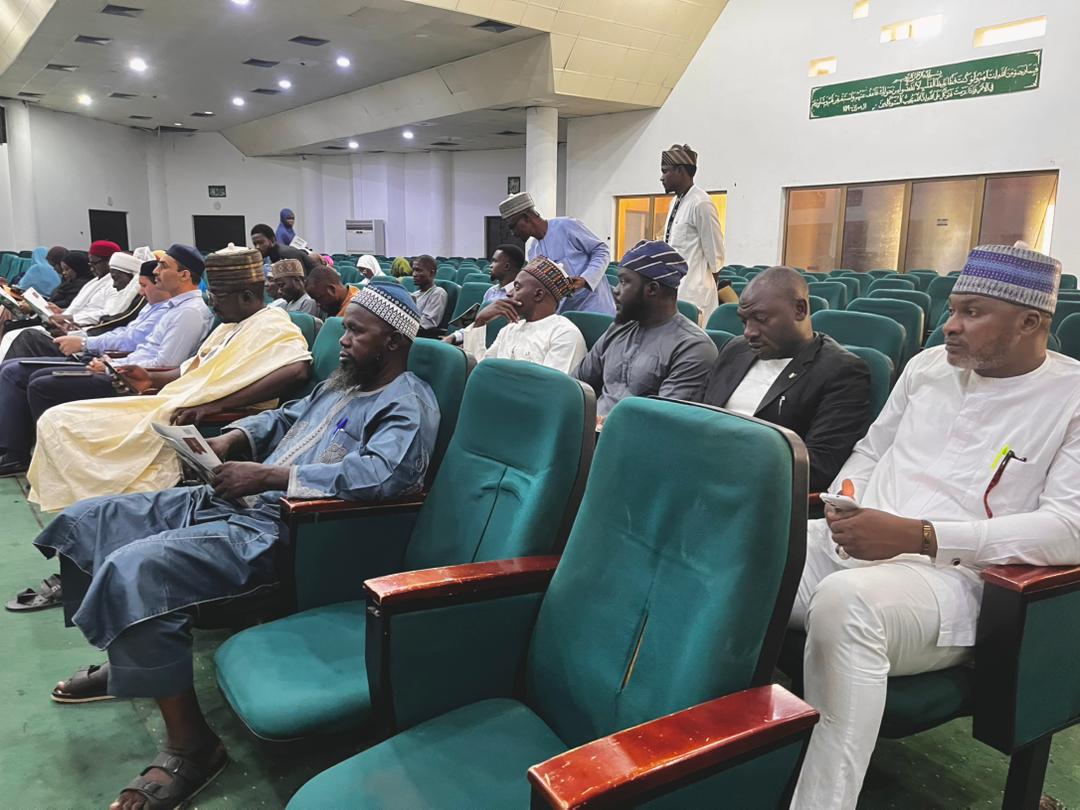
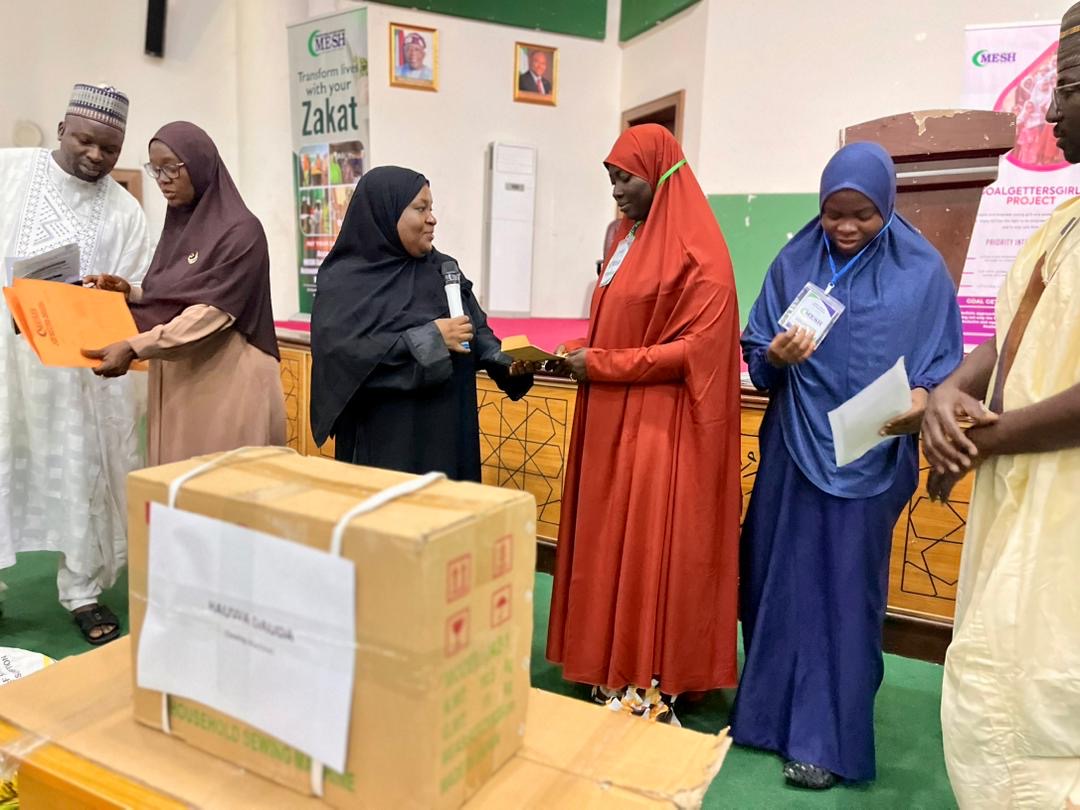
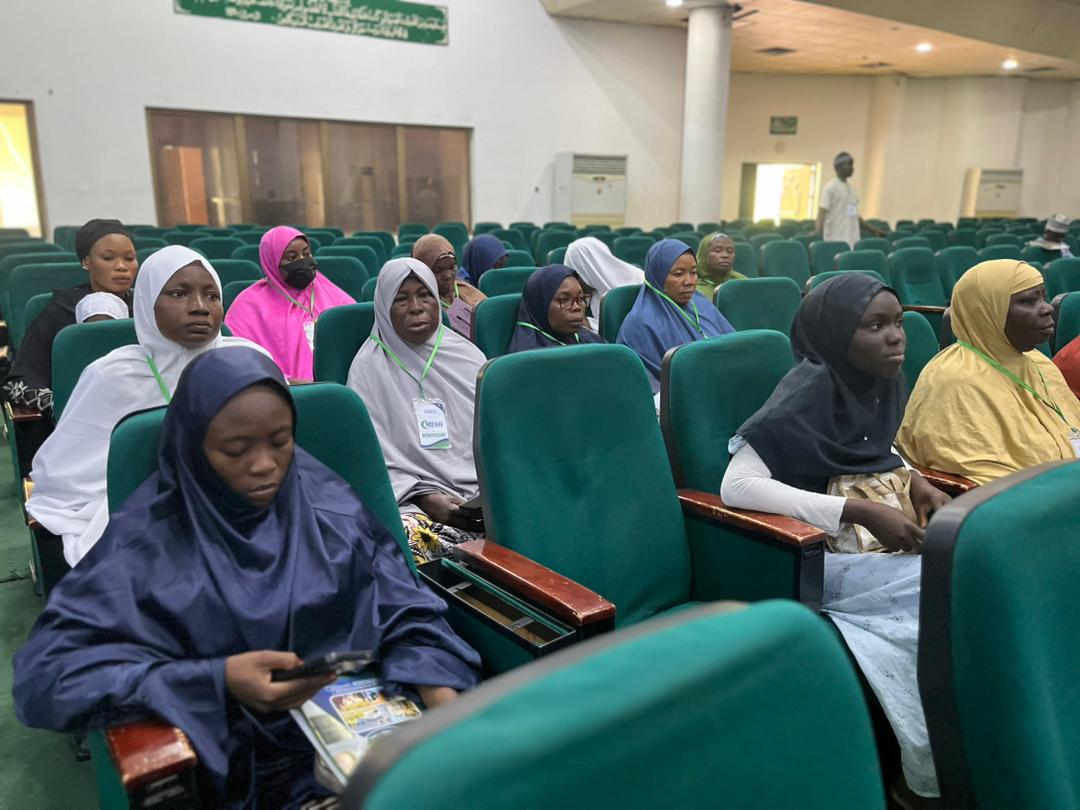
The second public edition of the annual Zakat Distribution Programme took place at the Conference Hall of the National Mosque, Abuja. The initiative, coordinated by MESH the humanitarian arm of the Nigerian Supreme Council for Islamic Affairs (NSCIA), saw beneficiaries receive cash support alongside business tools and income-generating equipment designed to improve livelihoods and reduce dependence on charity.
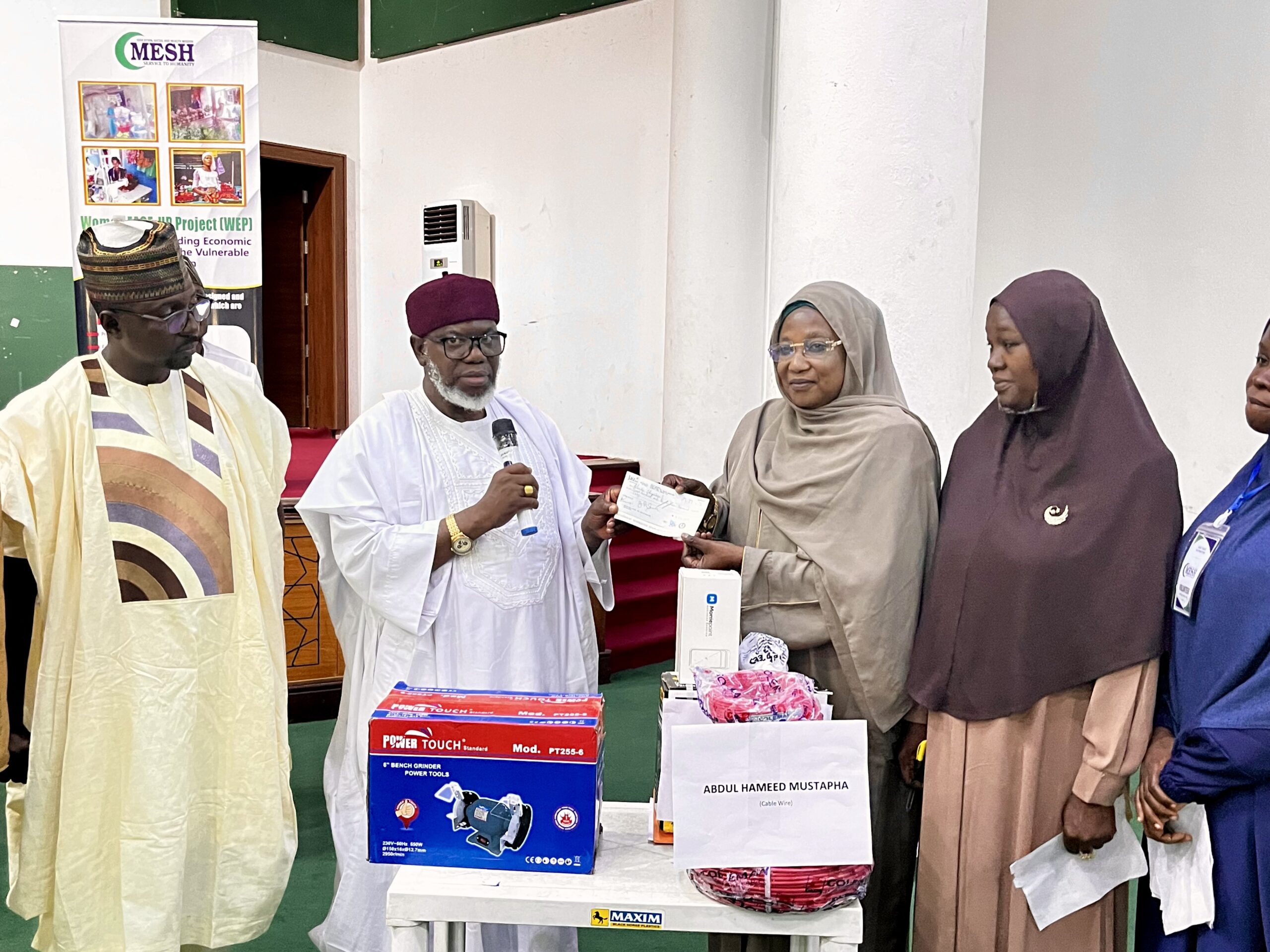
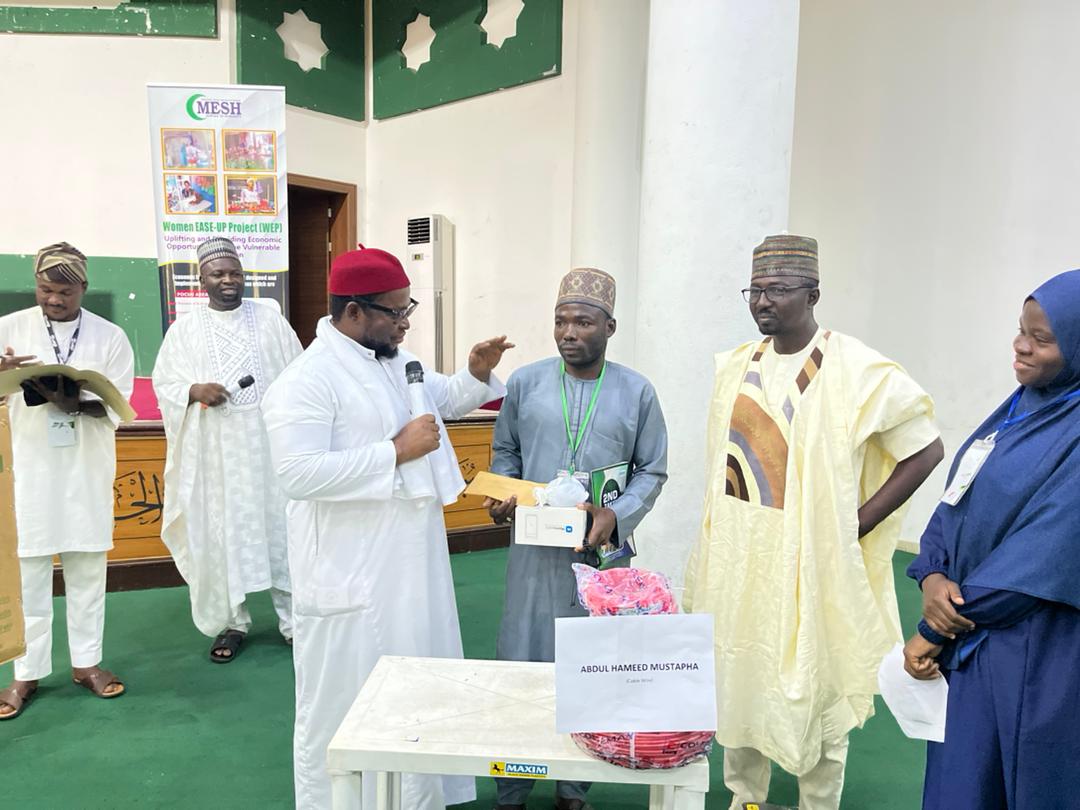
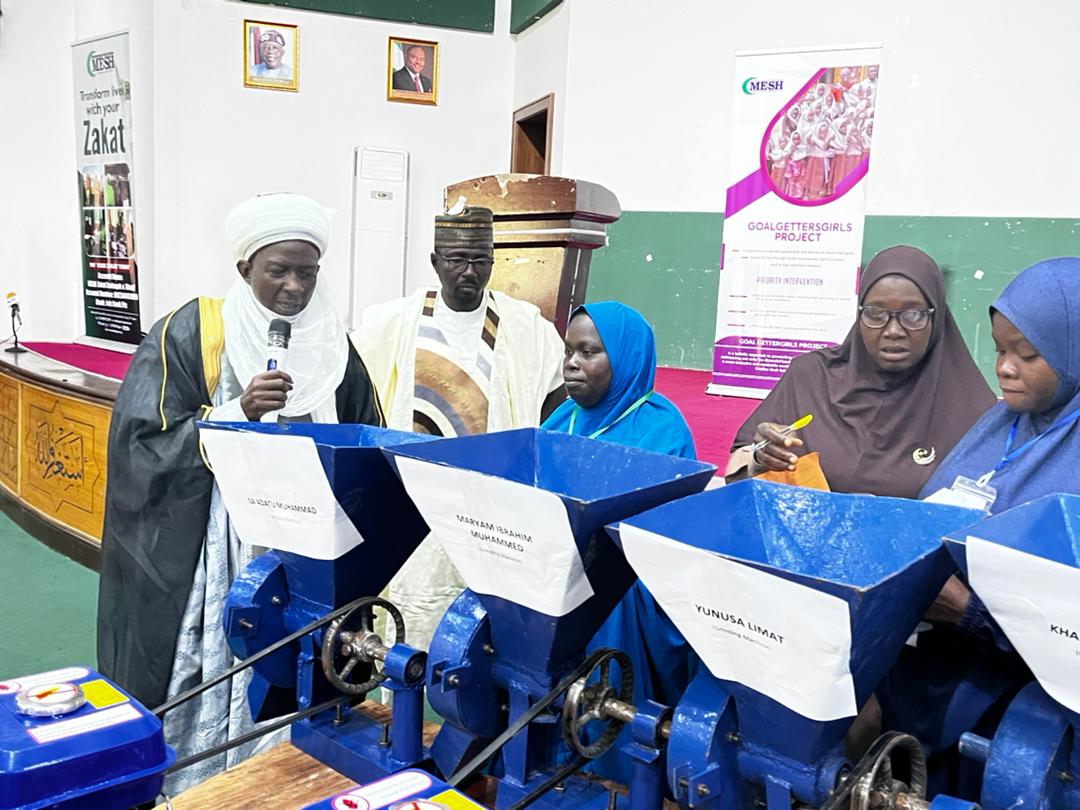
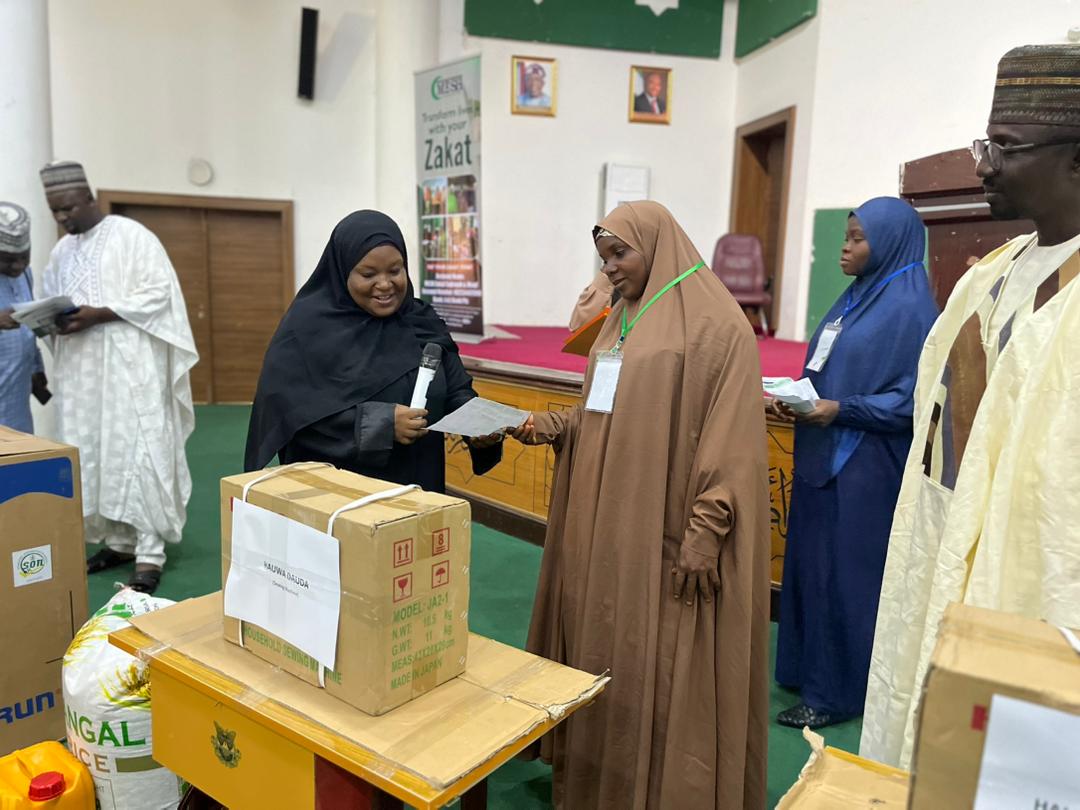
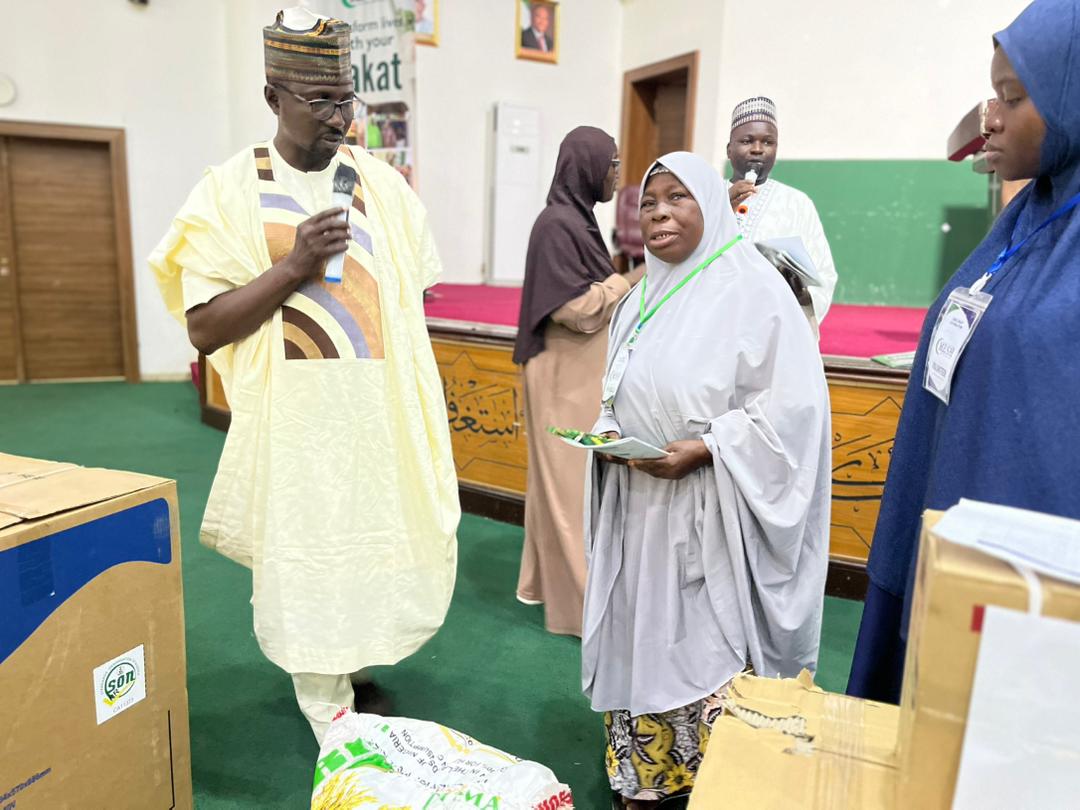
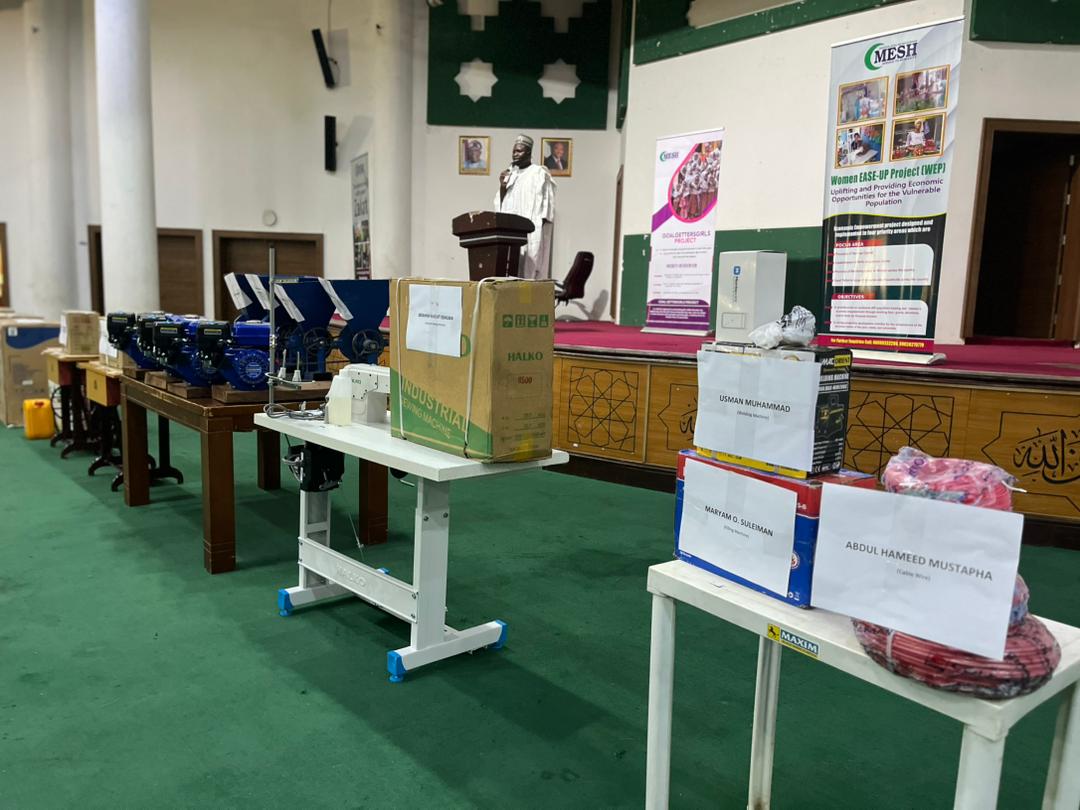
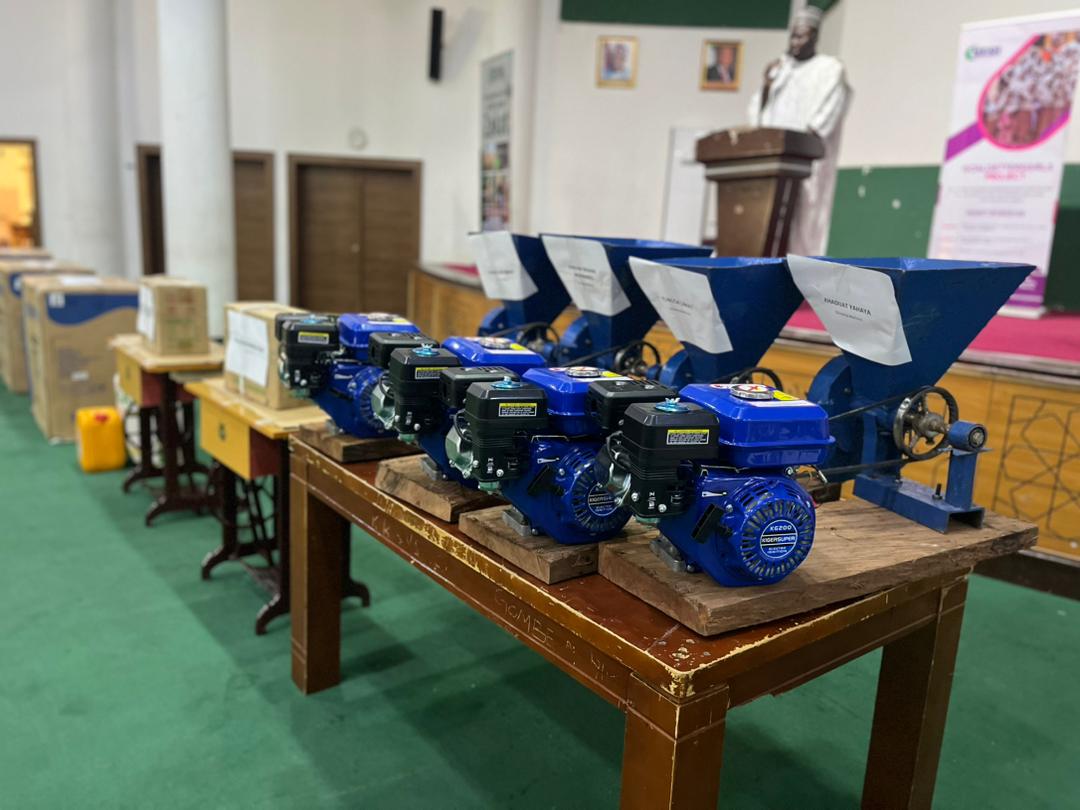
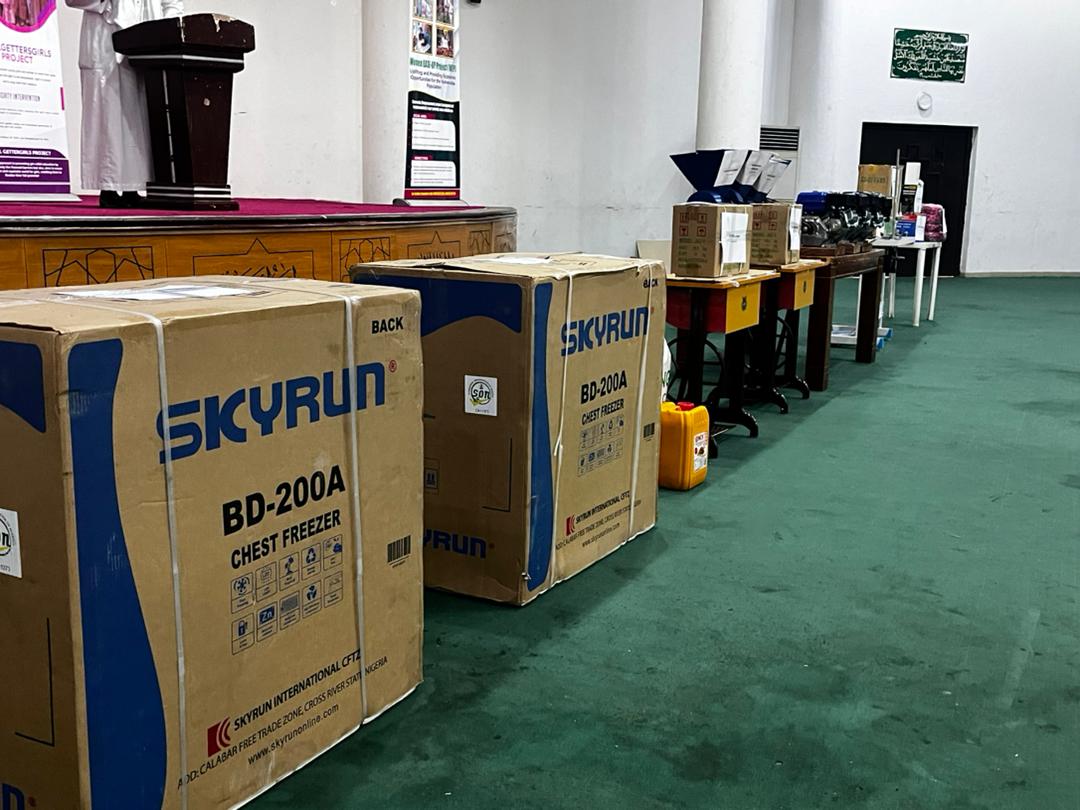
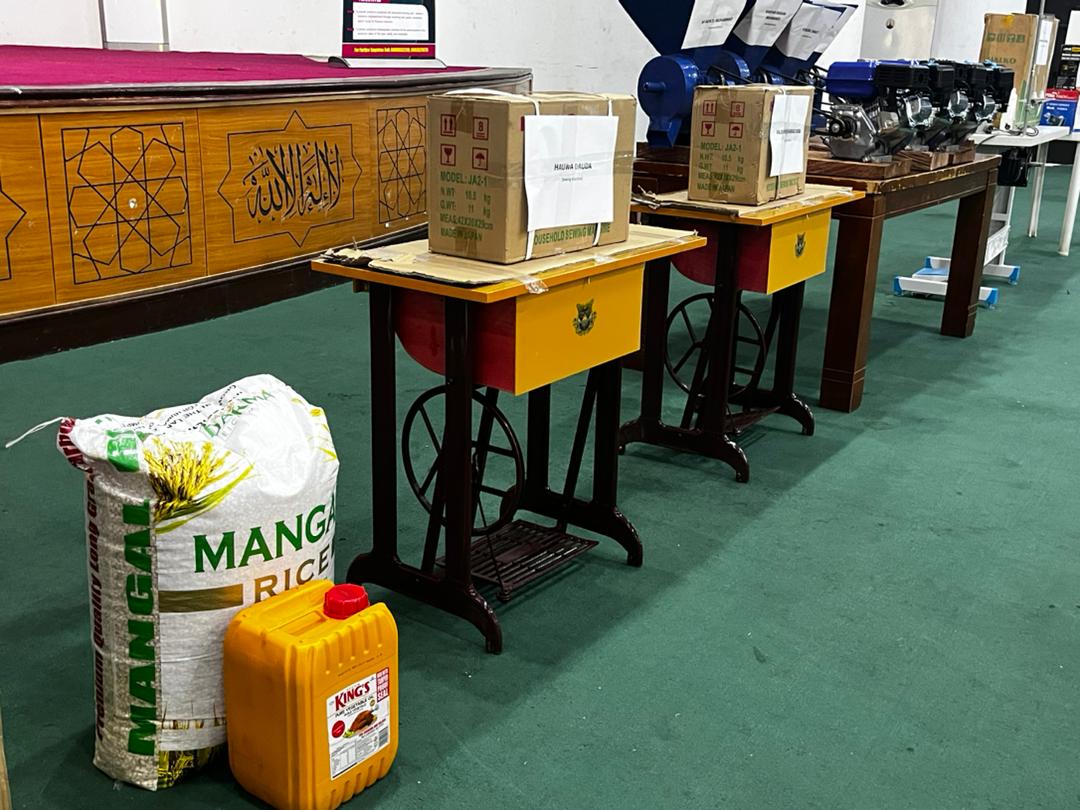
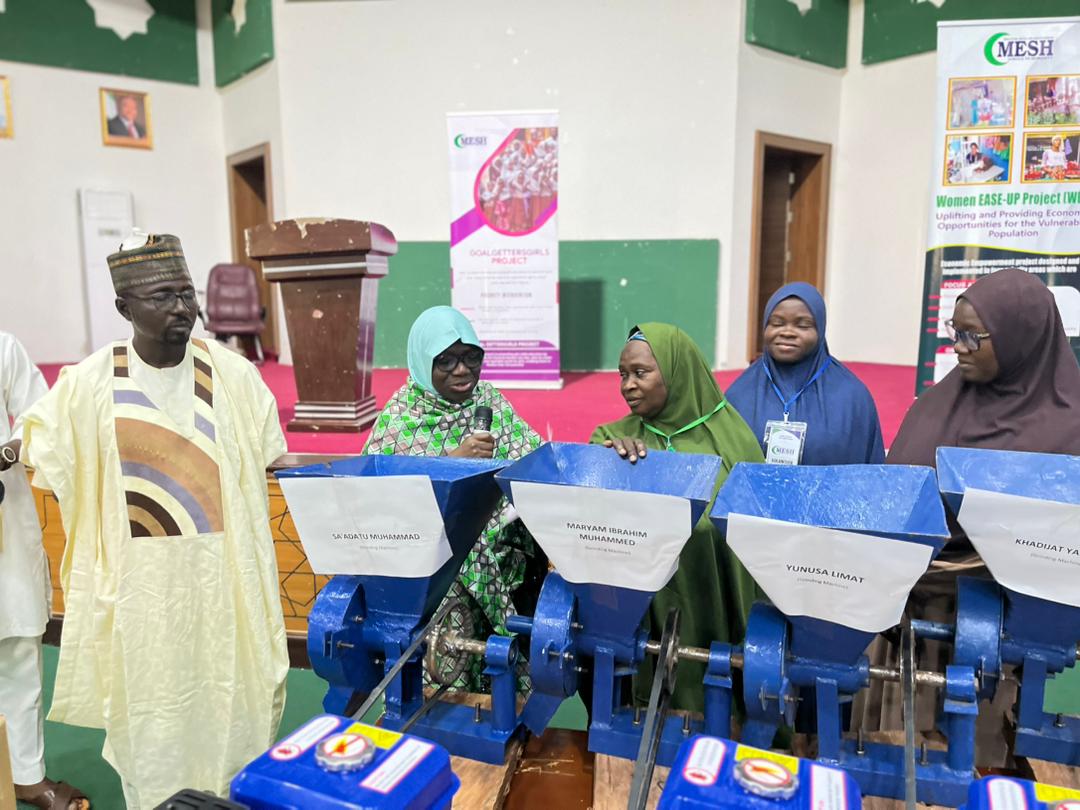
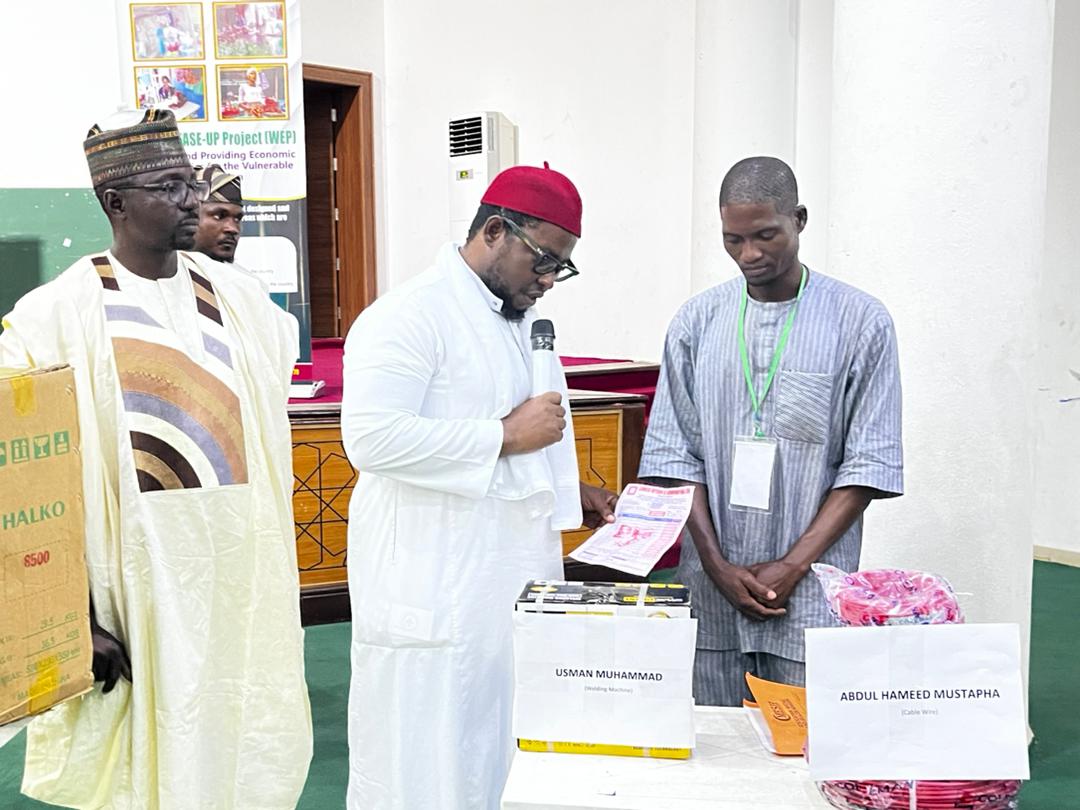
Items distributed included refrigerators, tailoring machines, grinding machines, Point of Sale (POS) machines, welding equipment, food items, business capital and other vocational tools intended to help recipients establish or expand small enterprises.
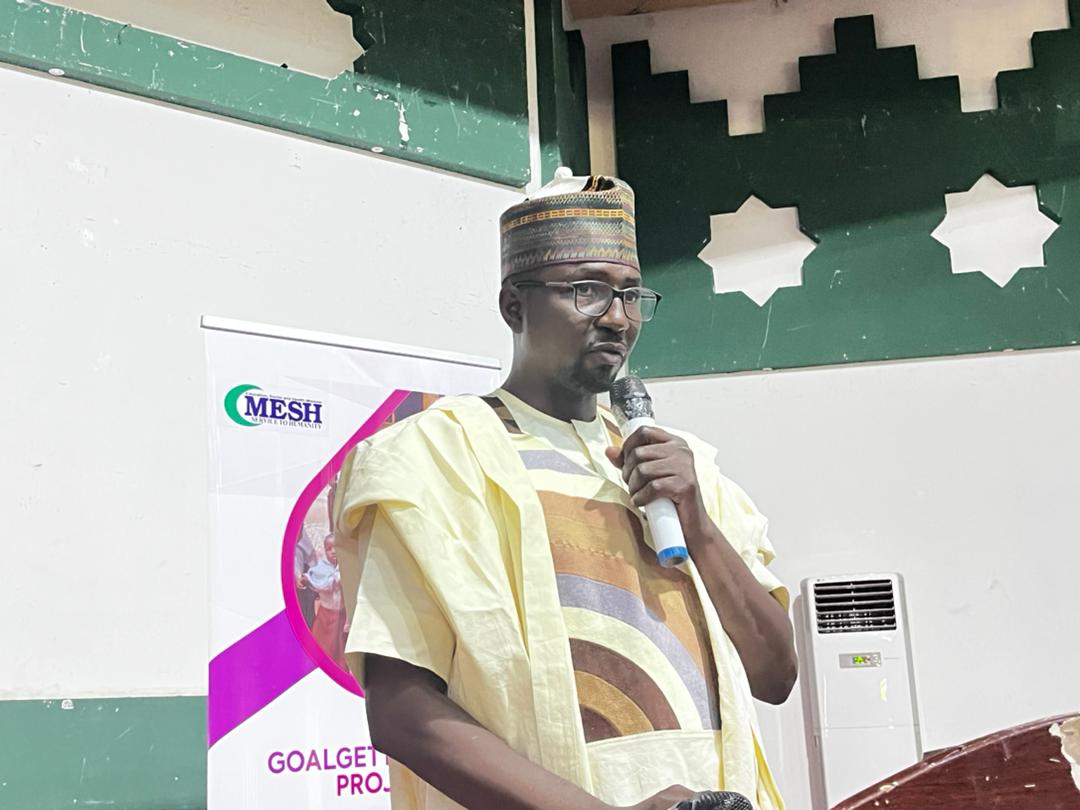
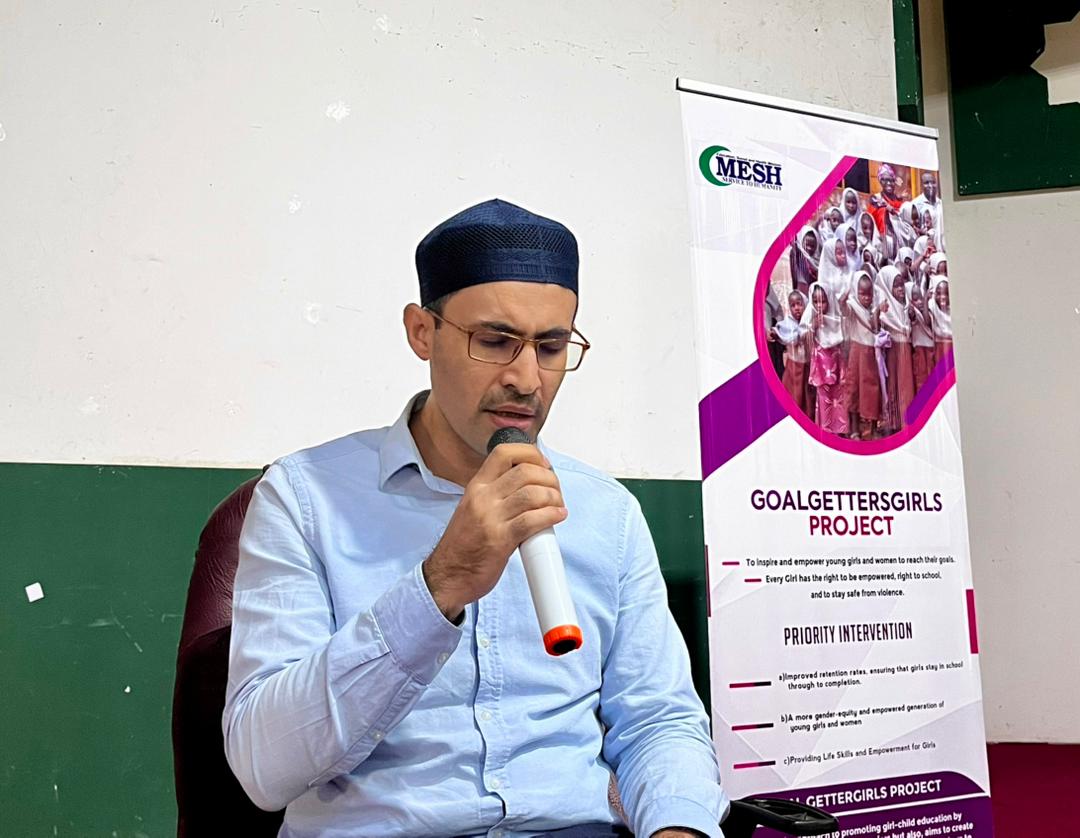
Speaking at the ceremony, the Chief Executive Officer of MESH, Dr. Aminu Hayatu, disclosed that no fewer than 1,600 indigent individuals and families had benefitted from the programme, adding that the organisation adopted a transparent selection process involving various partner organisations and community groups.
According to him, widows, persons living with disabilities and economically disadvantaged individuals formed the core target of the intervention.
“We identify vulnerable groups through credible partners and agencies, while our monitoring and evaluation framework enables us to assess how beneficiaries utilise the support and provide guidance where necessary,” he said.
Dr. Hayatu explained that although MESH regularly carries out private Zakat interventions across Nigeria, the public ceremony was organised to demonstrate accountability, encourage existing donors and inspire new contributors to support humanitarian programmes aimed at reducing poverty and inequality.
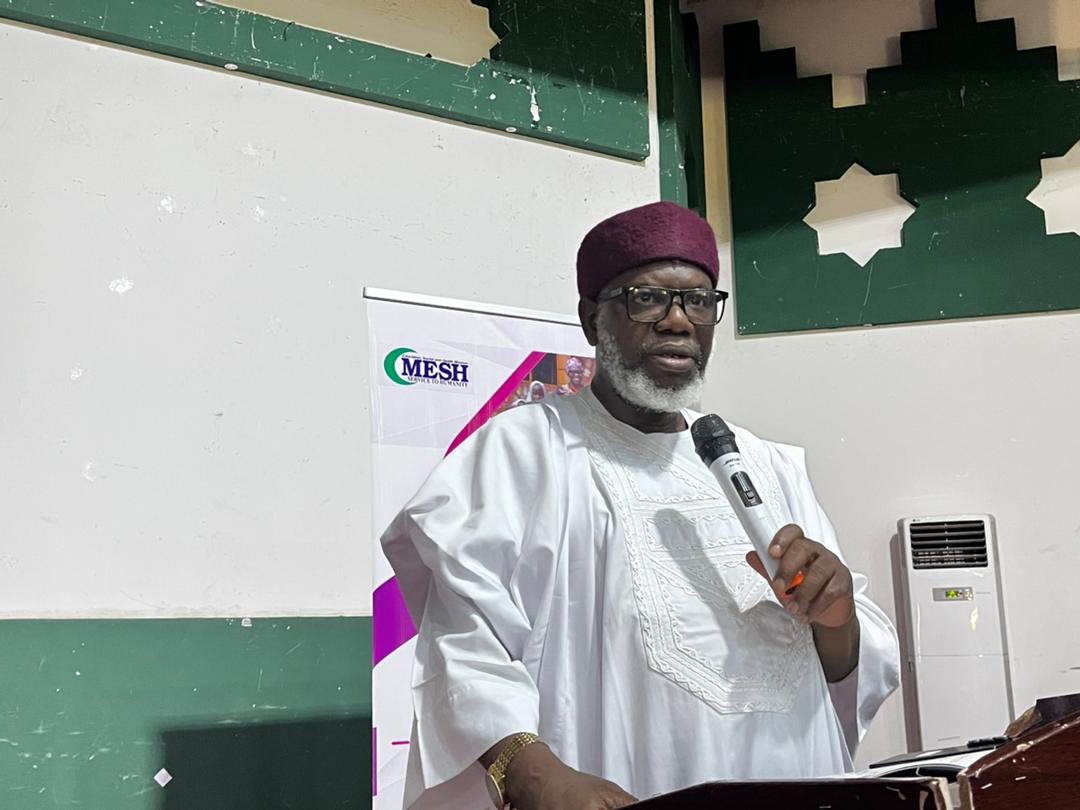
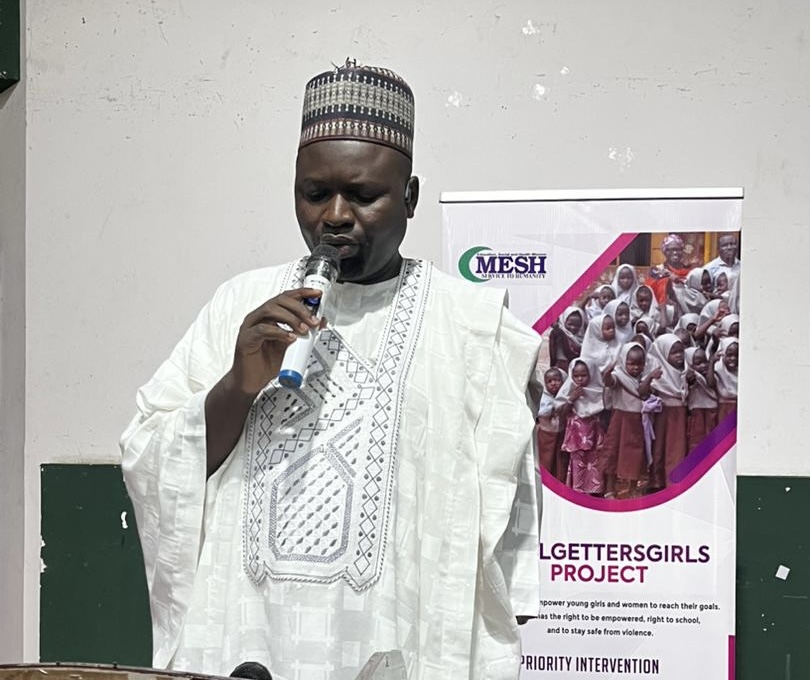
The Chairman of MESH Board of Trustees, Alhaji Rasaki Oladejo, represented by the Overseer of MESH and Deputy Secretary-General of NSCIA, Professor Salisu Shehu, described Zakat as one of Islam’s most effective instruments for social justice and economic redistribution.
He said the institution of Zakat was established to ensure that wealth circulates fairly within society and that vulnerable members of the community are not abandoned.
“Zakat is not merely an act of charity; it is a divine obligation designed to promote equity, reduce poverty and strengthen social cohesion,” he told participants.
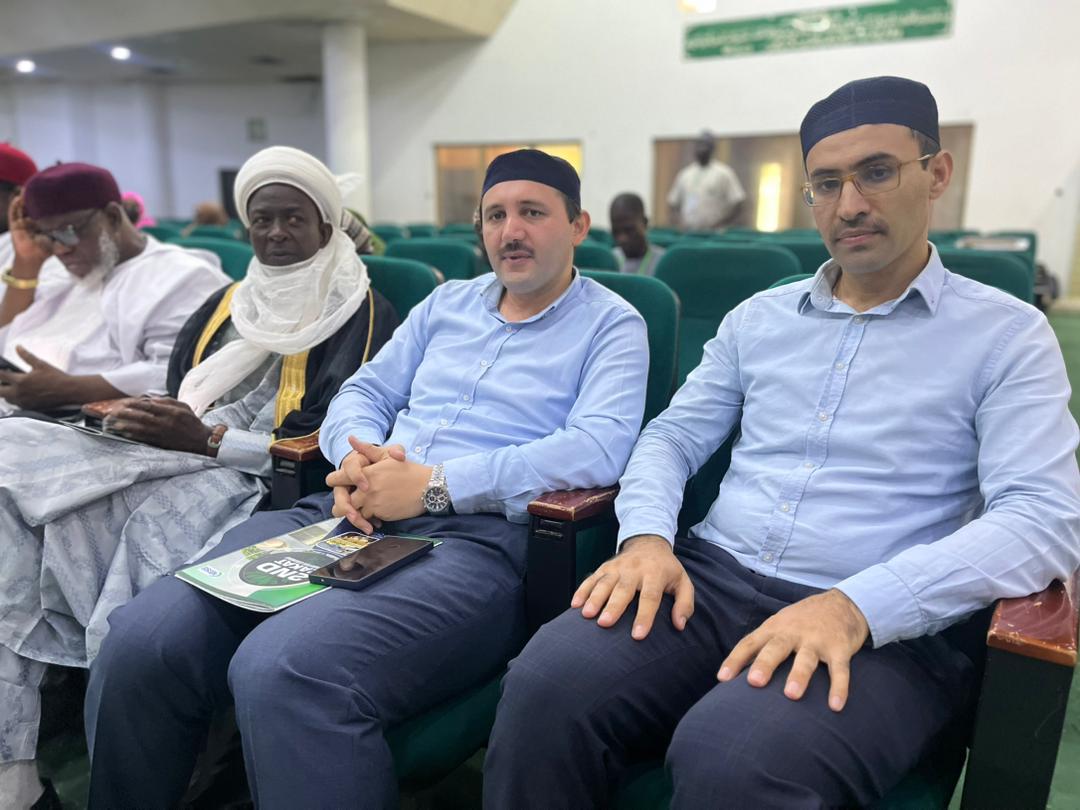
Professor Shehu recalled that the first edition of the programme was implemented across the Federal Capital Territory, Jigawa and Ogun States, benefiting more than 1,000 people, while the current exercise focused primarily on residents of the FCT.
He added that the broader objective was to restore dignity and economic independence to beneficiaries, expressing hope that many recipients would eventually become future donors through voluntary charity and community service.
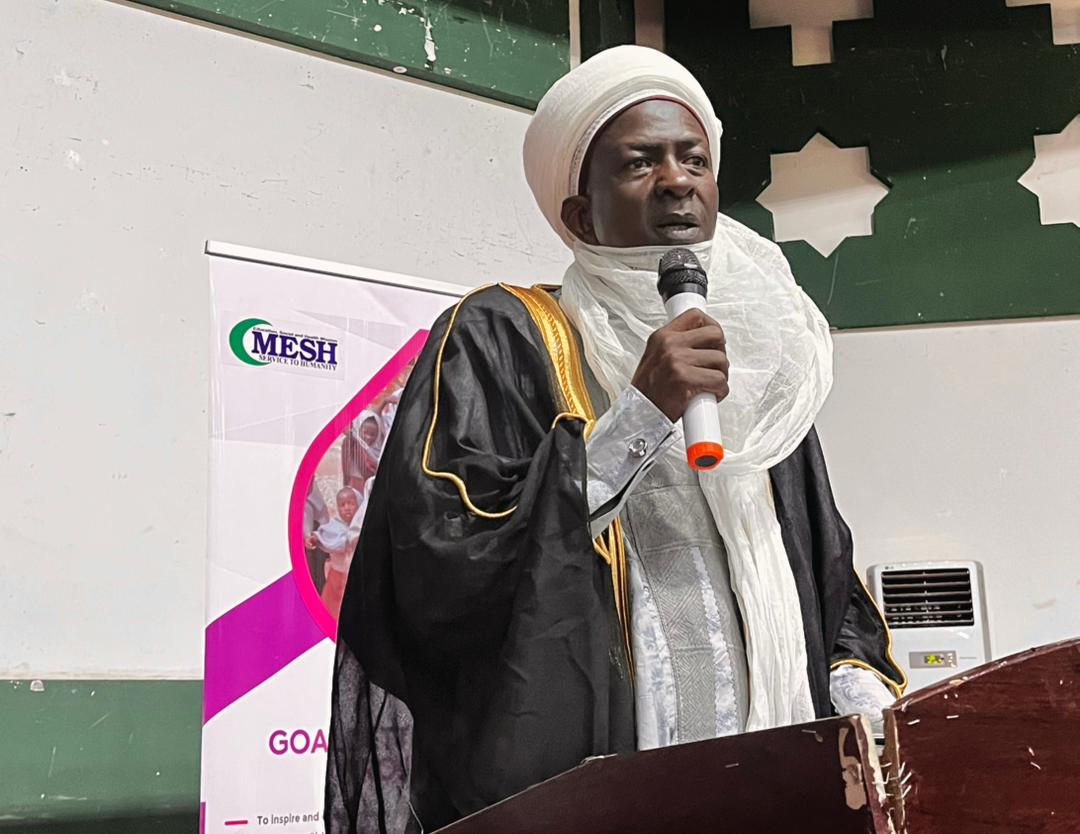
Chairman of the occasion, His Highness Mallam Muhammad Lawal Maidoki, the Sadaukin Sokoto, argued that Nigeria’s poverty challenge could be significantly reduced if Zakat, Waqf and other forms of organised charitable giving were strengthened and institutionalised nationwide.
He urged wealthy individuals and organisations to embrace structured philanthropy as an effective tool for addressing poverty, unemployment and insecurity.
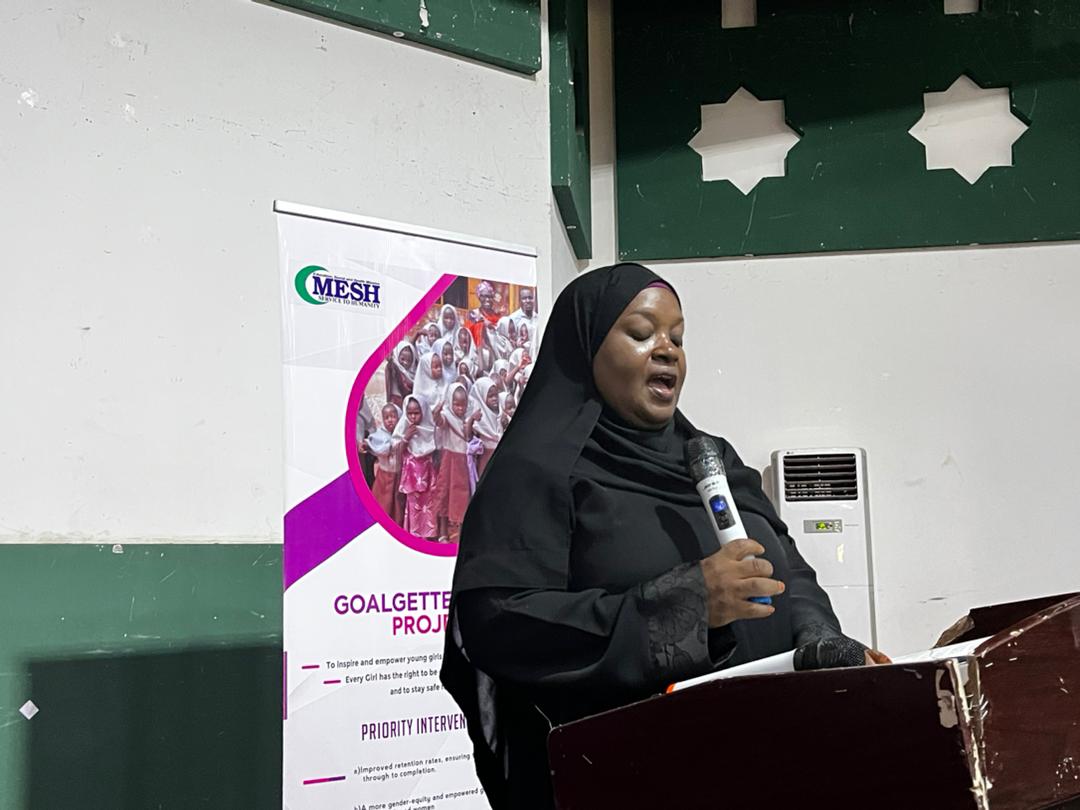
Representing the Attorney-General of the Federation and Minister of Justice, Lateef Fagbemi (SAN), Assistant Chief State Counsel Hajiya Madina Hassan commended MESH for sustaining programmes that address educational, health and social welfare challenges affecting vulnerable Nigerians.
She said the initiative reflected the nation’s collective responsibility to ensure that no citizen is left behind.
“Through acts of charity and solidarity, we create opportunities for families and young people to live with hope, dignity and purpose,” she said.
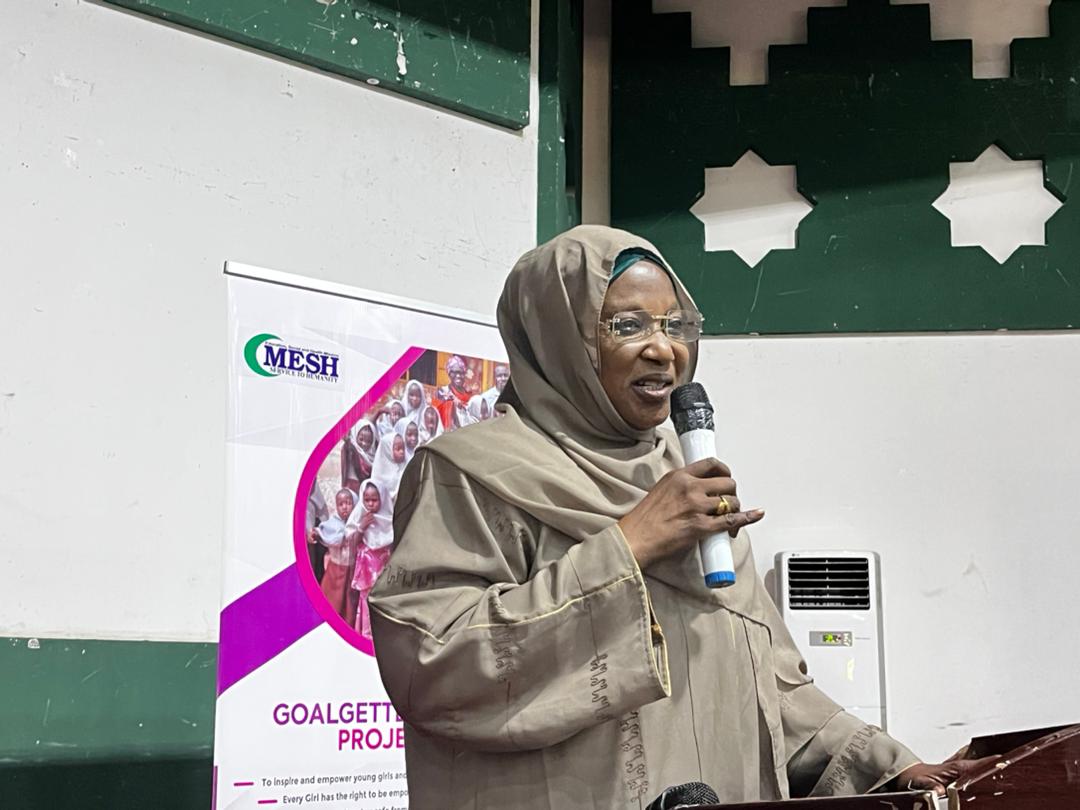
The representative of the Controller-General of the Nigerian Correctional Service, Sylvester Ndidi Nwakuche, MFR, mni, also praised the organisation’s humanitarian interventions, noting that support for vulnerable persons, including correctional facility inmates and their families, contributes significantly to social rehabilitation and national development.
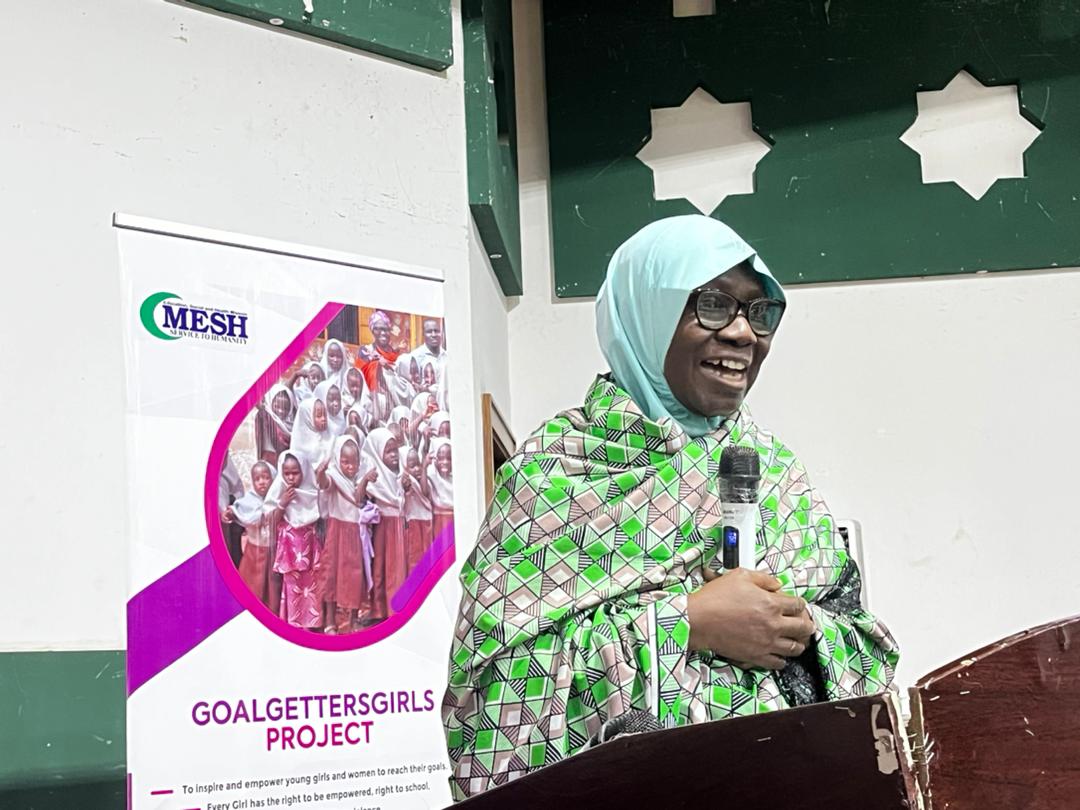
Similarly, Hajiya Habiba Ahmad, representing the Executive Director and Chief Imam of Al-Habibiyyah Islamic Society, Imam Fuad Adeyemi, delivered a goodwill message commending MESH’s commitment to humanitarian service and social inclusion.
Beyond the public ceremony, data released by MESH illustrated the growing impact of its Zakat programme.
Between 2024 and 2026, the organisation invested over ₦62 million across education, healthcare, women empowerment and social intervention programmes, directly benefiting 1,670 Nigerians.
Women empowerment accounted for the largest financial allocation, receiving nearly half of the total investment through business start-up capital and livelihood support for over 200 beneficiaries.
Health interventions reached the highest number of people, assisting more than 1,200 individuals with medical support and healthcare access, while educational assistance enabled over 200 students to pay school fees and examination costs.
The programme also supported legal aid and rehabilitation initiatives benefiting vulnerable citizens, including correctional facility inmates.
Mallam Usman Muhammad, who received a welding machine during the distribution ceremony, expressed gratitude to the organisers, praying for Allah’s continued blessings upon the organisation and its donors. He said the equipment would enable him to rebuild his livelihood and eventually support others facing hardship.
Established by the Nigerian Supreme Council for Islamic Affairs (NSCIA) in 2017, MESH serves as the Council’s humanitarian and development agency, implementing projects in education, healthcare, social welfare, economic empowerment and human rights advocacy for both Muslims and non-Muslims across Nigeria through partnerships with local and international organisations.
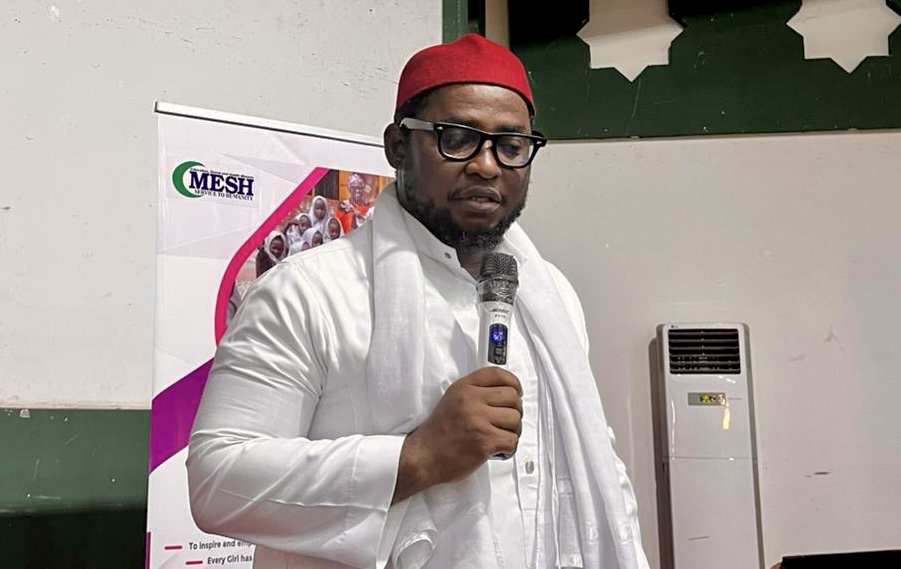
More from the Zakat distribution:
SPONSORED

SPONSORED

SONSORED
