
Israel-Lebanon Conflict Casts Shadow Over New Iran-US Talks
Says negotiations in Switzerland will proceed, but accuses Israel of threatening regional stability as violence in Lebanon tests a fragile diplomatic opening with Washington.
By Abdullahi Yusuf
Iran has announced that its technical talks with the United States will begin in Switzerland as planned, while warning that continued Israeli military strikes in Lebanon and US failures to enforce commitments could derail the fragile diplomatic process.
Iranian officials said the country’s negotiating delegation would travel to Switzerland for discussions mediated by Pakistan and Qatar, but Foreign Ministry spokesperson Esmail Bagahei cautioned that meaningful progress would depend on Washington fulfilling its obligations.
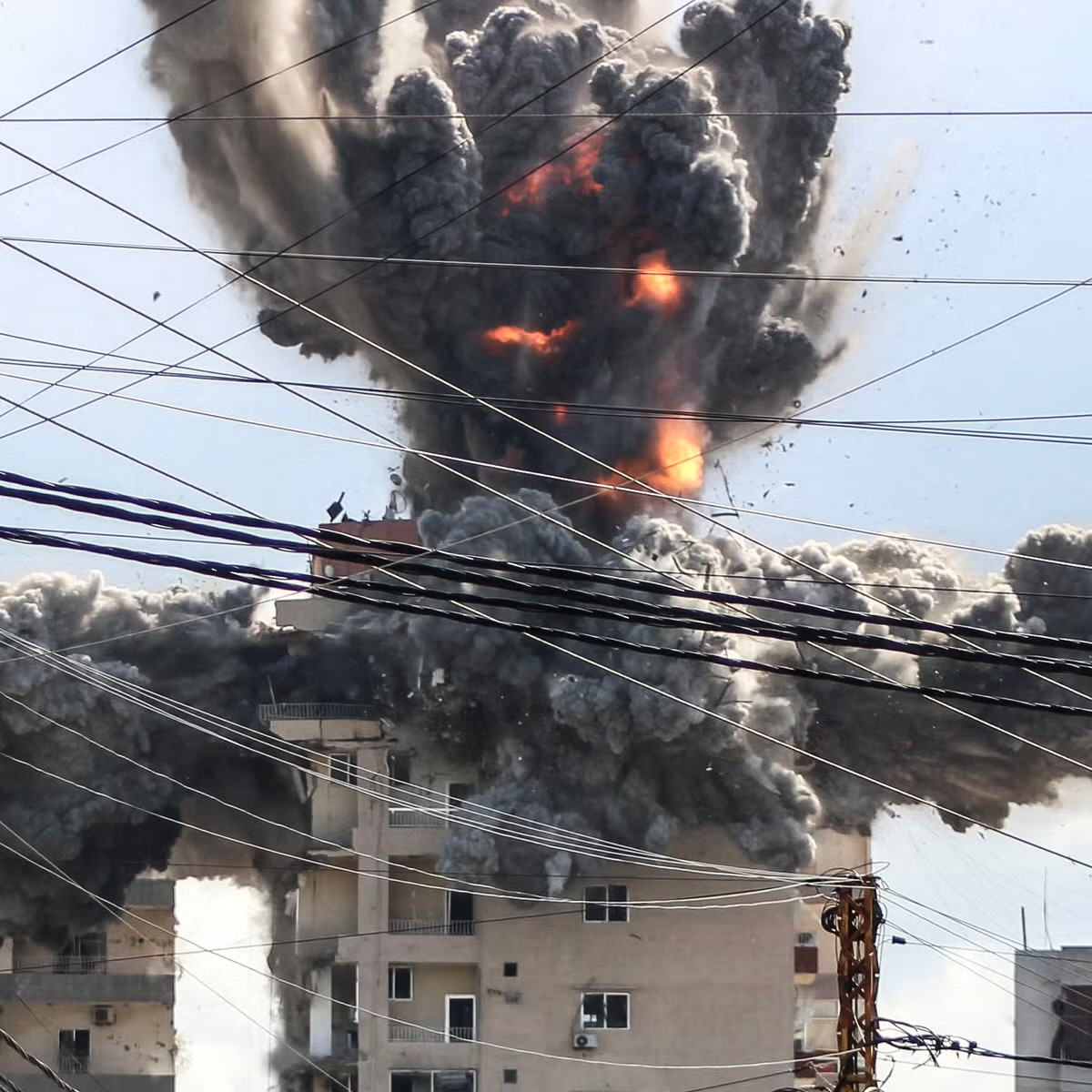
The talks come amid escalating violence in Lebanon, where Israeli strikes have continued despite international calls for restraint.
Tehran accused Israel of undermining regional stability through continued attacks and said the situation had raised serious doubts over the future of the interim understanding with Washington.
Iran’s military command announced that the Strait of Hormuz had been closed, citing Israel’s ongoing strikes and the United States’ failure to stop the bombardment. Iranian officials warned that further measures could follow if attacks continued.
Pakistan confirmed that technical-level discussions would begin in Burgenstock, Switzerland, with Qatari representatives also participating in the mediation process. US officials said senior negotiators were already in Switzerland preparing for the talks.
The diplomatic efforts have unfolded against the backdrop of continued Israeli strikes in southern Lebanon. Lebanese authorities said Israeli attacks killed at least 16 people, including children, after strikes hit Nabatiyeh and surrounding areas.
Lebanon’s health ministry said the death toll from the latest strikes by Israel had exceeded 4,000, with thousands more injured or displaced since hostilities intensified.
Residents in southern Lebanon reported heavy Israeli air bombardment, with aircraft flying over populated areas and strikes damaging homes and killing civilian residents. Many residents questioned whether any ceasefire arrangement could survive while attacks continue.
Hezbollah said it remained committed to the ceasefire but accused Israel of repeated violations. The movement said it would respond to Israeli attacks while maintaining its stated commitment to the agreement.
Israel has claimed that its operations are aimed at targeting Hezbollah positions, while Lebanese officials and humanitarian groups have repeatedly reported about the deadly impact of continued strikes on civilians and essential services.
The conflict has also increased international concerns over energy security, as tensions surrounding the Strait of Hormuz threaten global oil and gas supplies.
Experts of US policy in the region argue that Washington’s continued military and political backing for Israel has contributed to prolonged instability, worsening humanitarian suffering and preventing lasting diplomatic solutions.
The latest talks are viewed as a critical test for international efforts to prevent further escalation across the Middle East, with Lebanon’s worsening security situation threatening to undermine broader negotiations.
SPONSORED

SPONSORED

SONSORED
