

Imam Tajudeen: Peace Begins With Allah, Extends to Family, Society and State
Chief Imam Oyebanji says lasting peace must begin with the individual and extend through families and communities to the state, drawing on the Qur’an, Sunnah and the story of Prophet Yusuf
By Abdullahi Yusuf
Peace in Islam begins with the individual and extends through the family and community to the wider society and state, Imam Tajudeen Sheikh Oyebanji, Chief Imam of Prince and Princess Estate, Abuja, and JIBWIS South-Western Coordinator, has said.


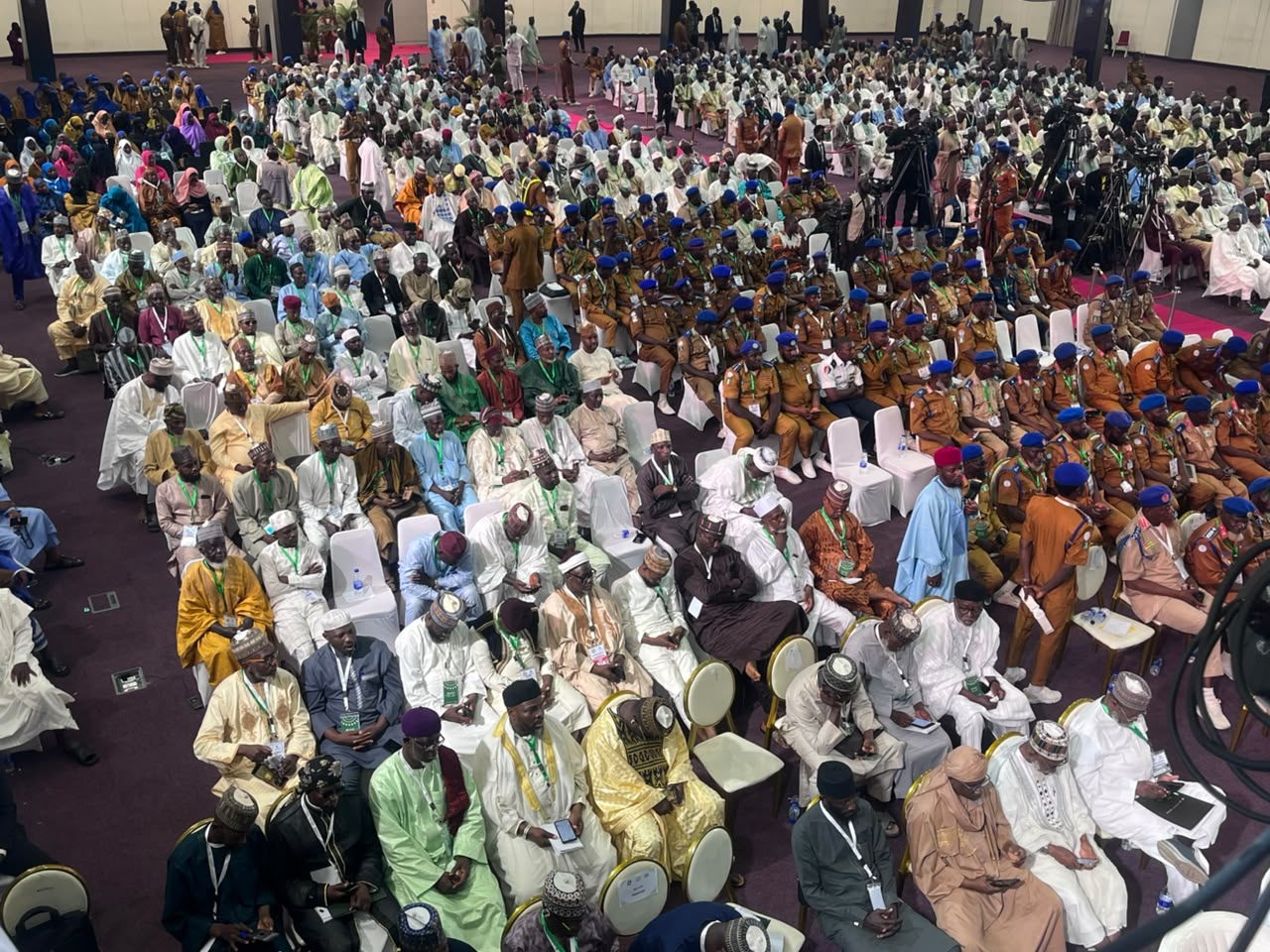
Speaking at the international conference on national security, diversity and sustainable socio-economic development organised by Jama’atu Izalatil Bid’ah wa Iqamatis Sunnah (JIBWIS Nigeria) in partnership with the Muslim World League in Abuja, Oyebanji said peace was not merely the absence of conflict but a condition rooted in faith, justice, good character and responsible leadership.
In his presentation, he drew on the Qur’an, Sunnah and teachings of the Salaf to examine peace at the individual, family, community and national levels, arguing that security cannot be sustained without justice, accountability and the welfare of citizens.

He also used the story of Prophet Yusuf to illustrate how forgiveness can break cycles of hostility and restore relationships, saying the ability to forgive when one has the power to retaliate represents one of the highest forms of strength.
Below is the full presentation:
Peace in Islam: From the Individual to the State
By Imam Tajudeen Sheikh Oyebanji, PhD
Chief Imam, Prince and Princess Estate, Abuja
JIBWIS South-Western Coordinator
My reflection is deeply rooted in the fact that peace (السَّلَام) is not merely the absence of problems, but the presence of Allah in the heart.
Let us expand this concept comprehensively from the Qur’an, Sunnah and the understanding of the Salaf, moving from the individual to the state level.
1. The Real Concept of Peace (السَّلَام) in Islam
Peace in Islam is holistic:
- Peace with Allah (التَّصَالُحُ مَعَ اللَّهِ) – through Tawḥīd and obedience.
- Peace within oneself (سَكِينَةُ النَّفْسِ) – through īmān and dhikr.
- Peace with others (السِّلْمُ الْمُجْتَمَعِي) – through justice and good character.
Allah says:
﴿الَّذِينَ آمَنُوا وَتَطْمَئِنُّ قُلُوبُهُم بِذِكْرِ اللَّهِ ۗ أَلَا بِذِكْرِ اللَّهِ تَطْمَئِنُّ الْقُلُوبُ﴾
Translation: “Those who believe and whose hearts find tranquility in the remembrance of Allah. Verily, in the remembrance of Allah do hearts find rest.”
(Qur’an 13:28)
On hardship without Allah, Allah says:
﴿وَمَنْ أَعْرَضَ عَن ذِكْرِي فَإِنَّ لَهُ مَعِيشَةً ضَنكًا﴾
Translation: “Whoever turns away from My remembrance will indeed live a life of distress.”
(Qur’an 20:124)
This shows that peace is not merely material; it is spiritual.
2. Peace at the Individual Level (الفرد)
What guarantees peace?
1. Tawḥīd and reliance on Allah
﴿فَاعْبُدْهُ وَتَوَكَّلْ عَلَيْهِ﴾
Translation: “So worship Him and rely upon Him.”
(Qur’an 11:123)
2. Constant Dhikr (Remembrance)
The Prophet ﷺ said:
«مَثَلُ الَّذِي يَذْكُرُ رَبَّهُ وَالَّذِي لَا يَذْكُرُ رَبَّهُ، مَثَلُ الْحَيِّ وَالْمَيِّتِ»
Translation: “The example of the one who remembers his Lord and the one who does not is like the living and the dead.”
(Ṣaḥīḥ al-Bukhārī)
3. Contentment (القناعة)
The Prophet ﷺ said:
«لَيْسَ الْغِنَى عَنْ كَثْرَةِ الْعَرَضِ، وَلَكِنَّ الْغِنَى غِنَى النَّفْسِ»
Translation: “Richness is not having many possessions, but true richness is the richness of the soul.”
(Bukhārī and Muslim)
4. Purification of the heart (تزكية النفس)
Allah says:
﴿قَدْ أَفْلَحَ مَن زَكَّاهَا﴾
Translation: “He has succeeded who purifies it.”
(Qur’an 91:9)
From the Salaf, Ibn al-Qayyim رحمه الله said:
«فِي الْقَلْبِ فَاقَةٌ لَا يَسُدُّهَا إِلَّا اللَّهُ»
Translation: “In the heart there is a void that nothing can fill except Allah.”
3. Peace in the Muslim Family (الأسرة)
The family is the first institution of peace.
Allah says:
﴿وَمِنْ آيَاتِهِ أَنْ خَلَقَ لَكُم مِّنْ أَنفُسِكُمْ أَزْوَاجًا لِّتَسْكُنُوا إِلَيْهَا﴾
Translation: “Among His signs is that He created for you spouses that you may find tranquility in them.”
(Qur’an 30:21)
Keys to family peace
- Mercy (رَحْمَة) and love
- Justice between spouses and children
- Islamic upbringing (تربية)
- Avoidance of ظلم (oppression)
The Prophet ﷺ said:
«خَيْرُكُمْ خَيْرُكُمْ لِأَهْلِهِ»
Translation: “The best of you are those who are best to their families.”
(Tirmidhī)
4. Peace in the Muslim Community (المجتمع)
Islam builds a peaceful society through several core principles.
1. Justice (العدل)
﴿إِنَّ اللَّهَ يَأْمُرُ بِالْعَدْلِ وَالْإِحْسَانِ﴾
Translation: “Indeed Allah commands justice and excellence.”
(Qur’an 16:90)
2. Brotherhood (الأخوة)
﴿إِنَّمَا الْمُؤْمِنُونَ إِخْوَةٌ﴾
Translation: “The believers are but brothers.”
(Qur’an 49:10)
3. Removal of harm
The Prophet ﷺ said:
«الْمُسْلِمُ مَنْ سَلِمَ الْمُسْلِمُونَ مِن لِّسَانِهِ وَيَدِهِ»
Translation: “A Muslim is one from whose tongue and hand others are safe.”
(Bukhārī and Muslim)
From the Salaf, Umar ibn al-Khattab رضي الله عنه said:
«بِالْعَدْلِ تَدُومُ الدُّوَلُ»
Translation: “With justice, nations endure.”
5. Peace at the Level of State and Government (الدولة)
Applying these principles to nations such as Nigeria, true national peace is not achieved by force alone, but by justice, accountability and moral leadership.
Foundations of national peace
1. Justice in governance
﴿وَإِذَا حَكَمْتُم بَيْنَ النَّاسِ أَنْ تَحْكُمُوا بِالْعَدْلِ﴾
Translation: “When you judge between people, judge with justice.”
(Qur’an 4:58)
2. Trust (الأمانة)
The Prophet ﷺ said:
«كُلُّكُمْ رَاعٍ وَكُلُّكُمْ مَسْؤُولٌ عَنْ رَعِيَّتِهِ»
Translation: “Each of you is a shepherd and each of you is responsible for his flock.”
(Bukhārī and Muslim)
3. Welfare of citizens
The Prophet ﷺ said:
«اللَّهُمَّ مَن وَلِيَ مِنْ أَمْرِ أُمَّتِي شَيْئًا فَشَقَّ عَلَيْهِمْ فَاشْقُقْ عَلَيْهِ»
Translation: “O Allah, whoever is given authority over my Ummah and makes things difficult for them, make things difficult for him.”
(Muslim)
From the Salaf, Ali رضي الله عنه said:
«إِنَّ اللَّهَ يُقِيمُ الدَّوْلَةَ الْعَادِلَةَ وَإِنْ كَانَتْ كَافِرَةً، وَلَا يُقِيمُ الظَّالِمَةَ وَإِنْ كَانَتْ مُسْلِمَةً»
Translation: “Allah upholds a just state even if it is disbelieving, and does not uphold an oppressive one even if it is Muslim.”
6. Practical Summary: What to Focus On
As an individual
- Strengthen Tawḥīd
- Maintain Ṣalāh and Dhikr
- Develop contentment
- Purify the heart
As a family
- Build on love, mercy and justice
- Raise children upon Islam
- Resolve conflicts with wisdom
As a community
- Promote justice and unity
- Avoid harm, ظلم and division
- Encourage mutual support
As a nation, including Nigeria
- Establish justice-based governance
- Fight corruption (الفساد)
- Protect rights and dignity
- Empower religious and moral leadership
Final Reflection
True peace is not in wealth, power or status.
Allah says:
﴿وَاللَّهُ يَدْعُو إِلَىٰ دَارِ السَّلَامِ﴾
Translation: “Allah calls to the Home of Peace.”
(Qur’an 10:25)
Dār as-Salām (Paradise) is the ultimate peace, and this worldly life is only a path towards it.
Closing Du‘ā
اللَّهُمَّ أَنْتَ السَّلَامُ وَمِنْكَ السَّلَامُ، تَبَارَكْتَ يَا ذَا الْجَلَالِ وَالْإِكْرَامِ،
اجْعَلْ فِي قُلُوبِنَا سَكِينَةً، وَفِي بُيُوتِنَا مَوَدَّةً، وَفِي بِلَادِنَا أَمْنًا وَسَلَامًا.
Translation:
“O Allah, You are Peace and from You is peace. Blessed are You, O Possessor of Majesty and Honour. Place tranquillity in our hearts, love in our homes, and security and peace in our lands.”
Forgiveness and Peaceful Coexistence: Lessons from Prophet Yūsuf عليه السلام
The story of Prophet Yūsuf عليه السلام demonstrates how forgiveness can transform deep family conflict into reconciliation and restore broken relationships.
His brothers envied him, plotted against him and threw him into a well. Allah سبحانه وتعالى says:
﴿اقْتُلُوا يُوسُفَ أَوِ اطْرَحُوهُ أَرْضًا يَخْلُ لَكُمْ وَجْهُ أَبِيكُمْ وَتَكُونُوا مِن بَعْدِهِ قَوْمًا صَالِحِينَ﴾
[Yūsuf: 9]
Translation: “Kill Yūsuf or cast him out to some land so that your father’s attention will be only for you, and afterwards you may become righteous people.”
Their plan eventually resulted in Yūsuf عليه السلام being separated from his father, sold into slavery, falsely accused and imprisoned for years.
Yet Allah eventually elevated him to a position of authority in Egypt.
The Moment of Reconciliation
Years later, his brothers came before him, not knowing that the powerful minister before them was their own brother Yūsuf.
When he finally revealed his identity, he did not humiliate them or seek revenge. Instead, he said:
﴿قَالَ هَلْ عَلِمْتُم مَّا فَعَلْتُم بِيُوسُفَ وَأَخِيهِ إِذْ أَنتُمْ جَاهِلُونَ﴾
[Yūsuf: 89]
Translation: “He said: ‘Do you know what you did to Yūsuf and his brother when you were ignorant?’”
When they realised who he was, they admitted their wrongdoing:
﴿قَالُوا أَإِنَّكَ لَأَنتَ يُوسُفُ ۖ قَالَ أَنَا يُوسُفُ وَهَٰذَا أَخِي ۖ قَدْ مَنَّ اللَّهُ عَلَيْنَا ۖ إِنَّهُ مَن يَتَّقِ وَيَصْبِرْ فَإِنَّ اللَّهَ لَا يُضِيعُ أَجْرَ الْمُحْسِنِينَ﴾
[Yūsuf: 90]
Translation: “They said: ‘Are you indeed Yūsuf?’ He said: ‘I am Yūsuf, and this is my brother. Allah has certainly been gracious to us. Indeed, whoever is mindful of Allah and patient—surely Allah never allows the reward of those who do good to be lost.’”
Then came the brothers’ confession:
﴿قَالُوا تَاللَّهِ لَقَدْ آثَرَكَ اللَّهُ عَلَيْنَا وَإِن كُنَّا لَخَاطِئِينَ﴾
[Yūsuf: 91]
Translation: “They said: ‘By Allah, Allah has certainly preferred you over us, and indeed we were sinners.’”
And Yūsuf عليه السلام responded with one of the most beautiful statements of forgiveness in the Qur’an:
﴿قَالَ لَا تَثْرِيبَ عَلَيْكُمُ الْيَوْمَ ۖ يَغْفِرُ اللَّهُ لَكُمْ ۖ وَهُوَ أَرْحَمُ الرَّاحِمِينَ﴾
[Yūsuf: 92]
Translation: “He said: ‘No blame will there be upon you today. May Allah forgive you, and He is the Most Merciful of those who show mercy.’”
What Makes Yūsuf’s Forgiveness Extraordinary?
Yūsuf عليه السلام had every apparent reason to seek revenge:
- His brothers had betrayed him.
- He was separated from his beloved father.
- He was sold into slavery.
- He suffered false accusations.
- He spent years in prison.
- Eventually, he gained power over those who had wronged him.
But when power came into his hands, revenge did not. Forgiveness did.
This is a profound lesson for leaders, communities, families, religious groups and nations.
Forgiveness After Strength, Not Weakness
The greatest test of forgiveness is not when a person is powerless; it is when he has the ability to retaliate but chooses reconciliation.
Yūsuf عليه السلام had the authority to punish his brothers, yet he chose:
﴿لَا تَثْرِيبَ عَلَيْكُمُ الْيَوْمَ﴾
“No blame will there be upon you today.”
This perfectly illustrates the Prophetic teaching:
«وَمَا زَادَ اللَّهُ عَبْدًا بِعَفْوٍ إِلَّا عِزًّا»
(Muslim)
Translation: “Allah does not increase a servant in forgiveness except in honour.”
Yūsuf عليه السلام and the Qur’anic Model of Peaceful Coexistence
The story of Yūsuf عليه السلام connects with Allah’s broader command:
﴿ادْفَعْ بِالَّتِي هِيَ أَحْسَنُ فَإِذَا الَّذِي بَيْنَكَ وَبَيْنَهُ عَدَاوَةٌ كَأَنَّهُ وَلِيٌّ حَمِيمٌ﴾
[Fuṣṣilat: 34]
Translation: “Repel evil with that which is better, and then the one between whom and you there was hostility will become as though he were a devoted friend.”
Yūsuf عليه السلام did precisely this. Hatred was answered with forgiveness; betrayal was answered with mercy; conflict was transformed into reconciliation.
The Central Lesson for Our Society Today
The story of Yūsuf عليه السلام teaches us that:
1. Forgiveness ends the cycle of revenge.
If every wrong is answered with another wrong, conflict becomes endless.
2. Forgiveness restores broken relationships.
Yūsuf’s forgiveness reunited a family that had been divided for many years.
3. Forgiveness is especially powerful when one has authority.
True leadership is demonstrated by the ability to forgive when one has the power to punish.
4. Patience prepares the heart for peaceful resolution.
Yūsuf عليه السلام endured years of hardship without abandoning trust in Allah.
5. Reconciliation is better than permanent hostility.
The ultimate objective should not merely be to defeat an opponent, but to restore peace and human dignity.
6. Forgiveness does not erase accountability.
The brothers acknowledged their wrongdoing — ﴿وَإِن كُنَّا لَخَاطِئِينَ﴾ — before reconciliation took place.
A Conclusion for Peaceful Coexistence
The story of Yūsuf عليه السلام teaches us that the ability to take revenge while choosing forgiveness is one of the greatest forms of strength, and that peace does not always begin by changing others; sometimes it begins with a heart that has the ability to forgive and overlook.
Thus, if families, religious communities, ethnic groups and nations adopt the spirit of Yūsuf عليه السلام — patience, forgiveness, reconciliation and mercy — many cycles of hatred, conflict and disunity can be broken, paving the way for genuine peaceful coexistence.
May Allah bless us with the spirit of forgiveness, love, kindness, tolerance, forbearance, unity, discipline and sincerity.
SPONSORED

SPONSORED

SONSORED
