

Abuja Declaration: Muslim World League, JIBWIS Seek Joint Body for Muslim-Christian Cooperation
Conference adopts Nigerian Youth for Peace initiative, calls for action against hate speech, extremism and religious division
By Abdullahi Yusuf
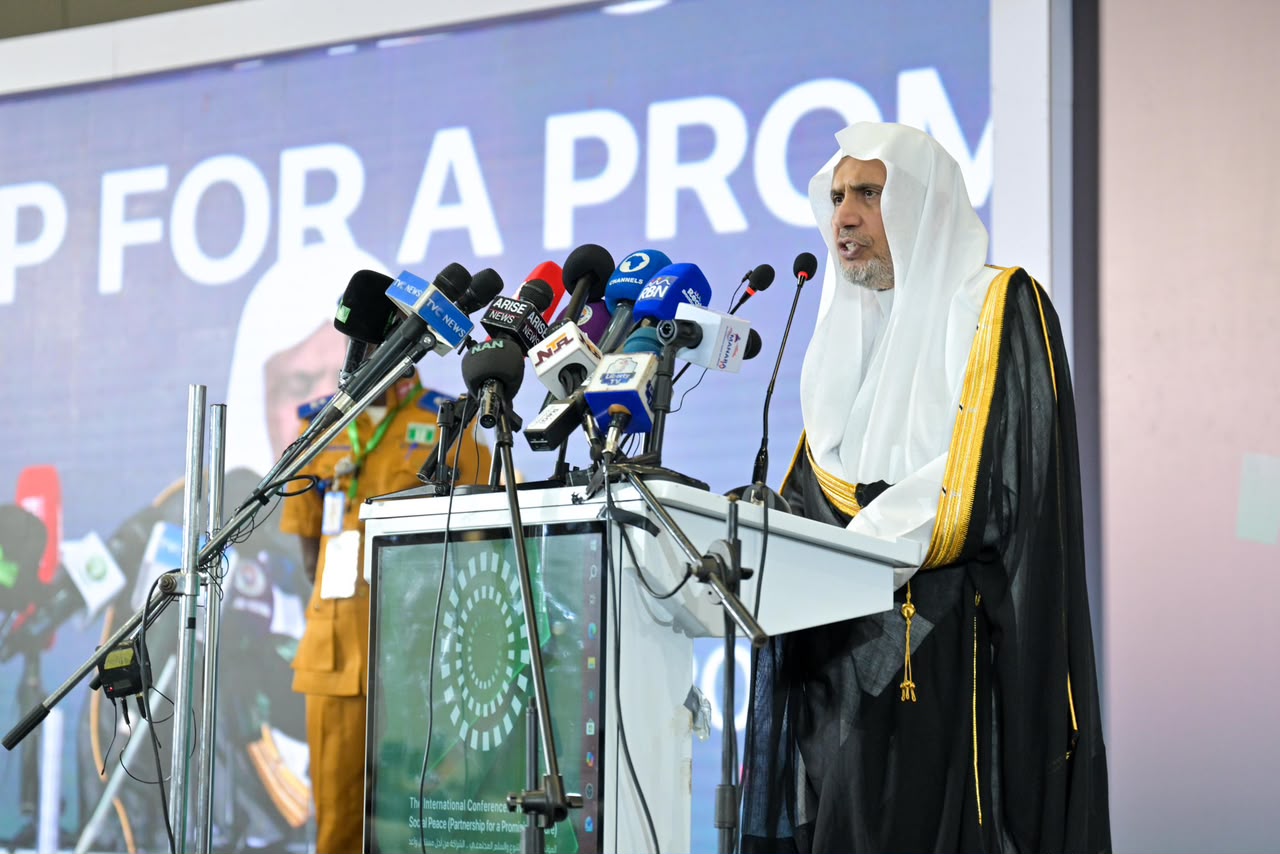
An international conference on diversity, security and social peace in Abuja has called for stronger cooperation between Muslim and Christian leaders, the establishment of a coordinating body for religious institutions and the adoption of a nationwide youth peace initiative.
The calls formed part of the Abuja Declaration, issued at the conclusion of the two-day international conference organised by the Muslim World League (MWL) in cooperation with Jama’atu Izalatil Bid’ah wa Iqamatus Sunnah (JIBWIS Nigeria) on August 11 and 12.

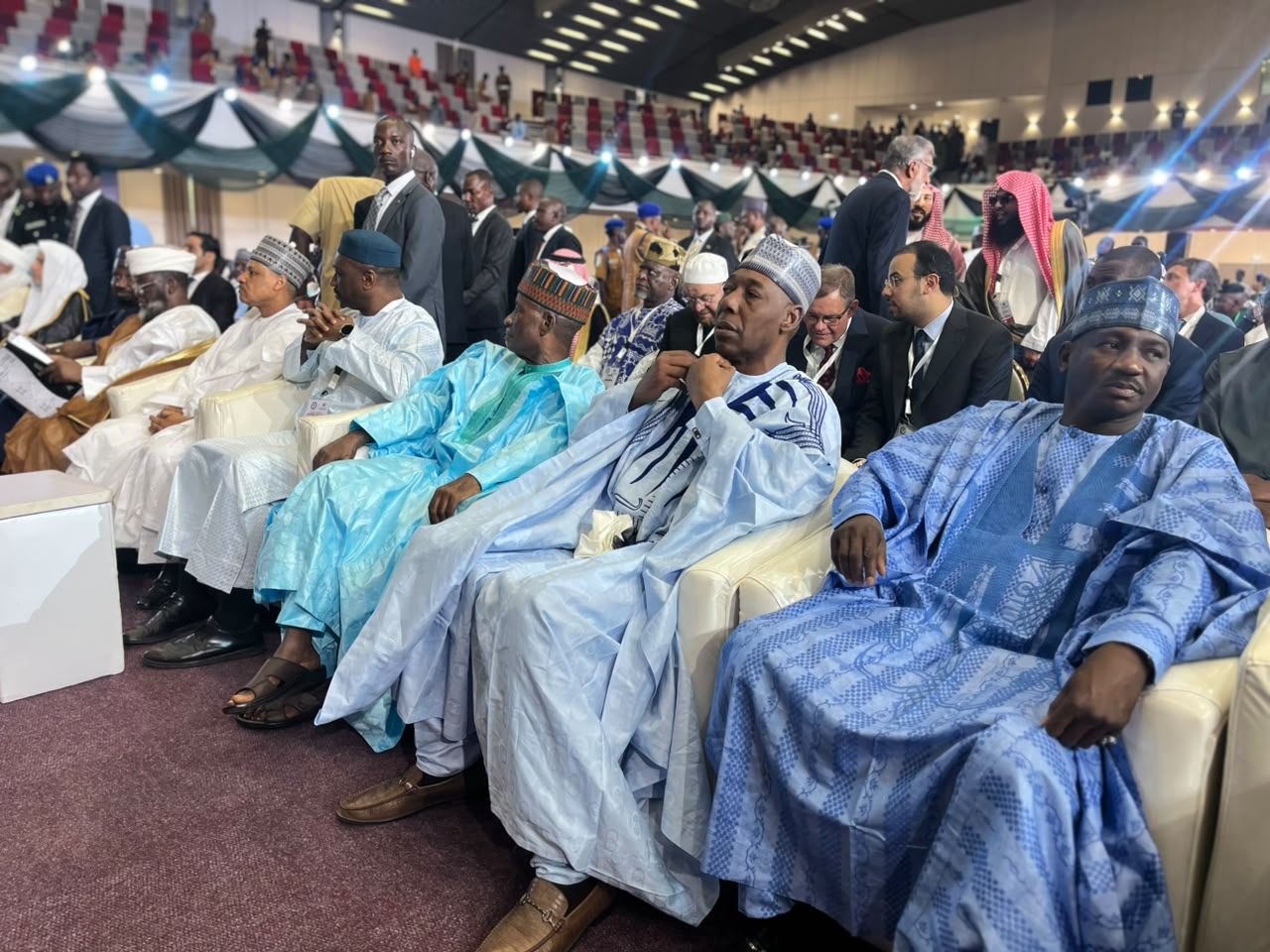
Held under the patronage of President Bola Ahmed Tinubu, the conference brought together Muslim and Christian leaders, scholars, government officials, policymakers, civil society representatives and other national and international stakeholders to examine the relationship between diversity, social peace and sustainable development.
The declaration said religious, ethnic and cultural diversity should be regarded as a source of enrichment rather than conflict, while stressing that social peace was essential to national security and development.
It said the management of diversity required the combined efforts of state institutions, religious and educational bodies, the media and civil society.
One of the major resolutions was a commitment by participating religious leaders from different faiths and denominations to maintain regular institutional dialogue and strengthen cooperation on issues affecting national unity, security and stability.
The declaration also called for the establishment of a coordinating body bringing together Muslim and Christian leaders and institutions in Nigeria, in cooperation with the Muslim World League.
The proposed body is expected to coordinate joint initiatives and strengthen consultation between religious communities on matters of common interest.
The conference also adopted the Nigerian Youth for Peace initiative proposed by the Secretary-General of the Muslim World League, Sheikh Dr Mohammed Al-Issa.
According to the declaration, the initiative will work with the proposed coordinating body and operate across Nigeria’s six geopolitical zones, with its findings and outcomes to be shared with international organisations.
The declaration said empowering young people and women should remain a priority in efforts to promote peace, social responsibility and citizenship.
It also called for national public-awareness programmes aimed at strengthening national belonging, promoting respect for diversity and countering hate speech and intolerance.
The participants called on media and cultural institutions to promote responsible public discourse, counter rumours and inflammatory rhetoric, and highlight examples of peaceful coexistence.
Educational institutions were similarly encouraged to strengthen curricula and training programmes around citizenship, mutual respect, dialogue and coexistence, while building intellectual resilience among younger generations.
The declaration further called for a joint action plan involving government institutions, religious leaders and civil society organisations to address challenges to peaceful coexistence and strengthen what it described as intellectual security.
It urged stakeholders to follow up on memoranda of understanding signed during the conference and coordinate programmes arising from them to ensure their implementation.
The participants also called for stronger partnerships in conflict prevention, the protection of national cohesion and the building of trust among communities.
The declaration linked sustainable development directly to social peace, saying security and stability create the conditions necessary for societies to prosper.
It described religious leaders as having a particular responsibility to promote the values of mercy, justice and mutual understanding while rejecting the exploitation of religion to justify violence, extremism or conflict.
The participants also stressed the importance of inclusive national dialogue as a means of addressing sources of tension, strengthening trust and encouraging cooperation among Nigeria’s diverse communities.

They called for greater attention to intellectual security and the protection of communities from extremism, fanaticism and hate, while promoting religious discourse based on moderation and wisdom.
The declaration drew on the principles of the Charter of Makkah, describing them as a framework for coexistence and human cooperation, and also commended the Muslim World League’s work in promoting dialogue among religious and cultural communities.
It called for the expansion of the League’s scholarly, training and media programmes aimed at advancing moderation, tolerance and cooperation.
In its concluding section, the declaration expressed appreciation to President Tinubu for his patronage and to the Muslim World League and JIBWIS for organising the conference.
Participants also commended the cooperation of Muslim and Christian organisations and institutions and the atmosphere of dialogue that characterised the sessions.
They said social peace was a collective responsibility requiring genuine partnership between religious leaders, government institutions and civil society.

The participants pledged to continue cooperation and translate the conference’s resolutions into practical programmes and sustainable initiatives aimed at strengthening social harmony, dialogue, security, stability and development in Nigeria and West Africa.
The Abuja Declaration was issued in Abuja on August 12, 2026.
SPONSORED

SPONSORED

SONSORED
