
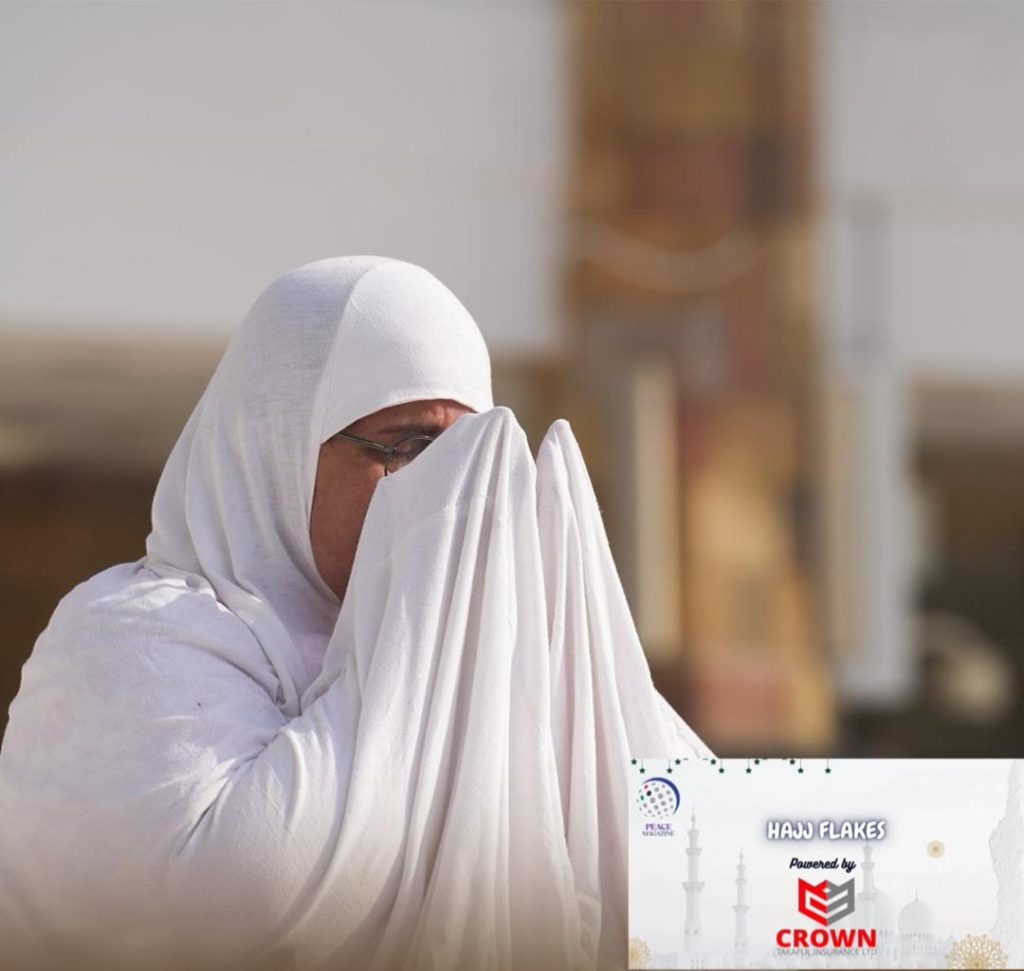
Hajj Flakes – 11th Dhul Hijjah 1447 AH
By Abdullahi Yusuf
- National Hajj Commission of Nigeria has ordered a probe into some tour operators accused of bringing excess pilgrims beyond approved allocations for the 2026 Hajj, warning that any operator found guilty risks licence withdrawal and sanctions.
- NAHCON also says refunds are being arranged for pilgrims affected after some meals were rejected for failing to meet Saudi food safety and packaging regulations during the Hajj period.
- Gombe State has recorded the death of one of its pilgrims during the 2026 Hajj exercise after Alhaji Babawuro Abdulkadir reportedly died at Muzdalifah following a brief illness shortly after returning from Arafat.
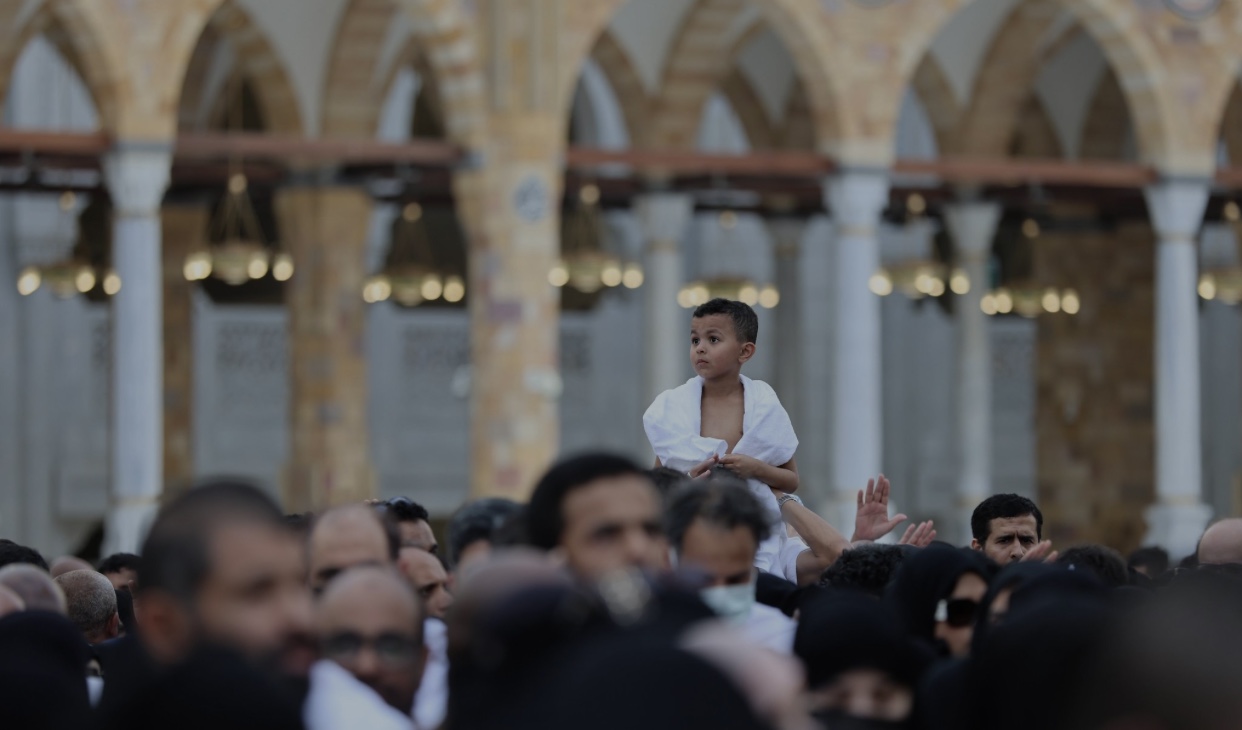
- Sokoto State Governor Ahmad Aliyu has donated 1,000 Saudi Riyals each to 2,410 Sokoto pilgrims participating in the 2026 Hajj exercise in Saudi Arabia.
- Pakistani pilgrims have protested poor services in Mina, complaining of overcrowded accommodation, delayed transportation and poor feeding arrangements despite paying about Rs1.2 million each for the pilgrimage.
- Pakistan’s Religious Affairs Minister, Sardar Muhammad Yousaf, says authorities were not previously aware of the complaints raised by the pilgrims.
- Bangladeshi pilgrims have also raised concerns over overcrowding, extreme heat and limited sleeping spaces inside Mina tent camps during the 2026 Hajj exercise.
- Authorities also restricted trolley bags and excess luggage in some Mina camps to reduce congestion as millions of pilgrims continued the Hajj rites in Saudi Arabia.
Did you know/fun facts
9. The Jamarat structure functions like a multi-level human “traffic system,” where pilgrims move in one direction only, with return paths separated to avoid counter-flow clashes.
10. After Eid, many pilgrims experience a noticeable shift in pace, from emotional peak celebration to physically demanding routine movement between Mina, worship, and rest cycles.
11. The 11th Dhul Hijjah of is also when minor medical cases begin to rise slightly due to accumulated fatigue from Arafah, Muzdalifah, and Eid day activities.
12. Despite the scale of movement, most pilgrims spend long quiet hours inside tents, where Mina becomes surprisingly calm between scheduled ritual waves.
13. Communication inside Mina heavily depends on group identifiers, guides, wristbands, and digital systems rather than verbal coordination due to the sheer crowd size.
14. For many pilgrims, this is the first day they fully understand how engineered and coordinated the entire Hajj system actually is, beyond the spiritual experience.
15. Even though the ritual is repetitive (stoning), the environment around it constantly changes due to crowd rotation, heat conditions, and shifting group schedules.

SPONSORED

SPONSORED

SONSORED
