
FOMWAN Moves to Build Digital, Resilient Muslim Women After 41st Conference
Federation unveils national mentorship programme, Digital Academy and action plan as Muslim women confront insecurity, poverty, discrimination and weakening family structures
By Abdullahi Yusuf
The Federation of Muslim Women’s Associations in Nigeria (FOMWAN) has resolved to establish a national mentorship programme and a Digital Academy as part of a new action plan aimed at strengthening the education, economic participation and leadership capacity of Muslim women and girls.
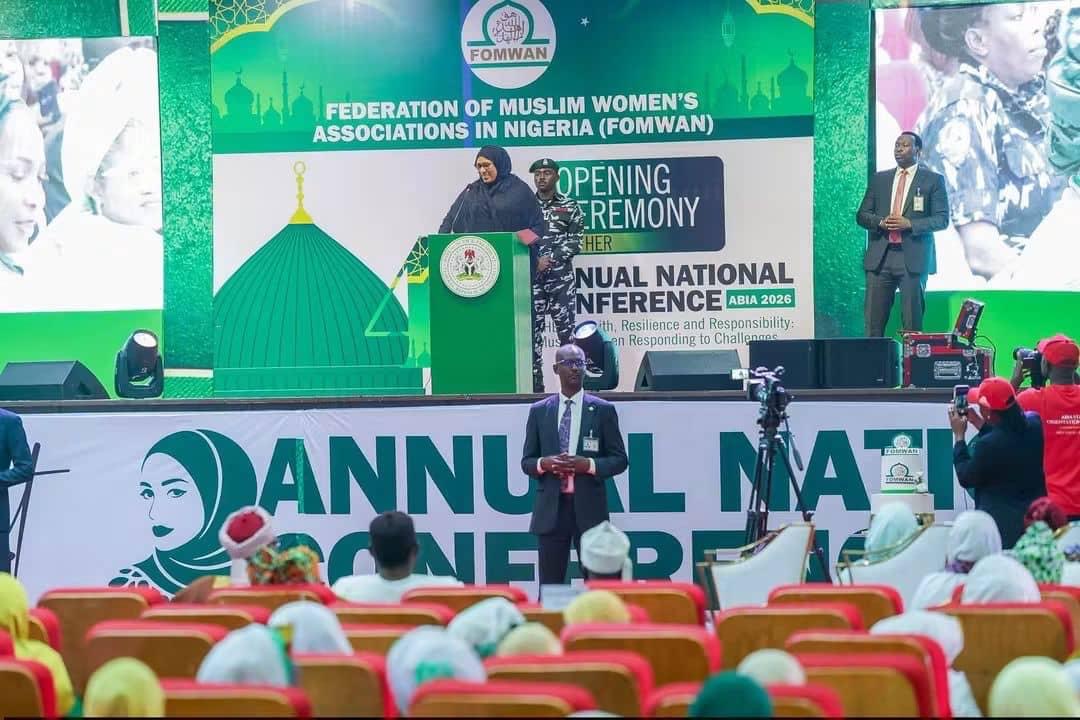
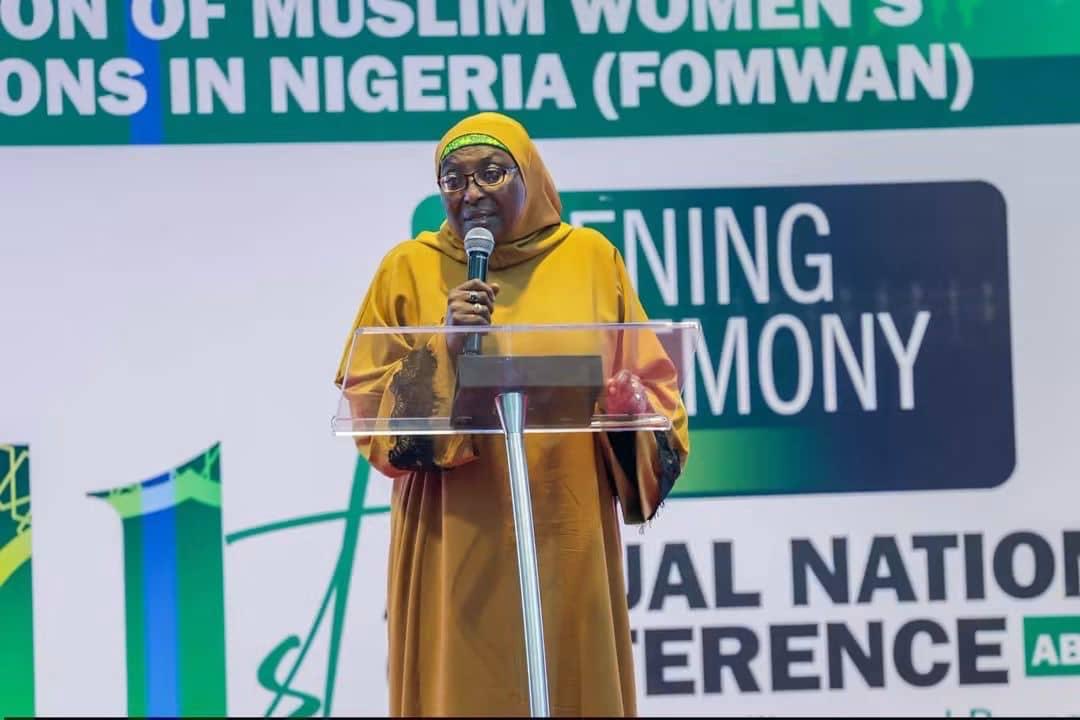
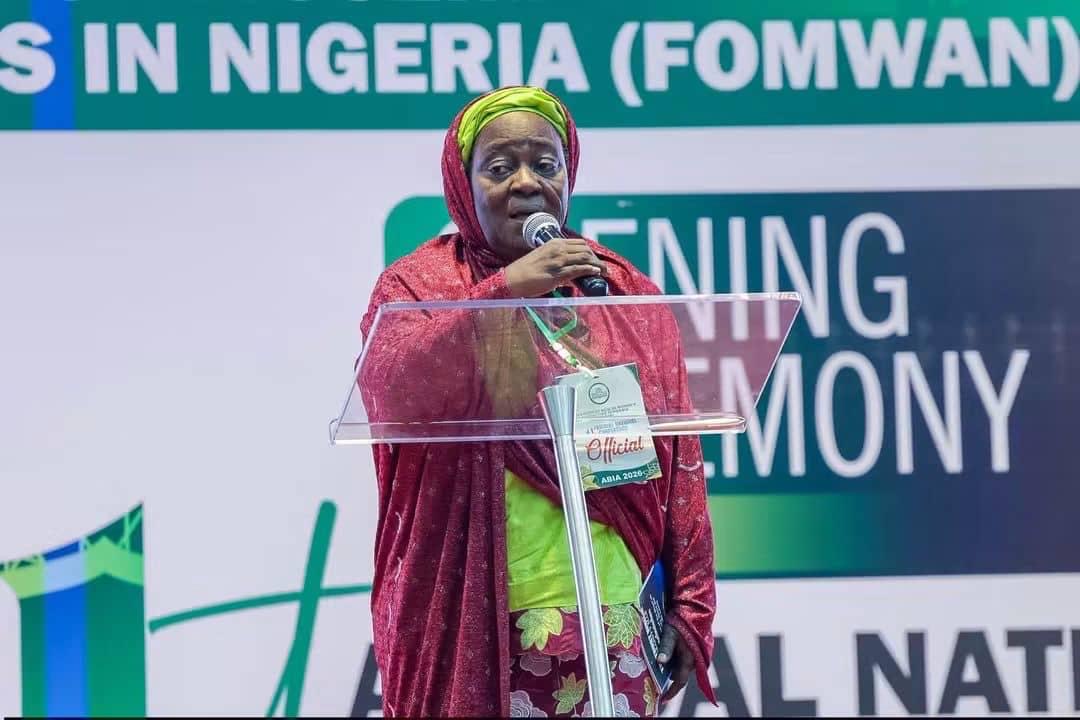
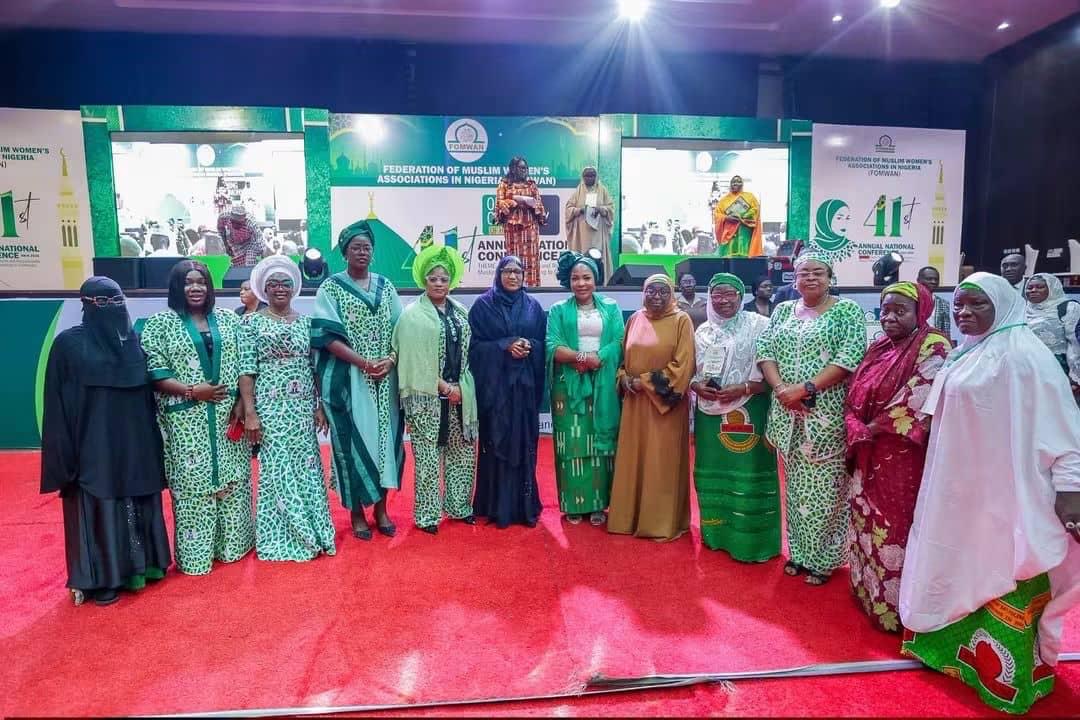
The resolutions emerged from FOMWAN’s 41st National Conference, which ended in Umuahia, Abia State, on Sunday after three days of deliberations on the challenges confronting Muslim women, families and communities.
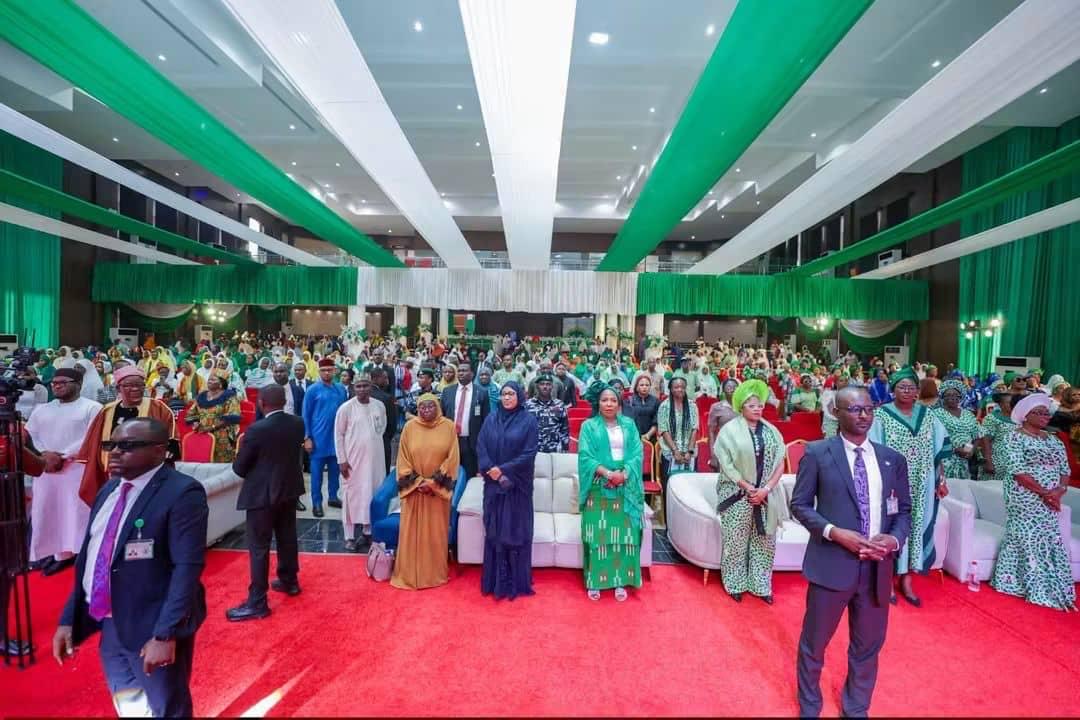
About 600 delegates from the 36 states and the Federal Capital Territory, alongside Islamic scholars, government representatives, traditional and religious leaders, development partners, security agencies and other stakeholders, attended the conference themed, “Faith, Resilience and Responsibility: Muslim Women Responding to Challenges.”
The federation said the resolutions would be translated into a time-bound action plan with defined responsibilities, timelines and measurable outcomes, moving the organisation’s response beyond conference declarations.
Under the proposed National Women and Girls Mentorship Programme, experienced Muslim women will be connected with younger women and girls for character formation, leadership development, career guidance, entrepreneurship and life skills.
FOMWAN also resolved to establish a Digital Academy that would combine digital literacy with Islamic education, vocational skills, civic education, entrepreneurship and access to relevant information.
The decisions came against a wide-ranging assessment of the pressures facing Muslim women and girls, with the conference identifying insecurity, displacement, abduction, violence, poverty and humanitarian crises among the issues leaving women and children particularly vulnerable.
It also raised concerns over persistent gaps in girls’ education, particularly among poor, displaced and underserved communities, warning that limited access to education could restrict their future opportunities and contribution to national development.
Economic exclusion was another major concern, with the conference pointing to inadequate access to finance, markets, productive assets, entrepreneurship opportunities, digital skills and sustainable livelihoods for many women.
FOMWAN also identified inadequate access to quality healthcare, particularly maternal, child and reproductive health services in rural and underserved communities, as an issue requiring greater attention.
The conference expressed concern over what it described as continuing religious and gender discrimination, including challenges faced by Muslim women and girls in exercising their legitimate religious identity.
It further identified a widening digital and civic divide as a barrier limiting women’s access to information, education, employment, entrepreneurship and meaningful participation in civic life.
The federation gave particular attention to Muslim women living in minority communities, especially in the South-East and South-South, where it said limited Islamic support structures, social isolation, discrimination and difficulties in maintaining religious identity presented distinctive challenges.
FOMWAN also called for greater efforts to separate authentic Islamic teachings from harmful cultural practices wrongly attributed to Islam, particularly practices that restrict women’s education, dignity, economic participation and legitimate rights.
The conference linked these challenges to the wider condition of families, expressing concern over weakening family structures, inadequate parenting support, marital conflicts and insufficient counselling.
It warned that these pressures increasingly affect children and young people and can undermine community stability.
In response, FOMWAN resolved to strengthen its programmes in education, healthcare, humanitarian response, child protection and economic empowerment, with particular attention to vulnerable women, girls, widows, women with disabilities and underserved communities.
The organisation also pledged to intensify advocacy and community action against violence, exploitation, abuse and discrimination against women and girls, including sexual and gender-based violence.
It resolved to promote what it described as authentic Islamic teachings on the dignity, rights and responsibilities of women, working with scholars, community leaders and families to distinguish religious teachings from harmful cultural practices.
FOMWAN further committed to strengthening its structures and programmes in the South-East, South-South and other minority Muslim communities to address their specific religious, educational, social and economic needs.
The federation said Muslim women should also play a greater role in peacebuilding, interfaith dialogue, conflict prevention, mediation, civic engagement and community development.
It resolved to conduct a national assessment of the situation of Muslim women and girls, covering education, health, livelihoods, security and social protection, to provide evidence for future advocacy and programmes.
The assessment is expected to support FOMWAN’s efforts to build stronger partnerships with government, Islamic and traditional institutions, development partners, civil society organisations and the private sector.
The organisation also placed responsibility for implementing the resolutions at state level, directing State Amirahs and relevant committees to translate them into programmes and report progress to the National Secretariat.
A monitoring and accountability mechanism is also to be established to track implementation and report progress at subsequent national conferences.
The conference reaffirmed that faith should provide the moral compass for Muslim women, resilience the strength to overcome adversity, and responsibility the commitment to turn values into practical action.
FOMWAN said its broader objective was to help build a generation of Muslim women who are faithful, educated, economically empowered, digitally capable, compassionate and responsible, with the capacity to contribute meaningfully to their families, communities and Nigeria.
It also stressed that advancing Muslim women must go alongside strengthening families, protecting children, promoting peace and social cohesion and advancing national development.
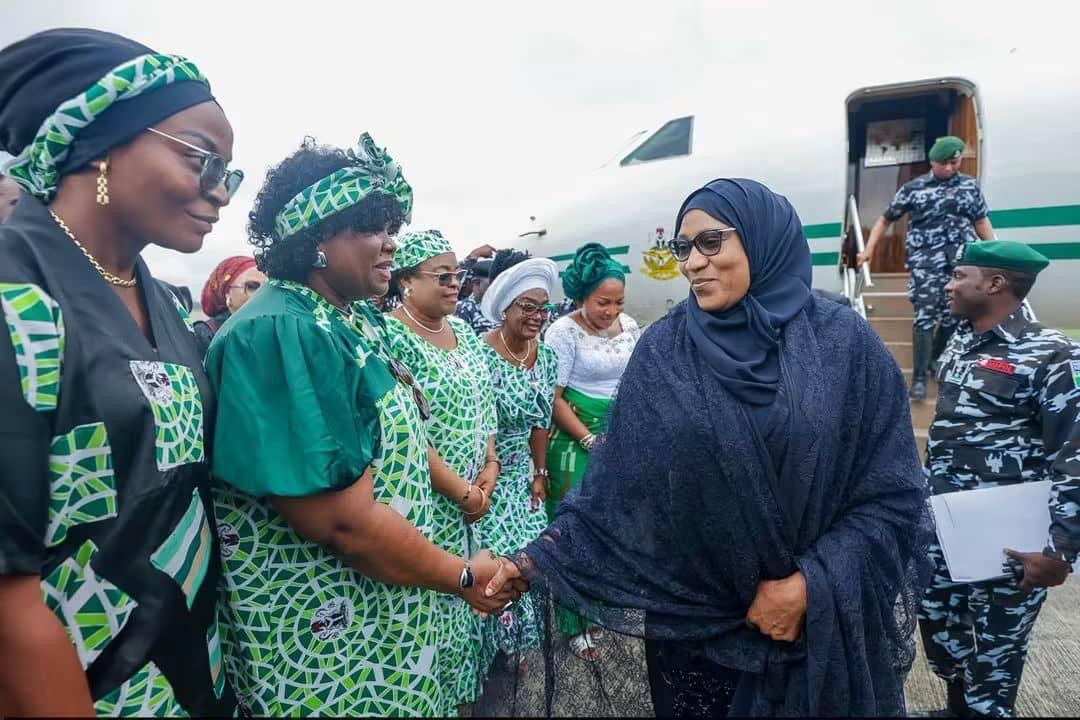
The conference expressed appreciation to the Government and people of Abia State for their hospitality and support, as well as to First Lady of the Federal Republic of Nigeria, Senator Oluremi Tinubu, represented at the conference by Hajiya Nana Kashim Shettima, and other stakeholders who contributed to the event.
It also acknowledged the support of the Abia State Government, the FOMWAN Board of Trustees, Islamic and traditional leaders, development partners, sponsors, delegates and volunteers.
The conference ended with a call for collective action around four broad objectives: resilient women, stronger families, peaceful communities and a resilient Nigeria.
For FOMWAN, the significance of the Umuahia conference will now depend on whether its proposed action plan, mentorship programme, Digital Academy and monitoring mechanism can turn the resolutions into programmes that women and girls experience in their communities.
The communiqué was signed by FOMWAN National Amirah, Dr Sumaye Fadimatu Hamza, National Secretary Dr Zainab Talatu Ahmed and National PRO Hajiya Kulu Kande Ibrahim.
SPONSORED

SPONSORED

SONSORED
