
FOMWAN 24th education summit examines AI challenges for Muslim community
At its 24th annual summit in Abuja, Muslim women leaders call for AI literacy, ethical safeguards and education reform to address inequality and misinformation risks
By Abdullahi Yusuf
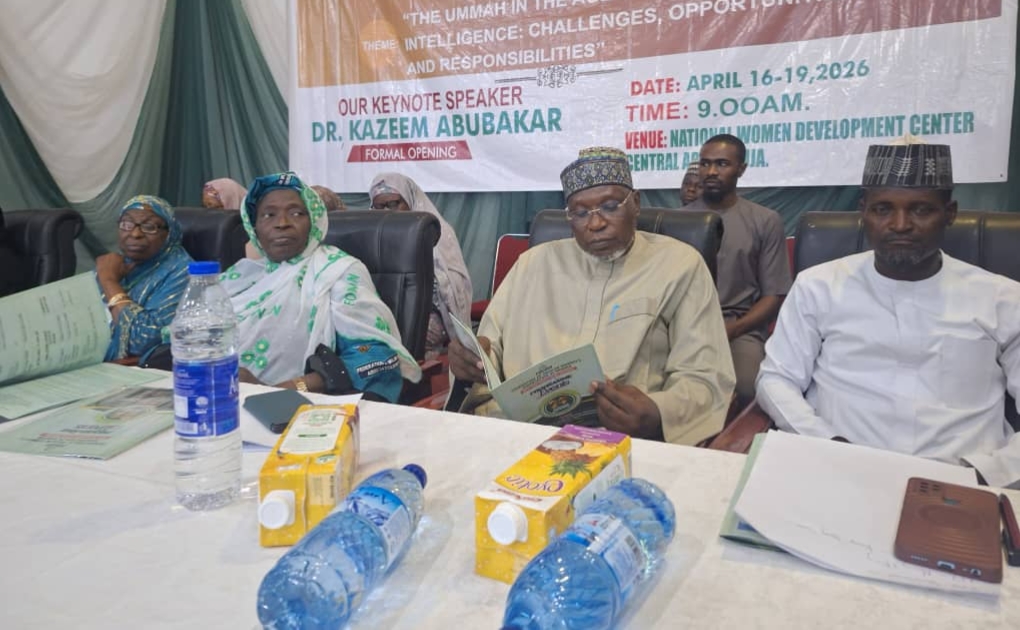
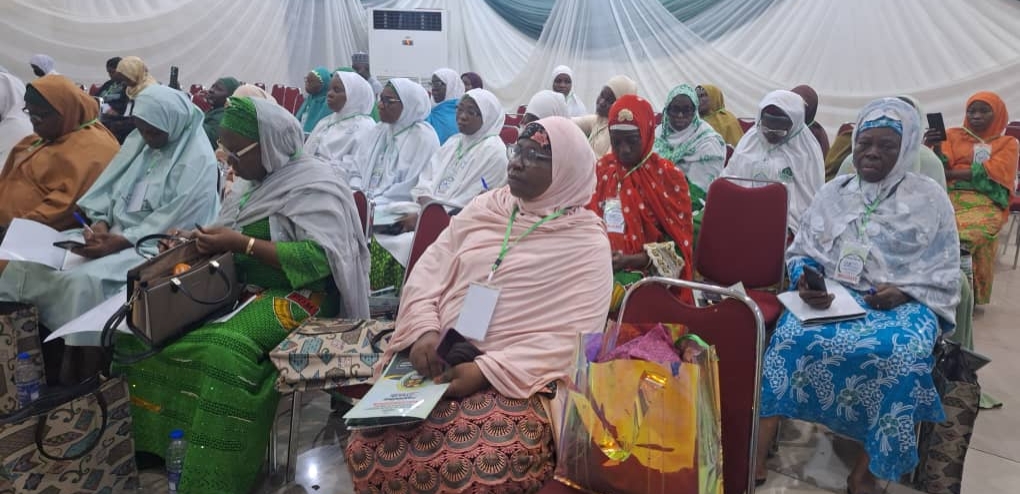
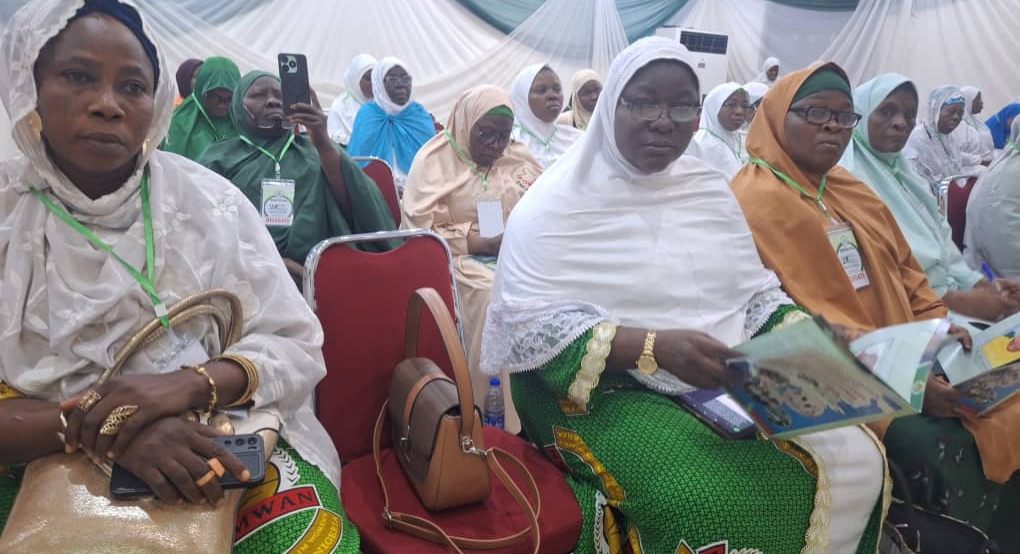
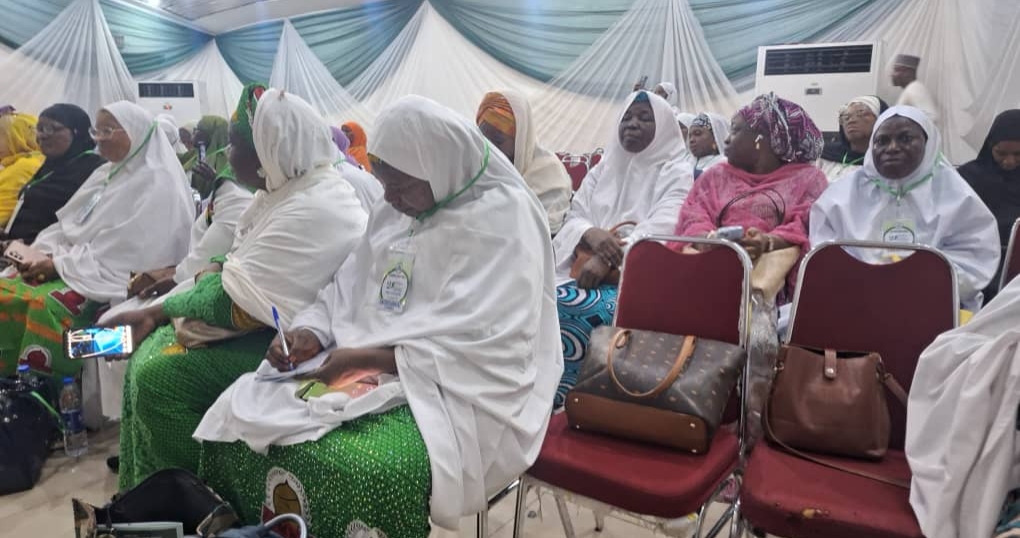
The Federation of Muslim Women’s Associations in Nigeria held her 24th National Education Summit in Abuja with a focus on the growing influence of artificial intelligence on education, society and religious life.
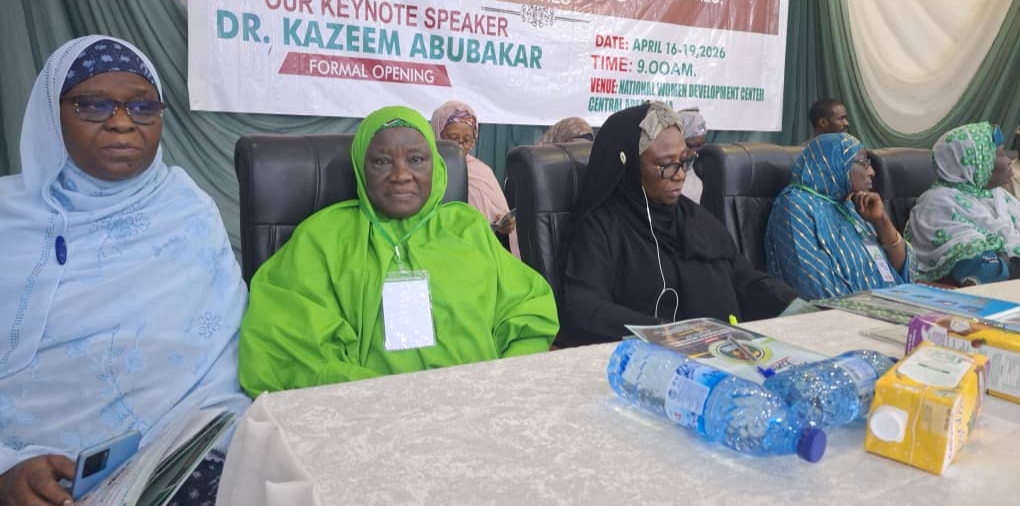
At the Maryam Babangida National Centre for Women Development, the four-day gathering brought together participants from across Nigeria, including academics, policymakers and government officials, under the theme “The Ummah in the Age of Artificial Intelligence: Challenges, Opportunities and Responsibilities.”
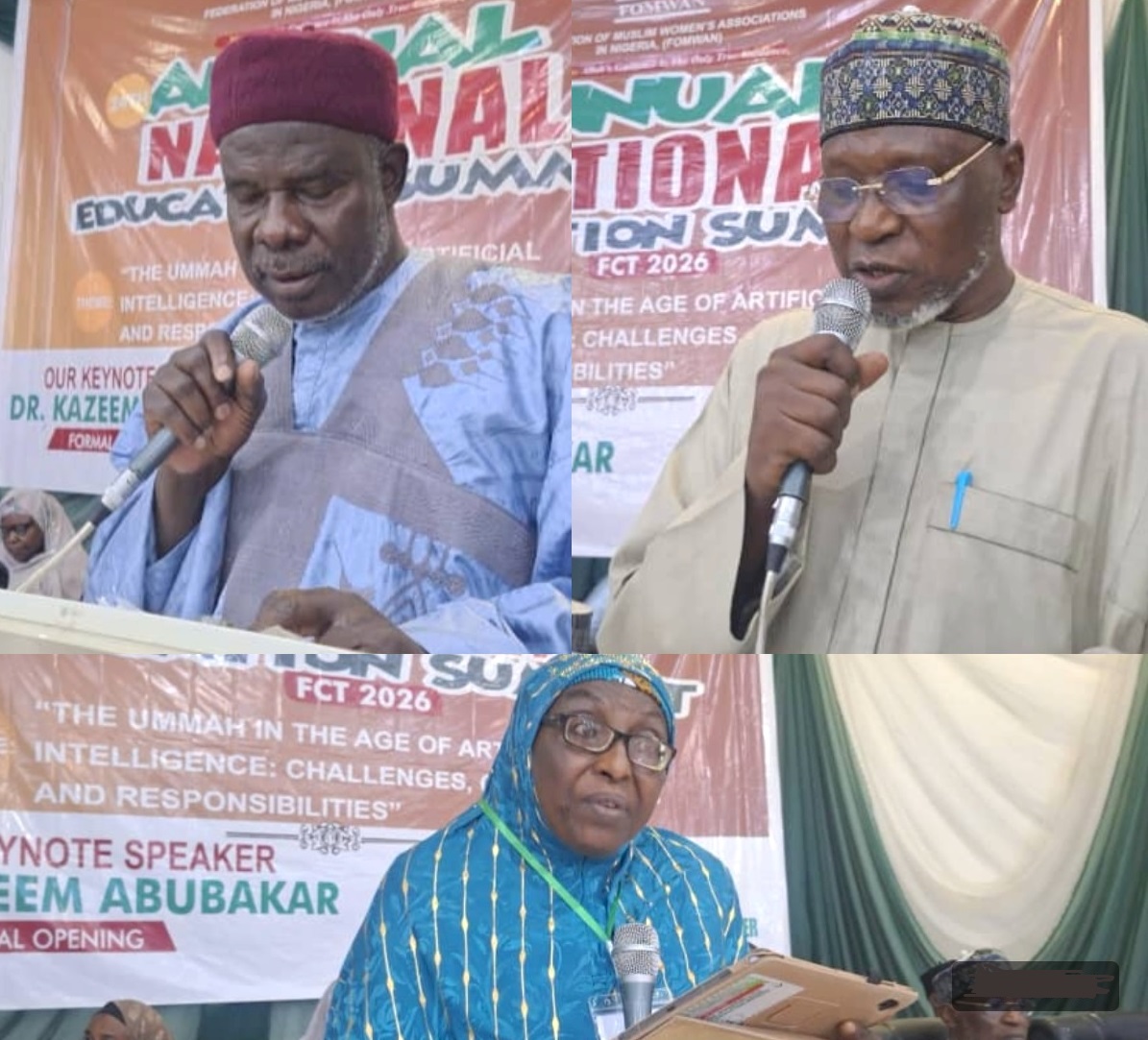
In her opening address, Chairperson of the Board of Trustees, Lateefah Modupeola Okunnu, described artificial intelligence as a powerful but potentially disruptive force, warning that its misuse could deepen existing social challenges.
She said while technology offers clear benefits, it also amplifies concerns such as misinformation and the exposure of young people to harmful digital content. “Families and communities must take responsibility in guiding the younger generation,” she said, stressing the need to maximise the benefits of technology while limiting its risks.
The National Amirah of the organisation, Sumaiya Fadimatu Hamza, said the Muslim community must approach artificial intelligence with both caution and purpose, ensuring that innovation aligns with ethical and spiritual values. “We must ensure that innovation serves humanity with justice, dignity and accountability,” she said, adding that education systems must continue to promote critical thinking and moral awareness alongside technological advancement.
She also highlighted the potential of artificial intelligence as a tool for Da’wah, education and social development, while warning of the need to safeguard authenticity in religious communication.
In her address, Chairperson of the National Education Committee, Lateefat Durosinmi, outlined the organisation’s long-standing role in advancing education across Nigeria, including the establishment of schools, vocational centres and literacy programmes.
She said the summit forms part of ongoing efforts to address emerging challenges in education and to mobilise stakeholders around key issues affecting the Muslim community.
 The summit’s guest speaker, Kazeem Abubakar, a science policy expert, focused on the role of innovation in national development, emphasising the importance of bridging the gap between research, industry and policymaking. He pointed to the growing relevance of artificial intelligence in shaping economies and urged stakeholders to invest in knowledge systems that support sustainable development.
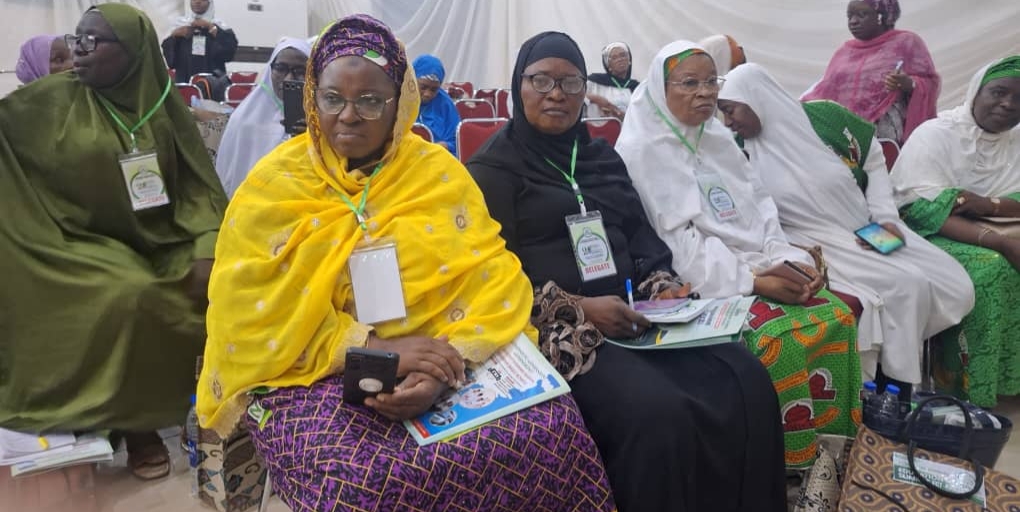
Participants at the summit examined how artificial intelligence could be applied to teaching, entrepreneurship and community engagement, while also addressing risks such as digital inequality, ethical misuse and cultural impact.
At the end of the deliberations, FOMWAN issued a communiqué outlining a series of recommendations.
The group called for a nationwide artificial intelligence literacy campaign, warning that many communities, particularly in rural areas lack the infrastructure and digital skills needed to benefit from emerging technologies. It also proposed the development of ethical guidelines rooted in Islamic principles to govern the use of artificial intelligence, alongside mechanisms to verify AI-generated content using authentic religious sources.
Among other recommendations were the introduction of AI-driven teacher training programmes, digital entrepreneurship initiatives, and expanded opportunities for young people, particularly girls in science and technology fields.
The communiqué further called for engagement with regulators, including the National Information Technology Development Agency, to ensure inclusive policy development. The summit also addressed broader concerns, including reports of discrimination against female candidates wearing the hijab during examinations, despite existing provisions allowing its use.
FOMWAN said it would continue to advocate for educational access and equity, particularly for women and young people, while strengthening partnerships with government and other stakeholders.
SPONSORED

SPONSORED

SONSORED
