
Faith leaders call for end to hate speech ahead of 2027 elections
Christian and Muslim leaders, diplomats, academics and peacebuilding organisations have launched a national Interfaith Code of Conduct, warning that inflammatory religious and political rhetoric is fuelling division as Nigeria moves towards another election cycle, and urging faith leaders to place dialogue above discord.
By Abdullahi Yusuf
Christian and Muslim leaders have jointly launched a national Interfaith Code of Conduct aimed at curbing hate speech, religious intolerance and political incitement ahead of Nigeria’s 2027 general elections, warning that the country’s religious and ethnic diversity must never be weaponised for political or personal interests.
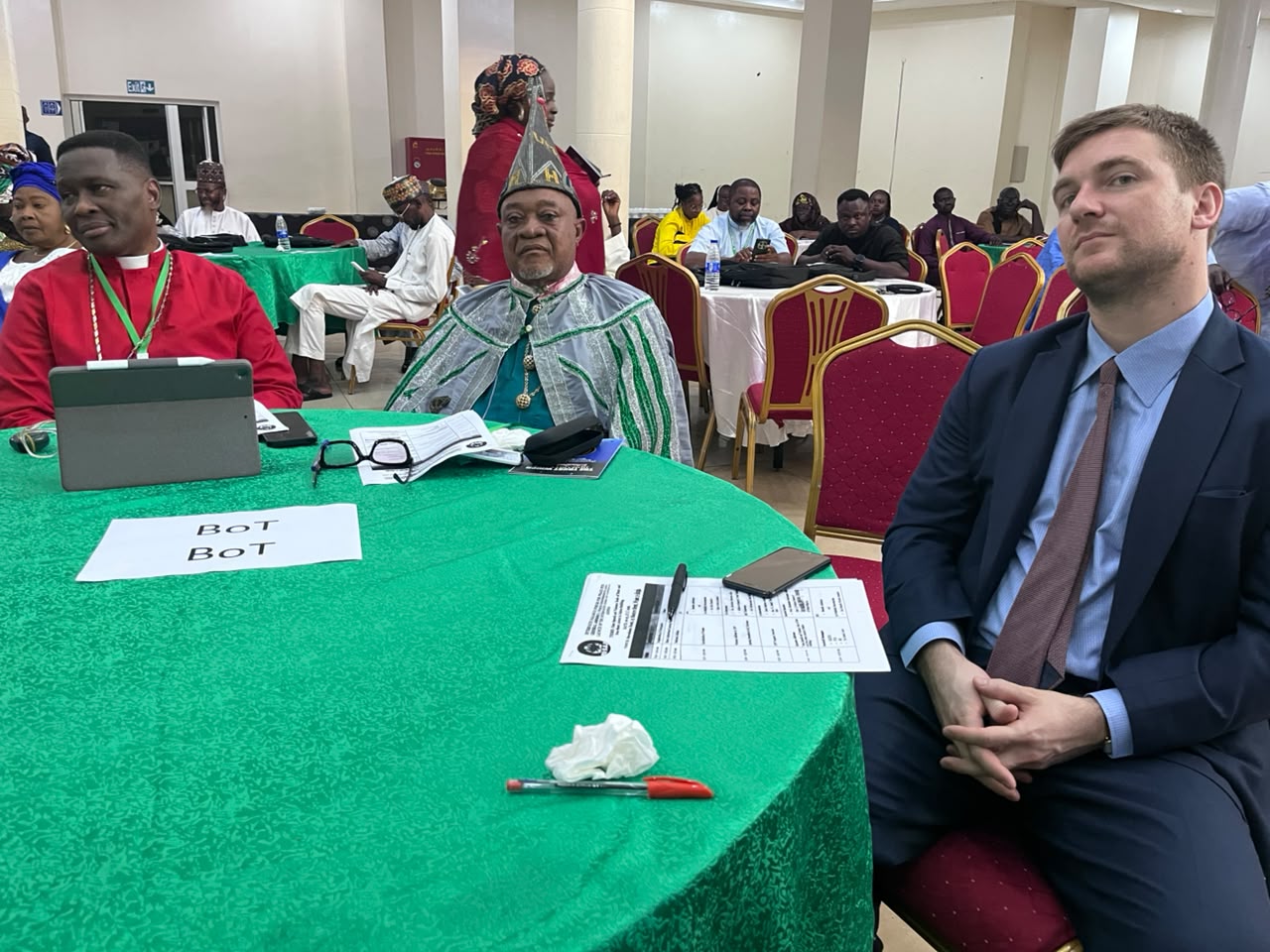
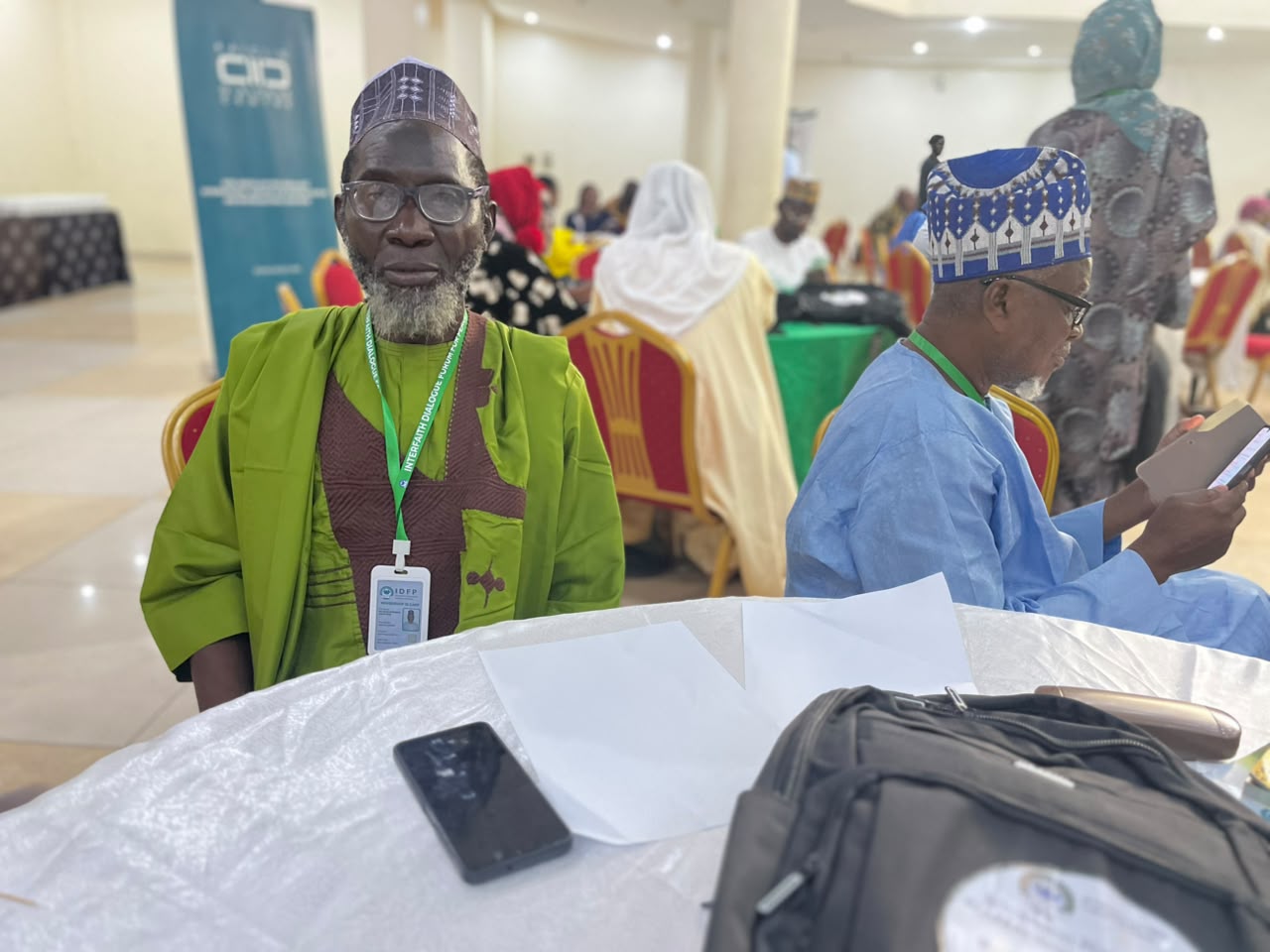
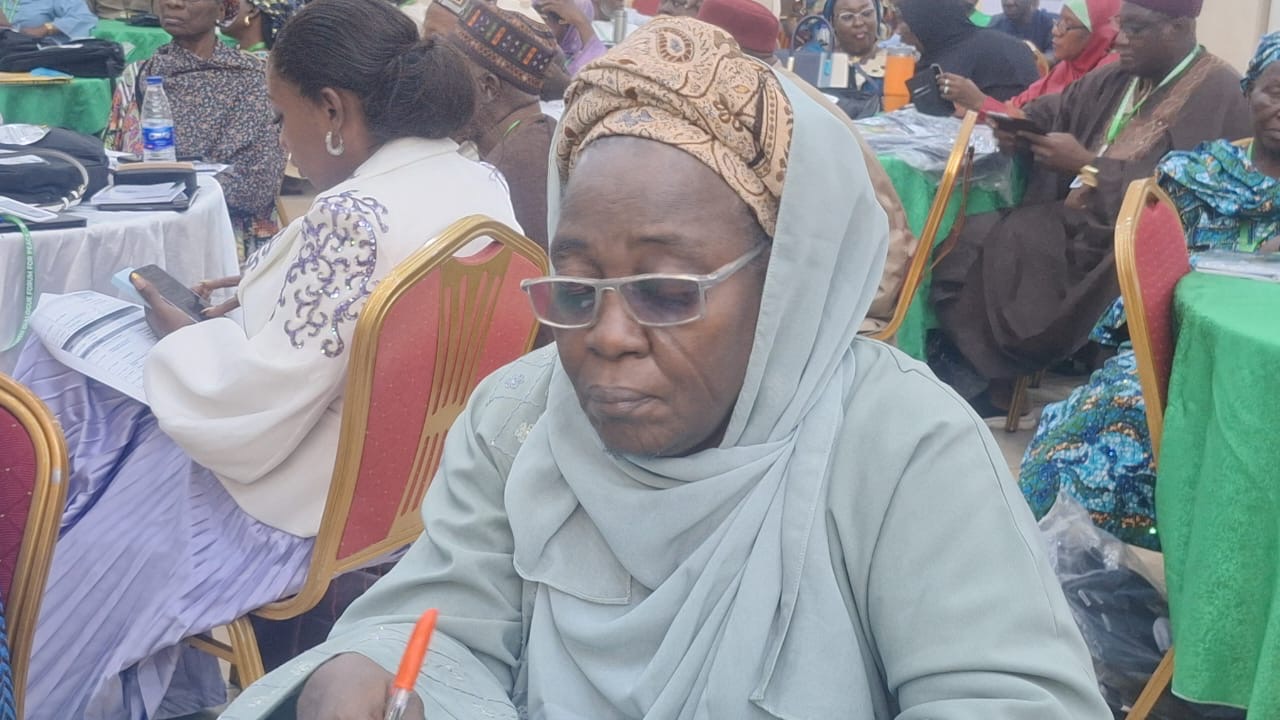
The code was unveiled on Wednesday during the 8th General Assembly of the Inter-Faith Dialogue Forum for Peace Nigeria (IDFP), alongside the organisation’s annual Peace Conference in Abuja, where religious leaders, diplomats, government officials, academics and civil society organisations argued that preventing violence begins with changing the language that often fuels it.
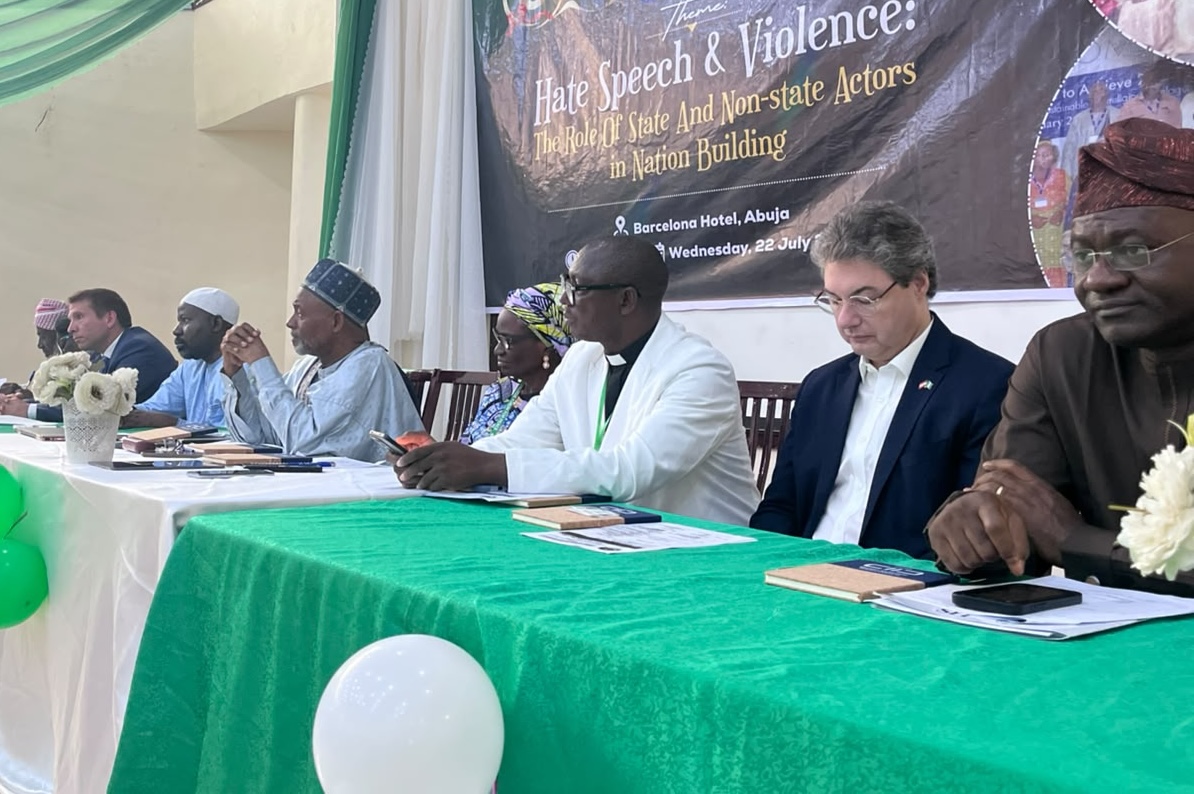
Held under the theme, “Hate Speech and Violence: The Role of State and Non-State Actors in Nation Building,” the gathering also marked the formal launch of the Interfaith Code of Conduct (ICOC), a document developed over several years to guide responsible religious engagement, peaceful communication and mutual respect between Nigeria’s Muslim and Christian communities.
The event brought together representatives of the Federal Government, diplomatic missions, development partners, traditional rulers, faith-based organisations and international peacebuilding institutions, including the King Abdullah bin Abdulaziz International Centre for Interreligious and Intercultural Dialogue (KAICIID), whose support has underpinned many of the Forum’s interfaith initiatives.
For the organisers, however, the significance of the gathering extended beyond the unveiling of another policy document. It was a public appeal for Nigeria’s religious leaders to recognise the enormous influence their words carry, particularly as political activities begin to gather momentum ahead of the 2027 elections.
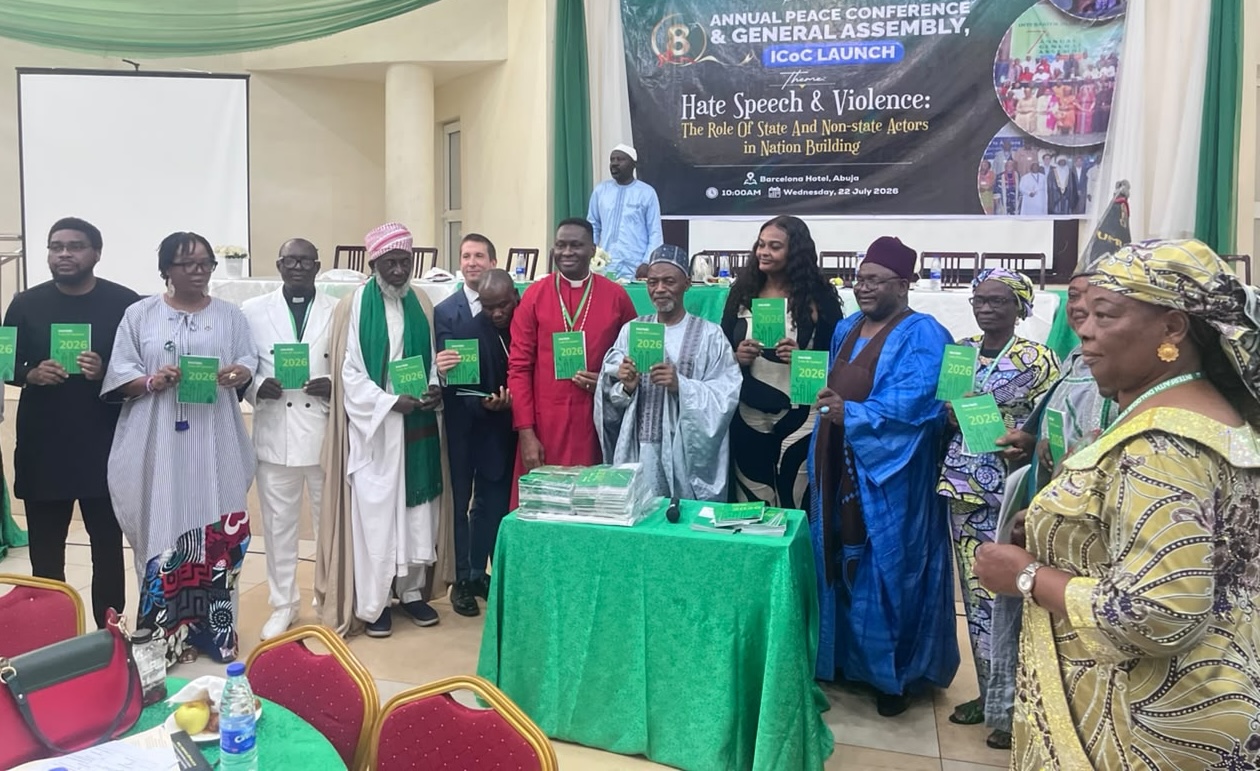
Co-chairmen of the Inter-Faith Dialogue Forum for Peace Nigeria, Imam Dr Yusuf Yakubu Arrigasiyu and Rev. Abainitus Akila Hamman Jr., said the country’s diversity should remain a source of national strength rather than division.
They warned that hate speech, misinformation and inflammatory rhetoric continue to undermine peaceful coexistence, insisting that dialogue remains one of the most effective tools for preventing violence and strengthening national unity.
The co-chairs described the newly launched Interfaith Code of Conduct as a practical framework intended to guide responsible religious leadership and encourage faith leaders to use their influence to foster reconciliation rather than deepen societal fault lines.
They also appealed to governments, embassies, development partners and international organisations to strengthen investments in community peacebuilding, youth and women’s peace initiatives, early warning systems and efforts aimed at countering hate speech and misinformation.
Expressing appreciation to KAICIID, Arigatou International and other partners, they reiterated that building a peaceful Nigeria cannot be left to government alone but requires collective responsibility from religious institutions, civil society, the media and ordinary citizens.
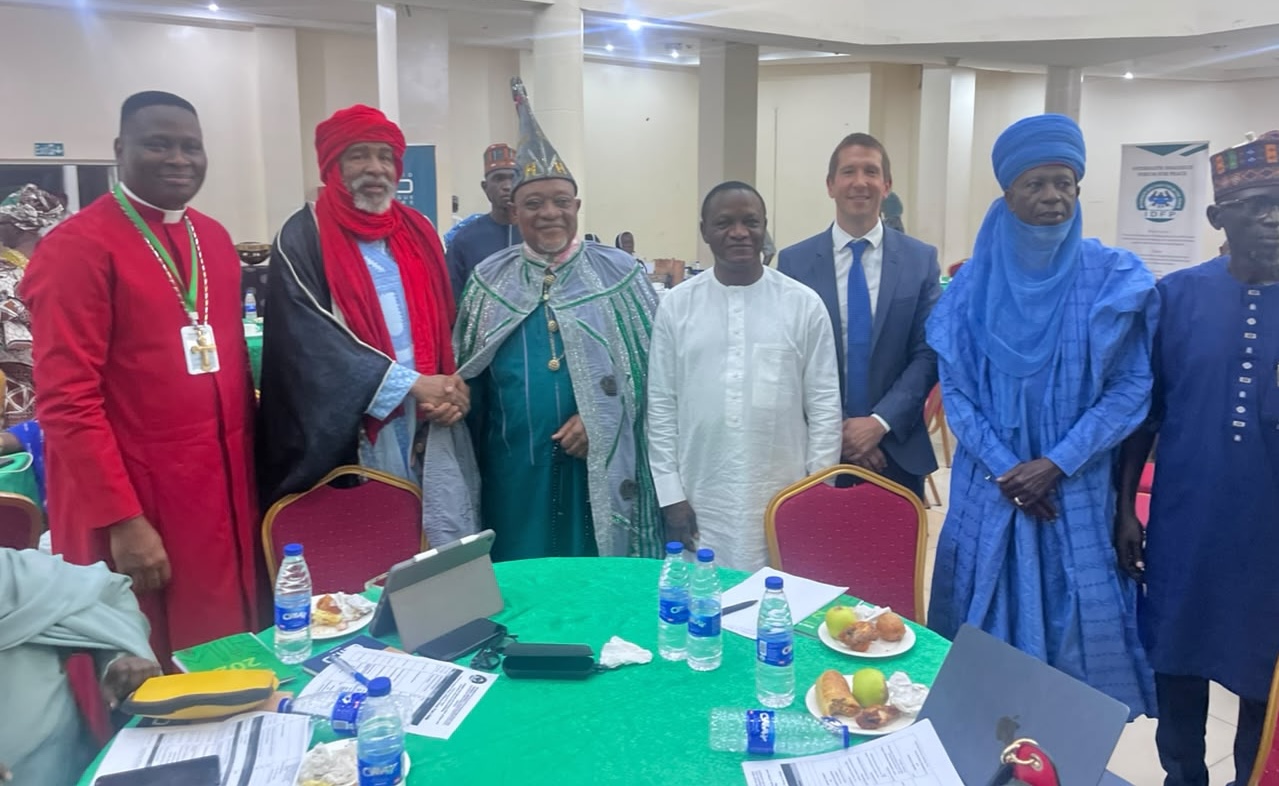
Their message set the tone for a conference dominated by a common concern: that while elections are a necessary feature of democracy, the language surrounding them too often becomes a catalyst for violence.
Delivering his lecture, political economist and University of Abuja scholar, Prof. Abubakar Sadeeque Abba, emphasized that hate speech had evolved beyond irresponsible public communication into what he described as “a political, economic and social ladder” through which individuals increasingly seek influence, recognition and power.
He blamed the persistence of inflammatory rhetoric on weak institutions and inconsistent enforcement of existing laws, arguing that societies cannot achieve sustainable development where justice is perceived to be selective and some individuals appear to operate above the law.
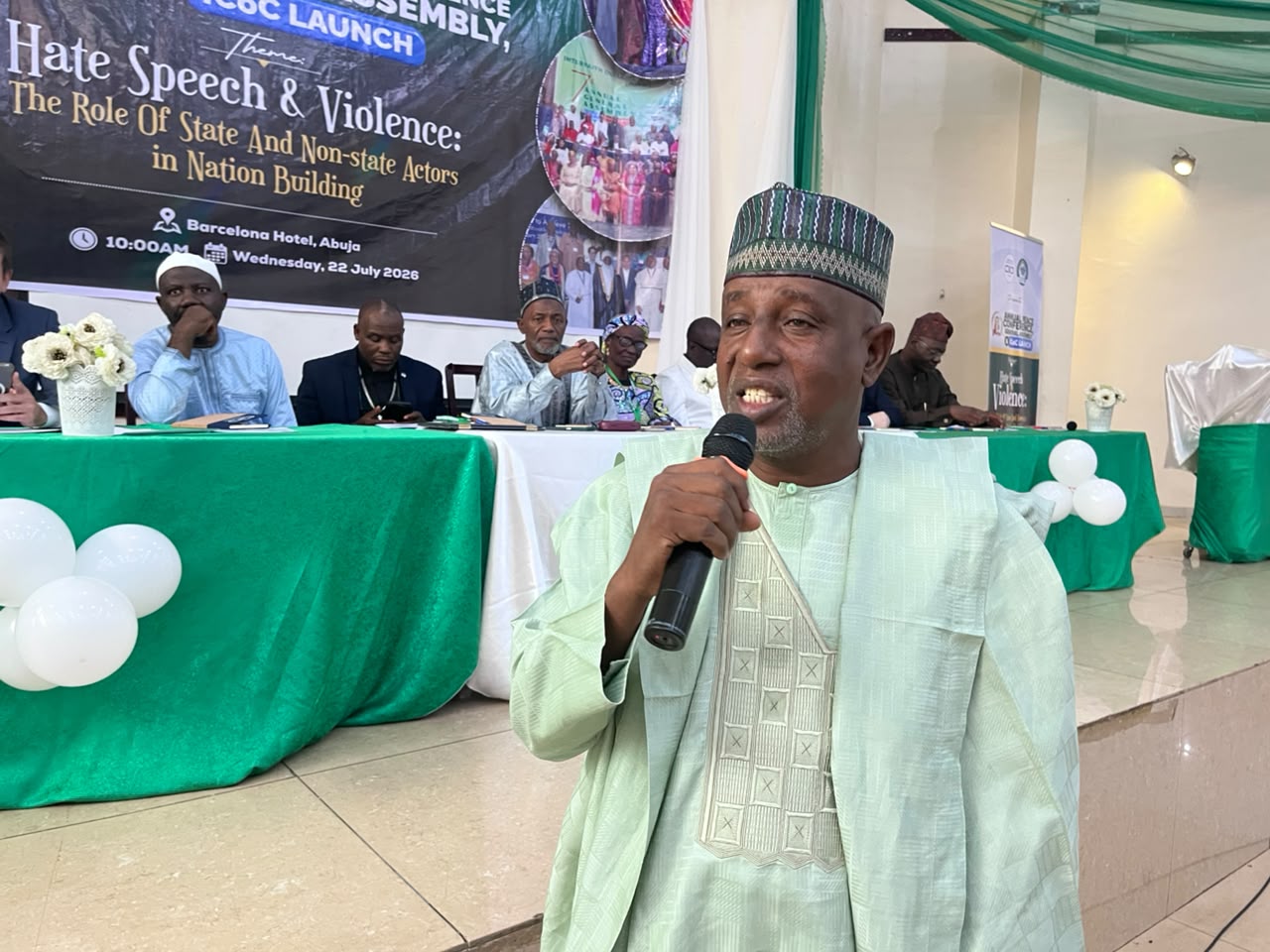
According to him, political actors frequently blur the distinction between legitimate campaign communication and deliberate incitement, leaving citizens exposed to messages capable of inflaming ethnic, religious and political divisions.
Rather than directing his strongest appeal towards politicians, Prof. Abba challenged Nigerians themselves to become more discerning consumers of political messaging.
He urged citizens to reject politicians who rely on hate speech and violence as instruments of mobilisation, insisting that democracy can only flourish where public debate is driven by ideas rather than hostility.
International partners echoed similar concerns.
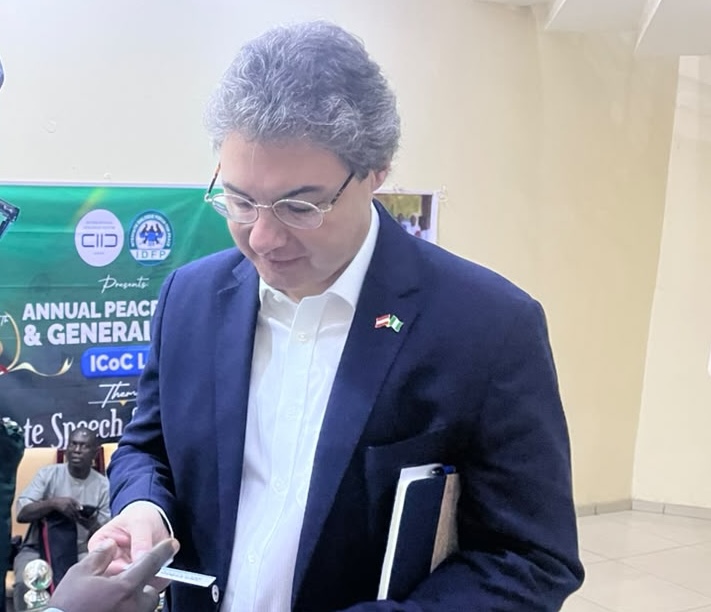
In a sideline interview with PEACE Magazine, Austria’s Ambassador to Nigeria, His Excellency, Peter Guschelbauer said promoting interfaith and intercultural dialogue remains one of his country’s priorities, pointing to Austrian-supported mediation initiatives in Benue and Nasarawa states as examples of practical peacebuilding efforts.
He described Nigeria as an exceptionally diverse nation whose differences should be approached as opportunities for mutual understanding rather than sources of conflict.
“Dialogue, compromise and mutual understanding, that’s the only way forward,” the ambassador said, adding that sustained engagement between communities remains essential to reducing violence and strengthening national stability.
Representing KAICIID, Senior Programme Manager Agustin Nunez-Vicandi said religious leaders occupy a unique position within Nigerian society because they command enormous public trust across different communities.

He said the newly launched Interfaith Code of Conduct contains ten shared values agreed upon by Muslim and Christian leaders, including commitments to reject hate speech and promote peaceful coexistence.
Responding to concerns that some religious leaders themselves sometimes contribute to inflammatory rhetoric, Nunez-Vicandi acknowledged that hate speech can originate from virtually any segment of society, including politicians, government officials, religious leaders and social media influencers.
He nevertheless argued that this reality reinforces, rather than diminishes, the importance of engaging faith leaders in peacebuilding because of their influence within their respective communities.
Among those directly involved in developing the Code of Conduct was Imam Shefiu AbdulKareem Majemu, Co-Secretary of the Inter-Faith Dialogue Forum for Peace Nigeria and founder of the Strength in Diversity Development Centre.
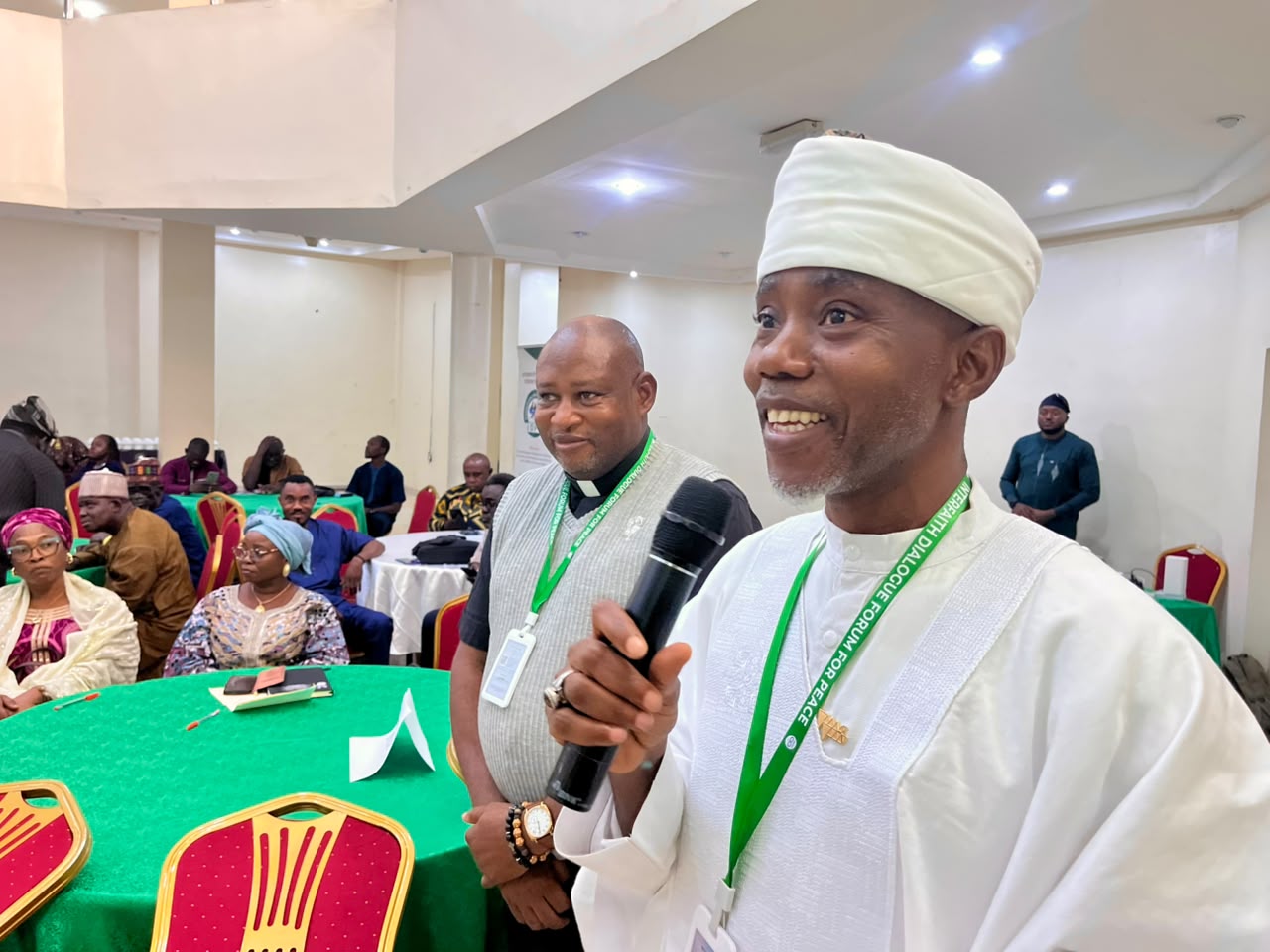
He said more than 200 religious leaders participated in the conference as part of preparations aimed at reducing tensions before the 2027 elections.
According to him, election periods often create opportunities for politicians to manipulate religious sentiments through influential clerics, making it essential for faith leaders themselves to recommit to peaceful messaging.
While acknowledging the practical difficulty of imposing sanctions on influential religious figures, Imam Majemu argued that lasting change would come through continuous engagement, capacity building and peer accountability within religious communities rather than punishment alone.
He explained that the Interfaith Code of Conduct was developed over six years to establish clear ethical principles governing relationships between Christians and Muslims while encouraging religious leaders to communicate responsibly on issues capable of affecting national peace.

The conference also examined the wider social consequences of hate speech through a panel discussion moderated by Rev. Dr Uzoaku Juliana Williams, Assistant General Secretary of the Christian Association of Nigeria.
Panelists explored the impact of hate speech on women and girls, electoral violence, vote-buying, genocide prevention and democratic accountability, arguing that inflammatory rhetoric increasingly threatens both credible elections and national cohesion.
Director-General of the Institute for Peace and Conflict Resolution (IPCR), Dr Joseph Ochogwu, described the initiative as an important peacebuilding intervention capable of shaping responsible public behaviour across religious communities.

He cautioned, however, that the Code of Conduct must not remain an elite document discussed only within conference halls.
Instead, he said, its principles should be understood and practised by ordinary worshippers, insisting that behavioural change at community level remains essential to achieving lasting peace.
Dr Ochogwu said the document reinforces constitutional values such as justice, compassion, integrity and mutual respect while providing practical guidance for religious leaders in both public and private engagements.
He also urged Nigeria’s political, economic and religious elites to embrace the Code, arguing that no society can sustain prosperity where instability becomes normal.
Also delivering a goodwill message, Director-General of the Office of Preparedness and Resilience, Dr Chris Ngwodo, described Nigeria’s diversity as a blessing rather than a burden.
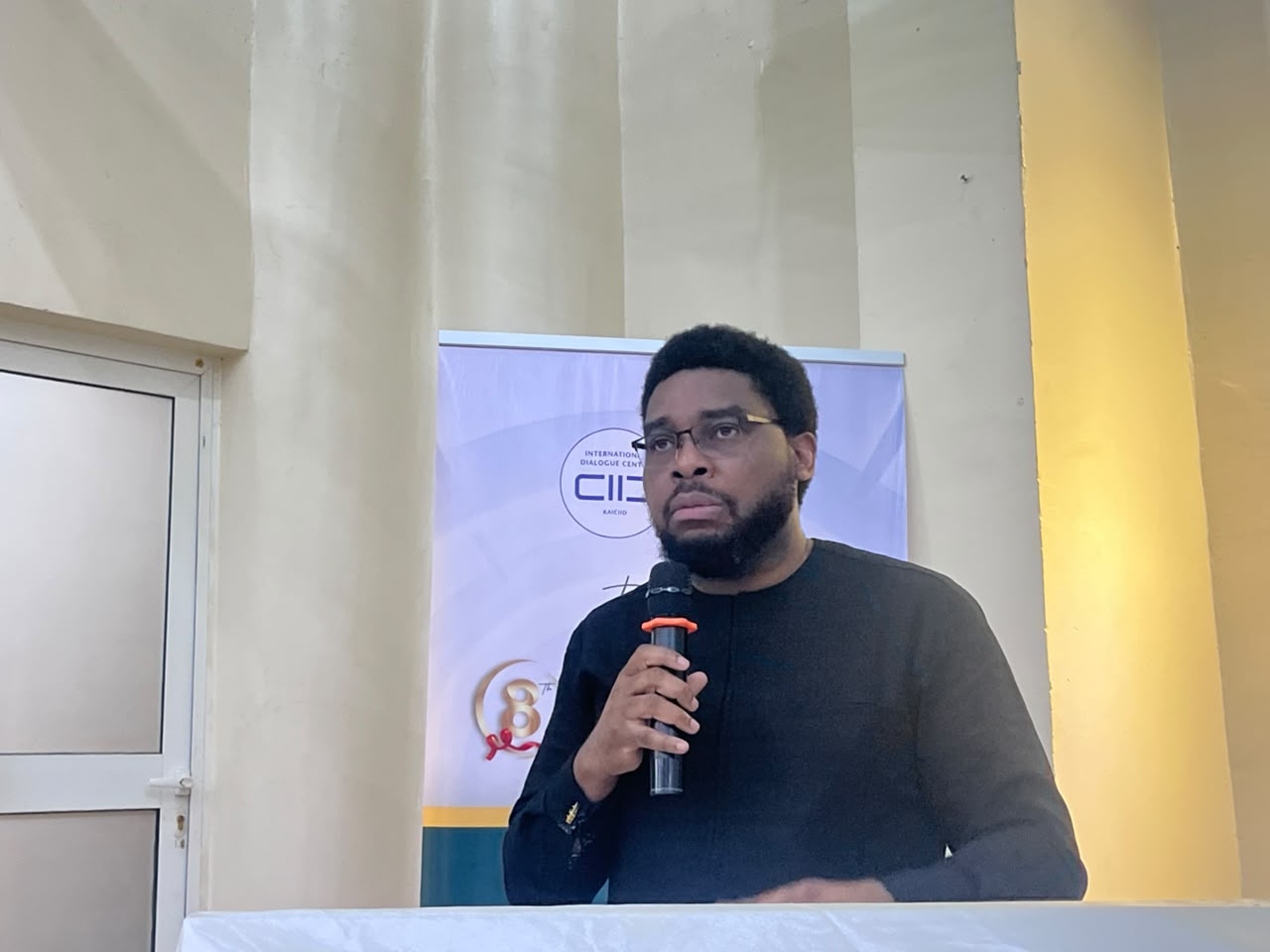
Quoting both religious and historical references, he argued that Nigeria’s unique demographic composition leaves no alternative to peaceful coexistence.
Rather than viewing diversity as a source of fear, he said, Nigerians should see it as an opportunity to understand one another and build stronger relationships capable of strengthening national unity.
The Chief Missioner of the Nasrul-Lahi-L-Fatih Society (NASFAT), Imam Abdul-Azeez Moruf Onike, similarly called for closer collaboration between faith-based organisations and government to promote justice, peace and social development.

He noted that organisations such as NASFAT have continued investing in education and healthcare because governments alone cannot meet Nigeria’s expanding social needs.
Addressing the growing challenge of misinformation, Imam Onike urged Nigerians to verify information before sharing it, warning that false or unverified messages can quickly escalate tensions.
“Before you create or spread any news, ask yourself: Is it the truth? Can I stand before my Creator and take ownership of this message?” he said.
As discussions concluded, participants repeatedly returned to one central message: that preventing violence requires far more than legislation or security operations.
It demands responsible leadership, ethical communication and citizens willing to reject narratives that exploit religion, ethnicity or politics for selfish ends.
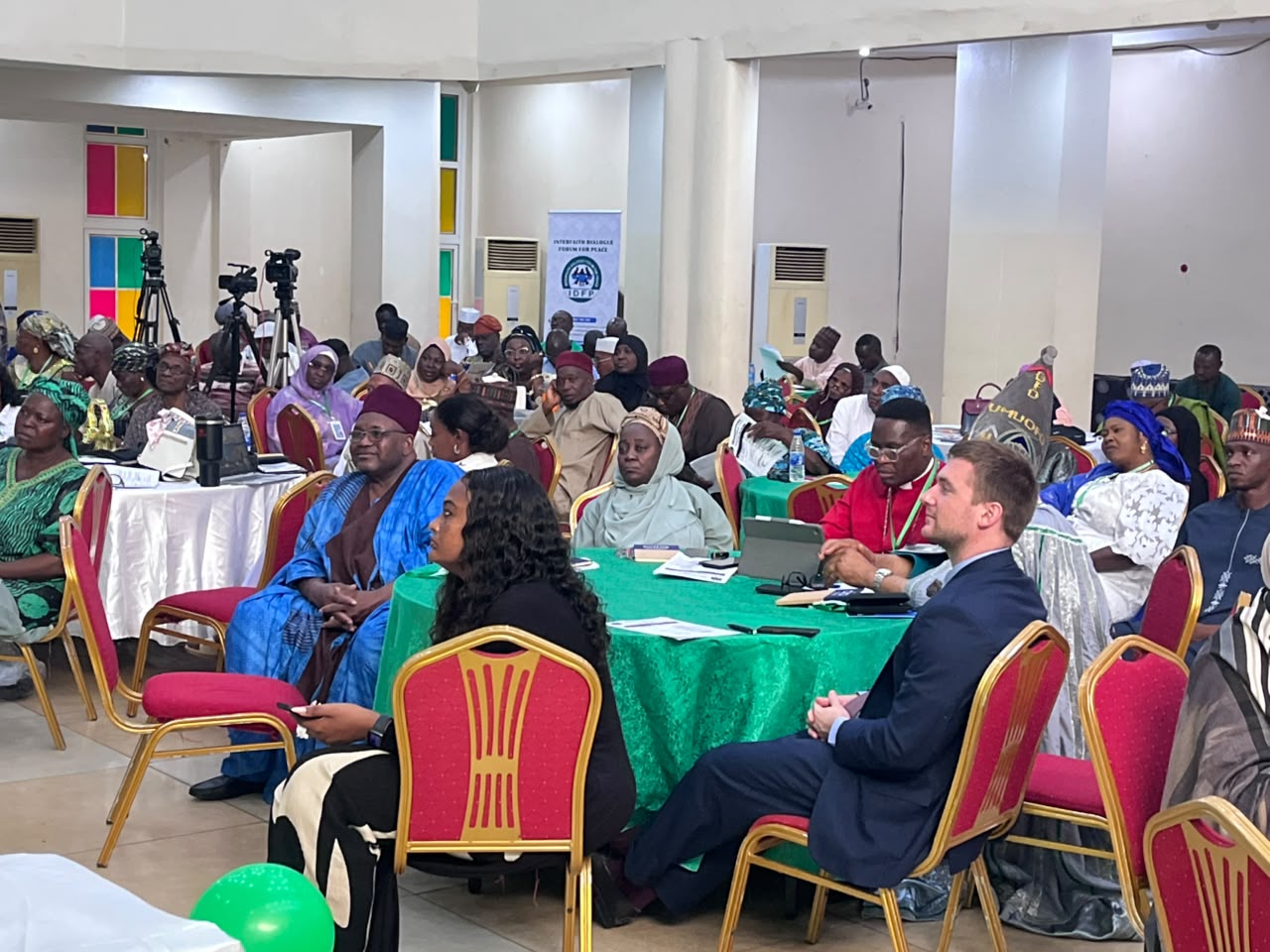
For the organisers, the launch of the Interfaith Code of Conduct marks not the end of a conversation but the beginning of a national campaign to encourage religious leaders, institutions and communities to adopt shared standards capable of reducing hate speech and strengthening peaceful coexistence.
With political activities expected to intensify ahead of the 2027 general elections, they expressed hope that the Code would become more than a symbolic declaration, serving instead as a practical guide for shaping public discourse, preventing conflict and reinforcing a culture of dialogue.
Developed over several years, the document sets out shared commitments by Muslim and Christian leaders to reject hate speech, discourage incitement and promote mutual respect. Its success, participants argued, will ultimately depend not on its launch but on its adoption beyond the conference hall, in sermons, campaign seasons and everyday conversations where words can either deepen divisions or help prevent violence.
More photos:
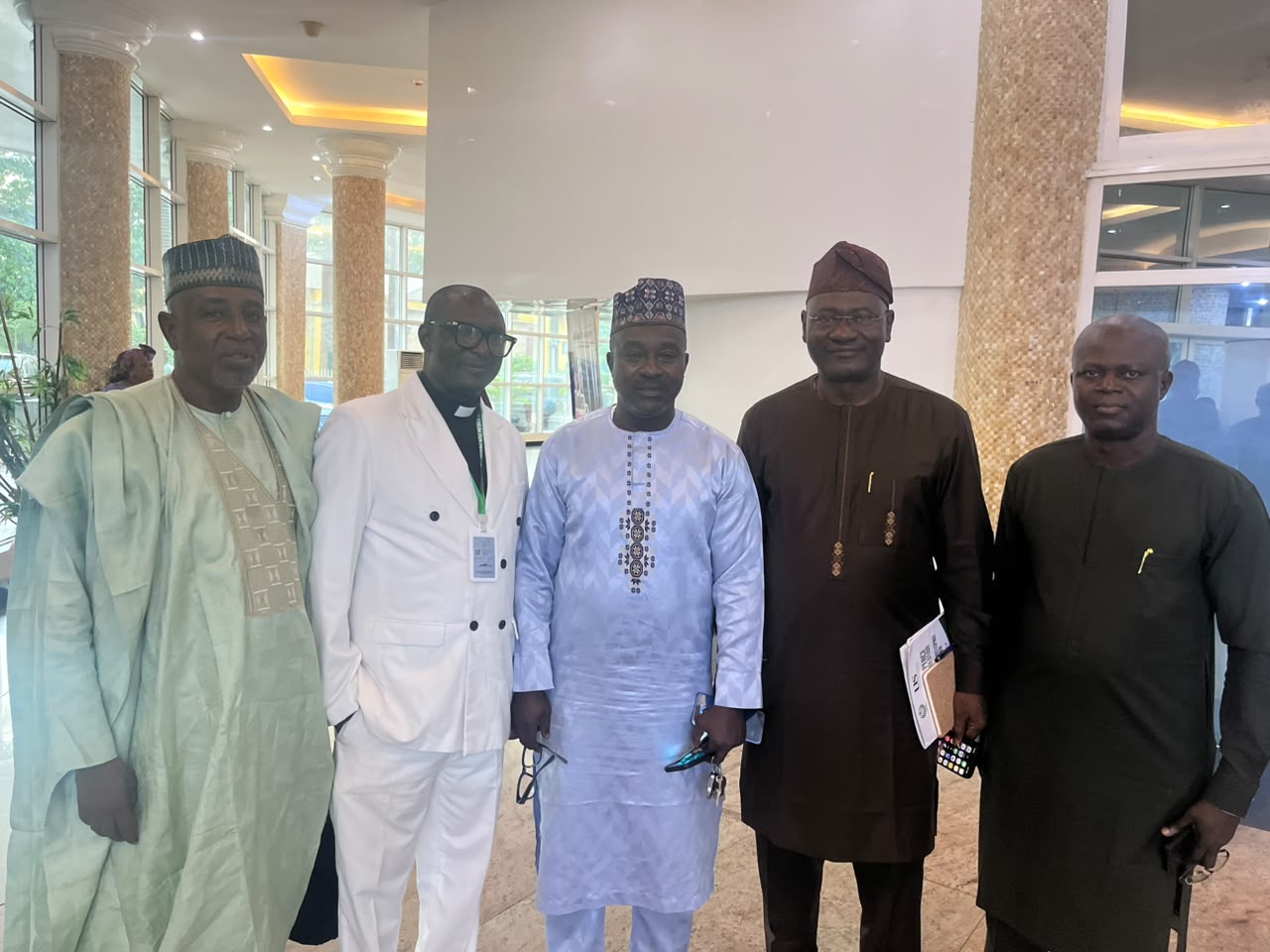
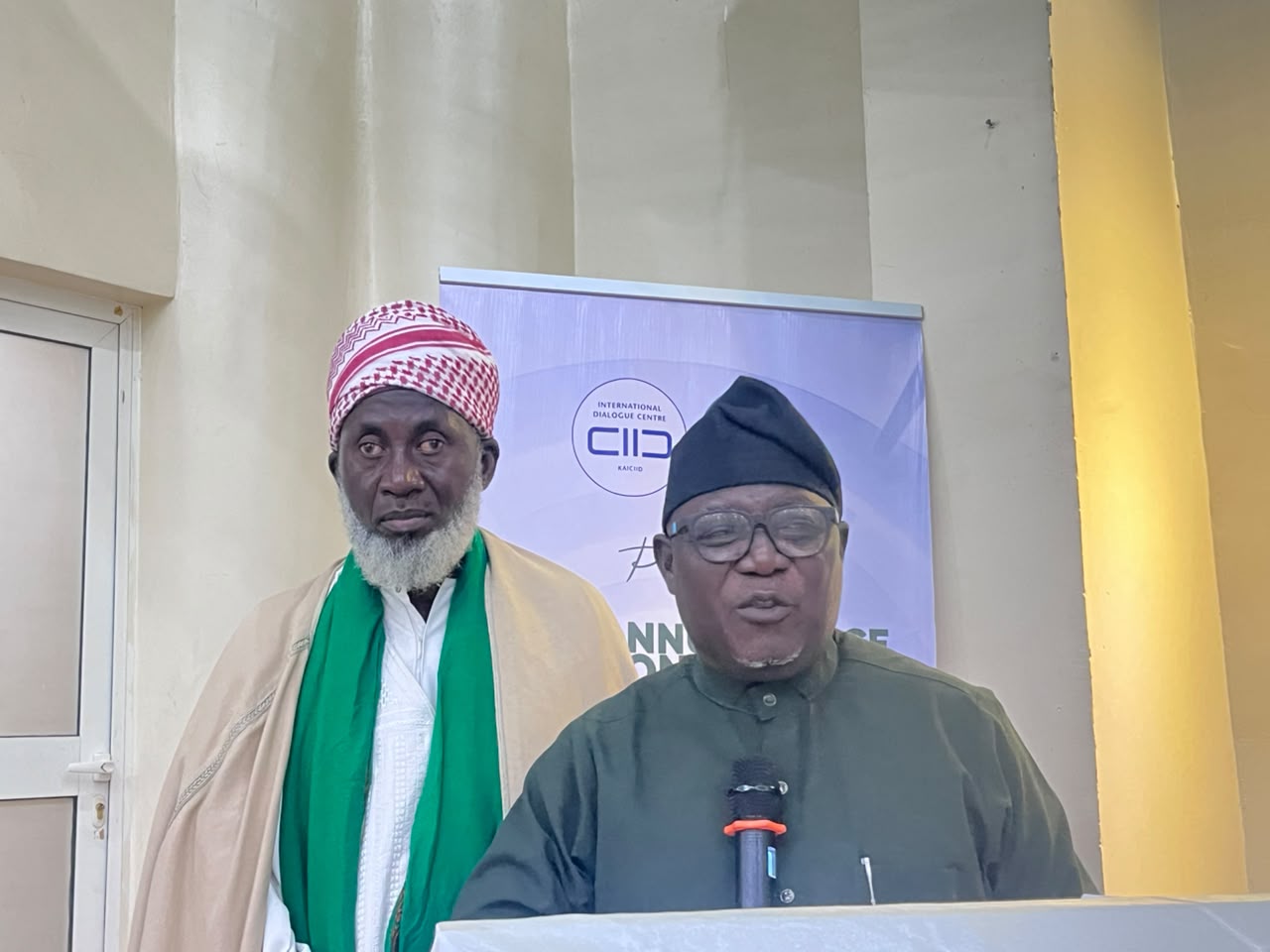
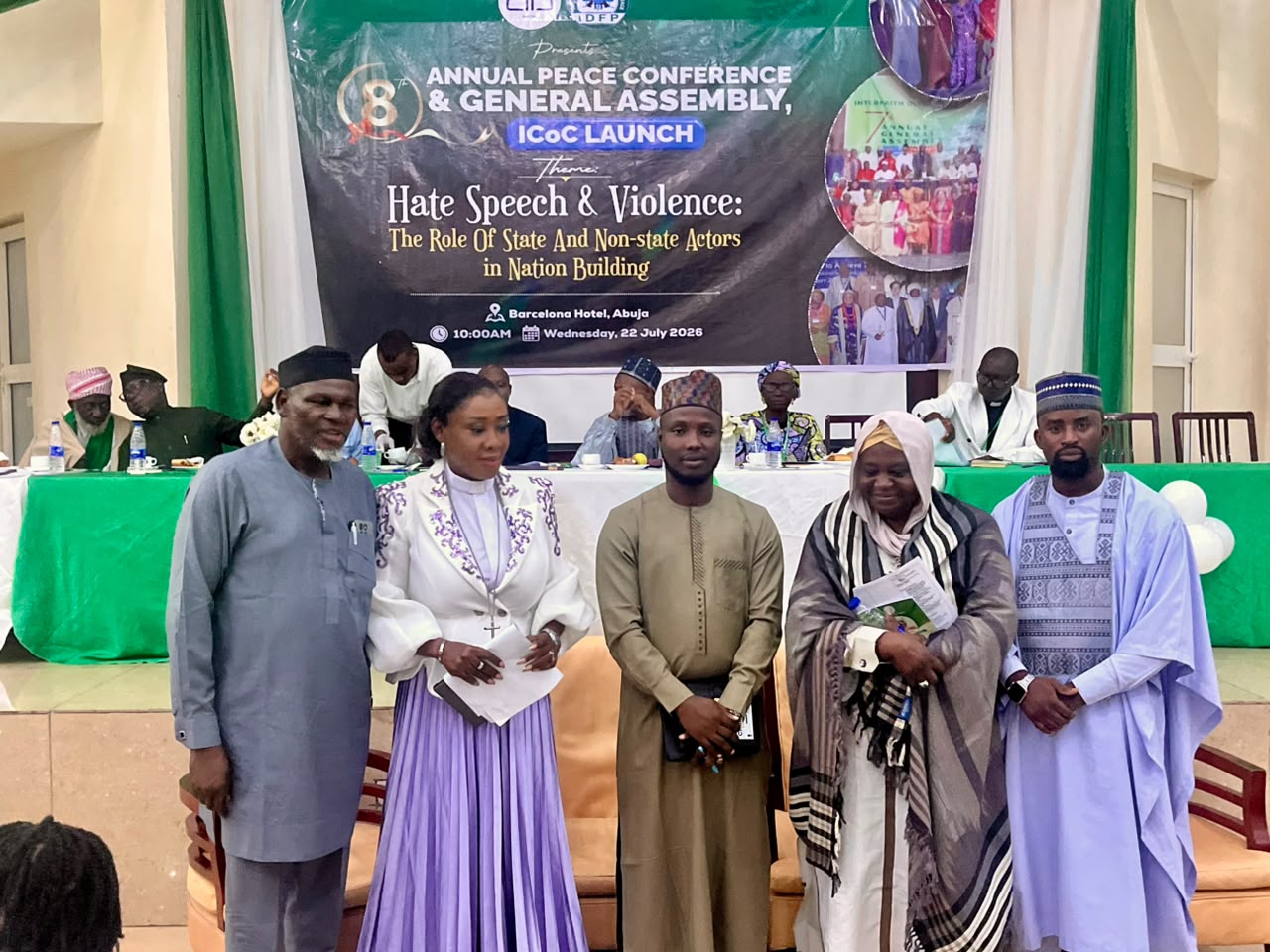


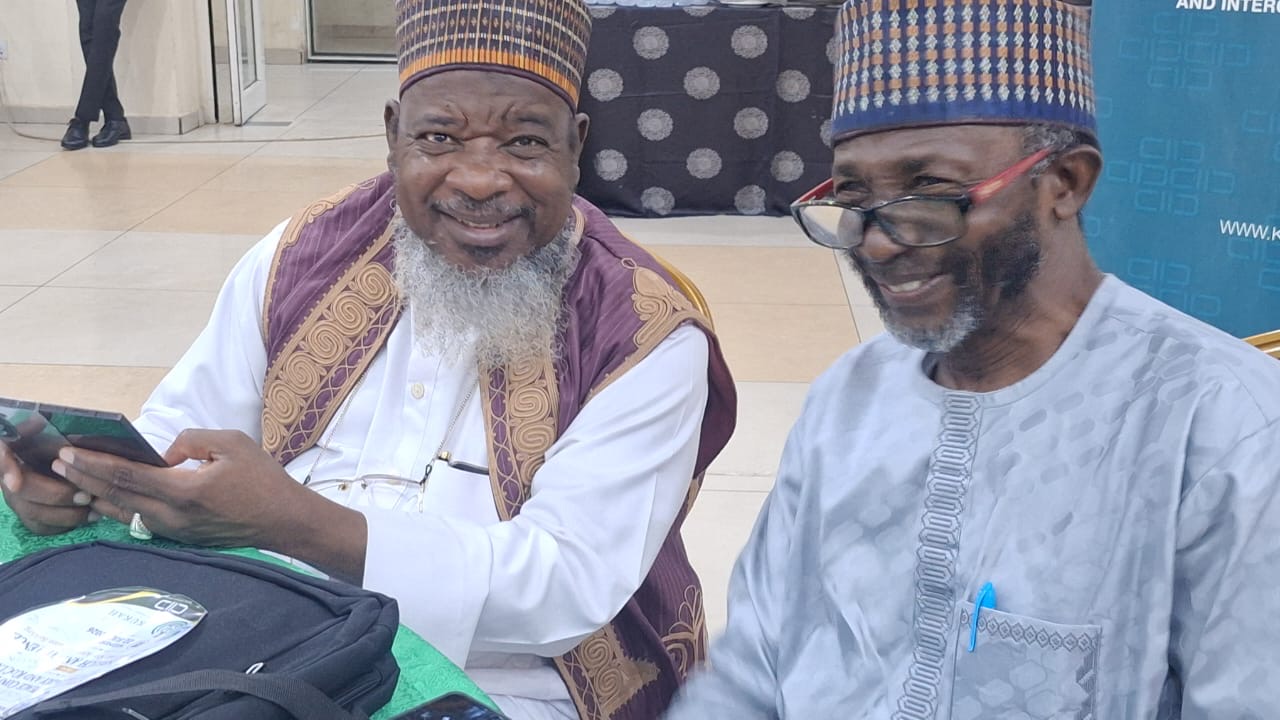



Photos: PEACE Magazine, Abuja
SPONSORED

SPONSORED
