
BREAKING NEWS: Trump Declares Iran Ceasefire ‘Over’ at NATO Summit
US president says diplomacy with Tehran is a “waste of time” after fresh military exchanges deepen fears of wider regional conflict
By Abdullahi Yusuf
U.S. President Donald Trump has declared the ceasefire framework between Washington and Tehran effectively dead, saying further diplomatic engagement with Iran would be futile after both countries exchanged fresh military strikes across the Middle East.
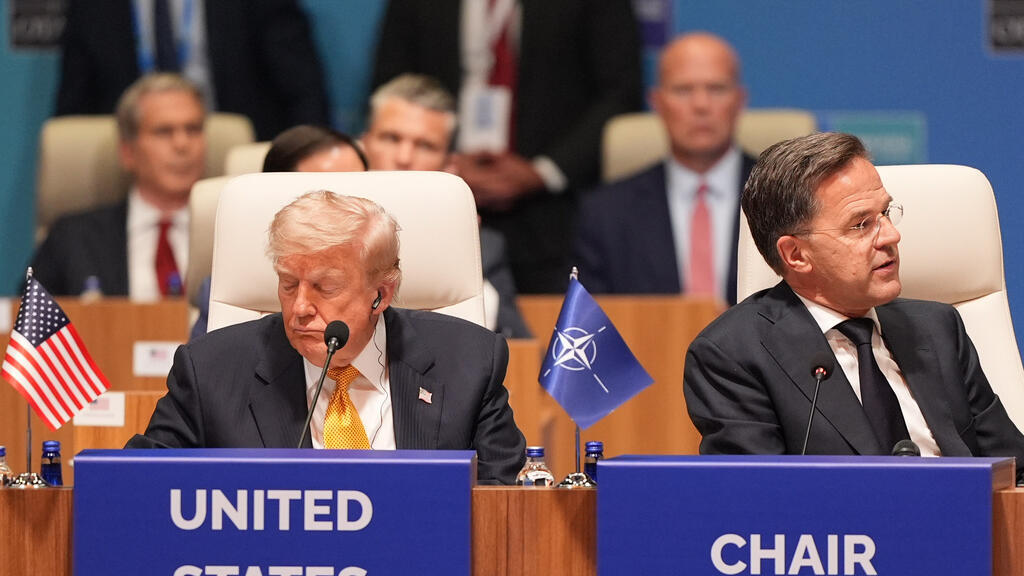
Speaking on the sidelines of the NATO summit in Ankara, Trump said he no longer regarded the memorandum of understanding aimed at ending hostilities as viable, despite indicating that American negotiators were free to continue discussions if they wished.
“To me, I think it’s over,” Trump told reporters. “I’ll let our negotiators keep talking if they want, but it’s a waste of time.”
His remarks marked the clearest indication yet that hopes of reviving negotiations have sharply diminished following a renewed escalation between the United States and Iran.
Trump accused Iran of breaching the ceasefire by attacking commercial vessels in the Strait of Hormuz, describing the country’s leadership in scathing terms while insisting Washington’s latest military response was justified.
The comments came only hours after the United States launched another wave of strikes targeting Iranian military assets and simultaneously revoked a Treasury licence that had temporarily permitted Iranian crude oil and petrochemical exports under the ceasefire arrangement.
The interim agreement, brokered through Pakistani mediation, had established a 60-day window for indirect negotiations intended to secure a broader and more permanent settlement between the two countries. However, talks held in Qatar last week failed to produce any breakthrough, leaving the fragile diplomatic process increasingly vulnerable before the latest exchange of hostilities.
According to U.S. Central Command, the latest American operation targeted vessels belonging to Iran’s Revolutionary Guard as well as other military infrastructure after attacks on commercial shipping in the Strait of Hormuz.
Iran responded by launching missiles and drones at U.S. military installations in Bahrain and Kuwait. The Islamic Revolutionary Guard Corps said the attacks were carried out in retaliation for the latest American strikes and Washington’s decision to restore restrictions on Iranian oil exports.
The renewed confrontation immediately rattled global energy markets, with oil prices rising amid growing concern over the security of the Strait of Hormuz, one of the world’s busiest maritime corridors for oil exports.
The crisis also cast a shadow over the NATO summit, where alliance leaders had gathered primarily to discuss defence spending and broader transatlantic security.
During the meeting, NATO Secretary General Mark Rutte welcomed increased defence commitments from European and Canadian allies, while Trump renewed his long-standing call for Greenland to come under American control.
The proposal was swiftly rejected by Danish Prime Minister Mette Frederiksen, who reiterated that Greenland “is not for sale.”
The latest developments leave the future of U.S.-Iran diplomacy increasingly uncertain, with the collapse of the temporary ceasefire raising fresh fears that both sides may be moving further away from negotiations and closer to a broader regional confrontation.
SPONSORED

SPONSORED

SONSORED
