
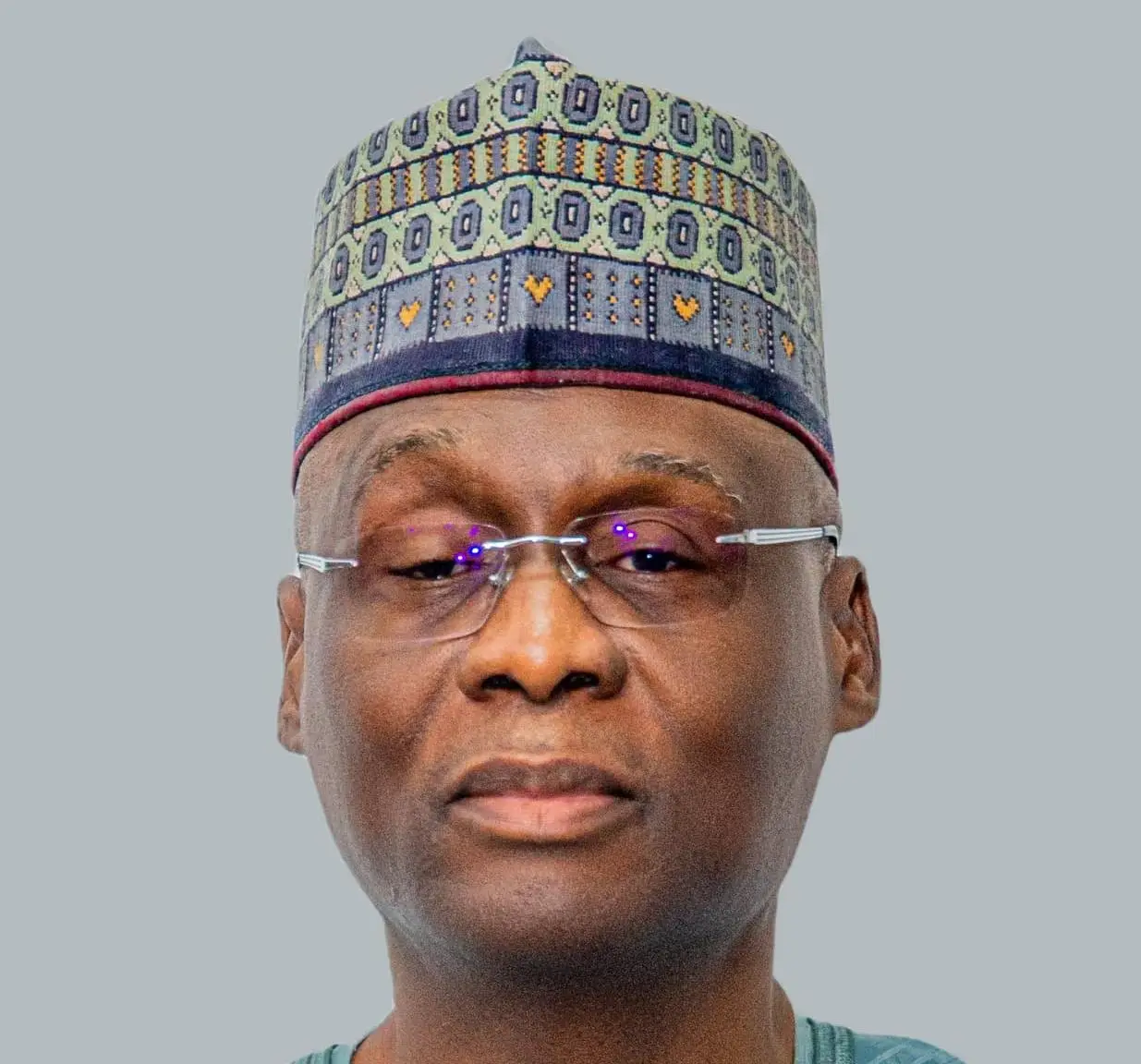
We Removed Drama From Hajj Operation – NAHCON Chairman
Ambassador Ismail Abba Yusuf says tighter planning, stakeholder coordination and procurement reforms helped avert major challenges during the 2026 Hajj operation
By Abdullahi Yusuf
Nigeria’s Hajj administration will undergo further reforms aimed at improving accommodation, feeding, transportation and other services for pilgrims, the chairman of the National Hajj Commission of Nigeria (NAHCON), Ambassador Ismail Abba Yusuf, has said.
The chairman said the commission had already begun reviewing procurement processes and exploring new approaches to early planning, following lessons from this year’s Hajj operation.
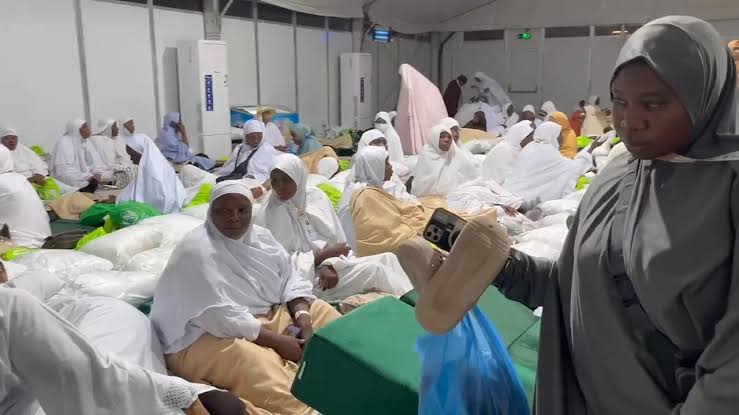
Speaking in an interview on Trust Television’s 30 Minutes programme, Ambassador Yusuf disclosed that 10,000 Nigerian pilgrims affected by poor or missing meals during the pilgrimage received refunds after complaints were investigated.
He said the affected pilgrims were from Zamfara, Niger, Adamawa and Benue states, adding that the commission worked with Saudi service providers to ensure compensation was provided.
“We got refund for 10,000 pilgrims who were involved in this issue,” he said.
The NAHCON chairman said some of the challenges experienced by pilgrims were linked to attempts by service providers to deliver meals that did not adequately reflect the expectations of Nigerian pilgrims.
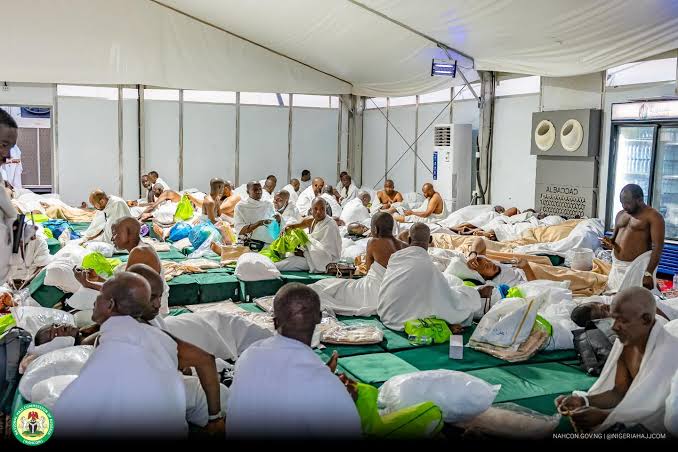
He added that future arrangements would include stricter screening of catering providers, while allowing the possibility of Nigerian caterers working alongside Saudi-based companies without increasing costs for pilgrims.
Ambassador Yusuf said the relatively smooth conduct of the 2026 Hajj operation was largely the result of early planning, coordination among stakeholders and clearer accountability measures.
He said the commission introduced contingency plans into airline contracts to ensure that pilgrims would not be stranded if any operator experienced difficulties during the airlift process.
According to him, the operation involved coordination with several institutions, including aviation authorities, the Central Bank of Nigeria, health officials, religious leaders, the media and other stakeholders.
“The interest in the whole exercise was the interest of the pilgrim,” he said, adding that resources paid by pilgrims must be treated as a trust.
He also said the commission deliberately reduced what he described as unnecessary activities surrounding Hajj operations, arguing that the large volume of money involved often created opportunities for unneeded services.
Nigeria’s Hajj operation involved about N290bn in payments covering services for pilgrims, he said.
Aviation fuel crisis
Ambassador Yusuf revealed that rising aviation fuel prices nearly threatened the 2026 airlift arrangement.
He explained that when airline contracts were signed, aviation fuel was about N900 per litre, but the price had risen to around N3,000 by the time airlift operations began.
The chairman said asking pilgrims to make additional payments would have created serious difficulties because many Nigerian pilgrims save over long periods to afford the journey.
He credited the intervention of President Bola Tinubu and Vice-President Kashim Shettima with preventing a possible disruption.
He said without the intervention, “Nigerian pilgrims would have been stranded”.
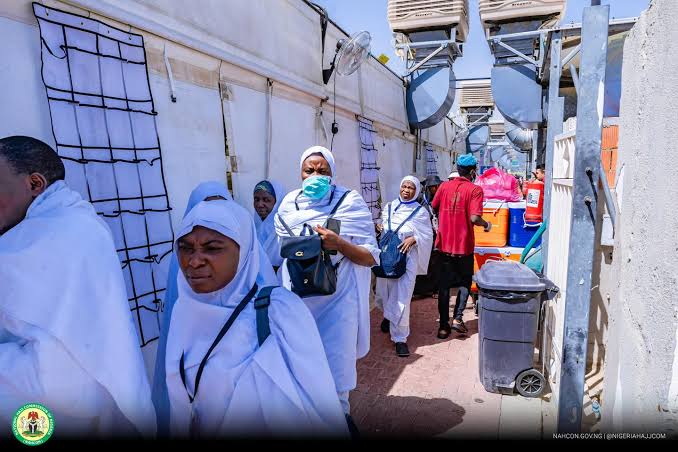
On accommodation concerns, particularly complaints about hotels being far from the Grand Mosque in Makkah, Ambassador Yusuf said expectations needed to reflect the realities of managing millions of pilgrims.
He explained that accommodation closer to the Haram was significantly more expensive and often beyond what average Nigerian pilgrims could afford.
He said the commission was considering differentiated packages that would allow pilgrims who desired closer accommodation to pay more for that option.
The chairman also rejected comparisons between Nigeria’s Hajj arrangements and those of countries such as Malaysia and Indonesia, saying their systems were supported by long-term savings structures and early financial planning.
Looking ahead, Ambassador Yusuf said NAHCON was considering the establishment of a halal investment fund to support earlier procurement and planning.
He said countries with advanced Hajj systems often benefit from long-term savings arrangements that allow them to secure accommodation and other services well ahead of time.
He suggested that Nigeria might need legislative changes to give the commission greater flexibility to develop similar mechanisms.
“Early planning without resources is almost like a vain ritual,” he said.
The NAHCON chairman said the commission was also introducing technology-driven reforms and reviewing procedures for accommodation, transportation, feeding and medical services.
He assured prospective pilgrims that future operations would focus on timely airlift, better services and improved welfare.
“We are emplacing technology,” he said, adding that reforms were aimed at delivering a better pilgrimage experience for Nigerian pilgrims.
With additional information from Trust Television News
SPONSORED

SPONSORED

SONSORED
